
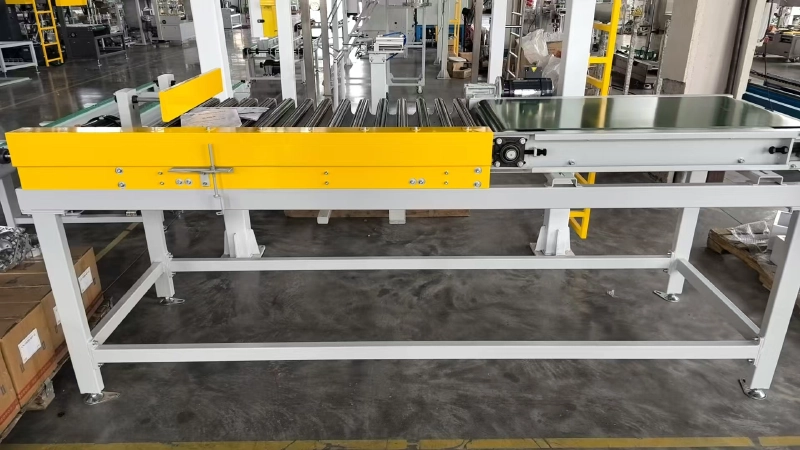
Машина вторичной упаковки устранение воздуха из пакетов
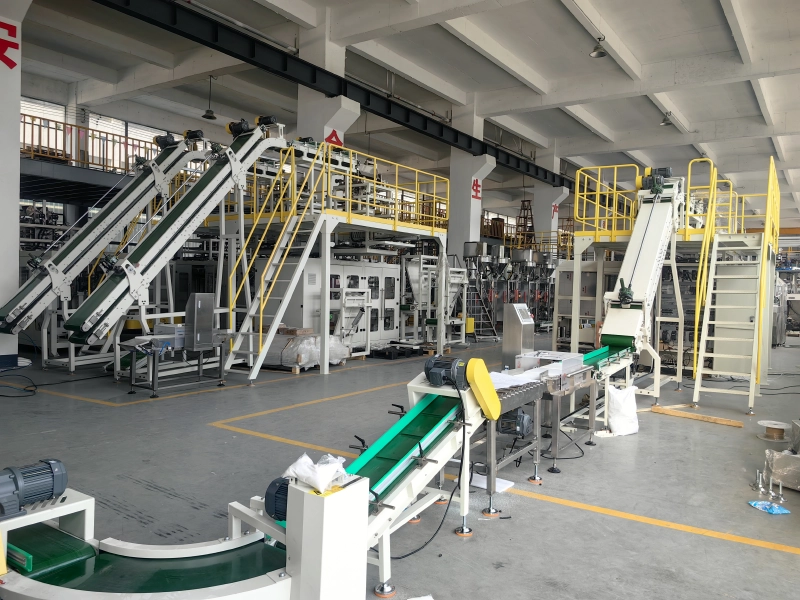
If you are managing a starch or fine powder plant, you know the nightmare: 1kg bags coming off the VFFS line looking like inflated balloons. They contain 30% air, refuse to stack, and turn your pallets into “leaning towers” that get rejected by supermarkets. Manual pricking creates dust clouds and explosion risks (St1). It’s time to switch to a Secondary packaging machine engineered specifically for physical de-aeration and high-density logistics.
In the fine chemical and food ingredient sectors—specifically for corn starch, wheat flour, and additives—the product behaves like a fluid immediately after dosing. The “Aeration Problem” isn’t just cosmetic; it is a direct hit to your bottom line.
When a 1kg bag is full of air, it becomes a rounded cylinder rather than a flat brick. Manual packers struggle to grip these slippery, bloated bags. To make them fit into a master woven bag, operators often resort to aggressive squeezing, which leads to micro-perforations. This releases white dust—a severe hygiene issue and a potential combustible dust hazard. Furthermore, because the bags are not flat, your shipping density drops. You are paying for a full truck but only shipping 75% of the payload weight because your pallets are bulky with trapped air.
Standard conveyors are useless for aerated powders. Our system employs a specialized Double-Deck Incline Conveyor designed to mechanically force air out without rupturing the seal.
Acting like two large hands, the upper and lower belts gently compress the bag as it travels up the incline. This physical pressure settles the powder and expels excess air through the microscopic pores of the packaging material or designated micro-perforations. The result is a transformation from a “balloon” to a hard, flat “brick.” This step is non-negotiable for high-speed automated counting and stacking.
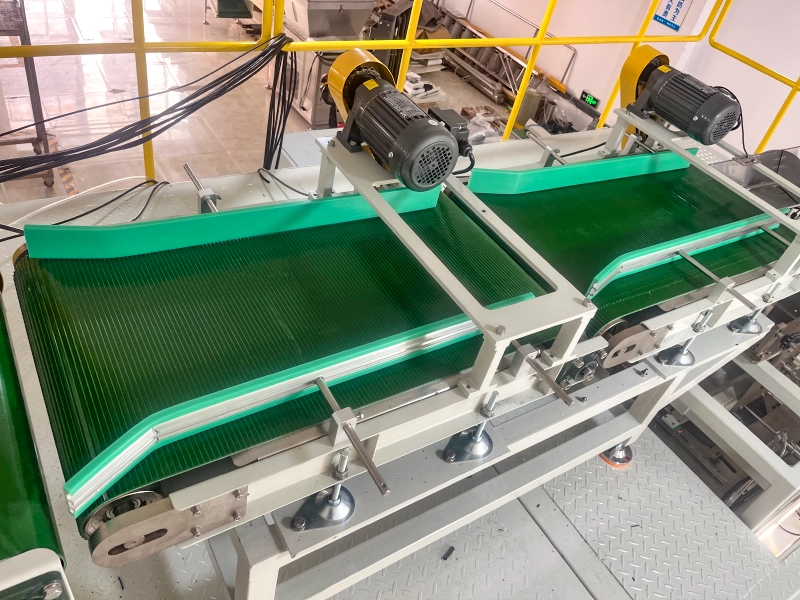
By flattening the primary package, our Automatic secondary bagging machine ensures that when the bags are grouped, they form a solid, interlocking matrix. This is critical for preventing the “flowering” effect (where pallets blossom outward and collapse) during transport.
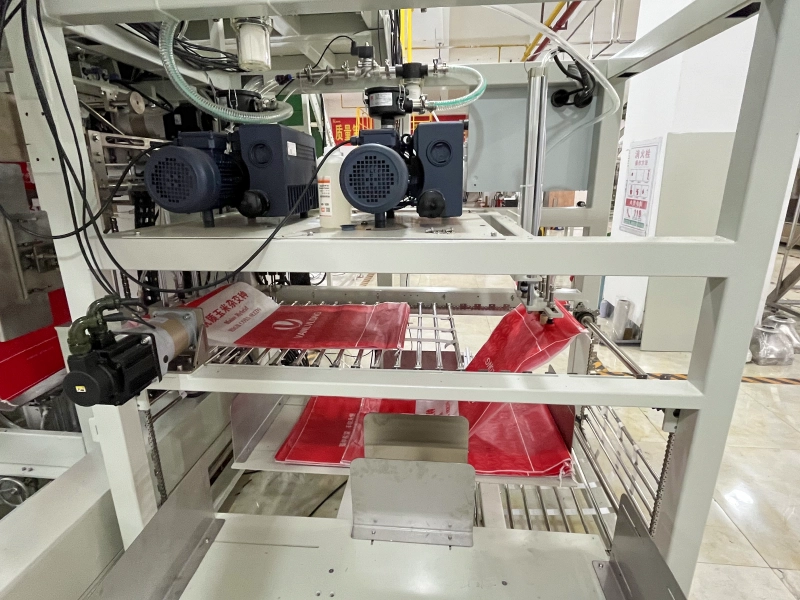
Once flattened, the bags must be loaded into the master woven bag (secondary packaging). In the starch industry, dropping heavy bags from a height is a recipe for disaster—the impact can burst the seams, contaminating the entire batch.
Our system utilizes a Servo Flexible Bottom Support mechanism. When the small bags are counted and released into the master bag, a servo-driven platform rises to meet them, reducing the drop height to near zero. It then lowers gradually as the bag fills. This “Soft Landing” technology eliminates impact shock, keeping your factory floor clean and your product contained.
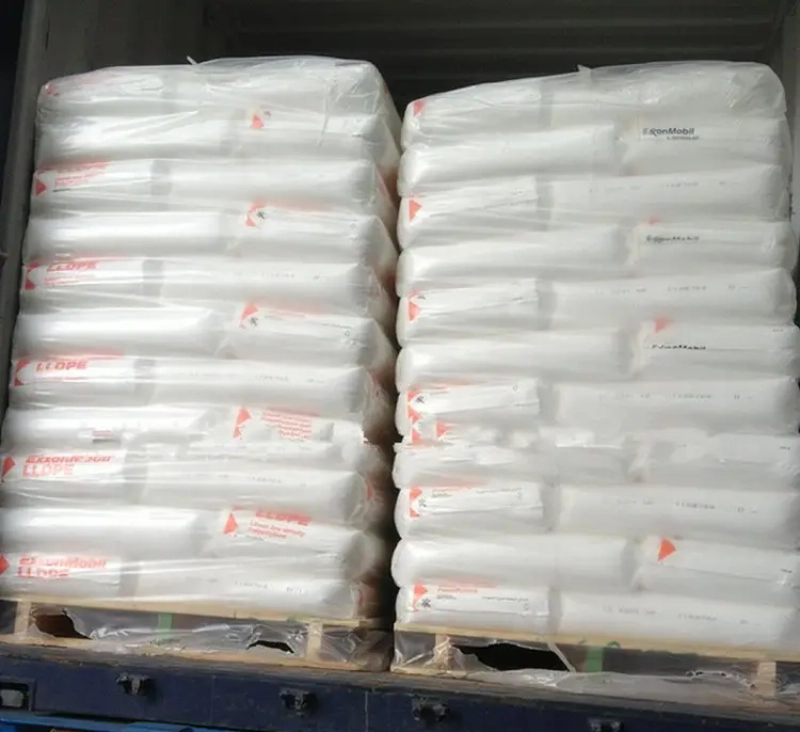
The final proof of efficiency is at the dock door. A manual pallet of aerated starch bags typically tops out at 750kg because it becomes unstable if stacked higher. With our air-removal and brick-forming technology, the Palletizing robot can stack solid, square master bags up to 1.2 tons on a standard industrial pallet.
This 50% increase in pallet density means you are using fewer pallets, less wrapping film, and significantly fewer trucks to transport the same amount of product. Your product arrives at the customer’s warehouse looking professional, stable, and ready for automated warehousing systems.
Need a consultation on packaging equipment?
CONTACT US → English
 Русский
Leave a Reply