
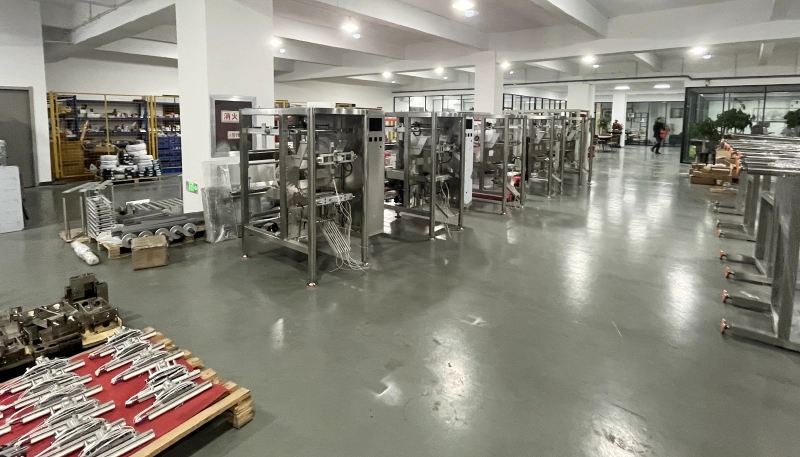
Система аспирации для автоматической линии фасовки сахара
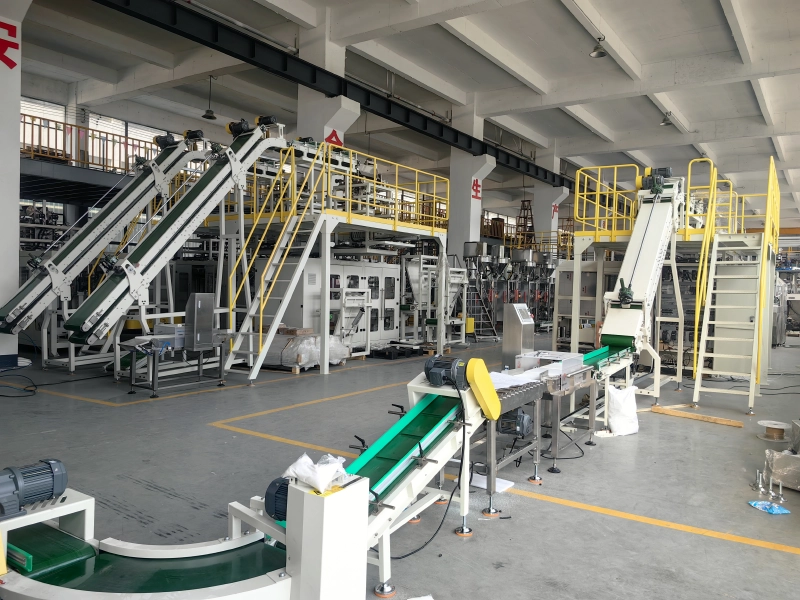
The fine, sweet haze of sugar dust in your packaging hall isn’t a sign of productivity—it’s a silent drain on your profits and a ticking safety clock. It clogs your equipment, compromises your product quality, and puts your facility at risk. A standard packaging line just moves the problem around. You need a system engineered to contain it at the source.
Система аспирации для автоматической линии фасовки сахара
For any Sugar Plant Manager, the goal is simple: maximize throughput of clean, perfectly packaged product. Yet, the very nature of sugar creates a persistent challenge—airborne dust. This isn’t just a housekeeping issue; it’s a direct threat to efficiency, safety, and your brand’s reputation. A conventional автоматической линии фасовки (automatic packaging line) can often worsen the problem by agitating the product. The solution lies in an integrated aspiration system designed specifically for the unique properties of sugar.
The “Before” Scenario: A Packaging Hall Ruled by Sugar Dust
Walk through a typical sugar packaging facility, and you’ll see the same problems. A fine layer of sugar dust covers everything: conveyors, sensors, and the floor. This environment leads to a cascade of operational failures:
- Contaminated Seals: During the VFFS (Vertical Form Fill Seal) process, sugar dust gets trapped in the heat-seal area of the 1kg bags. This results in weak, incomplete seals, leading to product leakage, spoilage, and customer complaints.
- Inaccurate Weighing: Dust builds up on checkweigher belts and load cells, leading to inaccurate readings. This forces you to either risk under-filling or accept significant product “giveaway” by over-filling to compensate.
- Equipment Malfunctions: Photoelectric sensors become clouded, causing misreads and line stoppages. Mechanical parts, like bearings and chains, get gummed up by sticky dust, accelerating wear and tear and requiring constant, labor-intensive cleaning.
- Combustible Dust Hazard: Fine sugar dust suspended in the air is a serious explosion risk (St 1 Class), posing a significant threat to personnel and facility safety, and creating major compliance headaches.
Simply put, you can’t achieve peak efficiency when you’re constantly fighting the environment your own process creates.
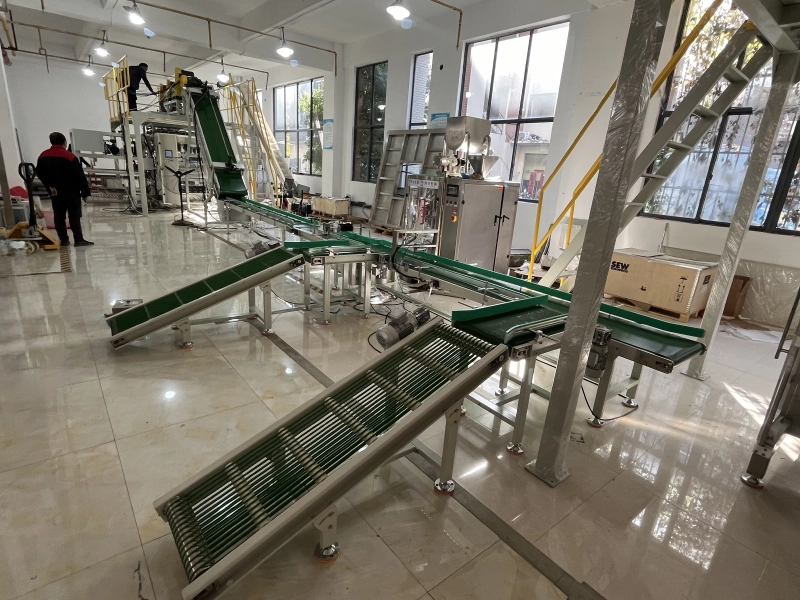
The “Why It Works”: Engineering Aspiration into the Process Flow
An effective Система аспирации (Aspiration System) isn’t an afterthought; it’s an integral part of the machine’s design. Our BPM Вторичная Упаковочная Машина (Secondary Packaging Machine) is built with a philosophy of “source capture.”
1. Targeted Extraction at Critical Points
We don’t just put a vacuum in the room. We integrate high-negative-pressure dust extraction hoods at the precise points where dust is generated:
- Product Transfer Points: At every point a bag of sugar drops or is transferred—from the VFFS machine to the take-away conveyor, and from one conveyor to another—a precisely aimed hood captures airborne particles before they can escape.
- Bag Filling Station: The most critical point. As the counted small bags drop into the large secondary woven bag, a powerful downdraft system pulls air and dust downwards, away from the machine operator and the surrounding environment.
- Checkweigher & Metal Detector Tunnels: Enclosed tunnels with dedicated extraction ports keep these sensitive instruments clean, ensuring their accuracy and reliability without constant manual cleaning.
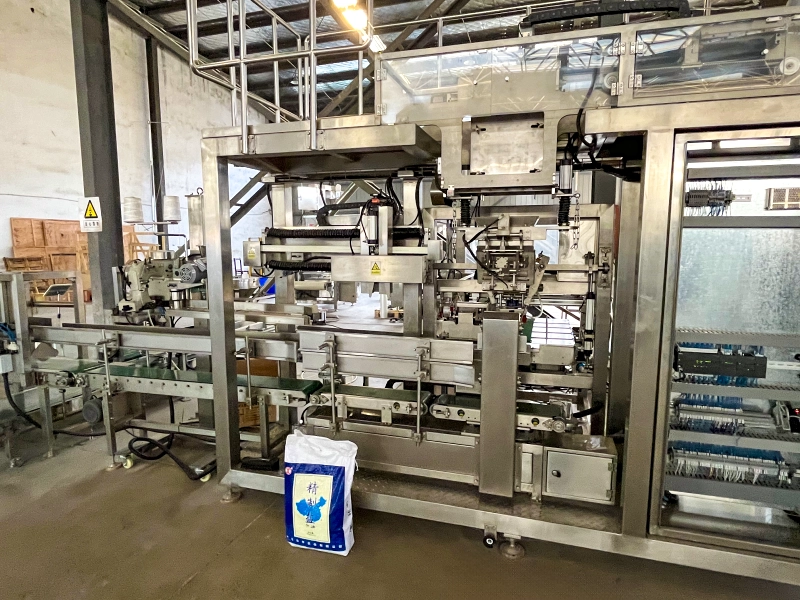
2. Food-Grade, Hygienic Design
Handling sugar demands compliance with the strictest food safety standards. Our entire system, including the ductwork, is designed accordingly.
- Material Excellence: All product contact surfaces and aspiration hoods are constructed from Нержавеющая сталь 304/316 (304/316 Stainless Steel), ensuring no corrosion and easy, effective cleaning.
- Eliminating Build-up: All surfaces are smooth, with rounded corners and no crevices where sticky sugar dust can accumulate and harden, preventing potential contamination.
3. Intelligent Control Integration
The aspiration system is not a standalone unit. It is fully integrated into the line’s central Siemens ПЛК (PLC). This means the system operates in perfect sync with the machine, activating and adjusting suction power based on the specific process step, optimizing energy consumption and ensuring peak effectiveness.
The “After” Scenario: A Clean, Safe, and Profitable Operation
Integrating a purpose-built aspiration system into your Линия для групповой упаковки (group packaging line) transforms your operation. The benefits are immediate and measurable.
| Benefit | Operational Impact |
|---|---|
| Enhanced Safety & Compliance | Dramatically reduces the concentration of airborne dust, mitigating the risk of combustible dust incidents and ensuring a safer work environment for your team. |
| Increased Machine Uptime | Sensors stay clean, mechanical components run freely, and the need for frequent, unscheduled downtime for cleaning is virtually eliminated. Your line runs for longer, producing more. |
| Improved Product Quality & Brand Image | Primary bags have stronger, more reliable seals. The final secondary bags are clean and free from external dust, presenting a professional, high-quality image to your distributors and end customers. |
| Reduced Product Waste | By capturing sugar dust at the source, less product is lost to the environment. Over a year, this recaptured product translates directly to your bottom line. |
Stop treating sugar dust as an unavoidable cost of doing business. With an intelligently designed and integrated aspiration system, you can create a cleaner, safer, and more profitable packaging operation. It’s time to invest in a solution that protects your people, your product, and your plant.
Frequently Asked Questions
1. How does the aspiration system handle sticky sugar dust without clogging the filters?
Our systems use a pulse-jet filter cleaning mechanism. High-pressure air is periodically blasted in reverse through the filters, dislodging any accumulated sugar dust and maintaining optimal airflow. The smooth, non-stick internal surfaces of the ducting also prevent build-up.
2. Is this system compliant with combustible dust safety standards?
Absolutely. The system is designed to minimize dust concentration. Furthermore, all electrical components, such as motors and sensors within the dust-prone area, can be specified to meet regional safety standards for explosive atmospheres (e.g., ATEX or local equivalents).
3. What is the maintenance routine for the dust collection components?
Maintenance is designed to be minimal. The PLC monitors filter pressure and automates the cleaning cycle. When filters eventually need replacement, they are located in an easily accessible housing, often with tool-less clamps, allowing for quick and simple changeouts by your maintenance team.
4. Can this aspiration system be retrofitted to our existing sugar packaging line?
While a fully integrated system designed from the ground up offers the highest efficiency, we can engineer a custom source-capture aspiration solution for existing lines. This would require a thorough site survey to identify critical dust generation points and design a tailored ducting and filtration layout.
5. How much product can be saved by preventing it from becoming airborne dust?
This varies depending on the line speed and specific sugar characteristics, but the savings are significant. Even a conservative 0.1% reduction in product loss on a line processing 10 tons per hour can save over 20 tons of sugar per year, providing a clear and rapid return on investment.
Need a consultation on packaging equipment?
CONTACT US → English
 Русский
Leave a Reply