
Why a Southern Grain Warehouse Chose ppline for Steadier Woven-Sack Transfer
When a warehouse has to move filled woven sacks from filling to sewing and then into pallet-ready flow, the weak link is rarely the bag itself. The problem is usually transfer stability, floor congestion, and the extra handling that creates scuffs, misalignment, and rework. This is where a modular ppline layout gives the line a cleaner handoff.
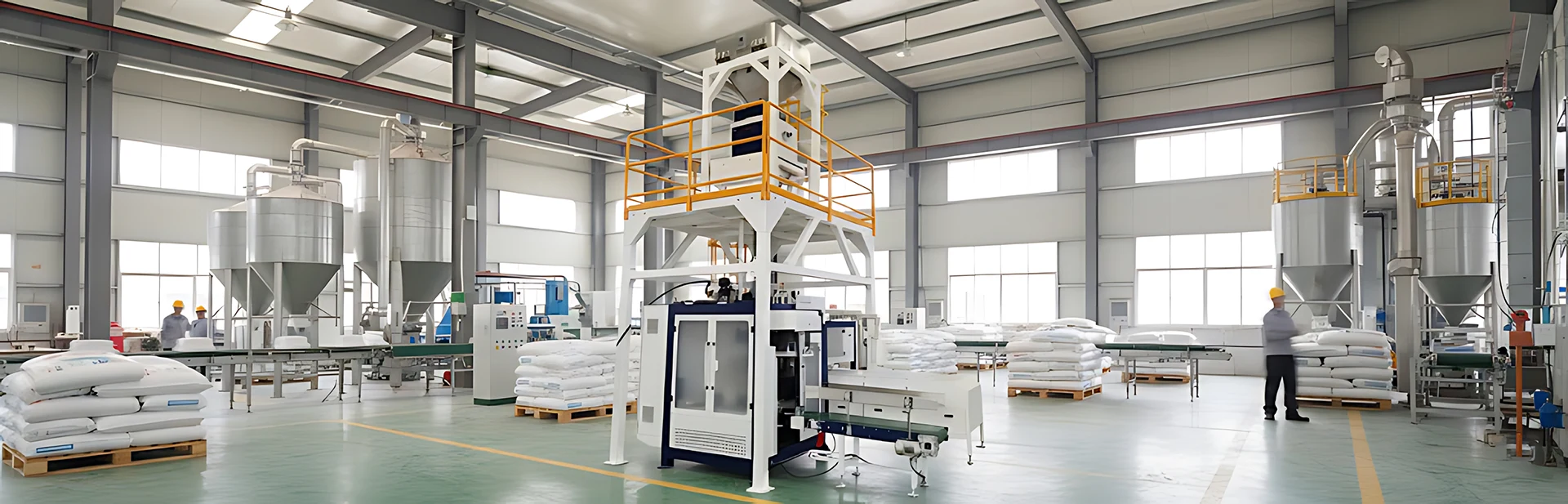
What Was Going Wrong in the Old Sack Transfer Flow
The warehouse needed a way to move woven sacks without letting the bags wander, twist, or rub against each other between stations. In the old setup, workers had to correct the bag position by hand, and every correction added time. Once the sacks started drifting on the transfer path, the sewing station received inconsistent bag mouths, and the downstream pallet stack became harder to keep square.
That kind of problem usually looks small on paper, but in daily production it becomes a constant source of extra touches, slower throughput, and avoidable product damage. The visible stack of finished bags in the hero image shows the final goal; the real challenge is building a line that can reach that result without forcing the operator to fight the transfer step.
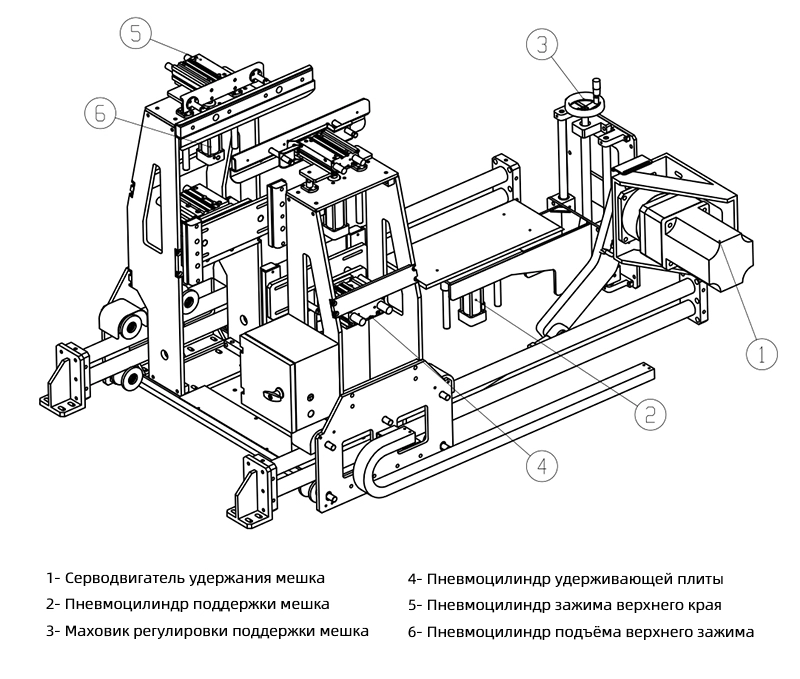
Woven sacks that arrive unevenly at the next station create misalignment, slower sewing, and more manual correction. The warehouse needed a line that keeps the bag mouth and body under control instead of letting gravity and vibration decide the position.
Why the ppline Layout Fits This Application
The selected ppline arrangement fits because it turns the transfer path into a guided process rather than a free-moving one. The elevated platform keeps the main handling equipment organized above floor traffic. The conveyor path separates the bag flow from the general warehouse lane. That matters in a grain plant, where forklifts, pallets, and walking space all compete for the same floor.
The second image gives the strongest proof: the bag clamping and bottom support assembly is built around pneumatic cylinders and servo adjustment, which is exactly what a transfer step needs when the bag must stay aligned. The support is not decorative. It exists to hold the woven sack during positioning so the next station receives a cleaner, more consistent presentation.
bpmpack Engineering Insight: A steady sack transfer line is not only about moving product faster. It is about controlling the bag at the moment it changes state: from filling to handling, from handling to sewing, and from sewing to palletizing. By combining a rigid steel platform, guided conveyor flow, and a clamping/support assembly with pneumatic and servo control, ppline reduces the kinds of micro-errors that create macro delays in a busy warehouse.
Visible Structure, Practical Result
The warehouse operator did not need a generic packaging pitch. It needed a line that could be explained by what you can actually see: stainless storage, elevated access, controlled bag movement, and a support mechanism that keeps the sack stable at the critical handoff point. That is why the evidence matters. The photos are not just decoration; they show the structural reasons the line works.
In practice, this means less manual straightening, fewer damaged bag corners, smoother sewing station feed, and a more regular pallet pattern at the end of the line. For a grain warehouse, those improvements add up quickly because the line runs every day and every deviation repeats many times.
| Warehouse problem | ppline response | Visible evidence |
|---|---|---|
| Bag drift during transfer | Guided conveyor flow and controlled handoff | Elevated line with organized conveyor path |
| Uneven bag mouth at the next station | Pneumatic clamping and support assembly | CAD view showing cylinders and servo adjustment |
| Floor congestion and repeated manual correction | Modular layout on a raised platform | Clean, separated machine and pallet zones |
Need a cleaner woven-sack transfer line?
If your warehouse is still relying on manual correction between filling, sewing, and palletizing, ppline can be laid out around the actual transfer problem instead of forcing the plant to adapt to a generic machine flow.
Request a layout discussion English
 Русский