Automatic Bagging Machine & Palletizing Systems Manufacturer

Category: English

  • 25 kg bag filling machine: what to verify before you buy

    25 kg bag filling machine: what to verify before you buy

    FFS heavy-bag line · film, seam, pallet

    25 kg bag filling machine: what to verify before you buy

    A 25 kg bag is judged after the seam cools, not at the dosing screw. This guide follows a 25 kg bag filling machine from roll film to pallet and shows which points belong in the technical protocol before you sign a purchase order.
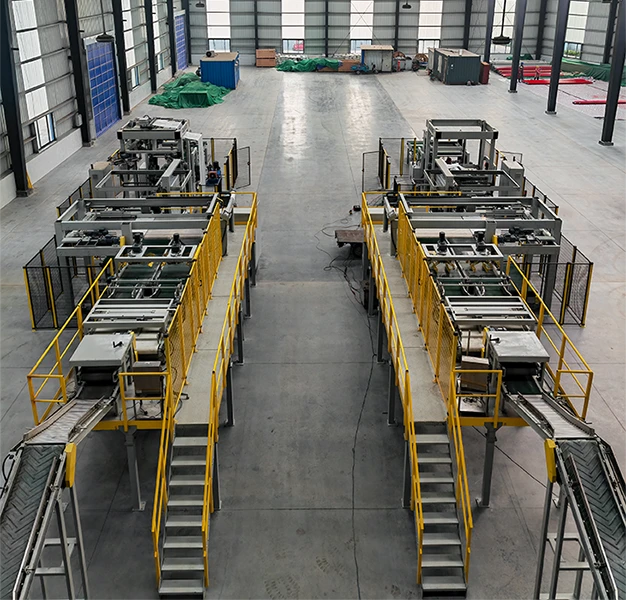
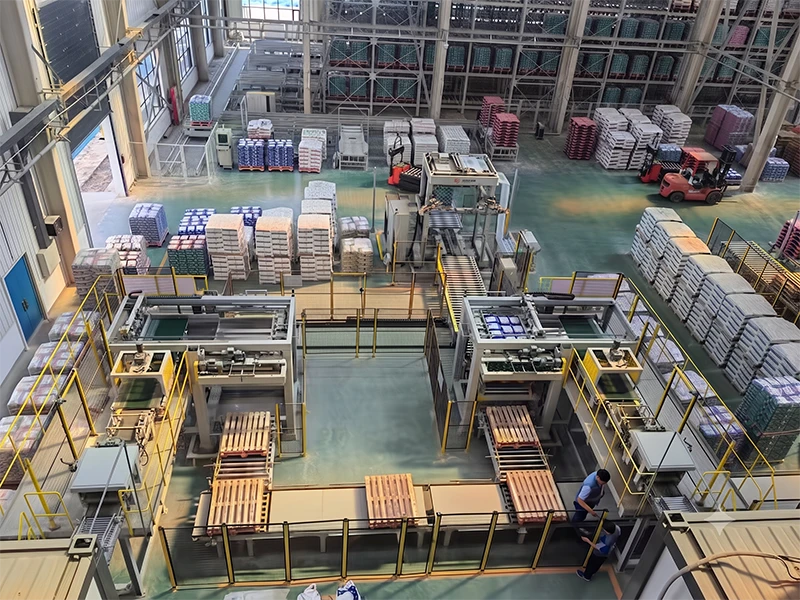
    Twin-lane 25 kg bag filling machine line with elevated platforms, safety railings and modular conveyors in a factory

    A fertiliser, resin or feed plant loses the bag in the last metre

    Anyone comparing a 25 kg bag filling machine for the first time usually starts with the screw or the weighing chamber. The complaint line, however, is produced somewhere else. An ammonium phosphate hall packing 25 kg bags, a polypropylene resin plant, a feed pellet mill and a blended powder line buy the same equipment category and lose money in different places. In most halls that already run, the sequence is a standalone net weigher, a magazine of pre-made woven, kraft or laminated bags, a manual or semi-automatic spout, and a sewing head two or three metres downstream.

    That distance is where the problem lives. A pre-made bag leaves the filler soft, the mouth is already full of product, and by the time the sack reaches the closure one face has dropped. The bag is sewn out of square, the pallet does not build straight, and the reject surfaces in the customer’s warehouse instead of at your own checkweigher. Dust around the spout and the hand-carried labelling add the rest of the cost.
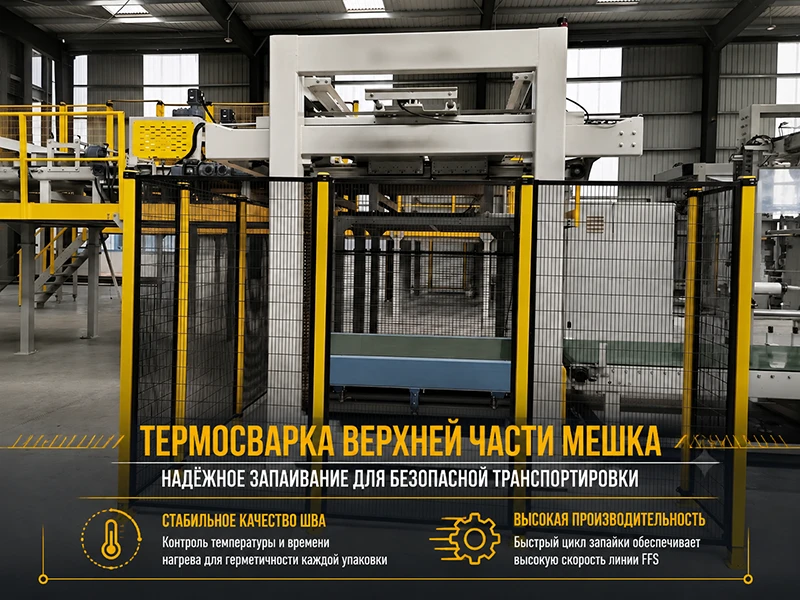
    Upper bag heat sealing station on an FFS 25 kg bag filling machine with safety fencing and conveyor transfer
    The bag is not lost at the dosing screw

    Weight drift is easy to measure and easy to blame. Deformed, short-sewn or leaking bags after a 25 kg drop are harder to trace, and they come from the metre between the filler and the closure rather than from the weighing chamber.

    Why an FFS line closes the gap a pre-made bag line leaves open

    A 25 kg bag filling machine built on FFS forms the bag itself from PE or PP roll film in line: tubular film is opened into an M-type sack, the bottom seam is made and cooled, the product is dosed with the bag clamped, and the top seam is closed and cooled before the sack is released. The bag is never carried somewhere else while open, so there is no soft mouth to lose on the way to the closure, and no bag magazine to refill by hand.

    The numbers that belong in the protocol of a 25 kg bag filling machine are structural, not decorative: standard film width 350–450 mm, roll outer diameter up to about 1500 mm on a 150 mm core, and a common film thickness of 0.14–0.18 mm which must be confirmed with the film supplier for the exact grade. For material that bridges, a 3 m³ transition silo buffers the demand peak, and vibration or anti-bridging devices plus a sampling point can be added to the scheme. Bottom and top cooling exist because the next discharge hits the fresh seam with a full 25 kg load.

    Engineering note Weighing accuracy (±0.1–0.2% or ±1% depending on the project) and output (500 bags/h in one ammonium phosphate scheme, 1,000–1,200 bags/h in other configurations) are acceptance conditions, not catalogue constants. Fix both against your own material, bulk density and moisture before comparing two offers.

    What the structure proves, and what to write into the contract

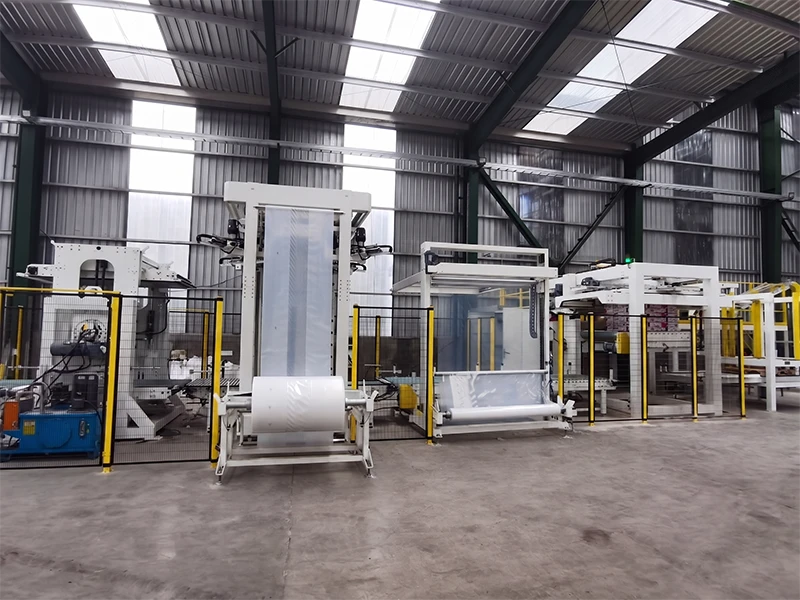
    The twin-lane photo above shows the layout logic of a 25 kg bag filling machine at line level: two machine rows on elevated steel platforms, modular conveyor sections between the filling station and the downstream units, and safety railings on every accessible edge. That arrangement is what allows a maintenance window on one row while the other keeps running, and it has to be drawn before the hall floor is marked.

    The sealing unit shows the upper closure with its own guarding and a bag conveyor feeding out of it. What the picture cannot show, and what you should buy in writing on a 25 kg bag filling machine, is the downstream chain: checkweigher and reject, bag flattening, inkjet coding, bag labelling, pallet labelling, robotic or high-level palletizer, automatic pallet magazine and cold stretch hood. Each item is a project option, and each one adds metres to the line and load to the utilities.

    ParameterDesign valueWhat to confirm
    Bag weight20 / 25 / 50 kgBag type and bulk density per material
    Bag materialPE or PP roll film, M-typeNot a pre-made bag or valve bag line
    Film width350–450 mmFrozen once the sack size is fixed
    Film thickness0.14–0.18 mmSupplier confirmation for the grade
    Film rollOD up to 1500 mm, core 150 mmRoll handling space and change interval
    Output500 bags/h design; 1,000–1,200 bags/h configurationsFlowability, granule size, moisture, continuous feed
    Main machine power25–30 kWLine-level total power calculated separately
    Air consumption3,000–3,500 L/minUtilities sized for the full downstream chain

    Specify the machine against your own bags

    Send the material, bag weight, film grade and the free floor space. We return a line layout, the film specification and an acceptance proposal for the 25 kg bag filling machine before any purchase decision, including the optional checkweigher, coding, labelling and palletizing stages you actually need.

    Request layout and quote
  • 15 kg Bagging Line: FFS Roll-Film Sacks That Stay Square

    15 kg Bagging Line: FFS Roll-Film Sacks That Stay Square

    FFSLINE · 15 KG BAGS

    15 kg Bagging Line: FFS Roll-Film Sacks for 15 kg Doses

    A 15 kg bag is not a 25 kg sack with less product in it. On most bulk plants the 15 kg dose arrives as a second retail or export size bolted onto a line that was set up around 25 kg, and the difference shows up in film width, fill height and the last metre before the seam. A 15 kg bagging line has to make the sack itself, hold it square while it fills and cool the seam before the pallet accepts it.

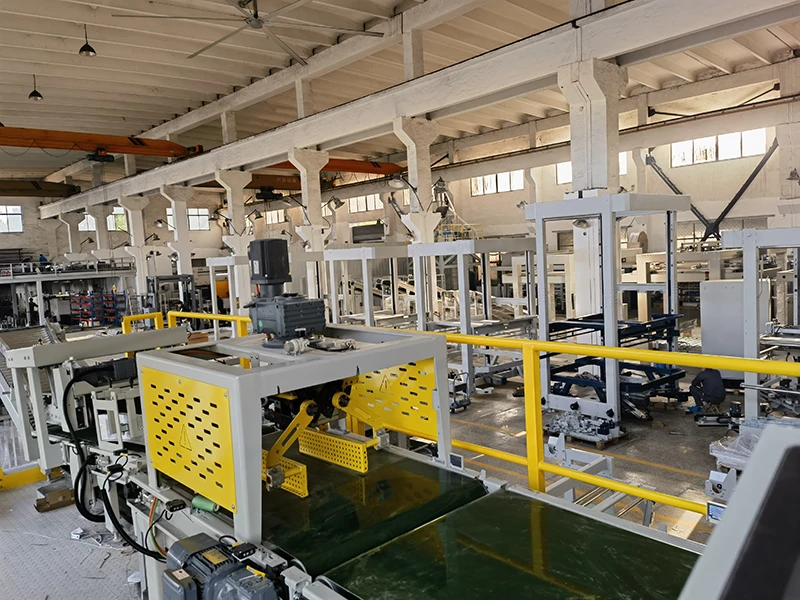
    FFS packaging line section with white machine frames, yellow guard rails, conveyors, and downstream handling units

    Where a 15 kg Dose Behaves Differently From 25 kg

    Salt works, flour mills, starch and dry-milk plants, fertiliser blenders and polypropylene granule producers usually sell in 25 kg or 50 kg units. The filling station, the sealer and the transfer conveyors are then built around a bag that is long, heavy and stiff enough to hold its own shape. Add a 15 kg pack for retail chains, farm supply or export pallets and nothing on the line is technically broken, yet the sacks look worse: the bag sits lower in the forming tube, the film has less weight pulling it straight, and the shorter filled height changes the geometry of every hand-off after the clamp opens.

    The common answer is a second line with a pre-made bag magazine and a sewing head. It runs, but it also adds a flat-bag warehouse, a second bag supplier, an extra operator and another changeover to schedule. A plant comparing a 15 kg bagging line against that route is really comparing two packaging logistics chains, not two filling heads.

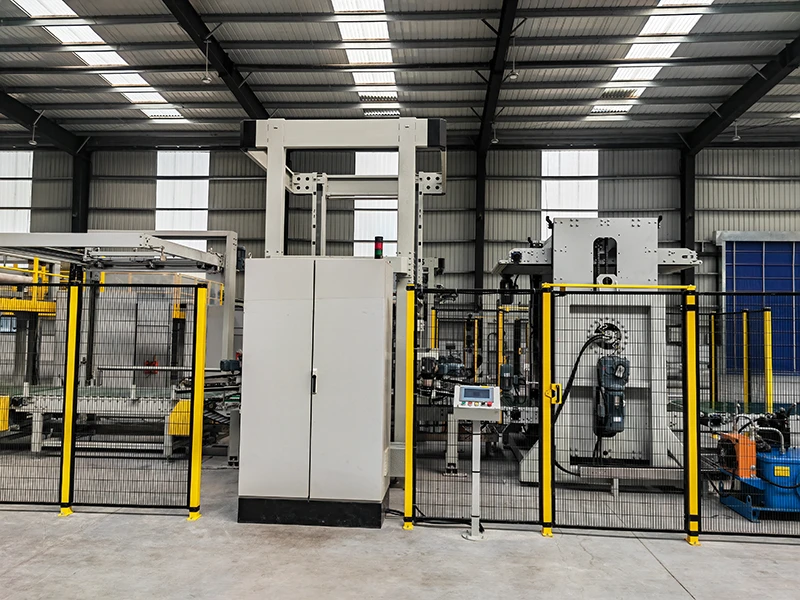
    Wide workshop view of FFS main machine, service platform, safety posts, and auxiliary packaging equipment
    The bag does not fail at the dosing screw.

    At 15 kg the failure is geometric. The sack leaves the clamp with slack in the film, drifts sideways on the belt and reaches the sealer with a skewed mouth and product sitting in the seam. Every one of those bags is a leaker waiting for a pallet to be stacked on top of it.

    How the 15 kg Bagging Line Forms, Fills and Closes the Sack

    On this 15 kg bagging line the bag does not exist until the machine makes it. Roll film is drawn over the forming collar, the vertical seam is welded, the bottom seam is welded and air-cooled, and only then does the weighing head release the dose into a sack that the clamp already holds square. Because the bag is formed to the film width you choose, a 15 kg format is a film width and a bag length rather than a stocked item.

    One machine covers 10 to 50 kg doses. Film width runs from 200 to 1200 mm and weighing accuracy sits at plus or minus 0.1 to 0.2 percent, so a shorter 15 kg fill still lands on weight. Output reaches up to 1200 bags per hour, and with high-level robotic palletizing the downstream nominal rate rises to 1500 to 2000 bags per hour. Both seams are cooled with pneumatic air from above and below, which matters most at 15 kg: a shorter fill height leaves less material to absorb heat, so a tacky seam curls the sack corner within a minute of leaving the machine. The electrical cabinet is built into the machine frame and the whole line needs roughly 5.5 x 5 x 6 m of floor.

    Film width decides the format. A 15 kg dose is a film-width and bag-length decision, not a magazine decision. Keep the clamp closed until the seam is cool and the sack stays rectangular all the way to the palletizer.

    Specifying a 15 kg Bagging Line: the Numbers That Decide the Result

    Buyers ask four questions before ordering. What film width does my 15 kg format need? What happens when the same product also ships in 25 kg? How square is the bag when it reaches the sealer? And what does the packaging material cost per tonne of product? The first three are answered by machine geometry. The fourth is answered by the material itself.

    Roll film in PE or PP costs more than 30 percent less than pre-made paper, woven or paper-plastic composite sacks, and because the bag is made inline there is no flat-bag warehouse and no inbound bag logistics to schedule. Optional metal detection and in-line checkweighing with reject close the loop on weight and contamination, which is what retail and export buyers audit first.

    Most of these lines end up in salt works, flour and starch plants, dry-milk and protein plants, fertiliser blending halls and granule producers that sell one product in two weights. The 15 kg format usually runs on the same machine as 25 kg with a film and bag-length change on the recipe, so the second weight stops being a second line. How that behaves on a bulk materials line is described in the 10 to 50 kg FFS bagging case.

    ParameterFFSline valueWhy it matters at 15 kg
    Film width200 to 1200 mmSets bag width; a 15 kg format uses less film than a 25 kg sack
    Dose range10 to 50 kg on one machine15 kg and 25 kg run on the same line with a recipe change
    Weighing accuracyplus or minus 0.1 to 0.2 percentAn overweight dose is a larger share of a short 15 kg fill
    Outputup to 1200 bags per hour1500 to 2000 bags per hour with high-level robotic palletizing
    Seam coolingpneumatic, top and bottomA tacky seam curls the corner of a short 15 kg sack
    Floor spaceabout 5.5 x 5 x 6 mCabinet sits on the machine frame, no separate electrical room
    Packaging materialPE or PP roll filmMore than 30 percent below pre-made paper or woven sacks
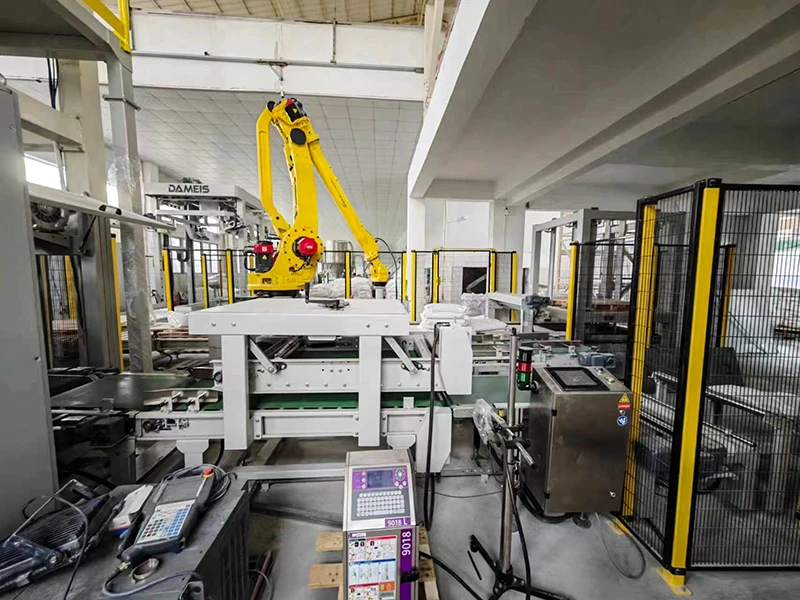
    Robotic palletizing station connected to FFS packaging line with yellow robot arm, conveyors, and safety fencing

    At the pallet the result is simple: a 15 kg sack that arrives rectangular, cool and correctly weighed. That is what the palletizer, the stretch wrapper and the retail chain actually see, and on a 15 kg bagging line it is the whole product.

    Need a 15 kg Bag From Roll Film Instead of a Magazine?

    Send the bag weight, the bulk density of the product and the film type you intend to run. We answer with a film width, a bag length and a line layout for your format, plus the changeover to 25 kg on the same machine.

    Send your bag specification
  • FFS Bagging Line for Bulk Materials: 10–50 kg Bags

    FFS Bagging Line for Bulk Materials: 10–50 kg Bags

    BPM FFSline · bulk material packaging

    FFS Bagging Line for Bulk Materials: Where a 10–50 kg Bag Is Actually Lost

    A salt, sugar, flour, fertiliser or polymer granule plant rarely loses output at the dosing screw. It loses it in the last metre, where a filled 25 kg sack turns, twists and reaches the closing station out of square. An FFS bagging line removes that metre: the bag is formed from roll film on the machine, filled while clamped, cooled on both seams and handed to the palletizer already square.

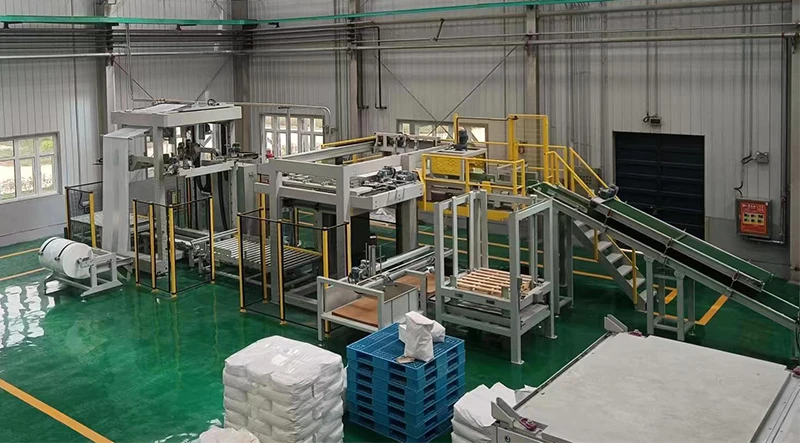
    Workshop panorama of FFS packaging system with white frames, yellow rails, green conveyors, pallets, and bag output area

    What Pre-Made Sacks Cost Before the Filler Ever Starts

    The conventional layout is familiar. Open-mouth woven polypropylene, kraft or laminated sacks arrive palletised, are loaded into a magazine, a pick-up head or an operator opens the mouth, a weighing head doses the product and a sewing machine closes the top. Each of those steps is a separate purchase, a separate spare-parts line and a separate failure point. Empty sacks need dry storage. Kraft softens in a humid season and stops feeding cleanly. Thread, needles and a sewing head carry their own maintenance rhythm.

    The stoppages that actually end a shift are mechanical only on the surface. An aerated powder or a free-flowing granule keeps moving after the dosing gate shuts, so the mouth will not stay open on its own. Dust leaves the open mouth during filling and settles on the thread path. And the packaging itself is the largest recurring cost in the whole exercise: woven, kraft and laminated sacks sit far above roll film per bag, and the empty sacks must be bought, trucked in and warehoused weeks before the first one is filled.

    Close factory view of FFS bag forming and filling section with guard rails, machine frame, and side conveyor
    A bulk plant’s four quiet losses

    Empty sack purchase and storage, sack rejects at the closing station, dust escaping an open mouth, and a filled bag that leaves the line out of square and jams the palletizer.

    Why an FFS Bagging Line Fits Bulk Solids From 10 to 50 kg

    The FFS bagging line builds the bag on the machine, around the product, from PE or PP roll film. Film width runs from 200 to 1200 mm at 7–11 µm thickness, formed as a flat or M-type gusset bag, so the same roll serves the whole shift and the bag only exists for the seconds it takes to fill it. There is no empty-sack warehouse, no magazine to reload every few hundred bags and no weekly delivery of pre-made packaging to schedule around.

    Filling is weight-based at ±0.1–0.2%, up to 1200 bags per hour on a single lane, with high-level palletizing reaching 1500–2000 bags per hour downstream. Both the bottom seam and the mouth seam are pneumatically cooled after the heating wire closes them, because a bag whose seams are still soft cannot be stacked — it deforms under the weight above it and the pallet leans by the third layer.

    What to specify, and how the machine answers it. Film width and gusset type are covered by the 200–1200 mm film range and M-type forming; bulk density and dust class are covered by the enclosed weigher body and IP65/IP66 protection with positive pressure in the control cabinet; bag weight is covered by the 10–50 kg fill range; and metal or weight contamination is closed by the optional in-line metal detector and checkweigher with reject.

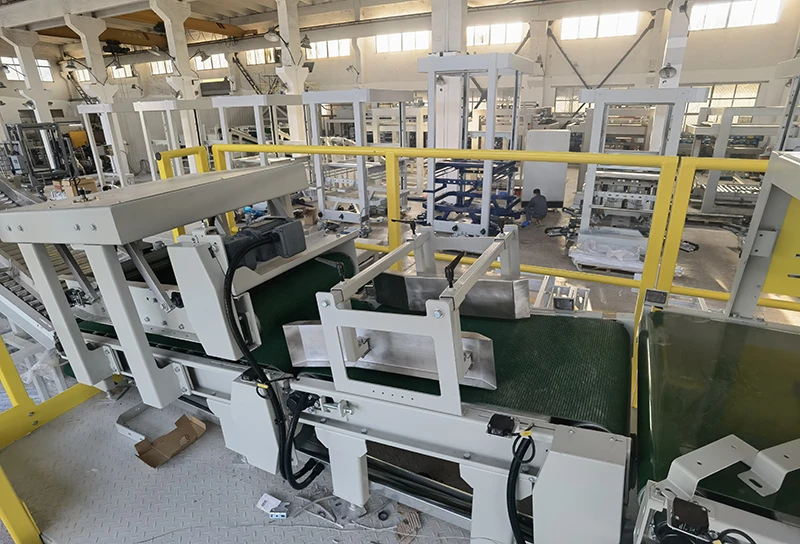
    Factory photo of an automated FFS bag placer with steel frame, conveyor drive, and safety guards

    Structure and Numbers Behind a Bag That Survives the Pallet

    On the FFSline the electrical cabinet is built into the packaging machine rather than standing beside it as a separate room, which keeps the whole cell near 5.5 × 5 × 6 m on the plant floor. Positive pressure inside the control cabinet keeps fine powder away from the electronics, the weigher body is fully enclosed, and an explosion-proof configuration — control cabinet, conduit and servo motors — is available where the product or the site classification demands it. Bag length and width change with the film and the forming collar, not with a new set of magazines.

    Downstream, the closed bag runs on a transfer conveyor with adjustable side guides that stop a 25 kg sack rotating before the palletizer grips it, and the palletizing station takes over at up to 1500–2000 bags per hour. The measurable result on an FFS bagging line is not only speed: roll film replaces paper, woven or laminated sacks at more than 30% lower material cost, the empty-packaging warehouse disappears, and bags arrive at the stretch wrapper square, sealed and dimensionally identical.

    ParameterFFSline specification
    Bag fill range10–50 kg per bag
    Dosing accuracy±0.1–0.2% of target weight
    OutputUp to 1200 bags/hour; palletizing 1500–2000 bags/hour
    Film width200–1200 mm
    Film thickness7–11 µm
    Film typePE or PP roll film, flat or M-type gusset bag
    SealingImported heating wire, pneumatic cooling on bottom and mouth seam
    Dust protectionIP65/IP66, fully enclosed weigher, positive pressure control cabinet
    Inspection optionsIn-line metal detector and checkweigher with reject
    Line footprintApprox. 5.5 × 5 × 6 m, cabinet integrated in the machine frame
    Automated FFSline bag palletizer with conveyor feed, safety fencing, and pallet stacking station

    Send the Product, the Bag Weight and the Film

    Tell us the bulk material, the target bag weight between 10 and 50 kg, the film you already buy and the floor space you have available. We will come back with a line layout, the film width and the palletizing rate for your site.

    Request an FFS line layout
  • Polypropylene Granules Bagging Line: 25 kg Bags

    Polypropylene Granules Bagging Line: 25 kg Bags

    PP resin · 25 kg roll-film sacks · compounding plant

    Polypropylene Granules Bagging Line: 25 kg Bags

    A polypropylene granules bagging line is judged at the palletizer, not at the dosing screw. PP resin flows like dry sand, keeps the air it swallowed on the way down, and leaves an open mouth the moment the sack is lifted, so the station that forms, fills, cools and closes the bag in one pass decides how many 25 kg sacks arrive square. FFSline builds that sack from PE or PP roll film on the machine, weighs the granules into it, cools both seams with air and hands the bag downstream already closed.

    FFS packaging line forming, filling and sealing polypropylene granules bags inside a factory hall

    From the silo to a closed 25 kg sack on one frame

    Picture a compounding plant with three resin grades and one packing hall. The line takes PP granules from a buffer hopper, doses them in a multi-head or linear weigher, drops them through the filling tube into a bag formed around that tube from roll film, and closes the bag with a horizontal and a vertical seam. There is no bag magazine, no pre-made sack to unstack, and no sewing head waiting at the end of the conveyor. Film arrives on one pallet; the bag is created about a metre before it is filled, which is also why a grade change costs minutes instead of a bag order.

    The scheme this replaces is still common in resin warehouses: flat-stacked woven or kraft sacks, a semi-automatic filler, a sewing machine and a pallet built by hand. It looks cheap on paper and costs on the floor. Granules leak at every transfer point, a sewn mouth admits humid air, the sack cannot be printed on all faces, and the empty bags need storage, handling and a truck of their own. Replacing the pre-made sack with roll film strips out that logistics layer and turns the bag into a process step rather than a purchased item.

    Upper bag heat sealing unit with guard fencing and receiving conveyor on a granules bagging machine
    Where a granules bag is actually lost

    Never at the dosing screw. A 25 kg PP sack fails in the one to three metres between the sealer and the palletizer: the seam is still hot, the film relaxes under load, the bag leans and the bottom corner splits on the belt edge.

    Why a Polypropylene Granules Bagging Line Fits PP Resin

    PP granules are free-flowing, slightly abrasive on film and heavy enough to load a seam the moment they settle. Fill a sack too fast and the material traps air: the bag bulges, the seam carries the weight, and the pallet goes soft by the second layer. A polypropylene granules bagging line answers that in three places. The weigher doses to ±0.1–0.2%, so bag weight is repeatable before a seal is made. The forming tube and the film guides keep the bag square while it fills. And the sealing station runs an Italian-made heating wire with pneumatic cooling on the bag bottom and at the bag mouth, so the seam is set rather than merely pressed.

    That cooling step separates a bag that rides a pallet from a bag that comes back as a claim. A hot seam dropped straight onto a conveyor keeps relaxing under 25 kg of resin; a cooled seam keeps its geometry and lets the bag stand upright on the palletizer infeed. The same station is where the film saving shows up: PE or PP roll film runs more than 30% below paper, woven or paper-plastic composite sacks, and the roll is recyclable, so the saving repeats every shift instead of once at purchase. Output on the reference layout reaches 1,200 bags per hour, with 1,500–2,000 bags per hour available when the palletizer receives bags at high level.

    Specify before you order. Three numbers decide the machine: bag weight, film width and seam type. FFSline covers 10–50 kg bags on 200–1200 mm film with a horizontal plus vertical seam, and the electrical cabinet is built onto the frame, so the line fits roughly 5.5 × 5 × 6 m with no separate control room. Optional metal detection and checkweighing with rejection sit inside the same line rather than in a second one.

    The structure behind the seal

    The photographs show two stations of a production polypropylene granules bagging line: the upper heat-sealing unit with its guard fencing and receiving conveyor, and the outfeed conveyor that carries the closed sack away. Guards are not decoration at this speed — a 25 kg granules bag leaves the sealer fast enough to damage anything it meets, and the maintenance points behind the fencing are reached from a platform rather than from a ladder.

    Downstream, the transfer conveyor uses adjustable side guides to stop a filled sack from drifting on the belt, so the palletizer receives a bag with a straight leading edge and a flat bottom. From there the robotic palletizer stacks layer by layer, the wrapper secures the finished pallet, and one operator at the HMI supervises the run instead of four people handling sacks by hand. Nitrogen flushing, explosion-proof electricals and remote diagnostics are specified where the resin grade or the site asks for them, and a metal detector with a checkweigher and reject arm closes the quality loop before the pallet is built.

    ParameterFFSline configuration for PP resin
    Bag weight range10–50 kg, 25 kg standard for polypropylene granules
    Dosing accuracy±0.1–0.2% bag to bag
    Capacityup to 1,200 bags/h; 1,500–2,000 bags/h with high-level palletizing
    Packaging materialPE or PP roll film, 200–1200 mm web width
    Sealinghorizontal and vertical seam, Italian heating wire, pneumatic cooling at bag bottom and mouth
    Footprintapprox. 5.5 × 5 × 6 m with the electrical cabinet integrated on the frame
    Quality controloptional metal detector and checkweigher with reject
    Optionsnitrogen flushing, explosion-proof electricals, remote diagnostics
    Transfer conveyor with adjustable guides carrying filled 25 kg granules sacks toward the palletizer

    Size the line around your resin, not around a catalogue bag

    Send BPM your bag weight, film grade and target output. We will configure the polypropylene granules bagging line, the weigher, the sealer and the palletizer as one continuous run and quote it as a single unit.

    Send your bag weight and output target
  • Pellet Bagging Machine: PE Bag Line for 25 kg Pellets

    Pellet Bagging Machine: PE Bag Line for 25 kg Pellets

    PE film bags for wood, feed and polymer pellets

    Pellet Bagging Machine: PE Bags Formed, Filled and Sealed Inline

    Pellets do not behave like flour. They roll, they abrade, they throw fines onto the seal faces — and a 25 kg polyethylene bag filled with them is judged at the pallet, not at the spout. A pellet bagging machine forms the bag from PE roll film on the frame, fills it on load cells to ±0.1–0.2%, cools the bottom and top seams before release and hands a square bag to the outfeed conveyor.

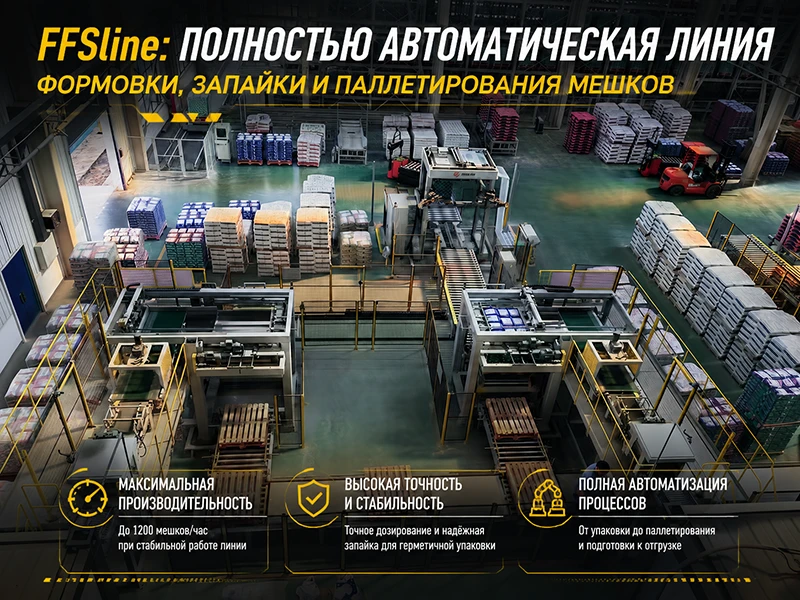
    Overhead factory view of a pellet bagging machine line with conveyors, platforms, forklift lanes and palletized bags

    Why premade bags and sewn sacks fail on pellets

    Most pellet plants start with a premade open-mouth PE bag or a woven PP sack closed by a sewing head. Woven sacks are cheap per unit but they breathe: wood pellets pick up moisture in an unheated store, feed pellets cake at the bag face, and PP granules take on contamination between the bagging hall and the extruder hopper. Premade PE bags solve the moisture side but add a second supply chain — bags are ordered by format, stored flat, fed one at a time from a magazine, and every format change becomes a machine setup with a stack of leftover stock behind it.

    Abrasion is the second cost, and it is the one nobody budgets for. Pellets sliding down a filling spout rub against each other and against the tube wall, and the fines they generate settle exactly where the seam has to close. On a sewn sack this shows up as sifting at the needle line; on a heat-sealed PE bag it shows up as a pinhole that only opens after the pallet has travelled and been stacked twice. That is the point where a pellet bagging machine has to be judged: not at the spout, at the seam, and not on the day of commissioning but on the pallet.

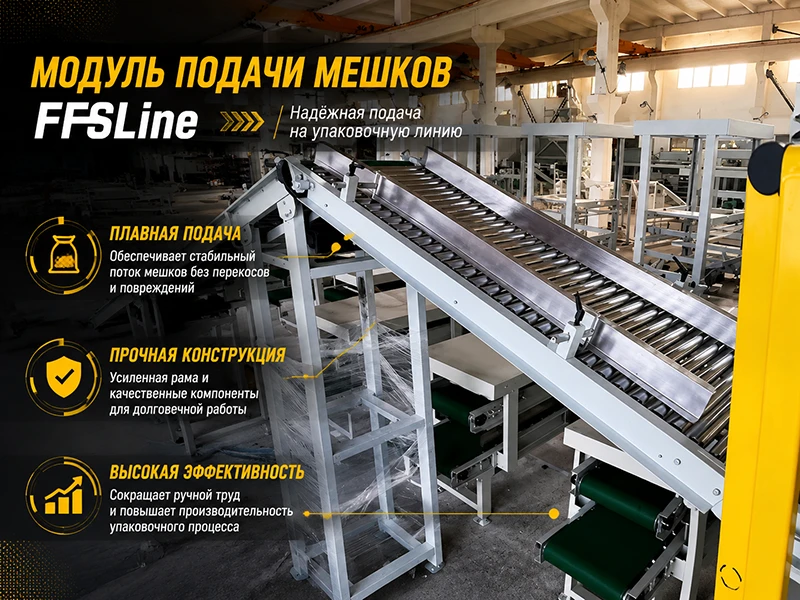
    PE film bag feeding module of a pellet bagging machine with inclined roller conveyor and steel frame
    The cost that never appears on the quotation

    Premade bag logistics, fines at the seam, moisture pick-up in store and a bag that collapses on the palletizer. All four are decided before the product is weighed, which is why the front of the line matters more than the dosing screw.

    What a pellet bagging machine changes in the layout

    The FFS route deletes the premade bag from the supply chain. A roll of PE tubular film is mounted on the unwind, the bag former turns the flat film into a tube, the vertical seam is closed, and the bottom seal is made and pneumatically cooled before a single pellet is dosed. Film width from 200 to 1200 mm covers formats roughly between 10 and 50 kg, so a plant running 25 kg retail bags and 50 kg export bags uses the same machine and changes a recipe instead of a bag warehouse.

    Dosing runs on load cells with a servo-driven weighing hopper, holding fill weight to ±0.1–0.2% across the 10–50 kg range — tight enough that a checkweigher becomes a confirmation step rather than a rework loop. On this pellet bagging machine the horizontal seal is made with an Italian heating wire and cooled on both faces by pneumatic plates, which is what keeps a PE bag with 25 kg of pellets pressing on the fold from thinning out at the jaw. Pulling rollers index the film in step with the dosing cycle, so a printed panel lands in the same place on every bag and the palletizer gripper always finds the same edge.

    Field note: pellets with a high fines content dose better through a short-drop outlet. A shorter fall means less abrasion inside the tube and less dust settling on the seal faces, so the outlet geometry should be set for your bulk density and pellet size rather than shipped at a default.

    Structure and numbers to fix before the line is quoted

    A pellet bagging machine is quoted from four numbers: bag format, film width, output and downstream. The FFSline runs forming, filling and sealing at up to 1200 bags per hour, and with a high-level palletizer the end of line reaches 1500–2000 bags per hour. The cell sits on roughly 5.5 × 5 × 6 m with the electrical cabinet integrated into the machine frame, which keeps cable runs short and lets the line drop into an existing dispatch hall instead of demanding a new bay.

    After the seal, bags transfer on a flat belt with adjustable side guides, pass a metal detector and checkweigher where specified, and arrive at the palletizer square and settled. Film is the other saving: PE roll film costs at least 30% less per bag than paper sacks, paper-plastic composites or woven PP, and because the bag is made inline there is no premade bag freight, no flat-bag storage and no obsolete stock when the retail format changes. For granules and pellets the same pellet bagging machine also covers nitrogen flushing for oxygen-sensitive product and an explosion-proof execution where the dust classification requires it.

    ParameterValue
    Bag typePE tubular film bag, pillow or M-gusset, formed inline
    Fill range10–50 kg
    Film width200–1200 mm
    Fill accuracy±0.1–0.2%
    OutputUp to 1200 bags/h forming, filling and sealing
    Output with palletizer1500–2000 bags/h end of line
    SealingVertical seam plus horizontal seal, Italian heating wire, pneumatic dual-face cooling
    Line footprintApprox. 5.5 × 5 × 6 m, electrical cabinet integrated
    OptionsMetal detector, checkweigher with reject, nitrogen flushing, explosion-proof execution
    Materials handledWood and feed pellets, PP and PE granules, mineral granules

    Send the pellet, the bag weight and the output you need

    Tell us the material, its bulk density, the bag weight and the bags per hour you have to ship. We will come back with a pellet bagging machine layout showing film width, seal configuration and the downstream stations sized to those numbers.

    Request a line layout
  • FFS Bagging Line for 25 kg Polyester Sacks

    FFS Bagging Line for 25 kg Polyester Sacks

    25 kg sacks formed from roll film

    FFS bagging line for 25 kg polyester sacks

    A polyester or PE film sack is soft, slippery and about 40 grams lighter than a woven bag. When a plant moves 25 kg fill into that format, the bottleneck is rarely the dosing screw — it is the bag shape at the moment the seal closes. An FFS bagging line forms the sack on the machine, fills it through the same tube and seals it in line, so there is no empty bag to open, square up or sew.

    Factory-installed high-speed FFS bagging line with steel frame, forming tube, and safety guardrails

    Where the old sack and sewing setup loses 25 kg bags

    Most plants still filling polyester, woven PP or kraft sacks buy the bag as a finished article. That means a bag magazine, a bag placer, a clamp, a sewing head, a thread supply and a crease line where the bag was folded on a pallet. Every one of those steps adds an interface where a 25 kg sack can be dropped, twisted or under-sewn.

    The loss is measurable. A pre-made film sack arrives flat and folded, so the mouth must be opened by suction and held square while 25 kg of product falls through it. If the clamp slips a few millimetres, the bottom gusset sits crooked, the sack leans on the conveyor and the sewing head catches one face only. Multiply that by a sewn seam that lets moisture through, and a reject pallet at the end of the shift is normal. The second cost sits upstream of the filler: buying, storing and trucking empty bags, then paying to move them back as waste.

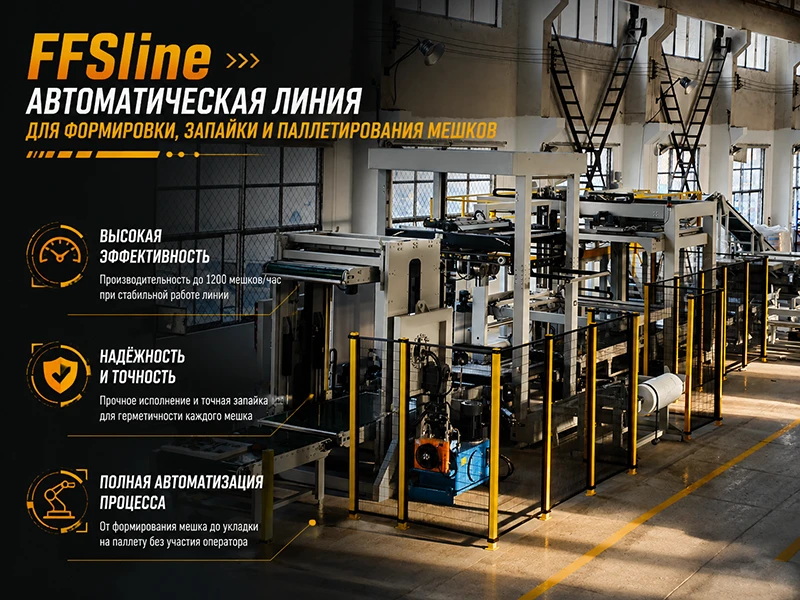
    FFS bagging line forming, sealing and palletizing modules with safety fencing in a production hall
    The real cost of a loose 25 kg mouth

    A sack that leaves the filler 15 mm out of square will not sit flat on a pallet layer. The palletizer either rejects it or builds a leaning stack that collapses in the truck — and the sewing thread does not stop moisture ingress on a polyester film sack the way a heat seal does.

    How an FFS bagging line handles a soft 25 kg film sack

    The FFSline takes heavy-gauge PE roll film, typical working range 200–1200 mm film width and 7–11 µm film thickness, and runs it over a forming collar into a tube. Product is dosed into the tube, the bottom seal closes, the sack is pulled to length and the top seal closes on the same cycle. Because the bag is made around the product, the sack is square by construction — there is no empty bag to open and no mouth to hold while filling.

    Seal quality is what protects a 25 kg load. The FFSline uses imported Italian heating wire for the seal bar, and both the bottom and the mouth seal are cooled pneumatically straight after the weld, so a thick film is not weakened by residual heat when the sack drops onto the take-away conveyor. A 25 kg impact is not the place to discover a seal was welded too hot.

    Field note: on film sacks, seal integrity is a cooling problem before it is a temperature problem. Pneumatic cooling on both seams lets the belt run faster without trading seal strength for output, and it keeps a 25 kg sack from bursting at the palletizer instead of at the customer’s silo.

    Specifications that decide output and cost per sack

    Film cost is the reason most plants ask about an FFS bagging line in the first place. Roll film for in-line bag making runs more than 30 percent cheaper than kraft, woven or laminated pre-made sacks, it is recyclable, and it removes the empty-bag warehouse entirely — film arrives on a roll, not on forty pallets. The same line carries the sack through forming, filling, sealing, transfer and palletizing, so the labour that used to open and square bags moves to supervision.

    Throughput is set by the film path, not by the weigher. On the FFSline, bag forming and sealing keep pace with a dosing accuracy of about ±0.1–0.2 percent, up to roughly 1200 bags per hour at the machine and 1500–2000 bags per hour where a high-level palletizer takes the finished sacks. The cabinet is built onto the machine frame, and a typical line footprint sits around 5.5 × 5 × 6 m, so a plant replacing a bag magazine, sewing line and thread supply can recover floor space rather than add it.

    ParameterFFSline working valueWhat it changes on a 25 kg sack
    Bag formatFormed in line from PE / PP roll filmNo pre-made bag magazine, no bag placer
    Film width200–1200 mmSets sack face width and gusset depth
    Film thickness7–11 µm heavy-gauge roll filmPuncture resistance under a 25 kg drop
    ClosureHeat seal, Italian heating wire, pneumatic cooling on both seamsMoisture-tight seal instead of a sewn seam
    Dosing accuracy±0.1–0.2%Fewer underweight sacks at the checkweigher
    OutputUp to 1200 bags/h at the machineMatches palletizer rate, not weigher rate
    FootprintApprox. 5.5 × 5 × 6 m, integrated control cabinetReplaces magazine, sewing head and thread supply

    Downstream, the same FFS bagging line can be fitted with a metal detector and a checkweigher with reject, and with an explosion-proof cabinet, piping and servo drives where the product is a combustible powder. The finished sacks leave on a conveyor and can be handed to a robotic palletizer, which is where the last shape problem is solved: a sealed film sack with a flat, cooled seam stacks predictably from the first layer.

    Fully automated FFS bag forming, sealing and palletizing line with conveyors for 25 kg sacks

    Specify your 25 kg sack before you order film

    Send us the product, the bulk density and the target bags per hour. We will come back with the film width, seal configuration and palletizer handoff that fit the sack you actually need, not a catalogue format.

    Send your sack specification
  • Granule Packaging Machine: FFS Line for 25 kg Bags

    Granule Packaging Machine: FFS Line for 25 kg Bags

    FFS LINE · GRANULE BAGGING

    Granule Packaging Machine: Keeping 25 kg Bags Square to the Pallet

    A fertiliser or resin plant that buys a granule packaging machine is not buying a weigher. It is buying a film width, a bottom seal that survives the first 25 kg of drop, and a bag that is still square enough for a palletizer to pick up eight hours into the shift. FFSline forms the bag from PE roll film on the machine, cools the bottom seal before dosing, cools the mouth seal after dosing, and hands a square bag downstream.

    Twin-lane granule packaging machine line with elevated platforms, safety railings, and modular conveyor sections in a factory

    Where a 25 kg granule bag is actually lost

    Take a blended NPK plant running 25 kg pre-made woven bags through a net weigher, a bag placer and a sewing head. At 400 to 500 bags an hour the line looks healthy in the monthly report. The losses sit in three places that nobody invoices separately: the bag magazine, the last two metres of conveyor before the sewing head, and the pallet that never gets built square enough to pass a stretch hood without a manual reshape.

    All three losses start with the same root cause. The bag was made in another factory, to another tolerance, and arrives with its own stiffness, its own gusset memory and its own humidity. In a wet week the bags stick in the magazine and the operator peels them apart by hand. In a dry week the mouth curls and the sewing head receives a bag already rotated two degrees, so the seam walks off the edge. A granule packaging machine built on the FFS principle removes most of that variance, because the bag is formed on the same frame that fills it, seconds before filling, from film held at one controlled tension.

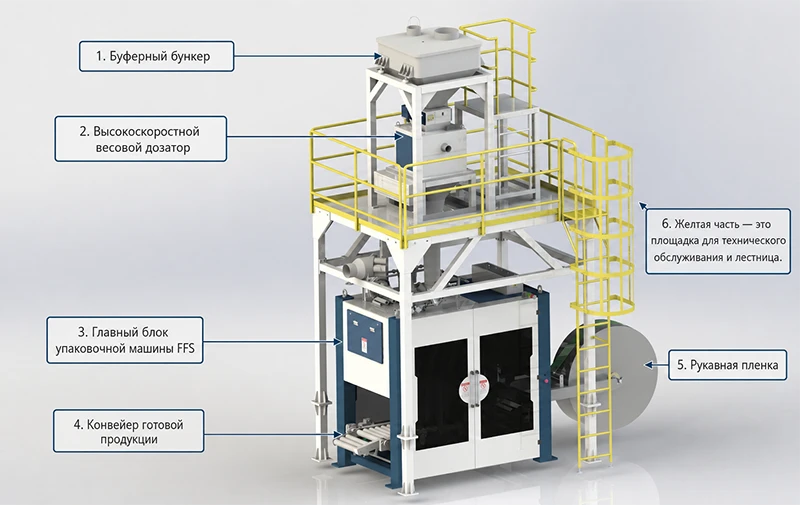
    Annotated FFS packaging machine diagram showing film forming, filling, control area, and service points
    The three costs buyers under-budget

    Labour for bag placing, mouth straightening and pallet stacking; one bag size of premade stock per SKU, ordered months ahead; and pallet rejects at the stretch hood, where a leaning stack is unloaded and rebuilt by hand before it can be shipped.

    Why film forming changes what the bag does under load

    The first structural answer is the seal sequence. In an open-mouth line the bag already exists, so the bottom is only as strong as the bag maker’s seam. On FFSline the tube is formed from M-type PE film, the bottom is sealed and then actively cooled before the product arrives. That cooling station is not cosmetic: it is what keeps a hot bottom seam from being pushed open by the impact of 25 kg of granule falling into it. The same logic repeats at the top, where the mouth is sealed and cooled again after weighing, so the bag reaches the flattening and coding stations closed rather than merely pinched.

    The second answer is feed continuity. Granules with a wide particle size spread, or ammonium phosphate that bridges in a hopper, punish any packaging line that has no buffer. A 3 m³ transition silo between the plant and the weigher absorbs the difference between a steady upstream flow and a batch that arrives late; for bridging-prone fertiliser grades an anti-bridging or vibration arrangement and a sampling point can be engineered into the same silo. A granule packaging machine without that buffer is a machine that runs at whatever rhythm the upstream dryer allows.

    What to inspect on site: run an empty-film cycle and watch the former, not the weigher. A former that walks or a film that drifts sideways will produce a bag that fills acceptably and seals badly, and it will only show up as complaints at the pallet.

    Structure and settings that decide the finished bag

    The hardware on a granule packaging machine of this class is inspectable and finite. Film runs from a roll up to roughly 1500 mm outside diameter on a 150 mm core, through a forming collar that turns a flat web into an M-type tube at 350 to 450 mm film width. A single-head servo weigher doses the target weight into the clamped tube, the mouth is sealed, cooled, and the bag is released to the outfeed where a flattener squares it before coding. Everything downstream of that point, from checkweigher and reject to bag labelling, pallet labelling and stretch hood, is a configuration decision rather than a fixed part of the machine.

    Rate is where catalogue numbers mislead. The 2024 ammonium phosphate scheme was engineered around 500 bags/h on 25 kg bags; project references for free-flowing granules discuss the 1,000 to 1,200 bags/h class. Which figure applies to your plant depends on bulk density, particle size uniformity, moisture, how continuously the silo is fed, and the acceptance terms written into the contract, so a supplier who quotes one figure for every material is quoting a preference, not a capacity.

    ItemReference valueNotes
    Bag materialPE or PP roll film, M-type tubeBag is formed on the machine, not premade
    Film width350 – 450 mmSets the flat bag width
    Film thickness0.14 – 0.18 mm typicalConfirm with film supplier per project
    Roll sizeMax OD approx. 1500 mm, core 150 mmDrives roll change interval
    Bag weight range20 kg, 25 kg, 50 kgRecheck against material density
    Design rate (project)500 bags/h on 25 kg2024 ammonium phosphate scheme
    Rate class (free-flowing)1,000 – 1,200 bags/hMaterial and acceptance dependent
    Main machine powerApprox. 25 – 30 kWFull line utilities calculated separately
    Air consumptionApprox. 3,000 – 3,500 L/minMachine only, not full line
    Upstream buffer3 m³ transition siloAnti-bridging option for fertiliser

    The end of the line decides whether any of that matters commercially. A granule packaging machine that produces square, cooled, coded bags but still needs two people to stack them has moved the labour problem, not solved it. Where the target sits above roughly 1,000 bags/h, a high-level palletizer generally fits the continuous rhythm better than a robot cell; below that, a robotic palletizer with safety fencing is often the more flexible choice, especially when bag sizes change between campaigns. Pallet magazine, full-pallet labelling, cold stretch hood and forklift outfeed complete the loop from film roll to shippable pallet.

    FFSline robotic palletizing system with guarded conveyor and gantry gripper receiving 25 kg granule bags

    Specify a granule packaging machine against your material

    Send the material name, bulk density, bag weight, hourly target and available floor space. You get back a film width, a bag format, a silo and outfeed arrangement, and the acceptance figures that belong to that configuration, rather than a catalogue rate that has to be renegotiated later.

    Request a line layout
  • PE Pellet Packaging Machine: Film Width and Bag Weight

    PE Pellet Packaging Machine: Film Width and Bag Weight

    FFSline · Polyethylene pellets

    PE Pellet Packaging Machine: Film Width and Bag Weight

    A polyethylene pellet plant that buys a PE pellet packaging machine is really buying a film specification, a bag geometry and a seal that has to survive a 25 kg drop. Pellets flow freely, so dosing is rarely the weak point. BPM FFSline forms M-type bags from PE roll film in line, cools both seals and hands a square bag to the palletizer.

    BPM FFSline PE pellet packaging machine with enclosed forming, filling, sealing and palletizing modules installed in a factory

    Where a PE pellet packaging machine loses bags

    The losses on a pellet line almost never start at the weighing head. Polyethylene granules pour faster and cleaner than powder, so the weigher usually reaches its set weight inside the cycle. What breaks is downstream: the bag body, the seam and the pallet. A plant still running pre-made woven or paper sacks adds a magazine, an opening station, a sewing head and a bag straightener, and each of those stations carries its own jam. When the bag is formed from roll film on a PE pellet packaging machine, film feed, forming, filling and sealing sit on one frame, and the bag geometry stops depending on how a pre-made sack happened to be stacked.

    The second loss is thermal. A 25 kg charge of pellets hits the bottom seam in a fraction of a second, and if that seam is still warm, the film stretches just enough to open a hairline at the gusset. The bag passes a visual check at the spout, then leaks fines onto the conveyor, the checkweigher and the pallet. On FFSline the bottom seal, the mouth seal and the cooling section are separate stations with their own dwell times, so the bag arrives at the transfer conveyor with both seals set rather than still soft.

    Film unwind stations and forming frames on a PE pellet packaging machine forming M-type bags from PE roll film
    The complaint we hear most from pellet plants

    Bags leave the machine looking square and reach the palletizer with a wrinkled or split mouth seal. Operators blame the filler and ask for a slower cycle; the real cause is film tension and cooling time, not dosing accuracy.

    How the FFSline PE pellet packaging machine matches the material

    The film side is decided first. FFSline runs PE or PP heavy roll film in an M-type gusset, with a standard film width of 350–450 mm, a maximum roll outside diameter of about 1500 mm and a 150 mm core. Common film thickness sits at 0.14–0.18 mm, and project ranges of 0.12–0.20 mm or 0.125–0.25 mm exist, so the gauge is confirmed with the film supplier before the forming collar is set. The film is drawn over the collar, the vertical seam is closed, the bottom seam is made and cooled, and only then does the 25 kg charge enter the bag. That order is why the same PE pellet packaging machine can hold bag shape on a material that pours as fast as pellets.

    The dosing side is deliberately simple: a single-head servo weigher on a 25 kg range, fed from a 3 m³ transition hopper that absorbs silo surges and keeps the cycle continuous. For grades that cake or bridge, the hopper can be configured with vibration or anti-bridging and a sampling point. After sealing, the bag can pass metal detection and a checkweigher that rejects underweight and overweight bags before they ever reach the palletizer, and the bag body is squared by a shaping station so the pallet stack is straight. Capacity is quoted against the material, not as a fixed headline: 500 bags/h is the design basis of the 2024 ammonium phosphate project, while 1,000–1,200 bags/h is the level stated for suitable free-flowing material — both depend on granule size distribution, moisture, continuous feed and the acceptance conditions written into the contract.

    What we tell buyers before quotation: a PE pellet packaging machine is sized from three numbers — bag weight, film width and the number of bags per hour the silo can actually support. Send those three and the layout follows; ask for a capacity figure alone and every supplier will quote a different line.

    Specifying a PE pellet packaging machine

    Most pellet projects that go wrong start from a bag weight that was never matched to film width, or from a downstream scope that stopped at the sealing head. A 20 kg, 25 kg and 50 kg mix on one line is workable, but the bag geometry, film gauge and bulk density have to be checked together, not one at a time. The table below lists what an FFSline PE pellet packaging machine is built to, and what still has to be confirmed per project.

    Each item below is answered by a physical arrangement on the machine rather than a promise: the 3 m³ hopper answers the interrupted-feed problem, the separate cooling section answers the warm-seam problem, the checkweigher with reject answers the overweight bag leaving the plant, and the palletizer with pallet magazine and stretch hood answers the demand for a forklift-ready pallet instead of a stack of loose bags. Downstream metal detection, labelling, coding and cold stretch hooding are configured per project, so they are quoted as scope, not assumed as standard.

    ItemFFSline referenceTo confirm per project
    Bag materialPE or PP heavy roll film, M-type gussetFilm supplier, seal layer, gusset depth
    Film width350–450 mm standardBag width and finished bag face
    Film rollMax OD approx. 1500 mm, core 150 mmRoll handling and splicing space
    Film thickness0.14–0.18 mm typicalProject range 0.12–0.25 mm with film maker
    Bag weight25 kg standard, 20 kg and 50 kg possibleBulk density and bag geometry
    Design capacity500 bags/h project basis; 1,000–1,200 bags/h level for suitable materialFlowability, granule uniformity, moisture, feed continuity, acceptance terms
    Buffer feed3 m³ transition hopperAnti-bridging, vibration, sampling if the grade cakes
    UtilitiesMain machine approx. 25–30 kW, air approx. 3,000–3,500 L/min; line-level totals differFull line power and air balance
    Downstream scopeCheckweigher with reject, metal detection, shaping, coding, labelling, robot or high-level palletizer, pallet magazine, stretch hoodWhich stations are in contract scope
    Finished 25 kg PE pellet bags leaving the packaging machine on a guided transfer conveyor with adjustable guide rails

    Size a PE pellet packaging machine on your own numbers

    Send the pellet grade, the bag weight you sell, the film width you can source and the free floor area in the hall. BPM will answer with the machine arrangement, the dosing and buffer scope, and the downstream stations needed to reach a forklift-ready pallet.

    Request a line proposal
  • Pellet Packaging Line: 25 kg Bags From Film Roll to Pallet

    Pellet Packaging Line: 25 kg Bags From Film Roll to Pallet

    FFS packaging line · 25 kg heavy bags

    Pellet Packaging Line: 25 kg Bags From Film Roll to Pallet

    A pellet packaging line is judged after the seam cools, not at the dosing spout. BPM FFSline forms the bag from 350–450 mm PE film on the machine, fills 25 kg bottom-up, cools both seals and hands a square bag to the palletizer.

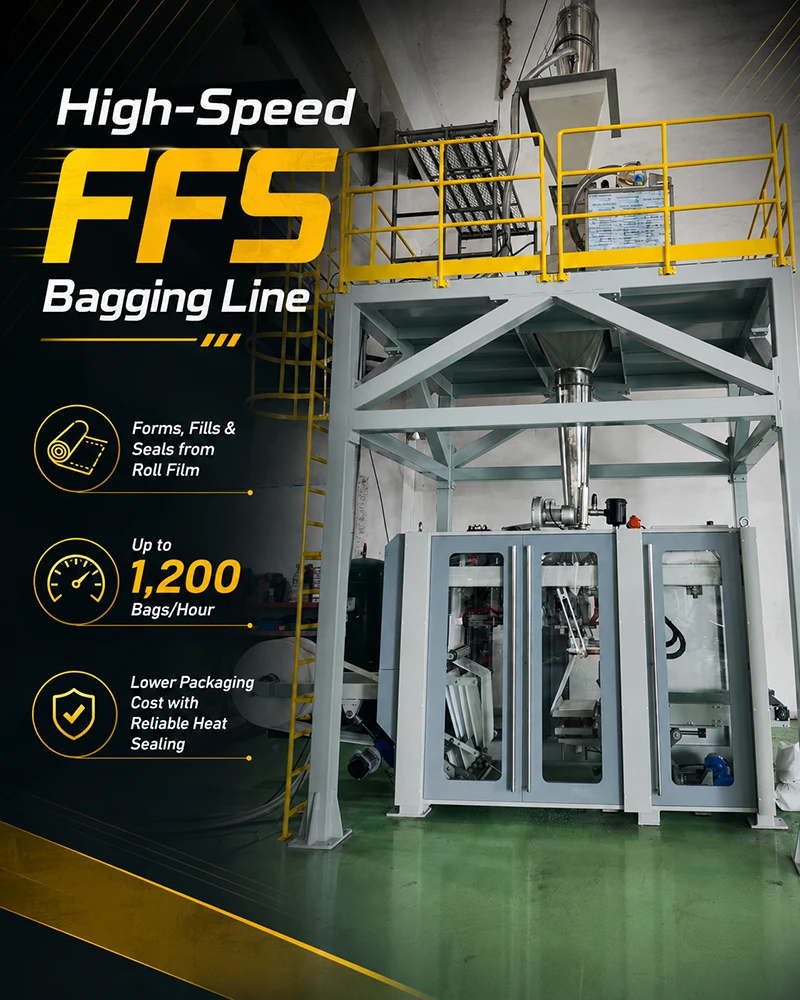
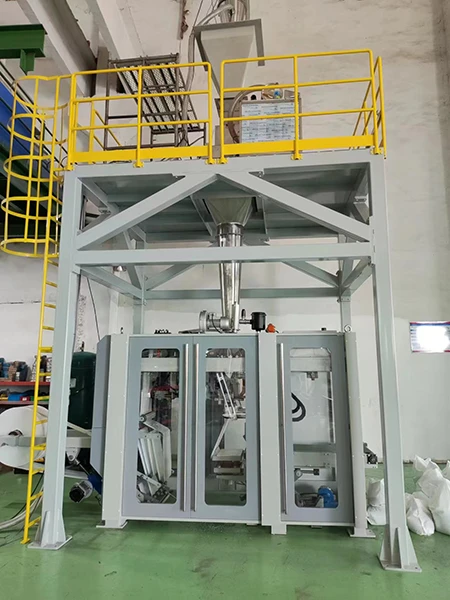
    Front view of an FFS heavy-bag machine on a pellet packaging line with elevated platform, yellow safety rails, buffer hopper and enclosed cabinet

    Where a 25 kg pellet bag actually loses its shape

    A pellet plant moving from 50 kg open-mouth sacks to 25 kg film bags usually starts with the layout it already knows: a magazine of pre-made bags, an operator holding the bag mouth under the spout, and a sewing head at the end of a short belt. That layout works at low weight and low rhythm. Once the bag holds 25 kg of pellets, the mouth is clamped by a hand instead of a frame, so it is never square. The filled bag drops onto the belt, twists, and reaches the sewing head at an angle. The seam takes the full impact of the falling product, and by the third layer the pallet stack leans. Maintenance then spends the shift chasing leaks instead of running material.

    FFSline takes the other route: the bag is made on the machine from a PE or PP roll — a common M-fold heavy film between 0.14 and 0.18 mm, film width 350–450 mm, roll outside diameter up to about 1,500 mm on a 150 mm core. Because the bottom seam is formed and cooled before the first pellet enters the bag, the impact of 25 kg lands on a seam that is already set, not on one that is still warm. That single detail is the structural difference between a form-fill-seal pellet packaging line and a magazine-fed bagger.

    Upper-bag heat sealing unit of a pellet packaging line with safety fencing and conveyor integration
    Old layout: four people per shift and a twisted bag every few minutes

    The clamp is a hand, the mouth is never square, the sewing head receives a bag at an angle, the pallet is rebuilt at the end of the shift, and the same crew also carries, labels and stacks the bags.

    Why the FFS route fits pellets

    Pellets flow well, so the risk is not dosing accuracy but continuity. A 3 m³ transition hopper buffers the front end; on materials that bridge or cake, it can be quoted with vibration or arch-breaking and a sampling point. Design output for the 2024 ammonium phosphate reference project was 500 bags/h, and the same line family is discussed in the 1,000–1,200 bags/h class for well-flowing granules. Both figures are design levels: a pellet packaging line is sized on bulk density, particle-size spread, moisture, feed continuity and the acceptance terms, not on a catalogue number.

    The seal is the second reason. The top sealing station closes the bag and holds it against a cooled plate, so the seam is set before the bag enters the first transfer. In the photo above, the upper-bag sealing unit sits inside its own fencing with the outfeed conveyor already aligned to the sealing plane. The bag is not lifted or rotated between sealing and transfer, and that is where most twisted bags in pellet and fertilizer plants come from.

    Field note: Cooling is a structural station, not a cosmetic one. A warm seam meeting a 25 kg bag that falls onto a conveyor is the most common source of leaks we are asked to solve. Ask any supplier where the seam is cooled, and for how long.

    What the bag meets between the spout and the pallet

    A finished pellet packaging line does not end at the bagger. Weight is rechecked and out-of-tolerance bags are rejected, the bag is flattened and coded, and the pallet is labelled separately from the bag. Those are two traceability tasks: the bag label carries batch, date and shift that the buyer reads on the shelf; the pallet label carries the logistics identity of the whole load. One labelling station cannot do both jobs, and plants that try usually end up handwriting one of them.

    Palletizing is selected by rhythm and floor space. Above roughly 1,000 bags/h a high-level palletizer keeps pace with a continuous stream without stopping the bagger; at lower outputs a robotic cell is enough and takes less room. The photo above shows the robotic end of a line, with infeed conveyor and fencing already tied into the bagging cell. Automatic pallet magazines, cold stretch hood and full-pallet labelling are added when the plant ships by pallet rather than by unit — and each of them changes the layout, so they belong in the first drawing, not in a later retrofit.

    SpecificationTypical value / note
    Bag materialPE or PP roll film, M-fold heavy bag
    Film thickness0.14–0.18 mm typical, confirmed per supplier
    Film width350–450 mm
    Film rollOD up to about 1,500 mm, 150 mm core
    Bag weight20 / 25 / 50 kg by bag type and bulk density
    Design output500 bags/h reference; 1,000–1,200 bags/h class — material and acceptance dependent
    Main machine powerAbout 25–30 kW; line level about 40 kW class
    Air demandAbout 3,000–3,500 L/min at the main machine
    Downstream optionsMetal detection, checkweighing and reject, coding, bag and pallet labelling, palletizing, stretch hood

    Size a pellet packaging line against your bag and your material

    Send the bag weight, film type, bulk density and target output. We come back with the forming section, filling and sealing stations, downstream check and palletizing layout drawn for your floor.

    Send your bag details
  • 25 kg Powder Bagging Line: Dust Control at the Bag Mouth

    25 kg Powder Bagging Line: Dust Control at the Bag Mouth

    Powder bagging · bag mouth and dust control

    25 kg Powder Bagging Line: Dust Control at the Bag Mouth

    A dairy or flour plant rarely replaces a filler because the dosing screw is slow. The complaint that starts the project is quieter: powder escapes at the bag mouth, the seam area is dirty, and someone stands at the last metre wiping and straightening every bag by hand. A 25 kg powder bagging line has to solve that mouth problem before it solves anything else, and that is exactly where a free-fall filler stops being useful.

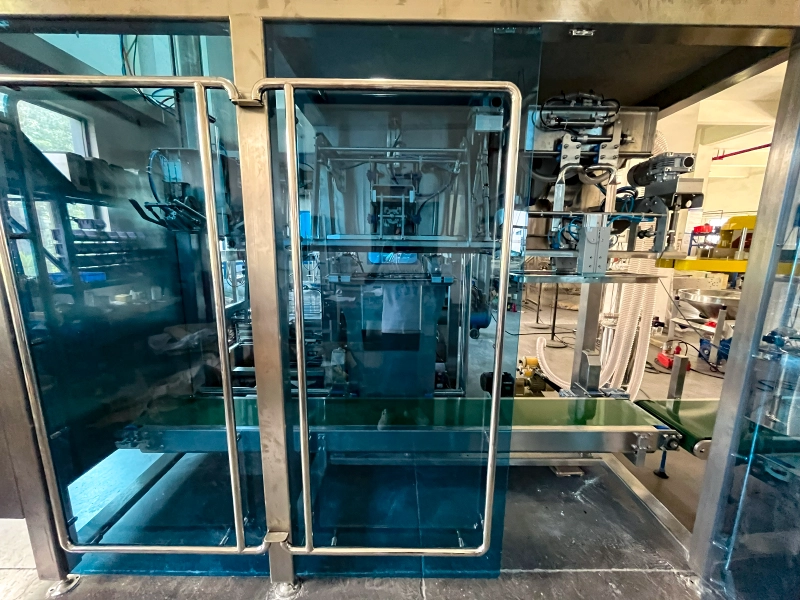
    Real factory photo of enclosed automatic bagging station with stainless steel guarding and green conveyor belt

    Where the dust at the bag mouth actually comes from

    Free-fall filling is still the default on a lot of older 25 kg powder bagging line layouts. The bag hangs on two hooks or is held upright by an operator, powder drops from a fixed spout into an open mouth, and the displaced air carries fine particles upward. On milk powder, flour, starch and blended food powders that cloud is not a cosmetic issue: it settles inside the mouth fold, on the inner liner and along the paper-tape path.

    The consequences chain fast. The sewing head stitches through powder, the heat-sealing bar presses contaminated film, and the seam either leaks or is caught later at the checkweigher. Operators compensate the only way they can, by wiping the mouth with a cloth and re-straightening the bag before closure. On a 25 kg powder bagging line running 1.5–2 bags/min that becomes a standing job, and it is the step plants ask us to remove.

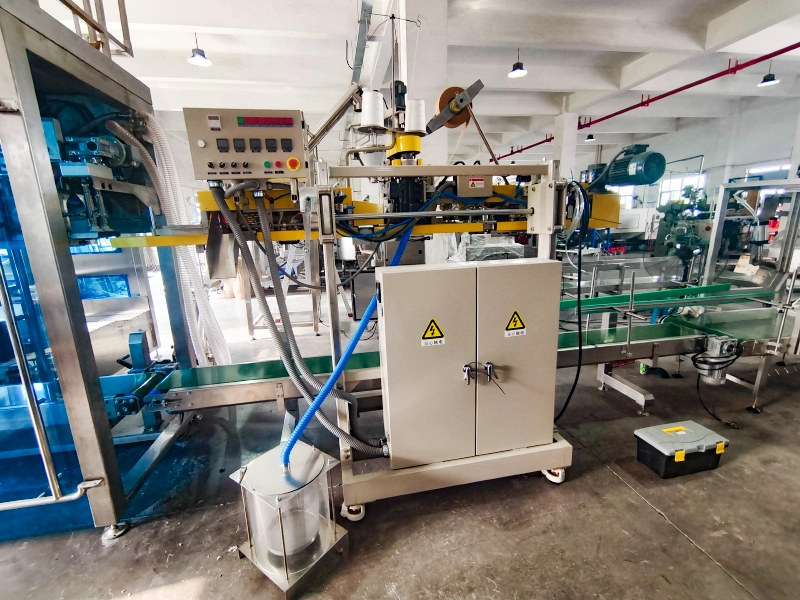
    Real factory shot of a Mipline automatic bagging station with conveyor, control cabinet, and vacuum hose
    The pattern we see in plant audits

    A fixed spout, a bag held by hand, a dusty mouth, and a manual wipe just before the sewing head. The 25 kg powder bagging line gets blamed for slow sewing, but the root cause sits upstream in the fill geometry.

    Clamp first, fill from the bottom, then close

    On a Mipline line the sequence is inverted. The bag is pulled from the magazine, opened and clamped in the bagging station before any powder moves. The filling head rises with the bag: a lifting platform follows the fill level, so the outlet stays close to the material surface instead of pouring through a metre of air. That single change removes most of the cloud a free-fall 25 kg powder bagging line throws up at the mouth, and it is why dairy plants running kraft bags ask for this configuration first.

    Dosing is three-stage — fast, medium, slow final trim — weighed through a PLC and HMI. Our 25 kg references state ≤±0.1–0.2% accuracy and 1.5–2 bags/min for that build. Where the powder is aerated, vacuum extraction is configured before closure, 63 m³/h on the DS-class reference, so the bag is not closed while still inflated. The station itself is an enclosed SUS304 frame with blue inspection windows and guarding: the bag stays inside the machine and nobody holds the mouth by hand.

    Engineering note: capacity, accuracy, residual oxygen and dust figures belong to one specific configuration. Ask for the datasheet of the build you are buying and test your own powder — milk powder, flour and starch do not share one number.

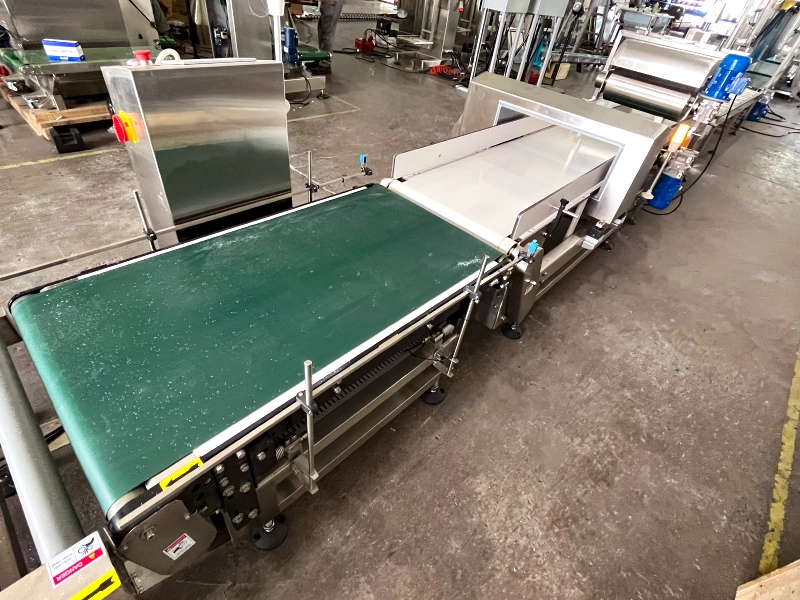
    Factory-installed stainless steel belt conveyor with adjustable guide rails and enclosed transfer tunnel

    Guides and transfer decide whether the mouth stays square

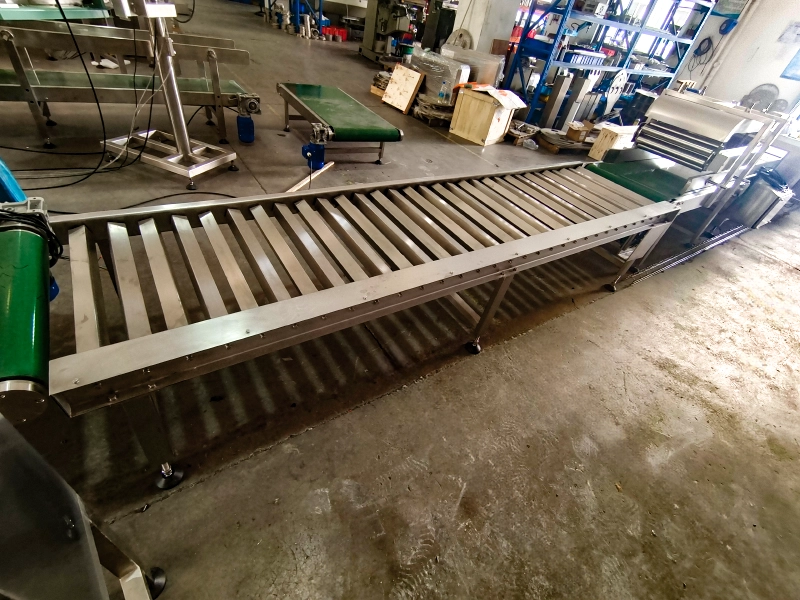
    A clean mouth is only half the problem. A filled 25 kg bag that leaves the clamp unguided will lean, twist or slump, and the sewing head then receives a skewed mouth on a bag that is no longer square. Mipline treats transfer as part of the 25 kg powder bagging line rather than optional hardware: adjustable side guides on the belt run, a shaping section at 600 mm belt width, a twin-belt transfer that holds both faces, and roller sections carrying the bag to inspection and discharge.

    Control points are placed where operators actually stand: an emergency-stop box at the transfer, a touch-screen HMI, and leveling feet on a welded stainless frame so the whole line can be squared to the floor. Bags then reach the metal detector and checkweigher settled, flat and at a repeatable height — we describe that handoff in our note on settling before checkweighing, and the dairy variant is covered in the milk powder bag handoff walk-through.

    ElementReference figureWhy it matters at the mouth
    Nominal bag25 kg kraft paper, paper-plastic composite, coated wovenBag construction sets clamp pressure and closure method
    FillingBottom-up lifting fill, three-stage screwOutlet stays near the material surface, less airborne dust
    Stated accuracy≤±0.1–0.2% on the 25 kg reference buildWeight stays stable before final trim
    Stated capacity1.5–2 bags/min on the same buildManual straightening becomes the bottleneck above it
    Vacuum extraction63 m³/h where configuredBag is de-aerated before closure, not sealed inflated
    Body and controlSUS304 frame, PLC + HMI, 5 kW main powerWashdown-friendly surfaces, parameters visible and logged
    Closure optionsDust removal, trimming, inner heat sealing, sewing, paper tapeEvery one of these steps needs a clean mouth first
    TransferGreen-belt runs, twin-belt guides, roller conveyorBag reaches sewing square and at repeatable height
    Stainless steel roller conveyor with green belt infeed and outfeed sections for bag transfer

    Check the bag mouth before you buy

    Send us your powder, bag construction, target weight and floor layout. We will mark on the drawing where the bag is clamped, where air is extracted and where the bag is guided before closure on a 25 kg powder bagging line, and tell you which reference build those figures come from.

    Request a line review