
Bibpu Bulk Products Packing Line for Cleaner Transfer, Deaeration, and Sewing Stability
For plants handling salt and other free-flowing materials, the real problem is not only filling bags. The harder part is keeping transfer clean, keeping pouches flat before seal, and keeping the woven-sack closing station stable under continuous output.
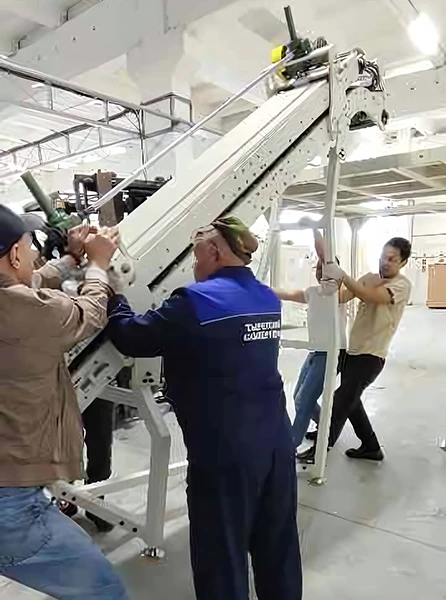
When bulk material packaging starts to slip, the whole line pays for it
A bulk-products plant usually knows the symptom before it knows the cause: pouches arrive unevenly, the film drags, salt bags stay slightly swollen, and the sewing station has to compensate for inconsistent bag shape. That is where output drops and manual correction starts to eat cycle time.
Bibpu is built for that exact handoff problem. The line combines VFFS filling, controlled transfer, bag flattening, and final woven-sack sewing so the product does not depend on one operator standing at the end of the line and fixing every imperfect bag.
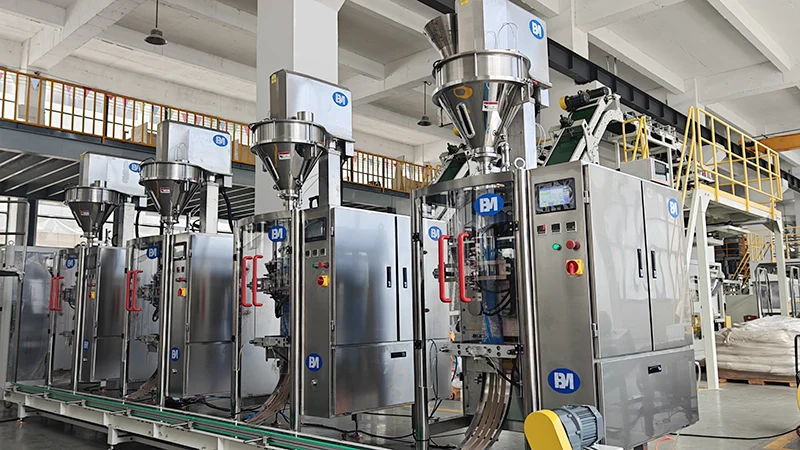
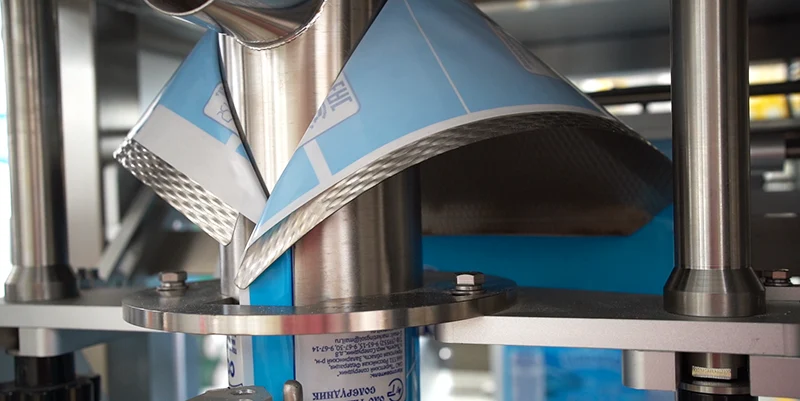
In humid or dusty production, film sticking, bag swelling, and unstable transfer are what make a standard packing line look acceptable at the filling head but fail at the sealing and sewing end.
Why this line fits free-flowing materials better than a generic setup
The machine set is not a loose collection of modules. It is a chain of physical fixes. The dimpled stainless forming shoulder reduces film drag, the guided transfer sections keep bags aligned, and the foam compression stage removes excess air before closing. That is how the line keeps salt bags flatter and easier to stitch.
The transfer evidence is visible in the machine structure itself. The conveyor and guide sections use steel frames, controlled lanes, and guarded motion paths so bags can move in sequence instead of bunching up. For a plant packaging salt, grains, or other bulk products, that means fewer bag jams and less rework after filling.
Why it matters: the line solves the problem where product looks full but is still too puffy or too uneven for a stable sewing operation.
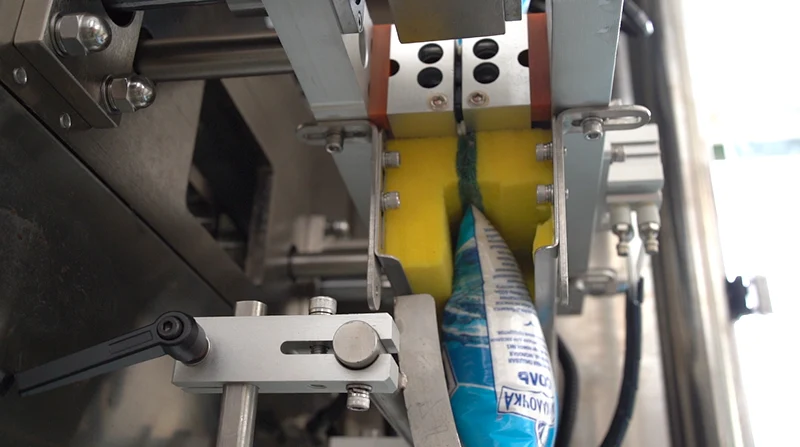
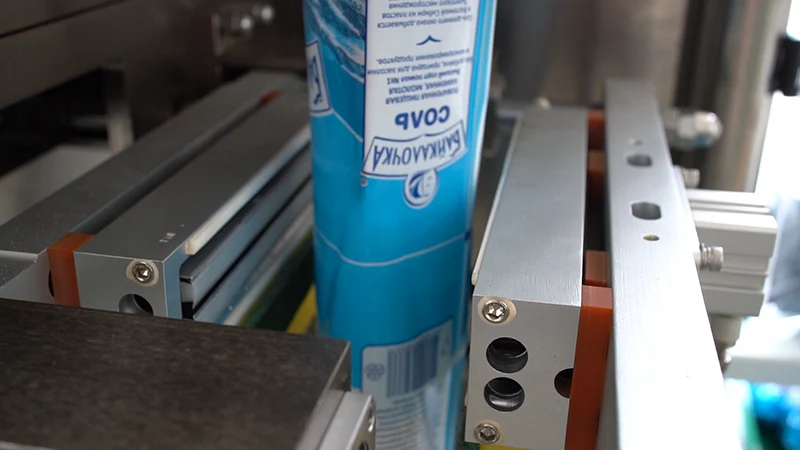
Structure details that support the final result
The transfer-to-sewing section is where the Bibpu line shows its practical value. After the small bags are formed and sealed, the secondary bagging station holds the woven PP sack open, receives the products, compresses the load, and then feeds the bag mouth into the sewing head with a stable geometry.
The result is not just better packaging appearance. It is cleaner bag insertion, steadier compression before closure, and a more consistent sewing path. That reduces the chance of loose top edges, trapped air, and awkward hand corrections at the end of the line.
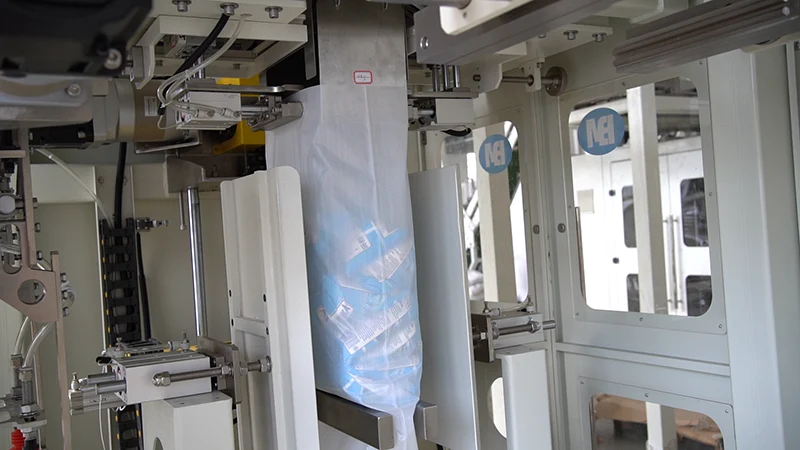
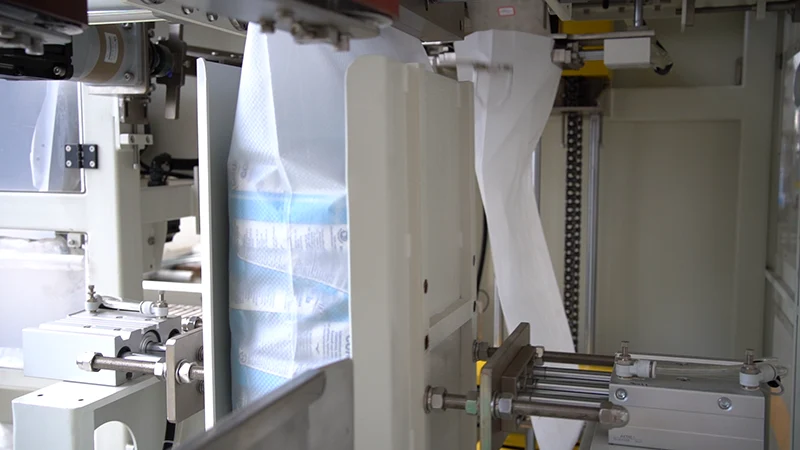
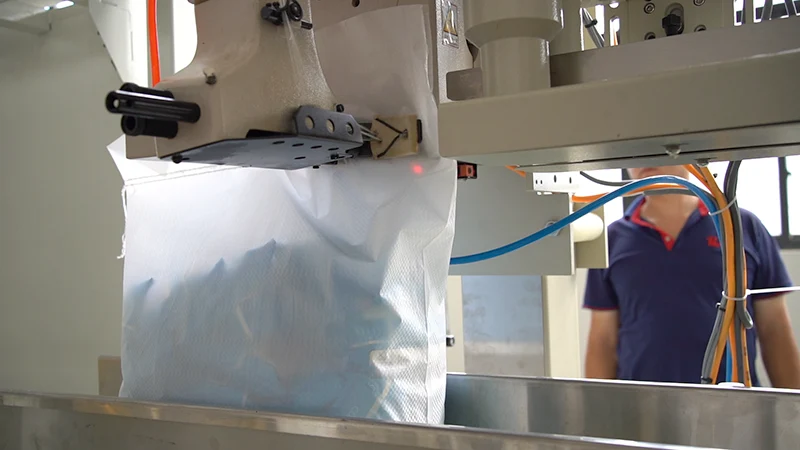
| Line stage | What the image shows | Why it matters for bulk products |
|---|---|---|
| Forming | Dimpled stainless shoulder and controlled film tracking | Reduces sticking and helps the film run more evenly |
| Flattening | Foam guide and compression section before closing | Removes excess air and improves bag shape |
| Closing | Secondary bag handling and sewing head | Keeps the final stitch path stable and repeatable |
Final result: less rework, steadier handoff, better line balance
For salt and other free-flowing materials, Bibpu turns packing into a controlled process instead of a manual rescue operation. The line keeps transfer cleaner, the bags flatter, and the closing station more stable from fill to sewn finish.
Talk to BPM about your bulk products line English
 Русский