
Why an FFS Packaging Line Keeps Pellet and Polyethylene Bag Output Steady Without Manual Trimming
For pellet and coarse powder jobs, the real test is not whether a machine can make one good bag. It is whether the line keeps forming, filling, sealing, and discharge moving at the same pace shift after shift, with PE or PP roll film and no one standing by to clean up bag edges by hand.
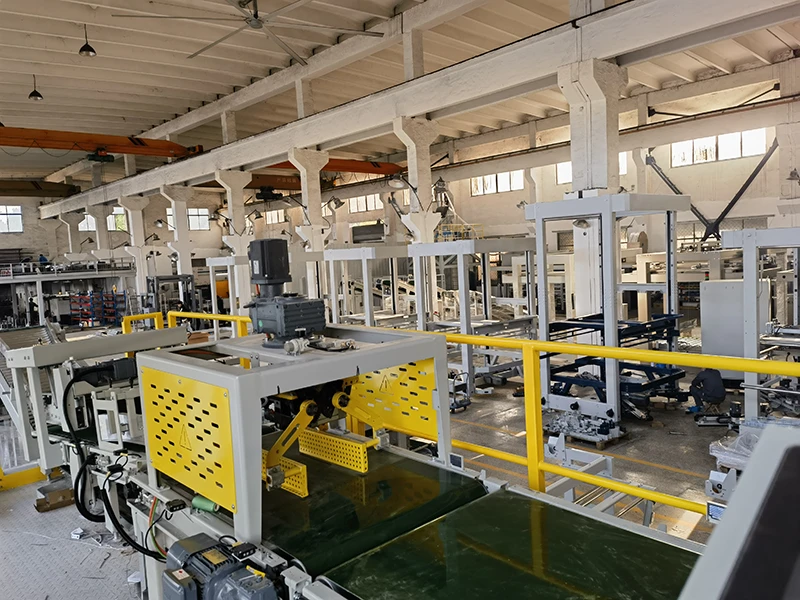
Start with the film path, not with the bag at the end
Manual trimming usually shows up when the film path is loose, the bag form is inconsistent, or the next station pulls at a different speed from the previous one. That is why an FFS line works better for steady pellet output than a set of separate stations stitched together on the floor. The bag is formed inside the machine from roll film, then filled and sealed in one chain. There is less handling, fewer drop points, and fewer chances for the bag mouth to drift out of square.
For bpmpack FFSline, the usable film and bag range matters. The brief calls out PE or PP roll film, a normal film width of 350-450 mm, a maximum roll outer diameter of 1500 mm, and a 150 mm inner core. Film thickness sits in the 0.14-0.18 mm range for regular projects. Those numbers are practical, not decorative. They tell you whether the film feed will stay calm enough for a clean form-fill-seal cycle on pellet, granule, or coarse powder jobs.
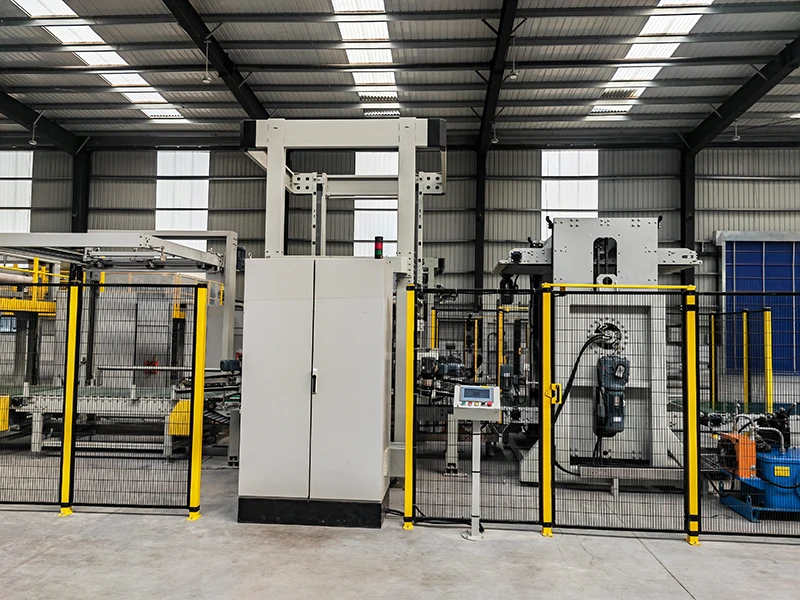
Practical point: if the process still needs people to touch each bag before it leaves the station, the line balance is off. A stable FFS setup should take care of film forming, dosing, sealing, and discharge in one flow.
Bagging lines lose stability when the feed changes too fast, the transfer section is too exposed, or downstream equipment waits for the bagger instead of matching it. The result is familiar: people trim, reposition, re-stack, and recover from minor drift all day. That is labor you do not get back.
Keep the discharge steady before you worry about the pallet
FFSline is meant for continuous output, so the feed side needs a buffer and the back end needs a clear path. The project brief mentions a 3 m³ surge hopper, which is what helps the line hold material while the machine works through the next cycle. That buffer is useful when pellets flow well but the upstream supply is still uneven. It also helps with coarse powders that move well enough for FFS, but still need a bit of protection from sudden feed changes.
The other detail that matters is control. FFSline uses PLC plus a touch screen, so the operator is not guessing where the slow-down comes from. When the target is 20 kg, 25 kg, or 50 kg bags, the line should stay on the same logic across the whole shift. The brief lists 10-50 kg as the working range, with project references around 500 bags/h and higher material-dependent figures in some cases. That is enough to plan around, but the real target should still be tied to the product, bag size, and film spec.
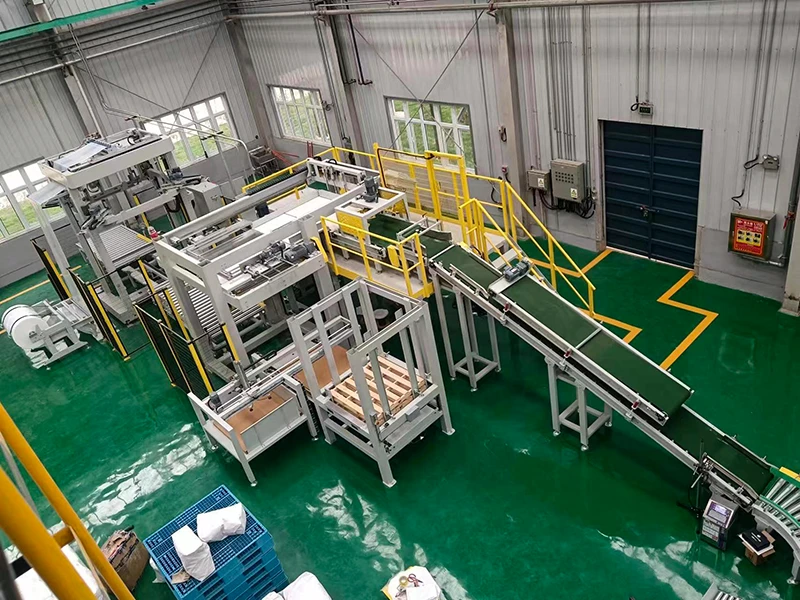
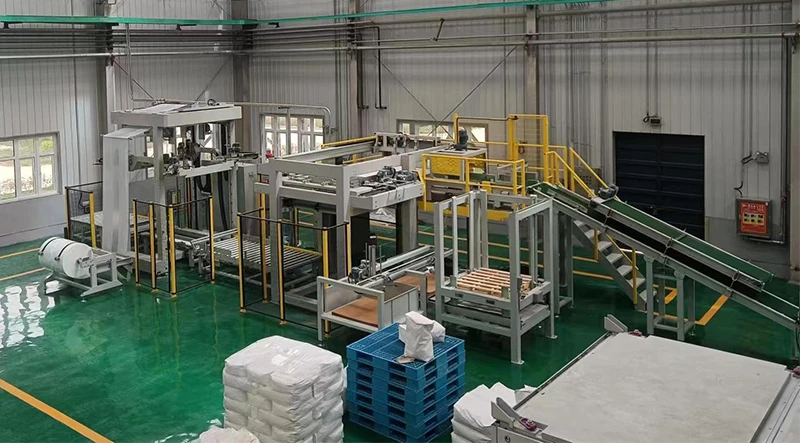
Once the bag leaves the sealer, the line should not leave it hanging. A good setup can connect to incline conveyors, reject and recheck stations, palletizing, pallet label printing, stretch hood, and dust collection. That is how the packaging line stays steady after the bag is formed. If the back end waits in line, the front end starts to drift, and someone ends up trimming or correcting by hand.
Match the line to the output, not the other way around
For pellet and polyethylene bag output, the machine spec should match the materials first. If the roll film width is too narrow, the form drifts. If the bag weight range is too ambitious, filling becomes unstable. If the palletizing section is not ready for the output rate, the whole line slows down and the front end starts looking messy. That is why FFSline is best treated as a line design problem, not just a packaging machine purchase.
The wide workshop layout also matters. It gives space for service access, safety rails, conveyors, and the downstream equipment that keeps the bag stream moving. The point is not to make the line look busy. The point is to keep the process calm enough that operators do not need to correct every bag by hand.
| Planning item | Why it matters | What it prevents |
|---|---|---|
| PE / PP roll film | Matches the FFS forming path | Loose bag shape and edge drift |
| 350-450 mm film width | Fits the planned bag size | Excess trimming and unstable mouth formation |
| 3 m³ surge hopper | Buffers uneven upstream feed | Stop-start filling and weight swings |
| PLC + touch screen | Keeps operation visible and repeatable | Guesswork during speed changes |
Need a steadier FFS line for pellets or polyethylene bags?
Share the bag weight, film spec, and target output. bpmpack can map the forming, filling, sealing, and downstream flow into one line plan instead of leaving the end of the process to manual correction.
Talk to bpmpack English
 Русский