
How an FFS Line Packs Polyethylene Bags to 25 kg with Cleaner Handoffs and Steadier Dispatch
For plants that need stable 25 kg output, the main challenge is rarely the filling step alone. The real pressure comes from keeping bag forming, filling, transfer, and dispatch aligned without extra manual trimming, unstable access, or cramped forklift flow.
Why 25 kg polyethylene bag packing needs a more disciplined line layout
When a production site moves bulk material into 25 kg polyethylene bags, the old approach often depends on hand-guided bag placement, uneven transfer rhythm, and a layout that grows around the machine instead of around the flow. That usually creates three problems at once: bag alignment drifts, access becomes harder for operators, and finished bags start to compete with forklifts and pallet staging for the same floor space.
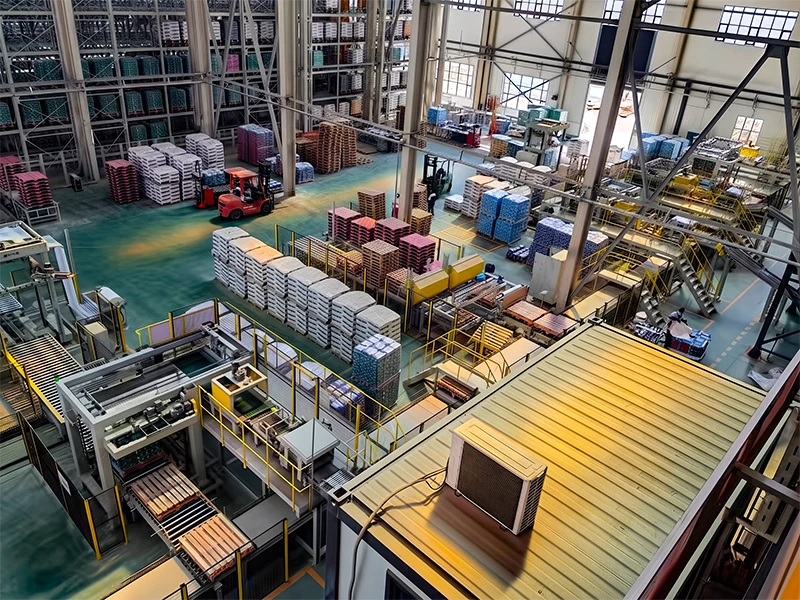
This is where an FFS line becomes practical. The line is not just a filler; it is a structured path that combines bag forming, filling, transfer, and downstream handling. The wide overhead layout in the hero image shows that the line can be planned with clear lanes, elevated working points, and controlled staging zones. For 25 kg bags, that structure matters because the output is heavy enough to punish weak transfer design, but still frequent enough to expose every small interruption in the cycle.
Many 25 kg bagging rooms lose time at the connection points: the bagging machine works, but the transfer path is awkward, the platform is exposed, and the operator still has to compensate for a layout that was never built for steady repetition.
What makes the FFS line fit this job better than a loose manual setup
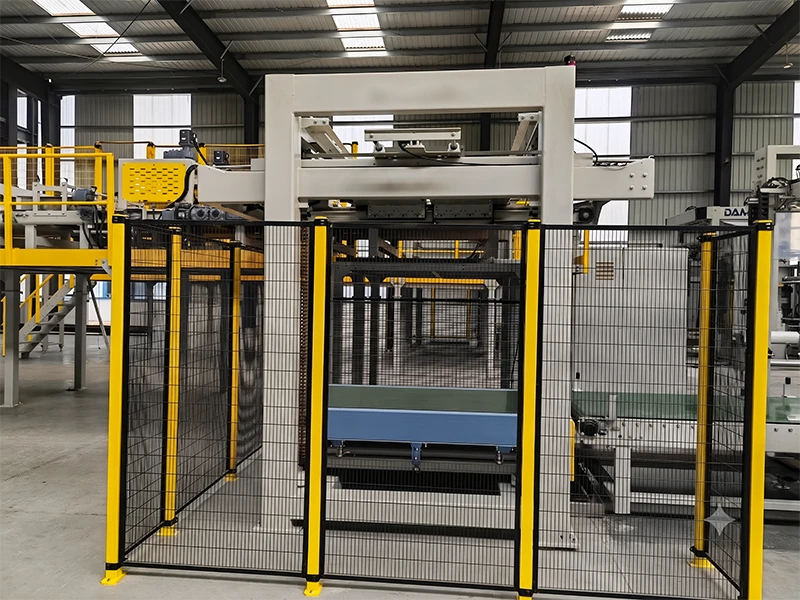
The product fit comes from its structural discipline. The machine frame, elevated platform, and side conveyors create a controlled path for the bag from formation to discharge. Yellow guard rails and enclosed equipment zones are visible in the close views because this kind of line is meant to separate the operating area from the moving flow, not let both compete in the same narrow space.
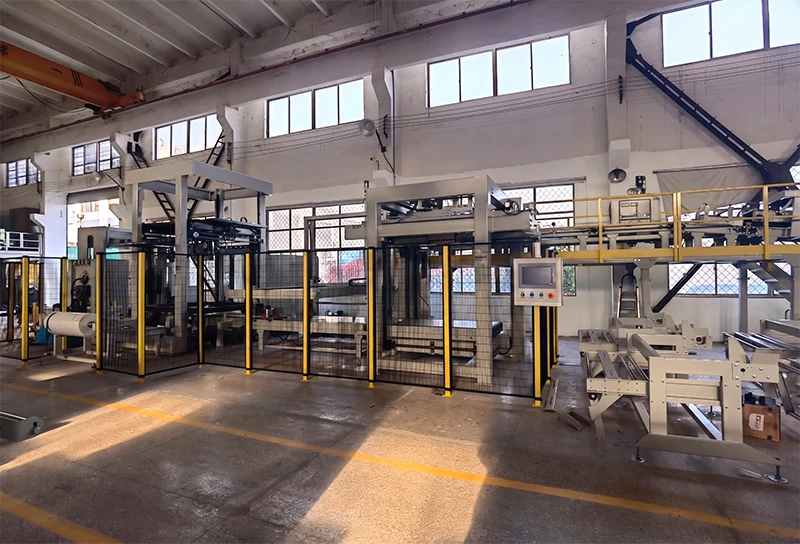
For a plant filling 25 kg polyethylene bags, that separation is not cosmetic. It reduces awkward reaching, keeps the operator’s access more predictable, and helps the downstream section accept bags in a stable rhythm. The inclined conveyor and elevated platform image makes the point clearly: once the line has a designed height transition, the plant can move output forward without turning each bag into a manual handling event.
Operational insight: In heavy-bag packing, cleaner handoffs usually come from better geometry, not from asking workers to be faster. A properly arranged FFS line improves the handoff by aligning the machine frame, conveyor path, and access platform into one repeatable sequence.
Structure, parameter logic, and the result on the floor
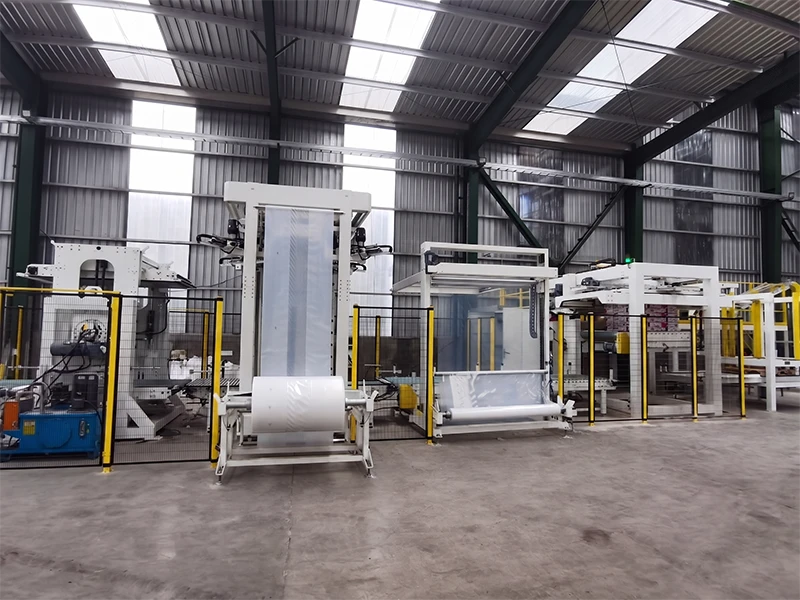
The practical result is a line that supports steadier output and cleaner dispatch. Instead of a machine sitting in isolation, the FFS line behaves like a connected packaging corridor. The bag-forming section, filling section, and transfer section are clearly separated in the visuals, which helps plant teams understand where the cycle is stable and where the supporting structure is doing the work.
That matters for 25 kg polyethylene bags because the final result is judged on more than fill accuracy. The line has to keep its rhythm while leaving room for pallet handling, forklift movement, and a reasonable service path around the equipment. The overhead and sectional photos both show that the layout gives the plant enough structure to keep the work area cleaner and the discharge path more predictable.
| What the photo shows | What it proves for 25 kg bagging |
|---|---|
| Overhead line layout | Clear flow planning with space for pallet staging and forklift lanes |
| Guarded machine section | More controlled operator access around forming and filling points |
| Inclined transfer and platform | Cleaner handoff from fill zone to downstream handling |
If you need 25 kg polyethylene bag packing with less manual correction
An FFS line is the right direction when your goal is not only to fill bags, but to keep the whole path from forming to dispatch stable, cleaner, and easier to manage. If your plant needs a layout that can support heavy-bag output without turning the transfer zone into a bottleneck, the next step is to map the line around the actual floor flow.
Contact BPM for a line layout review English
 Русский