
How a Polymer Granule Warehouse Stabilized Bagging, Transfer, and Dispatch with an FFS Line
A granule distributor needed cleaner bagging at the hopper, safer access around the machine, and a steadier handoff to downstream transfer. The FFS layout solved those three points by pairing an elevated main frame, guarded working zones, and a connected outfeed path that fits continuous warehouse dispatch.
Why the old bagging setup kept slowing the line down
In a polymer granule warehouse, the real bottleneck is rarely the raw filling action alone. The trouble usually starts when product arrives to the hopper in an inconsistent way, operators have to work too close to moving equipment, and finished bags need to travel across the floor before the next step can begin. That combination creates small delays, more handling, and more opportunities for spill, misalignment, or unnecessary manual correction.
The previous setup in this kind of site typically depended on separated equipment, narrow access, and handoff points that were not built as one continuous path. Once the line is asked to feed, form, fill, move, and dispatch every day, the weak point is not capacity on paper. It is whether the machine arrangement keeps the product flow predictable and the work area easy to maintain.
The warehouse needed a line that could keep bagging steady without making operators fight the layout every shift.
Why this FFS structure fit the job better
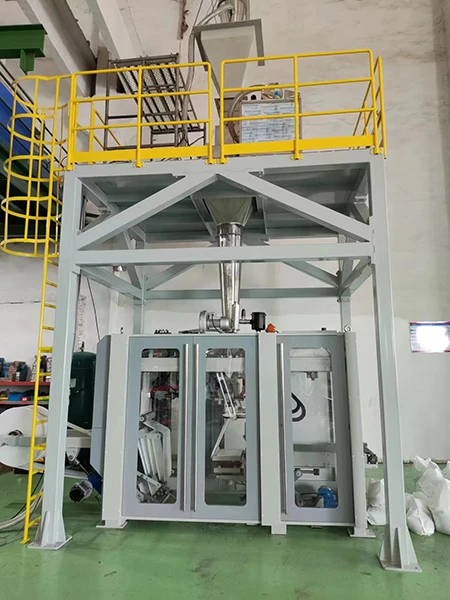
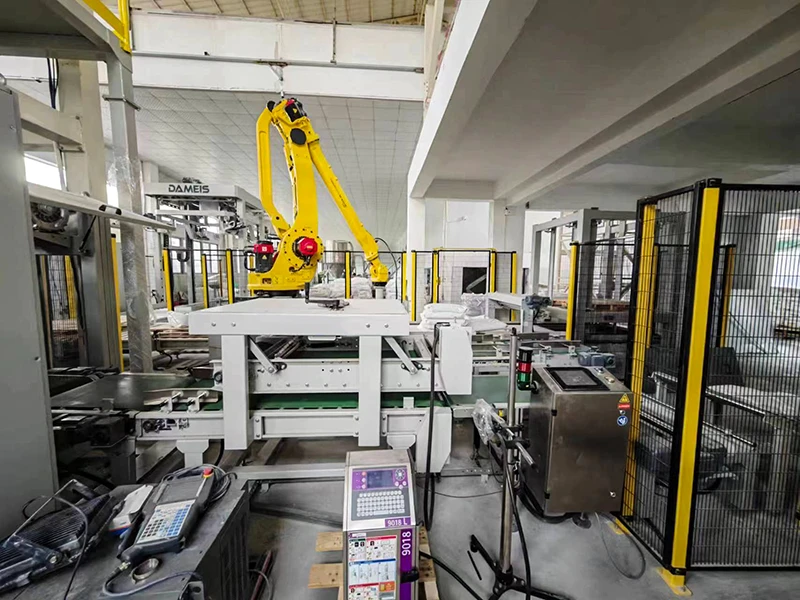
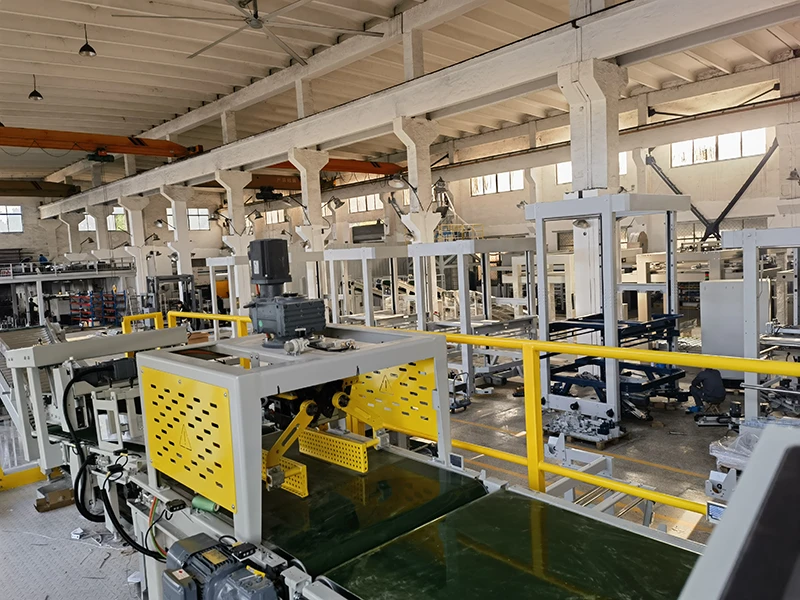
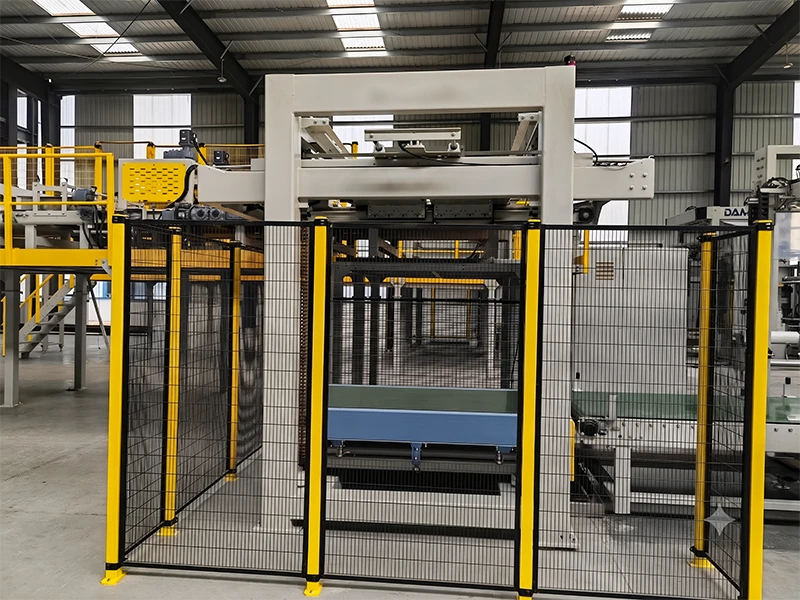
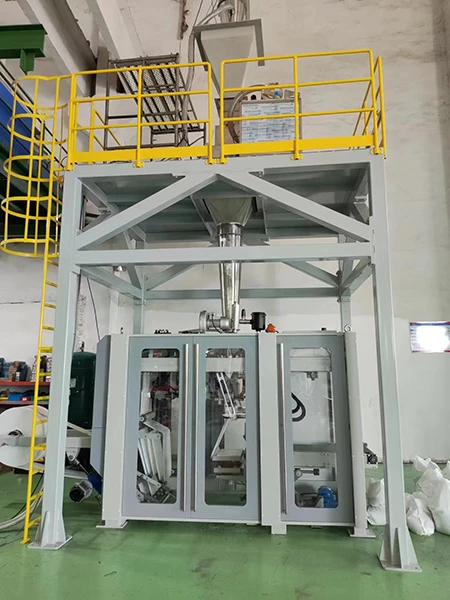
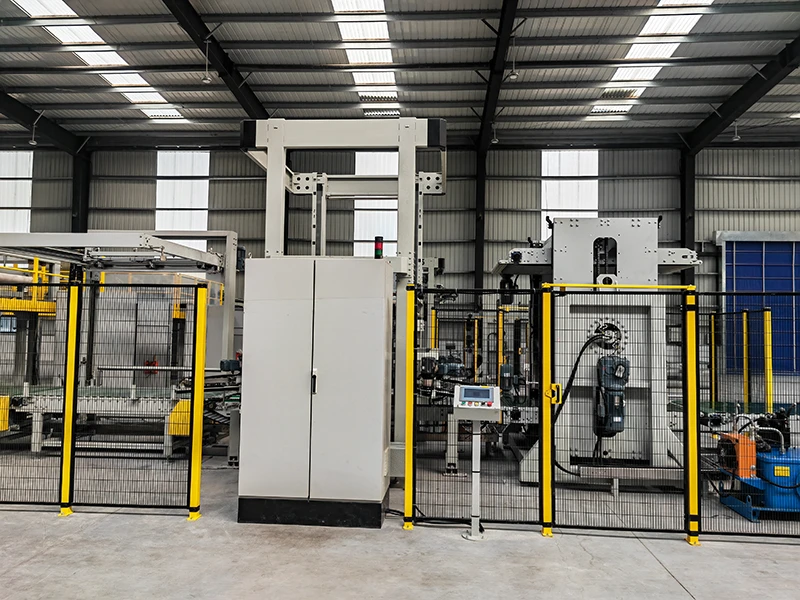
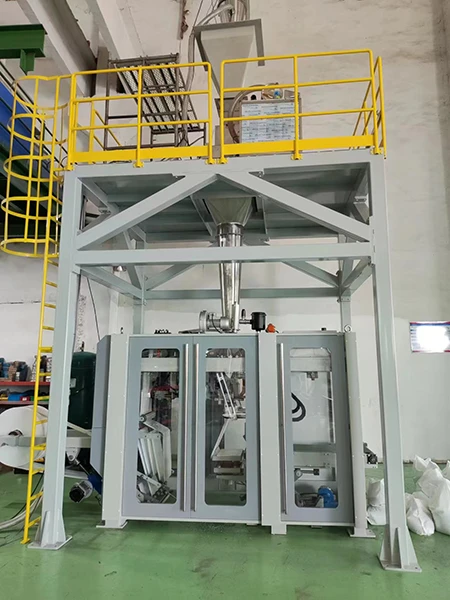
The machine view tells the story clearly. The front view shows an elevated working platform, a protected hopper area, and an enclosed cabinet base. That matters because the line is not only filling bags; it is also defining how people access the machine, how the product enters the process, and how the site keeps the area organized during daily production. Safety rails and a lifted frame help separate the working zone from the floor traffic that surrounds a busy warehouse.
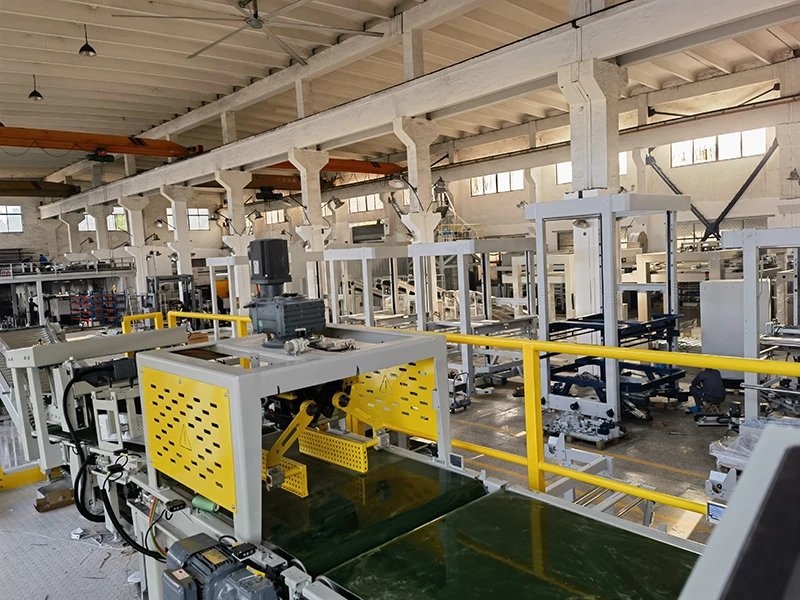
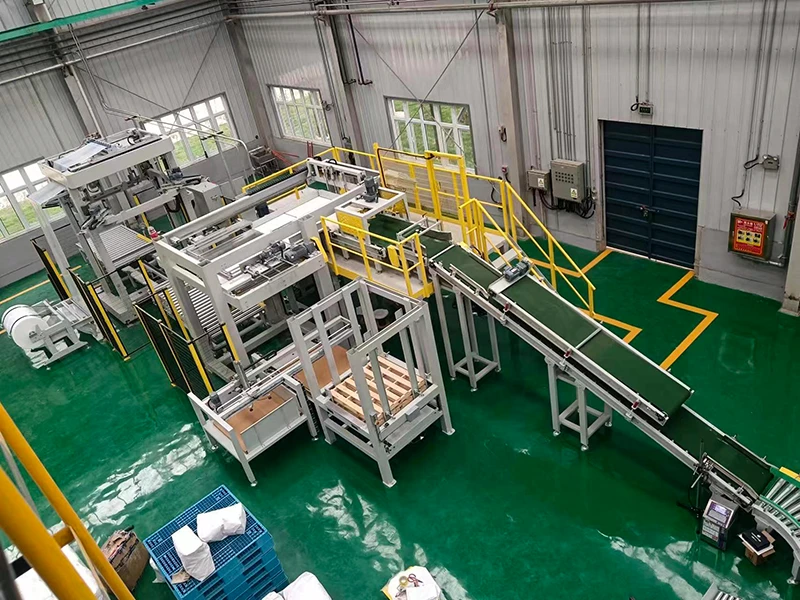
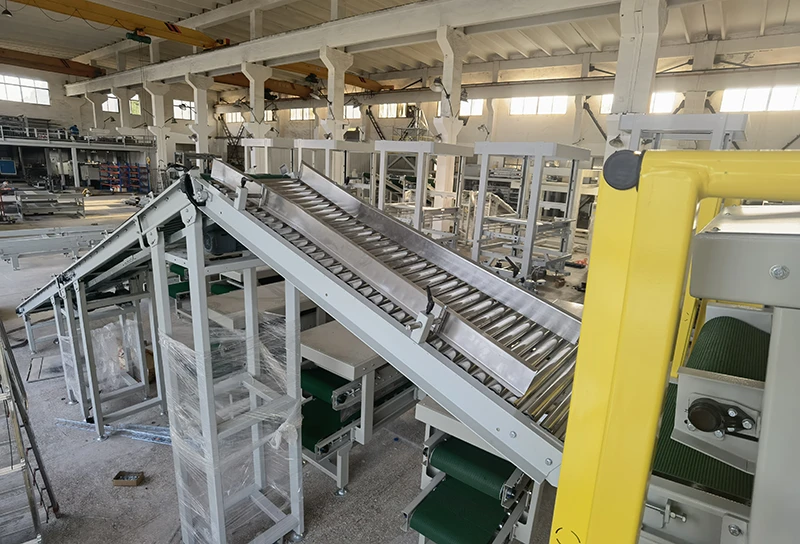
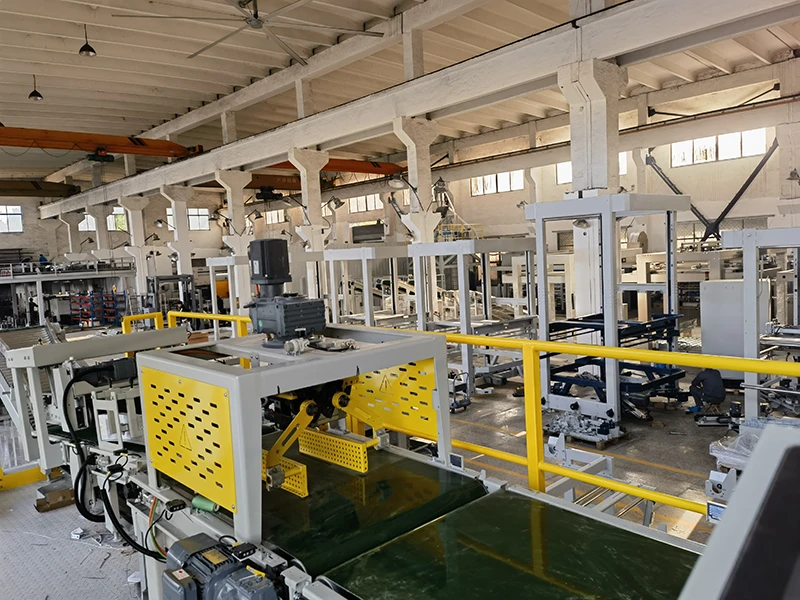
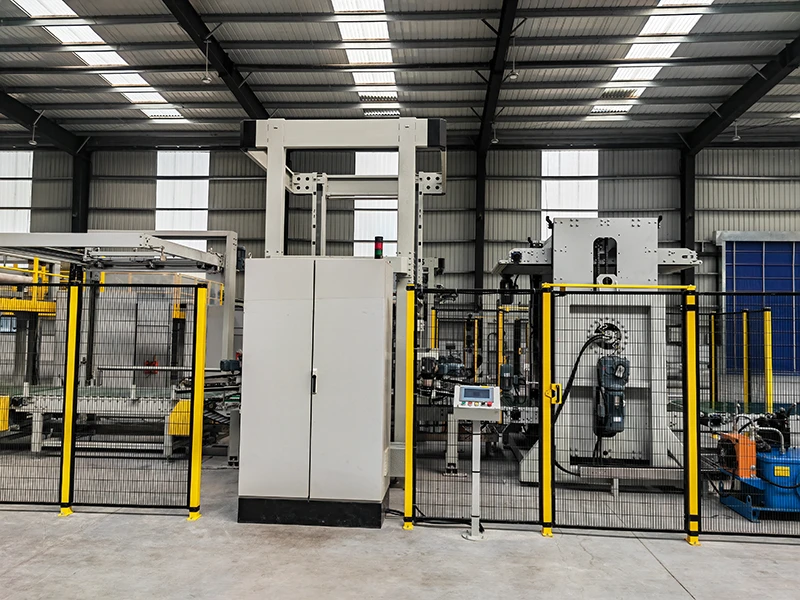
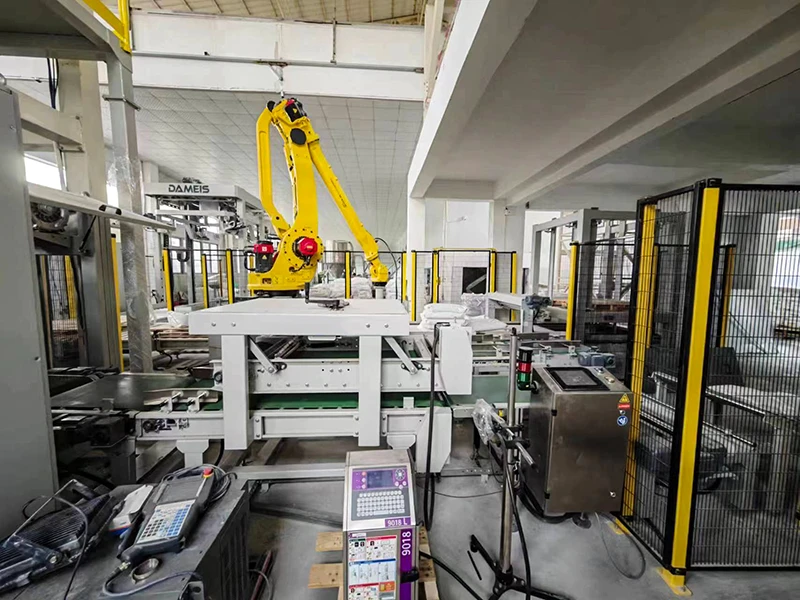
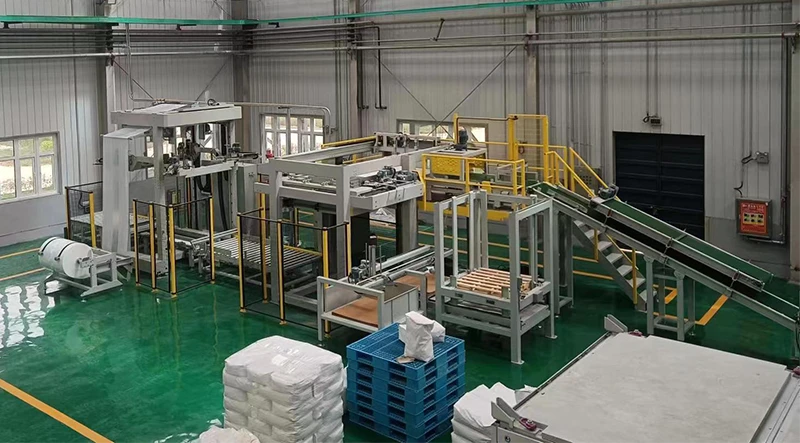
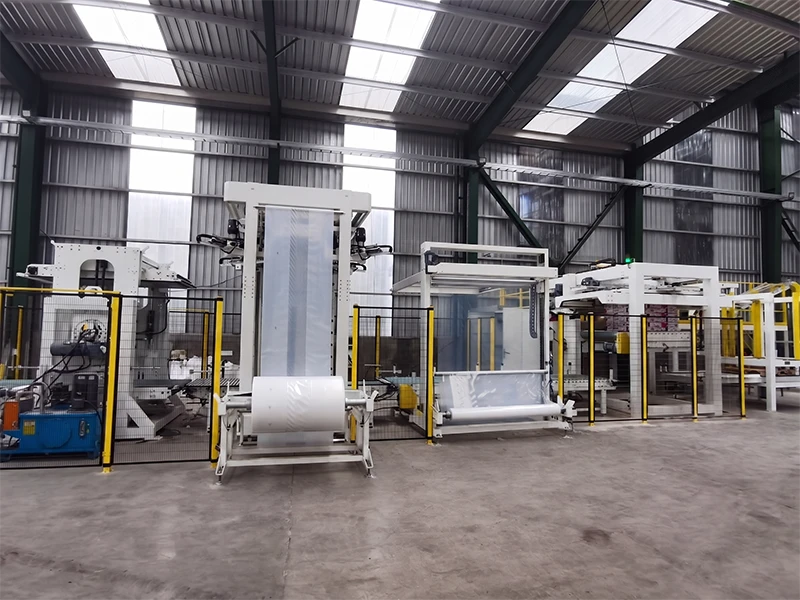
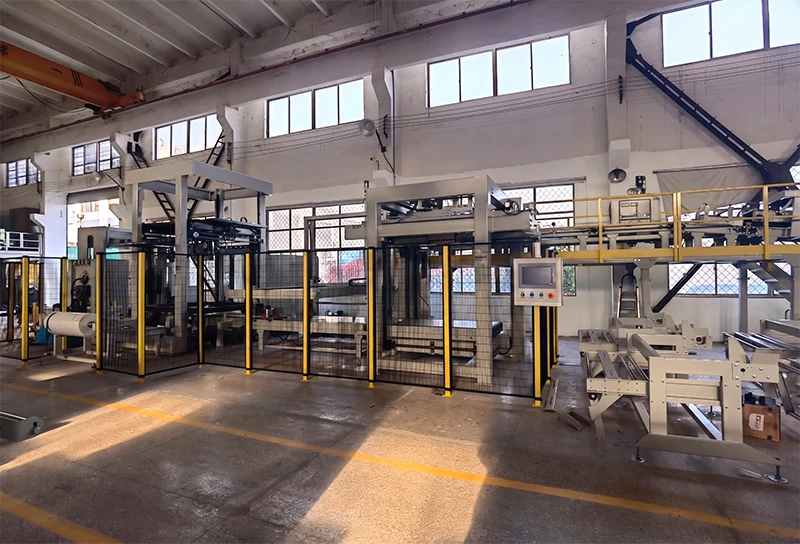
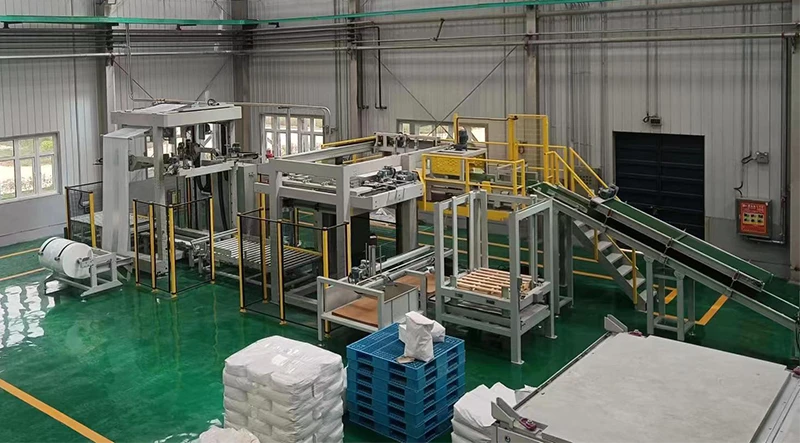
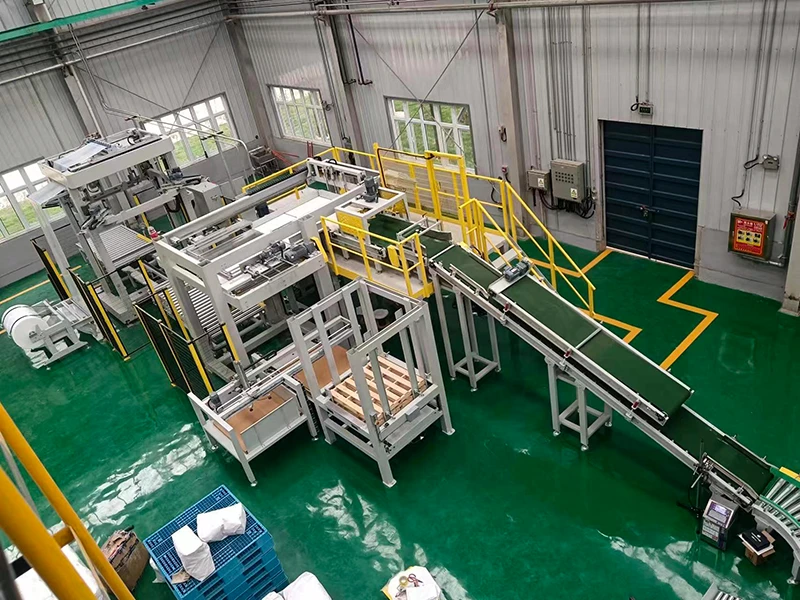
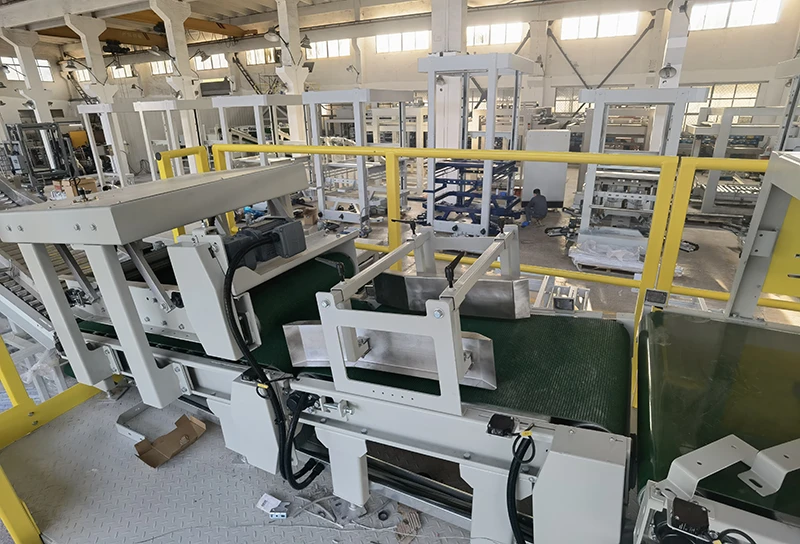
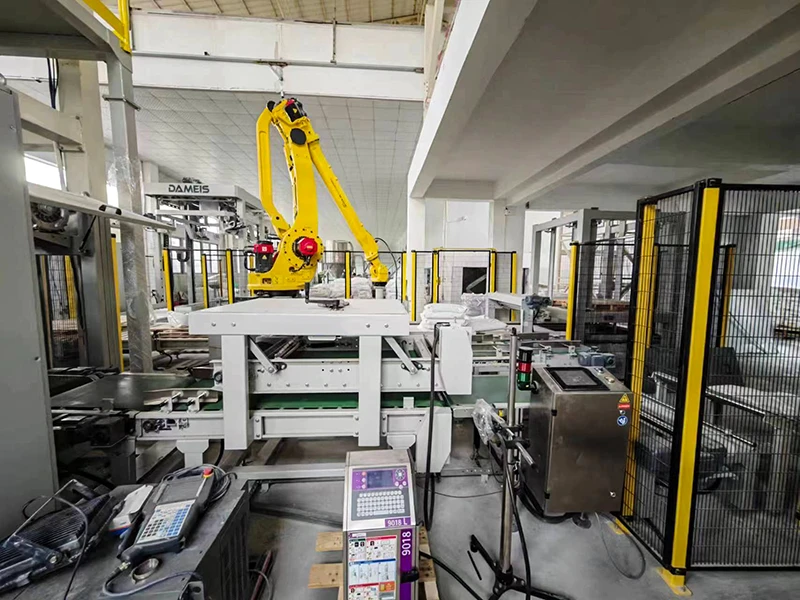
The section view reinforces the same idea. The white frames, yellow guard rails, conveyors, and downstream handling units form a connected path instead of isolated pieces. That is what the customer needed: fewer disconnected touchpoints, a clearer route from filling to outfeed, and a line that supports continuous transfer instead of forcing the warehouse to improvise around the equipment.
What the layout solves: it reduces floor congestion, makes access safer, and keeps the bag transfer path aligned with the production rhythm instead of interrupting it.
What the structure and layout changed in daily production
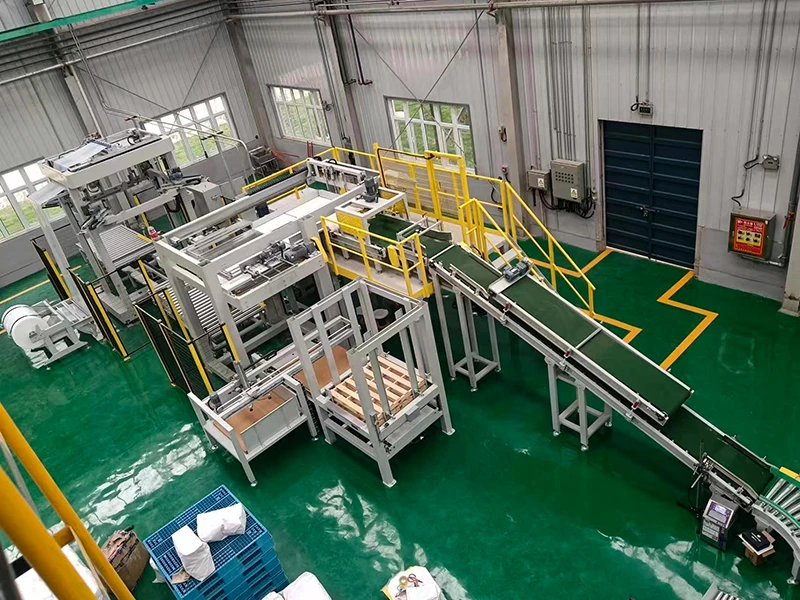
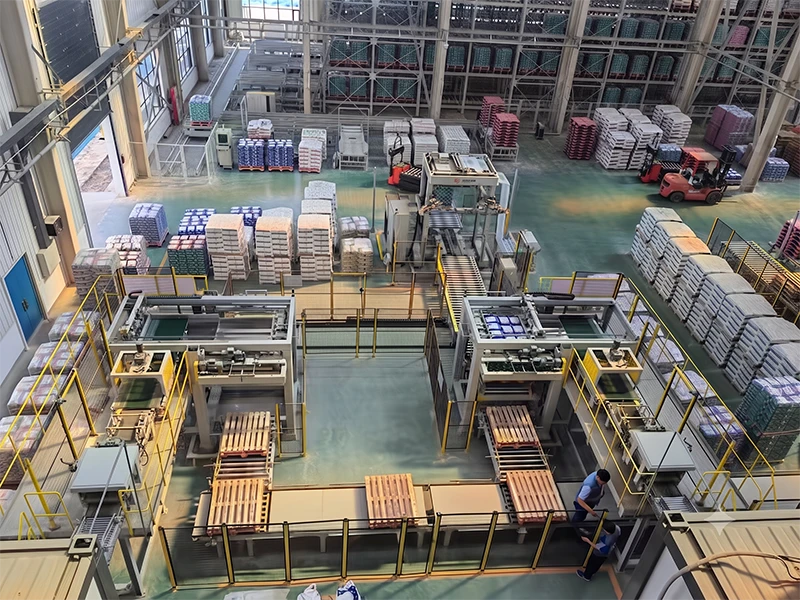
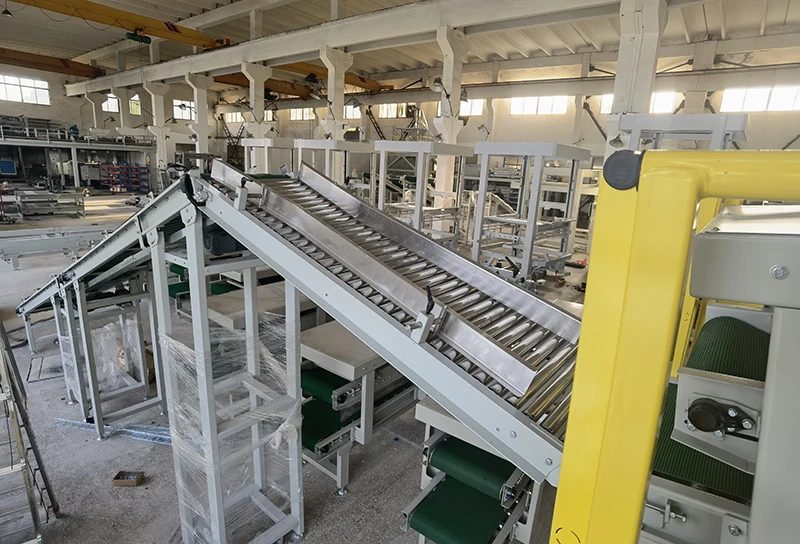
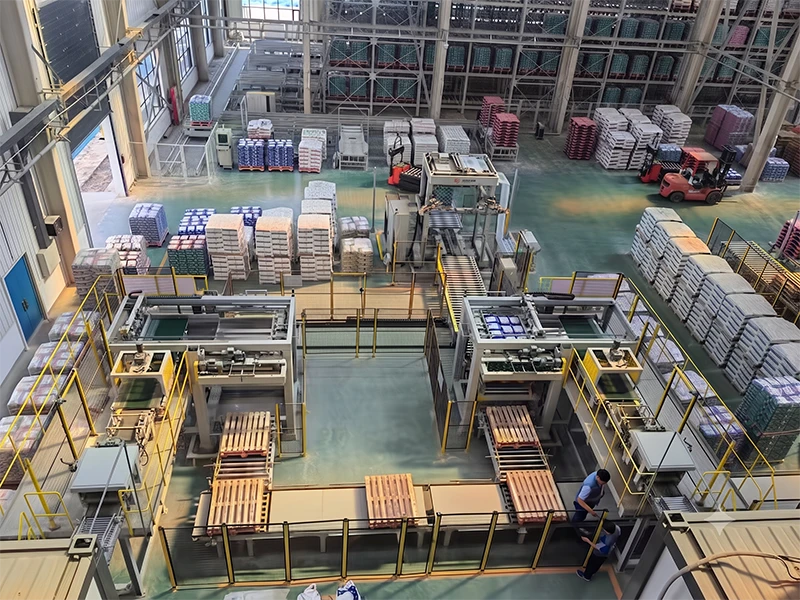
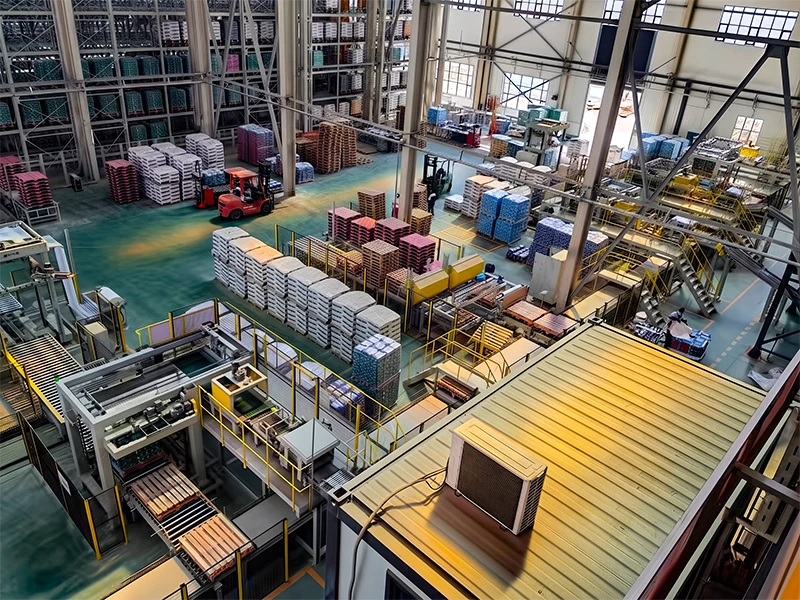
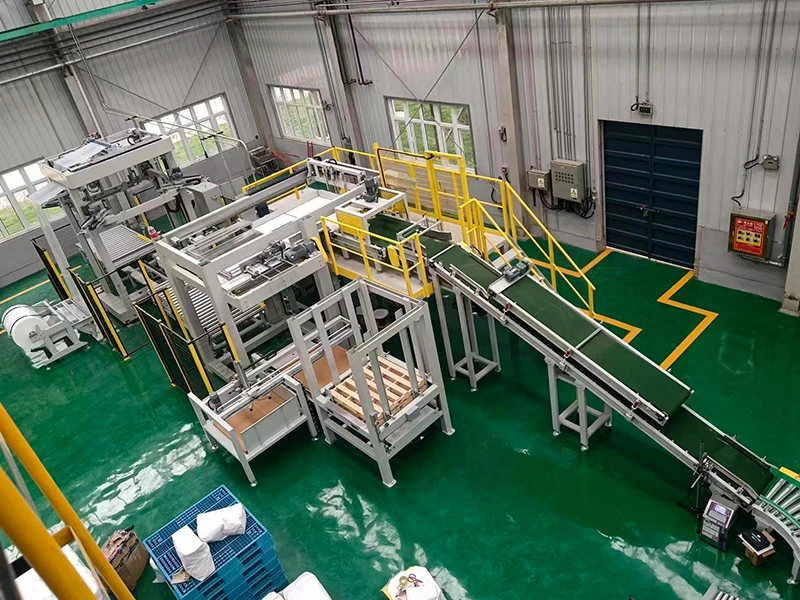
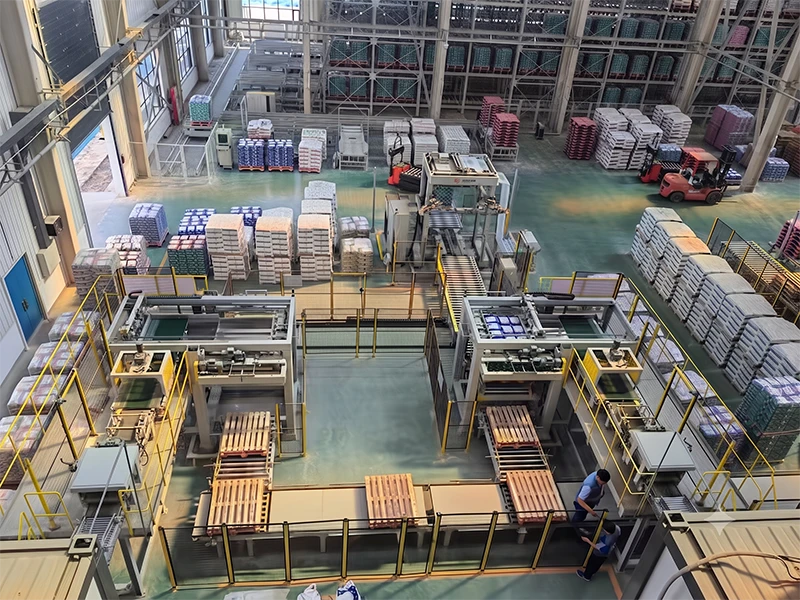
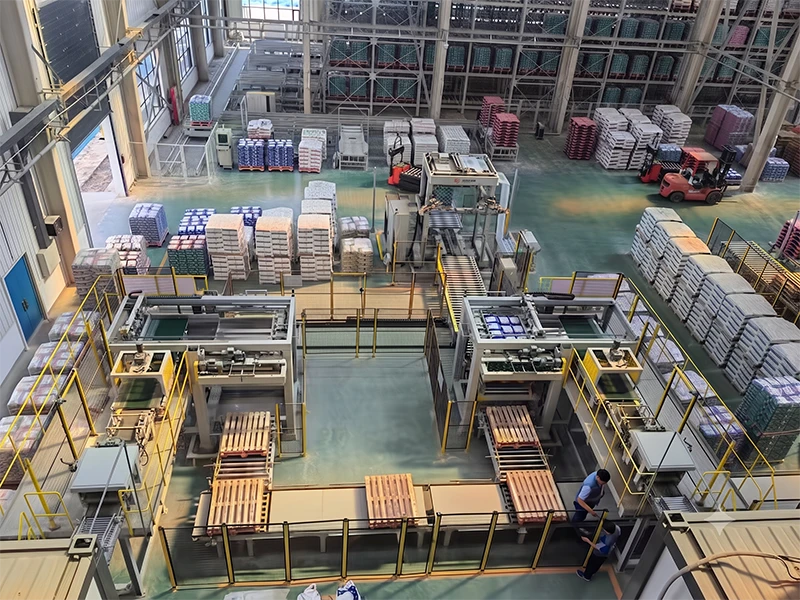
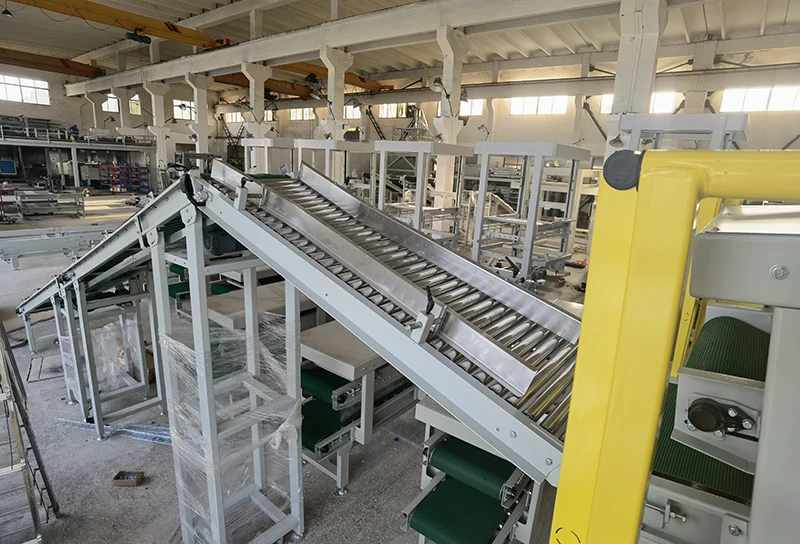
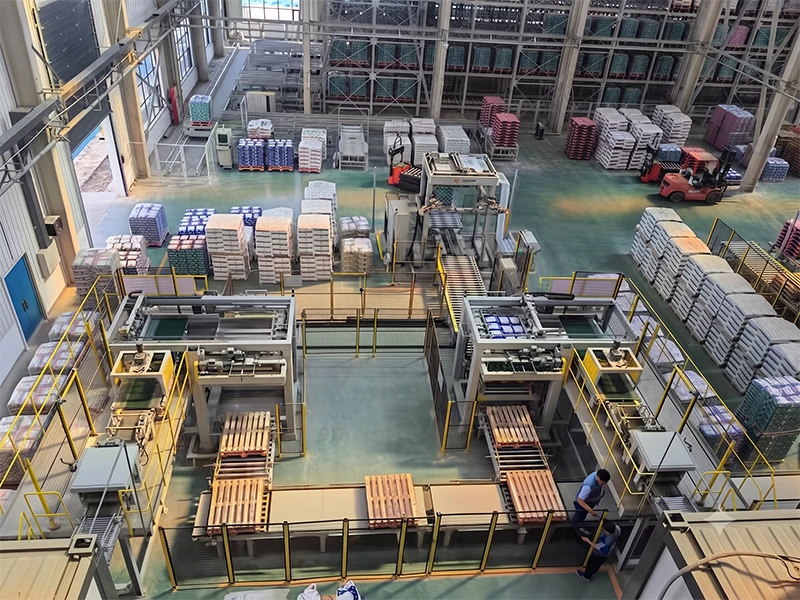
The high-angle view shows how the line behaves as a system. Once the packaging machine, platforms, conveyors, and bag handling area are read together, the floor plan becomes easier to manage. That helps the warehouse keep material movement orderly, because the line already provides a natural direction for infeed, working access, and output staging.
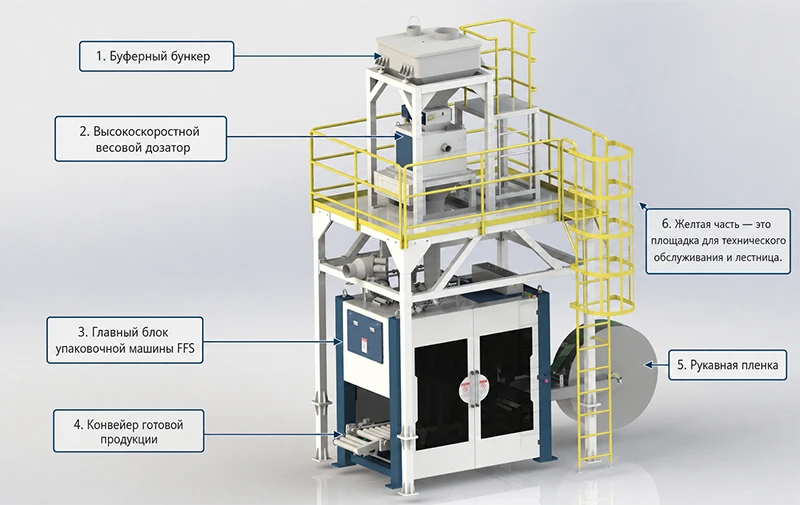
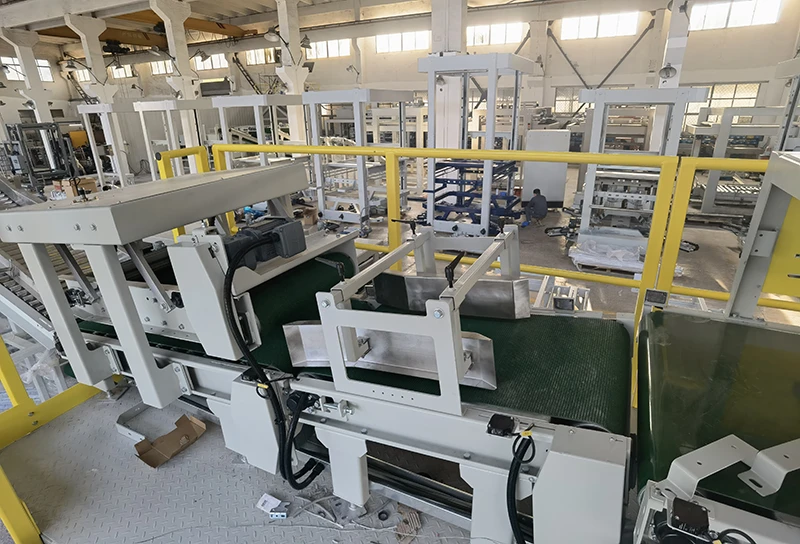
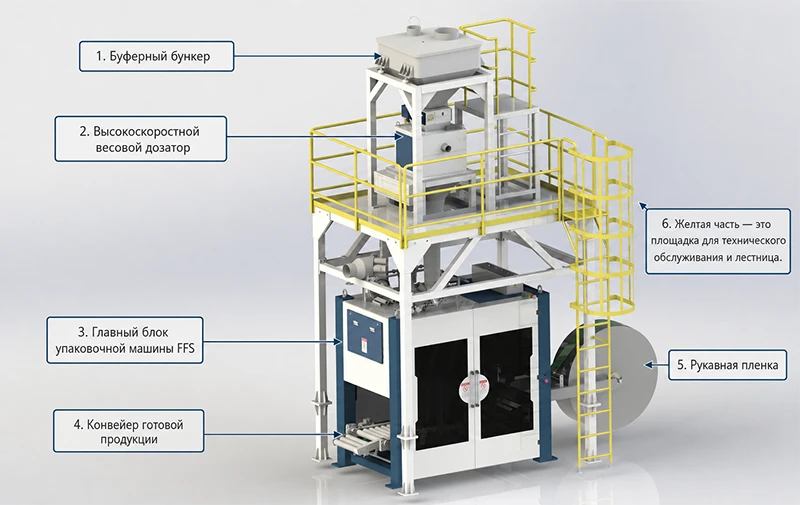
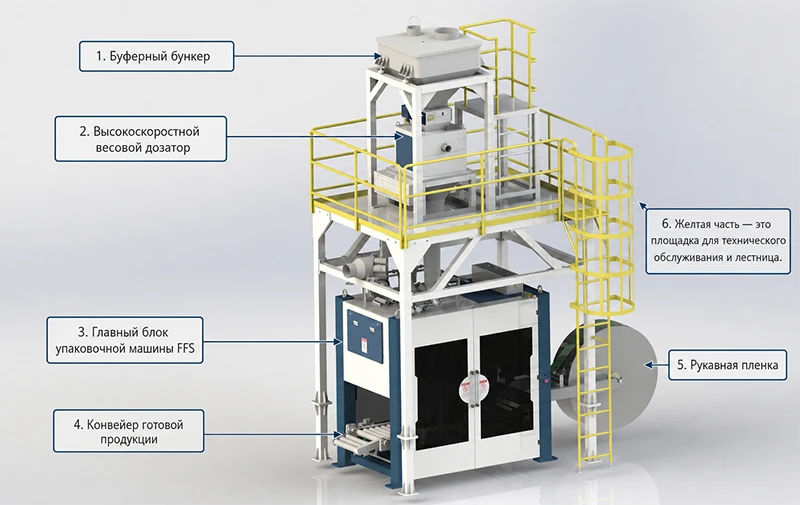
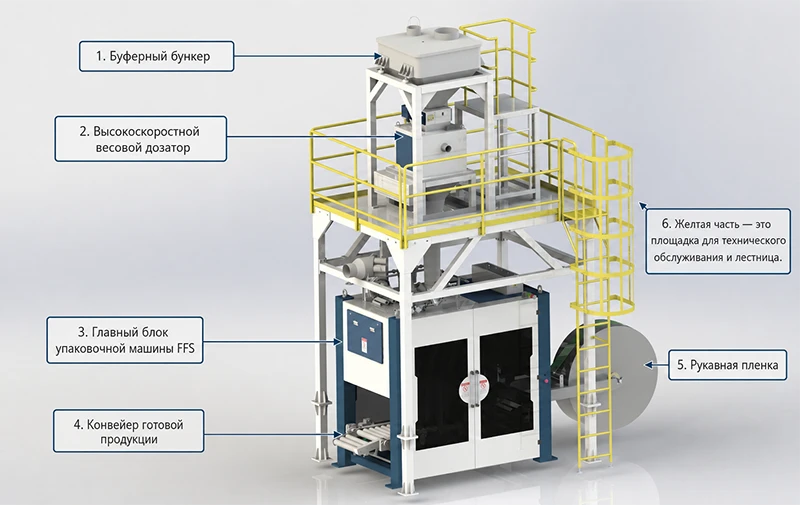
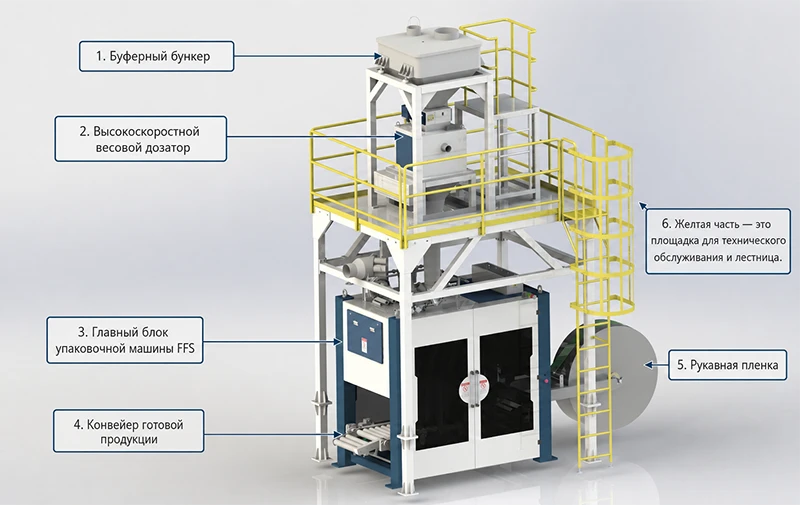
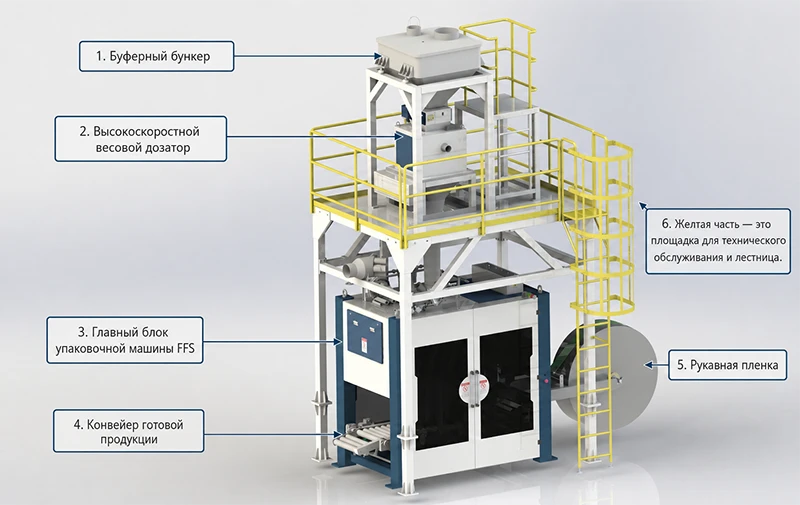
The annotated diagram makes the maintenance and service logic easier to see. By identifying the process modules, frame, control area, film handling, and service points, the layout becomes easier to explain to operators and maintenance staff. For a distributor that runs repetitive granule packaging, that clarity is valuable: less guesswork, faster training, and fewer process interruptions when the team needs to inspect or adjust the machine.
| Site problem | FFS line response | Result on the floor |
|---|---|---|
| Unstable bagging flow at the hopper | Elevated machine frame and organized process modules | More consistent filling rhythm |
| Unsafe access around moving equipment | Yellow guard rails and enclosed machine base | Cleaner operator separation |
| Disconnected transfer to downstream handling | Linked conveyor and outfeed path | Steadier dispatch and less manual correction |
Need a similar FFS layout for your granule packaging line?
If your warehouse is fighting bag transfer, access, or dispatch bottlenecks, we can map the line around your product flow and floor constraints.
Talk to BPM about an FFS line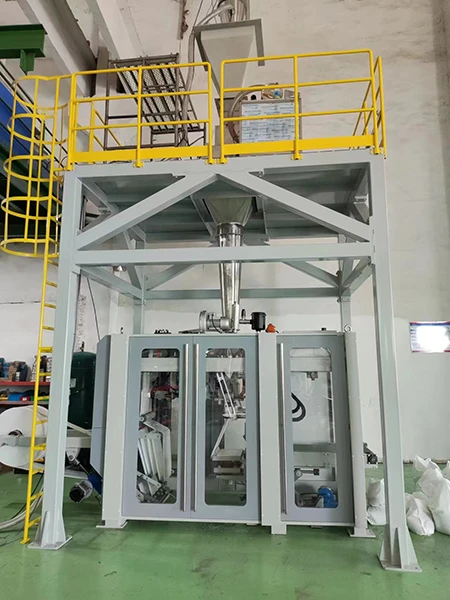
 English
 Русский