
15 kg Bagging Line: FFS Roll-Film Sacks for 15 kg Doses
A 15 kg bag is not a 25 kg sack with less product in it. On most bulk plants the 15 kg dose arrives as a second retail or export size bolted onto a line that was set up around 25 kg, and the difference shows up in film width, fill height and the last metre before the seam. A 15 kg bagging line has to make the sack itself, hold it square while it fills and cool the seam before the pallet accepts it.
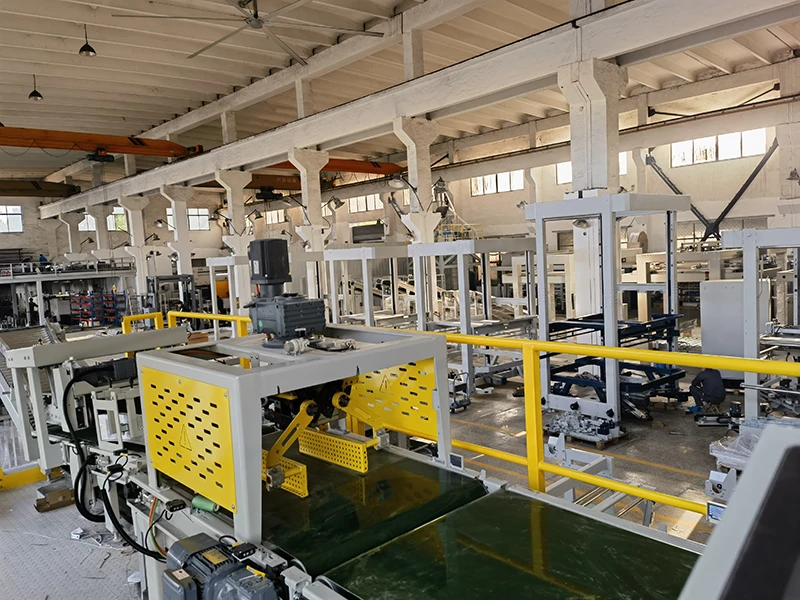
Where a 15 kg Dose Behaves Differently From 25 kg
Salt works, flour mills, starch and dry-milk plants, fertiliser blenders and polypropylene granule producers usually sell in 25 kg or 50 kg units. The filling station, the sealer and the transfer conveyors are then built around a bag that is long, heavy and stiff enough to hold its own shape. Add a 15 kg pack for retail chains, farm supply or export pallets and nothing on the line is technically broken, yet the sacks look worse: the bag sits lower in the forming tube, the film has less weight pulling it straight, and the shorter filled height changes the geometry of every hand-off after the clamp opens.
The common answer is a second line with a pre-made bag magazine and a sewing head. It runs, but it also adds a flat-bag warehouse, a second bag supplier, an extra operator and another changeover to schedule. A plant comparing a 15 kg bagging line against that route is really comparing two packaging logistics chains, not two filling heads.
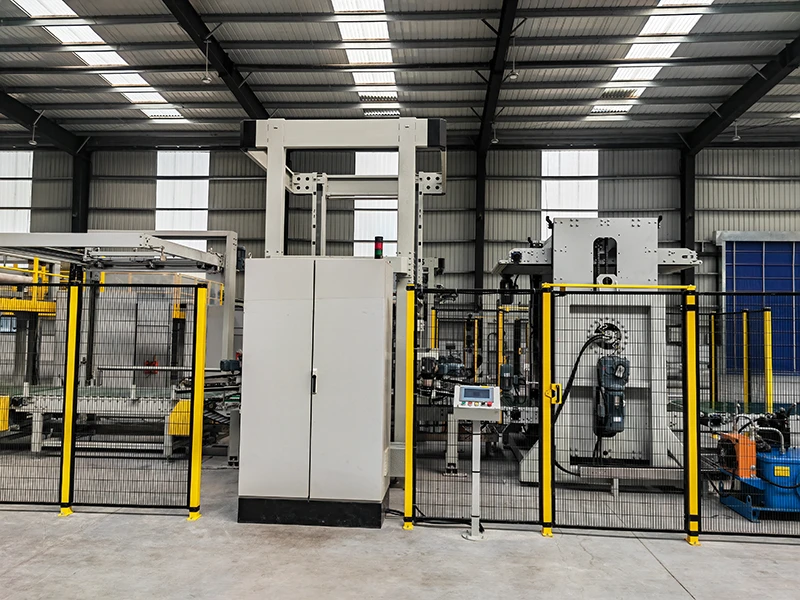
At 15 kg the failure is geometric. The sack leaves the clamp with slack in the film, drifts sideways on the belt and reaches the sealer with a skewed mouth and product sitting in the seam. Every one of those bags is a leaker waiting for a pallet to be stacked on top of it.
How the 15 kg Bagging Line Forms, Fills and Closes the Sack
On this 15 kg bagging line the bag does not exist until the machine makes it. Roll film is drawn over the forming collar, the vertical seam is welded, the bottom seam is welded and air-cooled, and only then does the weighing head release the dose into a sack that the clamp already holds square. Because the bag is formed to the film width you choose, a 15 kg format is a film width and a bag length rather than a stocked item.
One machine covers 10 to 50 kg doses. Film width runs from 200 to 1200 mm and weighing accuracy sits at plus or minus 0.1 to 0.2 percent, so a shorter 15 kg fill still lands on weight. Output reaches up to 1200 bags per hour, and with high-level robotic palletizing the downstream nominal rate rises to 1500 to 2000 bags per hour. Both seams are cooled with pneumatic air from above and below, which matters most at 15 kg: a shorter fill height leaves less material to absorb heat, so a tacky seam curls the sack corner within a minute of leaving the machine. The electrical cabinet is built into the machine frame and the whole line needs roughly 5.5 x 5 x 6 m of floor.
Film width decides the format. A 15 kg dose is a film-width and bag-length decision, not a magazine decision. Keep the clamp closed until the seam is cool and the sack stays rectangular all the way to the palletizer.
Specifying a 15 kg Bagging Line: the Numbers That Decide the Result
Buyers ask four questions before ordering. What film width does my 15 kg format need? What happens when the same product also ships in 25 kg? How square is the bag when it reaches the sealer? And what does the packaging material cost per tonne of product? The first three are answered by machine geometry. The fourth is answered by the material itself.
Roll film in PE or PP costs more than 30 percent less than pre-made paper, woven or paper-plastic composite sacks, and because the bag is made inline there is no flat-bag warehouse and no inbound bag logistics to schedule. Optional metal detection and in-line checkweighing with reject close the loop on weight and contamination, which is what retail and export buyers audit first.
Most of these lines end up in salt works, flour and starch plants, dry-milk and protein plants, fertiliser blending halls and granule producers that sell one product in two weights. The 15 kg format usually runs on the same machine as 25 kg with a film and bag-length change on the recipe, so the second weight stops being a second line. How that behaves on a bulk materials line is described in the 10 to 50 kg FFS bagging case.
| Параметр | FFSline value | Why it matters at 15 kg |
|---|---|---|
| Film width | 200 to 1200 mm | Sets bag width; a 15 kg format uses less film than a 25 kg sack |
| Dose range | 10 to 50 kg on one machine | 15 kg and 25 kg run on the same line with a recipe change |
| Weighing accuracy | plus or minus 0.1 to 0.2 percent | An overweight dose is a larger share of a short 15 kg fill |
| Output | up to 1200 bags per hour | 1500 to 2000 bags per hour with high-level robotic palletizing |
| Seam cooling | pneumatic, top and bottom | A tacky seam curls the corner of a short 15 kg sack |
| Floor space | about 5.5 x 5 x 6 m | Cabinet sits on the machine frame, no separate electrical room |
| Packaging material | PE or PP roll film | More than 30 percent below pre-made paper or woven sacks |
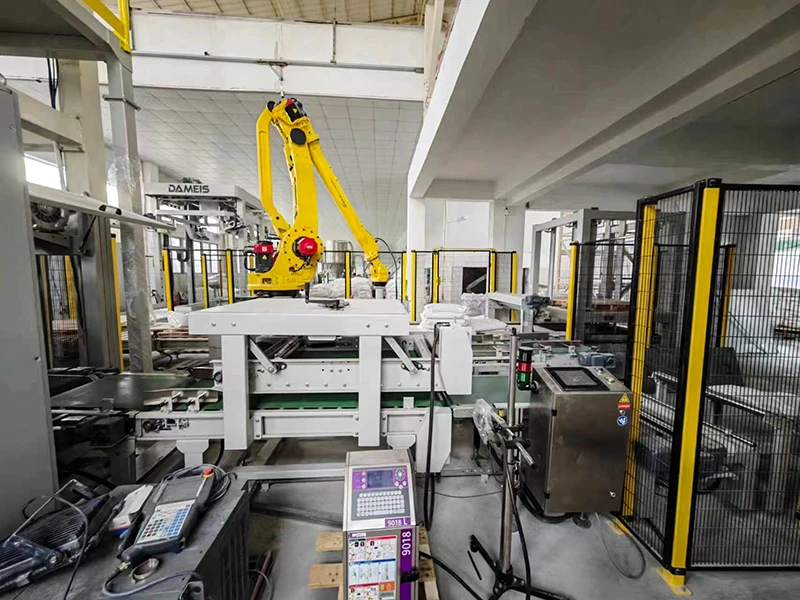
At the pallet the result is simple: a 15 kg sack that arrives rectangular, cool and correctly weighed. That is what the palletizer, the stretch wrapper and the retail chain actually see, and on a 15 kg bagging line it is the whole product.
Need a 15 kg Bag From Roll Film Instead of a Magazine?
Send the bag weight, the bulk density of the product and the film type you intend to run. We answer with a film width, a bag length and a line layout for your format, plus the changeover to 25 kg on the same machine.
Send your bag specification English
 Русский