
Оборудование для вторичной упаковки конвейер защита от скольжения
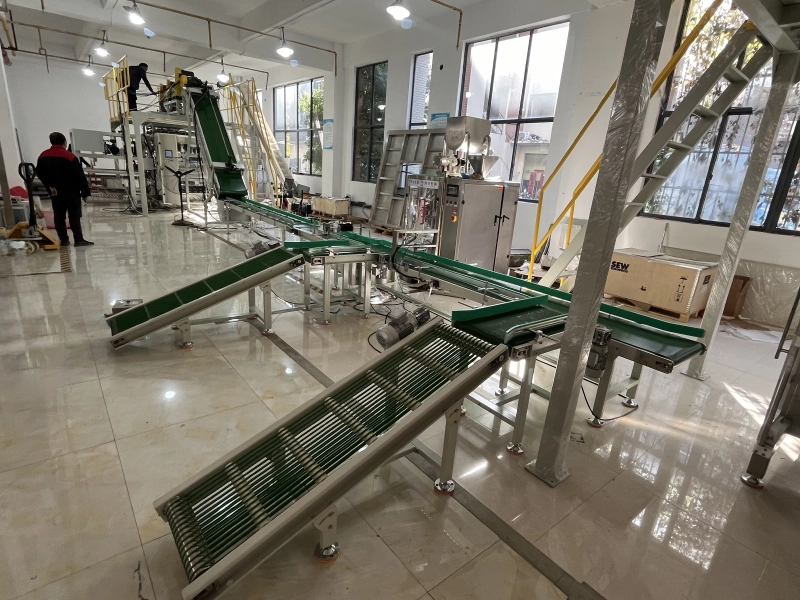
Is Your Salt Production Sliding Out of Control?
In the salt and chemical industry, “slippage” isn’t just a nuisance—it’s a production killer. When 1kg salt bags hit a standard conveyor, micro-slides cause counting errors, jams at the merger, and messy “shingling.” Stop fighting friction physics with manual labor. Our anti-slip secondary packaging lines are engineered specifically for high-dust, low-friction environments.
The Hidden Crisis: When “Smooth” Become “Stuck”
If you are managing a packaging line for salt, starch, or urea fertilizers, you know the specific nightmare of “aerated bags.”
Your VFFS machines are pumping out 60 bags per minute. The film is dusty, and the product is aerated (ballooning). When these bags hit a standard smooth belt conveyor, they don’t accelerate instantly. They skid. This split-second delay destroys the spacing required for accurate counting.
The result? The Secondary Packaging Machine (Secondary Packaging Machine) receives 4 bags instead of 5, or worse, two bags overlap and jam the gate. Your operators spend more time clearing jams than monitoring quality.
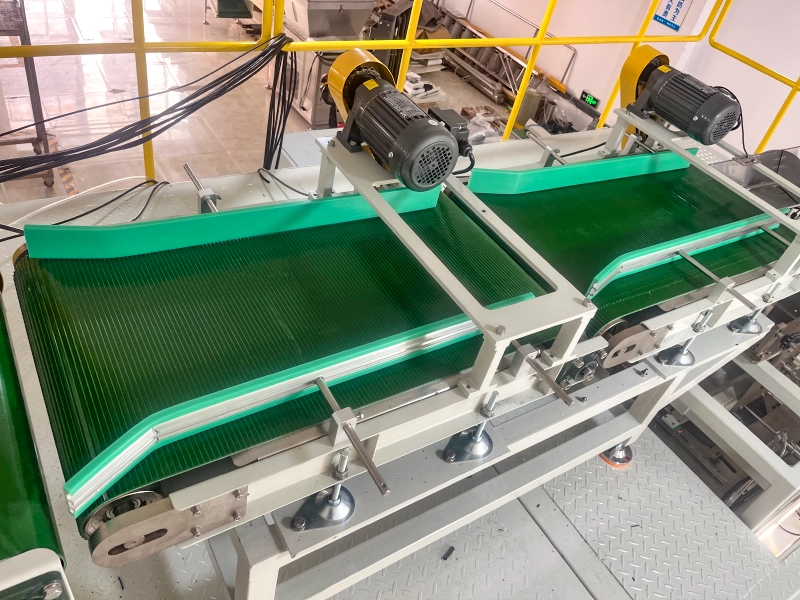
Figure 1: Precision counting requires absolute grip. Our servo-driven gates and high-friction belts ensure exact bag spacing, even with dusty salt bags.
Engineering Grip in a Dusty World
Standard conveyors are useless when covered in a fine layer of salt dust. That is why our solution focuses on mechanical grip and positive control.
- PVC Grass-Pattern Belts: We don’t use smooth belts. We utilize specialized PVC belts with a “grass” texture. This acts like off-road tires for your bags, penetrating the dust layer to grip the bag film directly. This ensures that when the motor accelerates, the bag moves instantly—zero slip.
- Double-Deck Shaping (De-Aeration): Before the bags even reach the grouping unit, we run them through a double-deck incline conveyor. This physically presses the “balloon” air out of the salt bags, turning them into flat bricks. Flat bags have more surface area contact with the belt, further reducing slippage.
- Servo-Driven Synchronization: We use Inovance servo motors to match the speed of the infeed conveyor exactly to the VFFS discharge. This eliminates the “impact skid” that happens when a fast bag hits a slow belt.
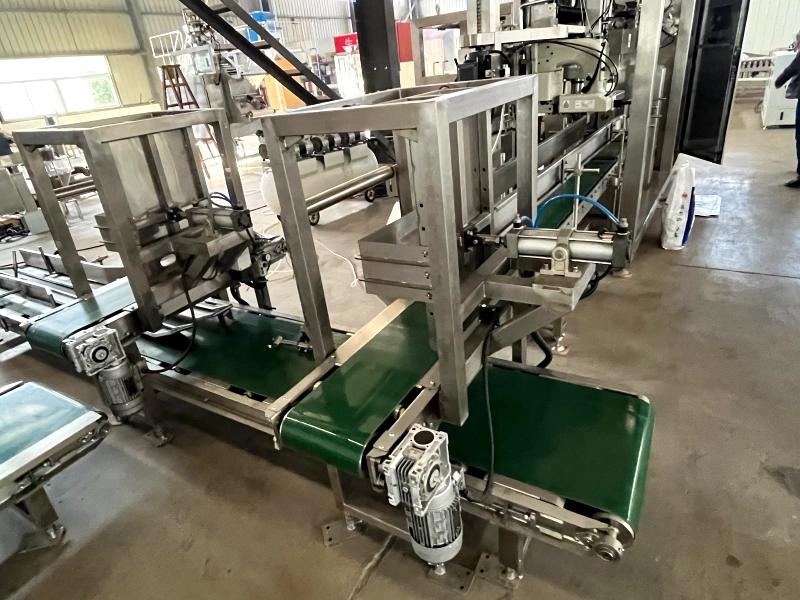
Figure 2: Controlled transfer. Even after sewing, the bag turning mechanism relies on precise friction control to orient heavy 50kg bags for metal detection.
Surviving the “Salt Fog”
Solving the slip is only half the battle. In a salt processing plant, the air itself eats metal. A standard carbon steel conveyor will seize up within 18 months due to rust.
Our Secondary Packaging Machine systems are built with a “Salt-Spec” configuration:
316L Stainless Steel Contact Points: Every surface that touches your product is medical-grade stainless steel. It resists the chloride attack that destroys lesser metals.
Sealed Bearings & Motors: We use IP65/IP67 rated motors (SEW/Shiyuan) and sealed bearings to prevent salt dust from entering the moving parts and creating abrasive paste.
From Slippery Chaos to Solid Stacks
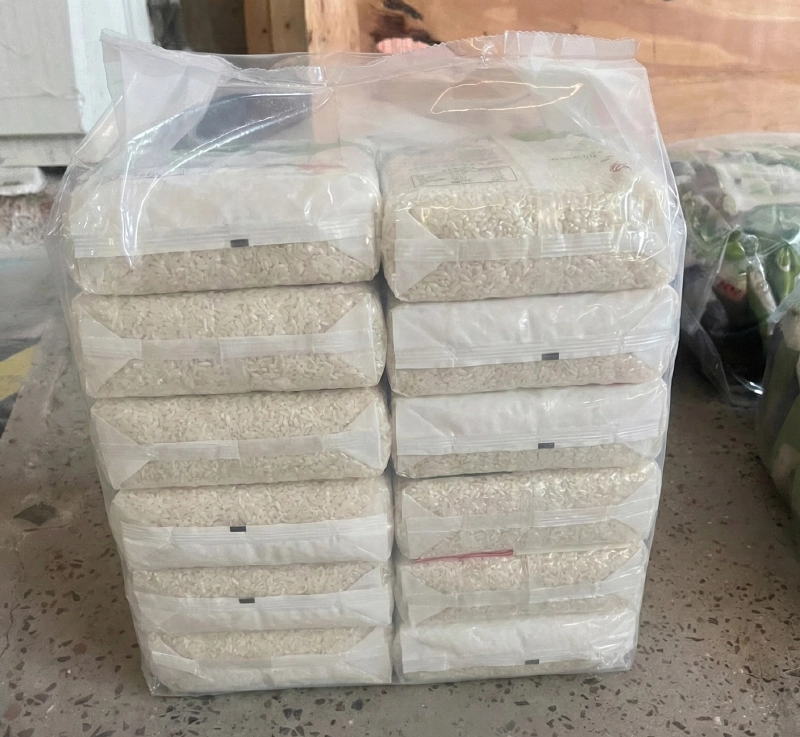
When you control the friction on the conveyor, you control the quality of the final pallet. By ensuring the bags are de-aerated and perfectly spaced before they enter the master bag, the final secondary package is a tight, square brick—not a loose sack.
This means when our robot palletizer stacks them, they interlock perfectly. No more “leaning towers” of salt that get rejected by supermarket distribution centers.
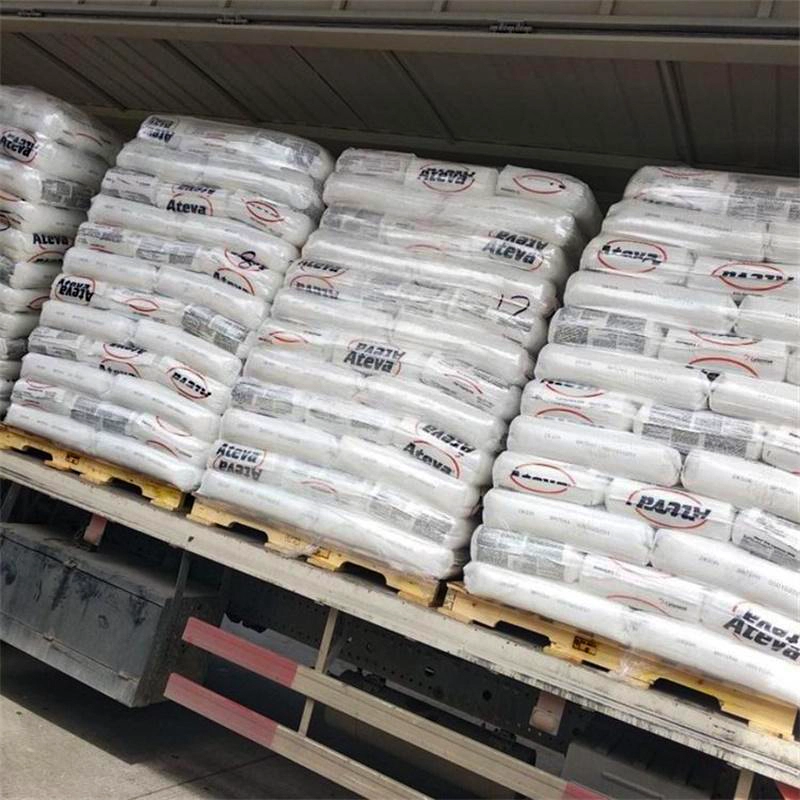
Figure 3: The ultimate test. Properly conveyed and packed bags create stable, transport-ready pallets that withstand long-haul trucking without shifting.
Часто задаваемые вопросы
1. Can this system handle wet or “green” salt?
Yes. For high-moisture salt, we upgrade the anti-slip belts to a specialized high-drainage design and increase the steepness of the vibration angles to prevent sticking.
2. My current bags are very dusty. Will the photo-eyes work?
We use SICK (Germany) sensors with background suppression and dust-penetrating modes specifically for this industry. We also install air-knives to keep the sensor lenses clean automatically.
3. How do you prevent the woven master bags from slipping during sewing?
The sewing station utilizes a synchronized dual-belt feed system with a knurled surface grip. This holds the heavy woven bag (up to 50kg) firmly while the needle passes through, ensuring a straight seal line.
4. What happens if a bag breaks on the conveyor?
We integrate a “Salt Filtering Conveyor” with diamond-pattern rollers. If a bag breaks, the loose salt falls through the rollers into a collection tray below, rather than accumulating on the belt and causing the entire line to slip.
5. Do you support the “Chestny ZNAK” tracking system for Russia?
Absolutely. Our conveyors are designed with stabilized sections specifically for Thermal Transfer Overprinters (TTO) to apply Data Matrix codes clearly, without the vibration that causes unreadable codes.
Нужна консультация по упаковочному оборудованию?
СВЯЗАТЬСЯ С НАМИ → English
 Русский
Leave a Reply