
Mipline Powder Packaging Line for Stable 25 kg Bag Transfer Before Sewing
For dairy powder, flour, starch, and other dry-powder plants, the last metre before sewing can decide whether a filled bag reaches the closing head square and stable. Mipline combines automatic bag handling, guided conveying, and enclosed stainless-steel equipment to create a cleaner handoff from powder filling to bag sewing or sealing.
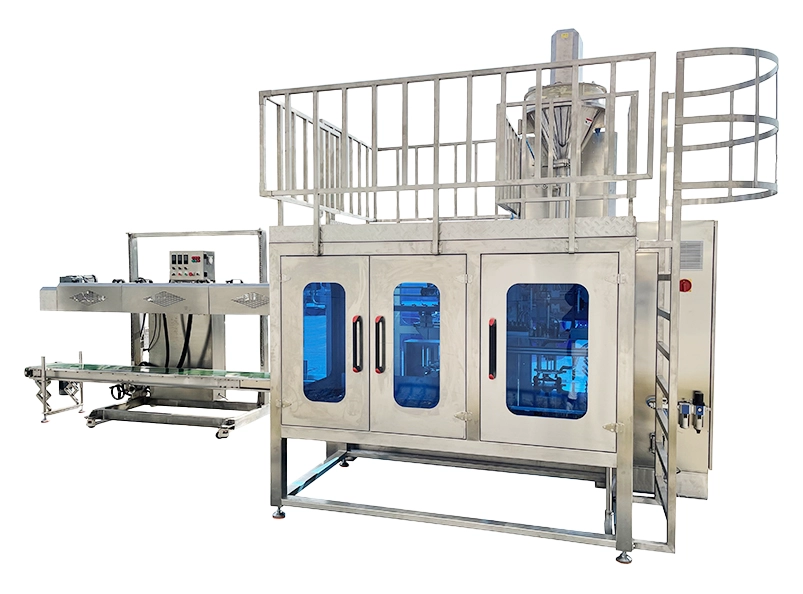
When the filled bag becomes unstable before sewing
In a conventional powder packing layout, operators often correct the bag by hand after filling. A woven or kraft paper bag may twist as it leaves the filling point, collapse against a transfer section, or arrive with its mouth skewed toward the sewing head. That creates more manual bag straightening, inconsistent bag presentation, and a less predictable sewing operation.
The issue is not only the filling machine. It is the continuity of the bag handoff between filling, conveying, alignment, and closing. A powder packaging line must control the bag at the points where it can twist, lose its square shape, or enter the next station off-centre.
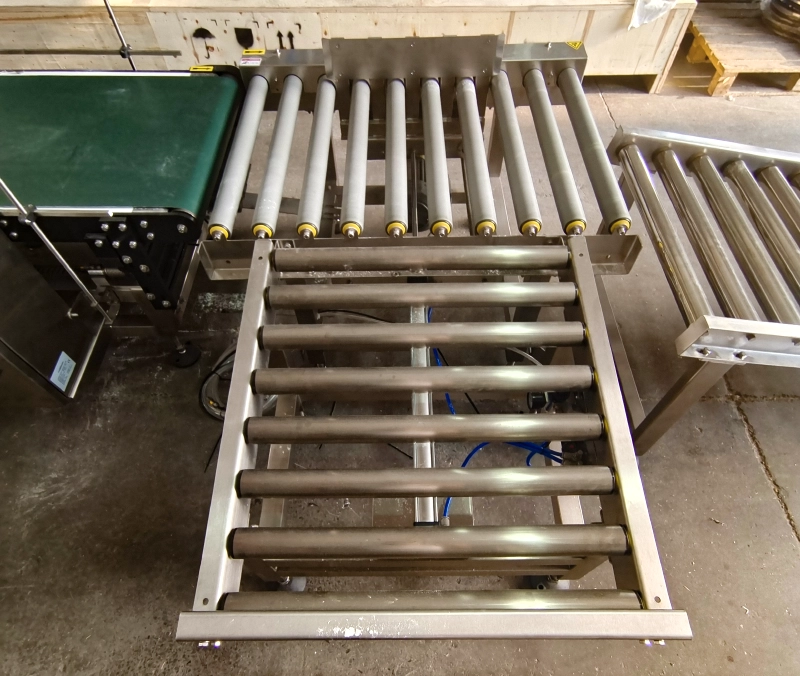
A filled bag that twists or collapses can make the sewing head unstable. Mipline addresses this handoff with guided roller transfer and controlled bag alignment, reducing the need for operators to straighten each 25 kg bag manually.
Why Mipline fits the powder bagging application
Mipline is configured as an automatic powder packaging line for industrial bags, including 25 kg kraft paper or woven bags. The line connects a bagging station with a bag magazine and transfer sections rather than treating each machine as an isolated unit. This gives the filled bag a guided path after dosing and before sewing or sealing.
For a milk powder packaging machine, dairy powder bagging line, flour bagging line, or starch powder packaging line, the same principle applies: control the bag through filling, conveying, alignment, and closing so the sewing station receives a more repeatable bag mouth position.
Engineering view: Guide geometry and transfer settings should be selected against the actual powder characteristics, bag construction, filled weight, and required line speed during commissioning.
Equipment evidence: enclosure, transfer, and alignment
The stainless-steel roller conveyor sections provide a visible transfer surface for moving large bags between line modules. Angled rollers and supporting frames help maintain a defined route instead of leaving the bag to drift across an uncontrolled gap. This is the part of a powder filling and bag sewing line that directly addresses unstable bag transfer before sewing.
The twin-belt transfer arrangement adds contact and guidance on both sides of the bag. Adjustable side guides help keep the pack centred as it moves through the handoff. In practical terms, this supports cleaner bag alignment and more stable bag transfer before sewing.
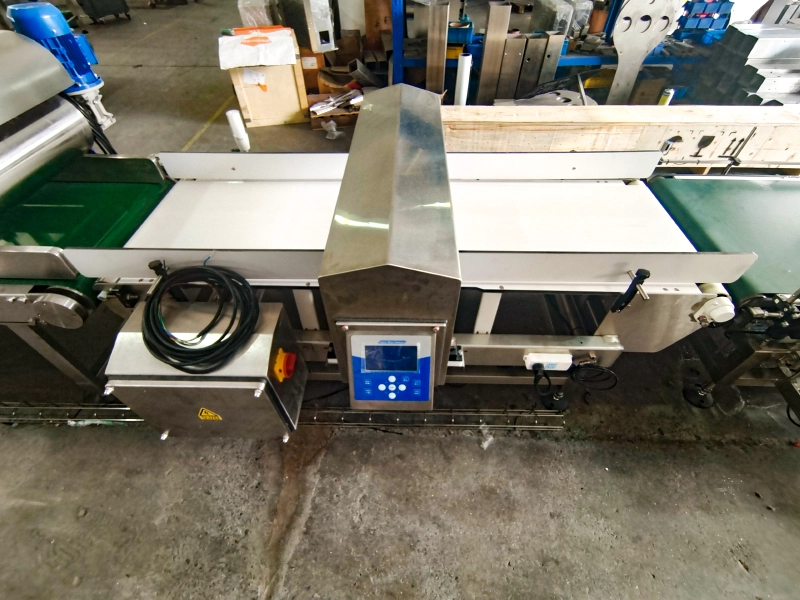
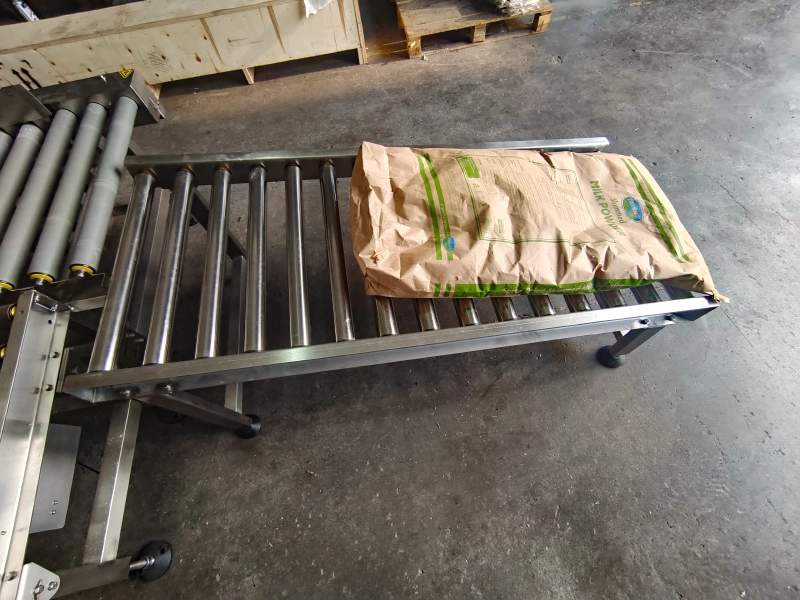
The bag-contact evidence is also important for buyers specifying a 25 kg powder bagging line. A filled kraft paper bag needs support during transfer, while the conveyor must remain accessible for cleaning, adjustment, and inspection. Mipline’s stainless-steel machine frames, visible levelling feet, guarding, and inspection windows support a more maintainable dry powder packaging equipment layout.
| Line requirement | Mipline evidence | Operational result |
|---|---|---|
| Stable bag handoff before sewing | Guided roller transfer and adjustable side guides | Less manual bag straightening |
| 25 kg kraft or woven bag handling | Supported conveyor route and bag-contact transfer sections | Cleaner bag alignment |
| Food and powder plant maintenance | Stainless-steel frame, guarding, inspection windows, and access platform | Easier inspection and line integration |
Plan a cleaner powder bagging line
Share your powder, bag type, target weight, and sewing or sealing method with BPM to review a suitable Mipline configuration for stable bag transfer before closing.
Discuss your powder packaging line English
 Русский