
Why Feed Bags Start Breaking at the Dispatch Dock
At a feed plant, the trouble usually starts after filling, not before. The bag looks fine in the packing room, then it gets dragged, dropped, stacked, and dragged again at the dock. That is where the seams split, the dust shows up, and the line starts to look slower than it really is.
When one bag tears, the team does not just lose a sack. They lose a fill cycle, a rework step, and a clean dispatch rhythm. On a heavy schedule, that is where labor starts to pile up.
Where the breakage usually comes from
The problem is rarely one part. Bag mouth alignment slips, the fill falls too fast, and the outfeed leaves too much shock on the sack body. If the dock crew has to fix the bag by hand, the plant is already paying for a weak layout.
What the client needs is a line that keeps the bag square from the fill point to the conveyor. The machine should hold the mouth, settle the load, and move the sack without a hard drop.
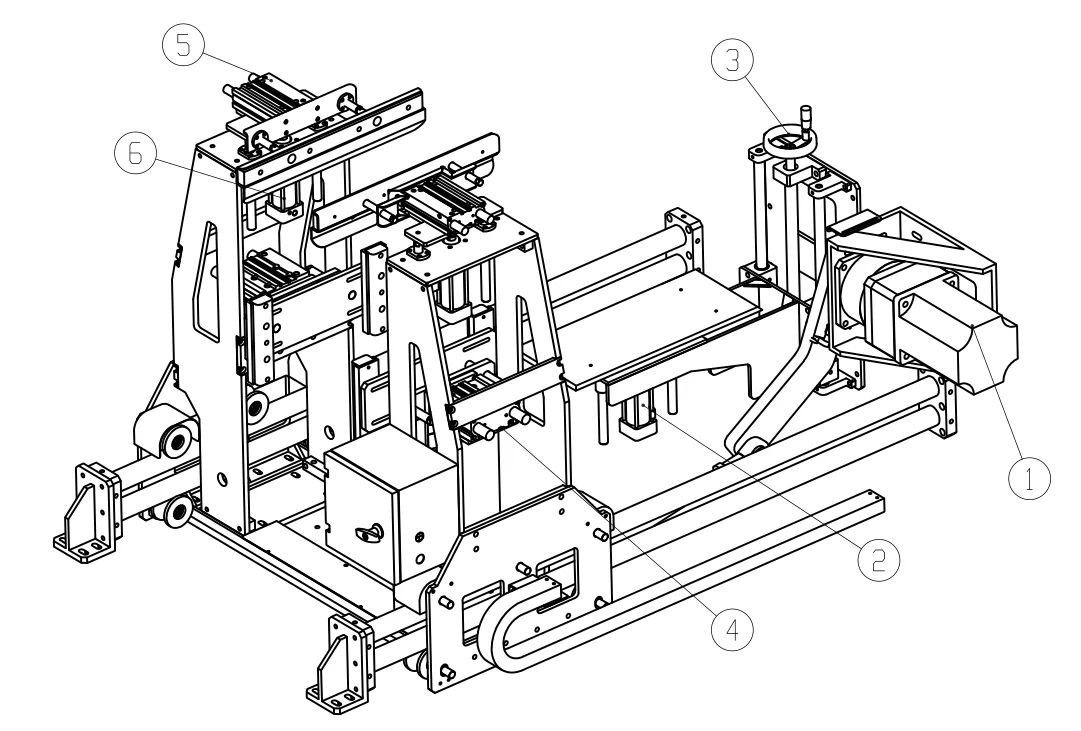
BPM Engineering Insight: Bag damage is often a handling problem, not a filling problem. The cure is a steadier discharge, a tighter bag grip, and a shorter manual touch count between the scale and the pallet.
What changes when the line is set up for control
Once the sack is guided instead of pushed, the dock calms down. Operators stop catching bags in midair. The rework pile shrinks. The plant can keep the same crew and still move a cleaner shift.
That is why a simple conveyor change can matter more than a bigger scale. The bag leaves the station in a better shape, so the next step does not have to repair the damage.

| Manual dock handling | Controlled bagging and outfeed |
|---|---|
| More bag shocks and seam stress | Cleaner transfer with less sack damage |
| Higher rework at the pallet | Fewer touches between fill and stack |
| Uneven rhythm in rush hours | More stable shift output |
Frequently Asked Questions
Q: Does bag breakage always mean the filler is wrong?
A: Not always. Many plants have a decent filler but a rough discharge point.
Q: Can one conveyor change make a visible difference?
A: Yes, if the sack is being hit, dropped, or twisted after filling.
Q: What should be checked first?
A: Bag grip, outfeed shock, and how many times the sack is handled before it reaches the pallet.
Ready to review your bagging dock?
If the sacks are tearing or the crew keeps reworking the same stack, send the layout to our team and ask for a packing review.
Need a consultation on packaging equipment?
CONTACT US → English
 Русский
Leave a Reply