
Pellet packaging equipment for polyethylene bags: How an FFS line keeps dispatch steadier
For plants that need cleaner pellet dispatch, steadier dosing, and less manual sewing, an FFS line gives a compact route from bulk feed to sealed polyethylene bags. It replaces open sack filling with online bag forming, filling, and sealing.
Why pellet plants move away from open sacks and sewing
When pellets are packed into open woven sacks or paper bags and then closed on a sewing machine, the line usually inherits three weak points: dust at the bag mouth, moisture pickup during transfer, and inconsistent closure quality. If the pallet is loaded by hand, the bag flow is also slow and hard to standardize.
An FFS system changes that sequence. The film is formed into a bag, the pellets are dosed into the bag, and the package is sealed immediately. That means the bag stays closed sooner, the transfer path is shorter, and the final package is more suitable for warehouse stacking and export dispatch.
Manual bag loading, sewing, and secondary handling often create dust, slow bag turnover, and extra labor. For pellet producers, that also means more package damage in transit and more time spent on rework.
Why this FFS equipment fits pellet packaging
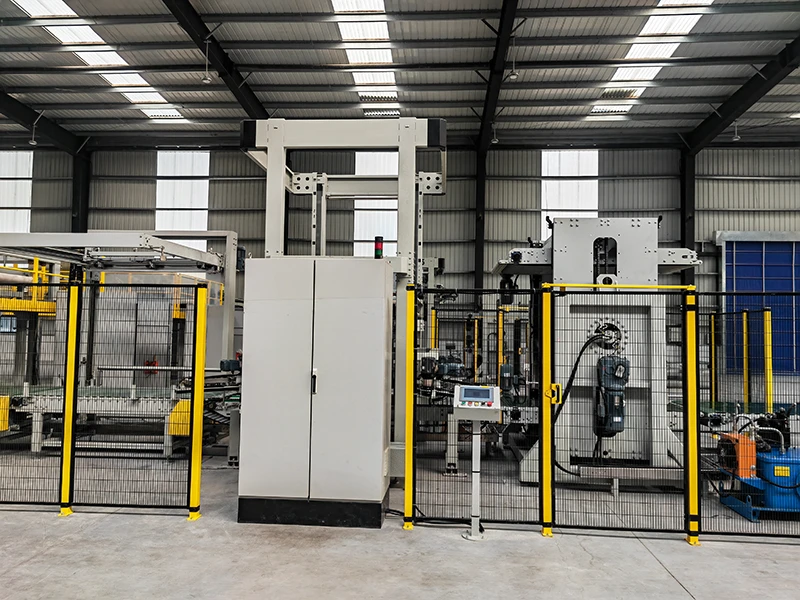
The product fit comes from the machine structure, not just the bag type. The closed machine frame, elevated working platform, side conveyor, and enclosed cabinet support a stable continuous flow. In practice, the line can be integrated around a warehouse or production floor without forcing a large, open manual packing area.
For polyethylene bag pellet packaging, the key is to keep the line tight and controlled. FFS bag forming supports online film use, so there is no need to store pre-made bags or send them through a separate sewing station. That reduces handling steps, makes the package mouth more consistent, and helps the plant keep dust away from the finished bag surface.
Operational takeaway: the line is best when the factory wants a cleaner bag mouth, steadier throughput, and a sealed package that is easier to stack, move, and store.
Structure, parameters, and evidence from the workshop photos
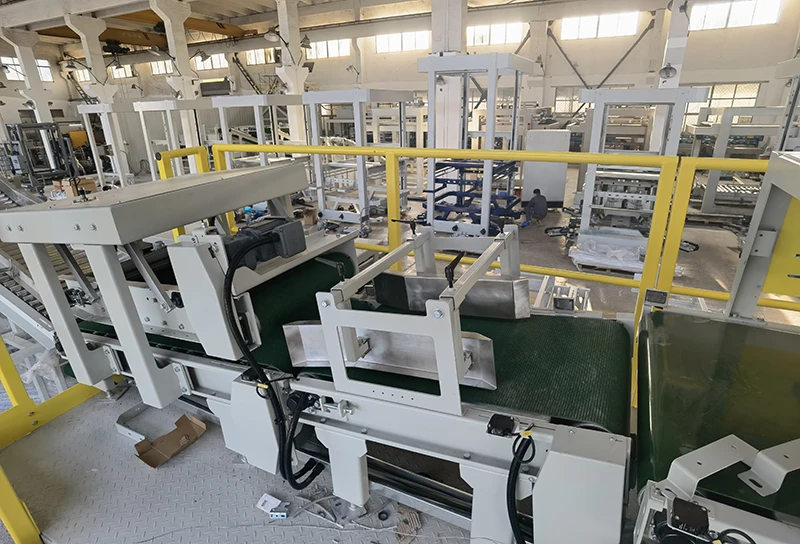
The first workshop image shows the bag forming and filling area with guard rails and a side conveyor. That matters because the operator area is protected while the package is still moving through the critical forming and filling stage. The second image shows the wider machine body and service platform, which is the kind of layout that helps when a plant needs maintenance access without interrupting the whole line.
According to the product traffic profile, the line is built around fully automatic bag forming, dosing, sealing, conveying, and optional palletizing. Typical advantages include a compact footprint, high throughput, and precision control in the dosing stage. For pellet plants, that translates into steadier bag weight, less manual touch time, and a more stable dispatch flow.
| Check | Old method | FFS answer |
|---|---|---|
| Bag closure | Sewing after filling | Film bag is formed and sealed in line |
| Dust control | Open mouth and repeated handling | Shorter exposed transfer path |
| Labor use | Manual bag loading and closing | Automatic forming, filling, and sealing |
| Warehouse flow | Loose packages and more rework | Cleaner bags that stack and dispatch more steadily |
Need a pellet bagging line for polyethylene bags?
If your current packing flow still depends on open sacks, sewing, and heavy manual handling, an FFS line is a practical way to move toward cleaner output and steadier dispatch. Share your bag weight, target speed, and bag material, and we can match the layout to your plant.
Request a bagging layout English
 Русский