
How a Russian Bulk-Products Packer Reduced Sack Skew Before Sewing
A steady bag handoff matters more than many teams expect. In woven-sack packing, the last meter before sewing decides whether bags stay square, seal cleanly, and move into palletizing without constant manual correction.
From manual straightening to controlled bag transfer
The customer scenario was simple: a Russian plant packing bulk materials into woven sacks needed a more stable transfer after filling. The line was already filling bags, but operators still had to nudge sacks into position before stitching. That created small delays, inconsistent seam alignment, and unnecessary wear on the team during long shifts.
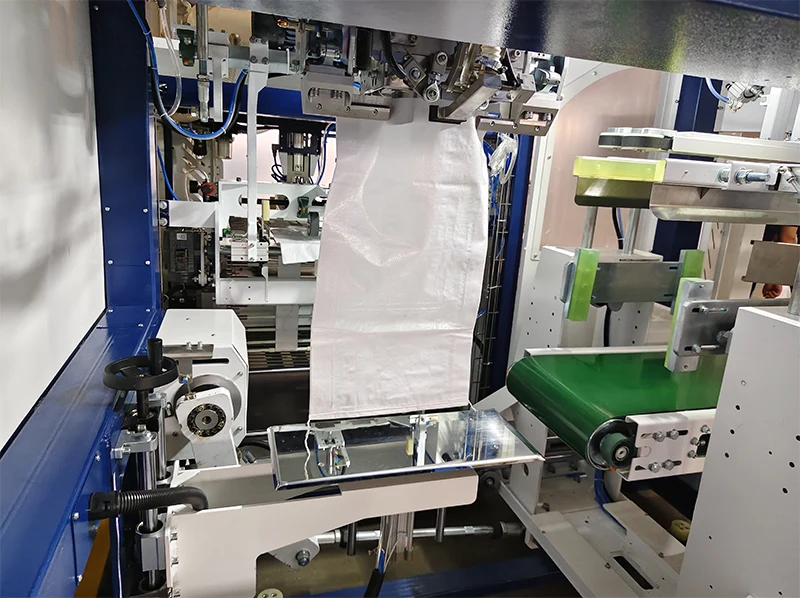
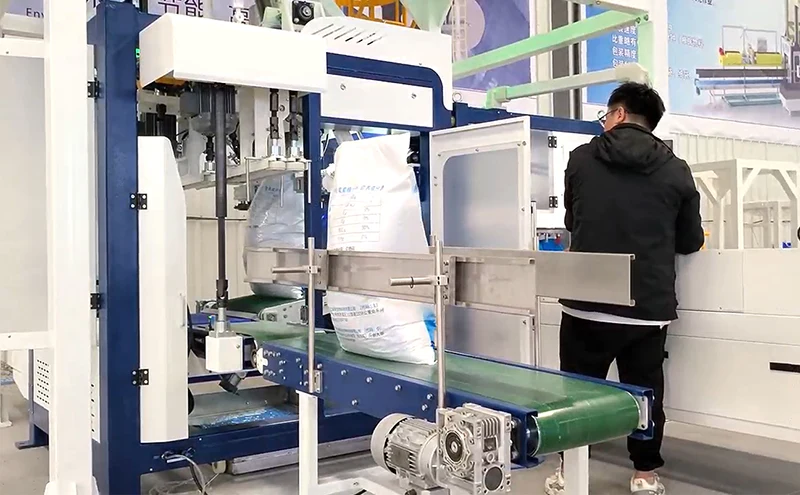
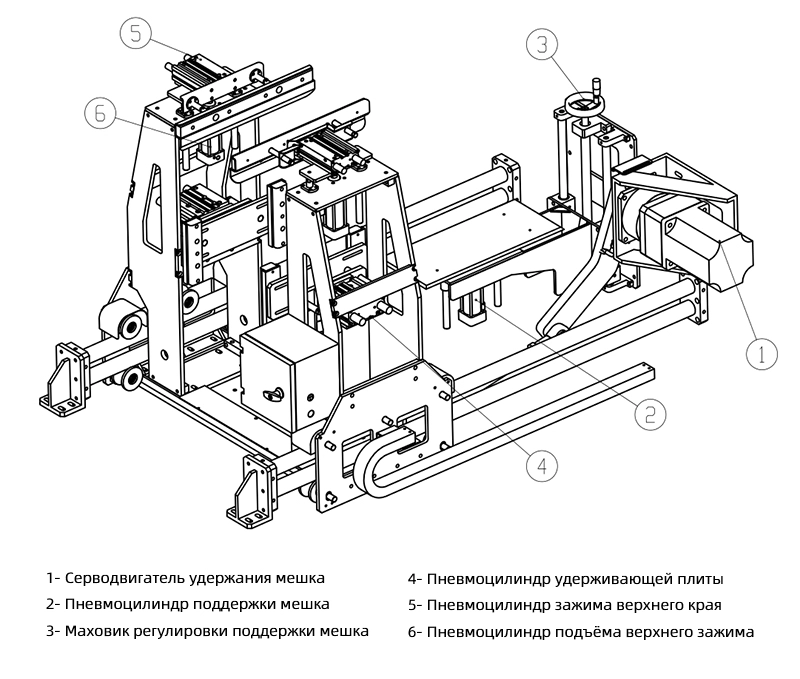
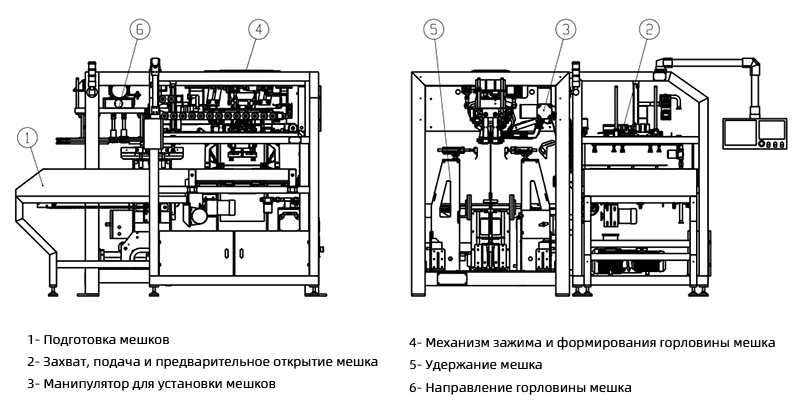
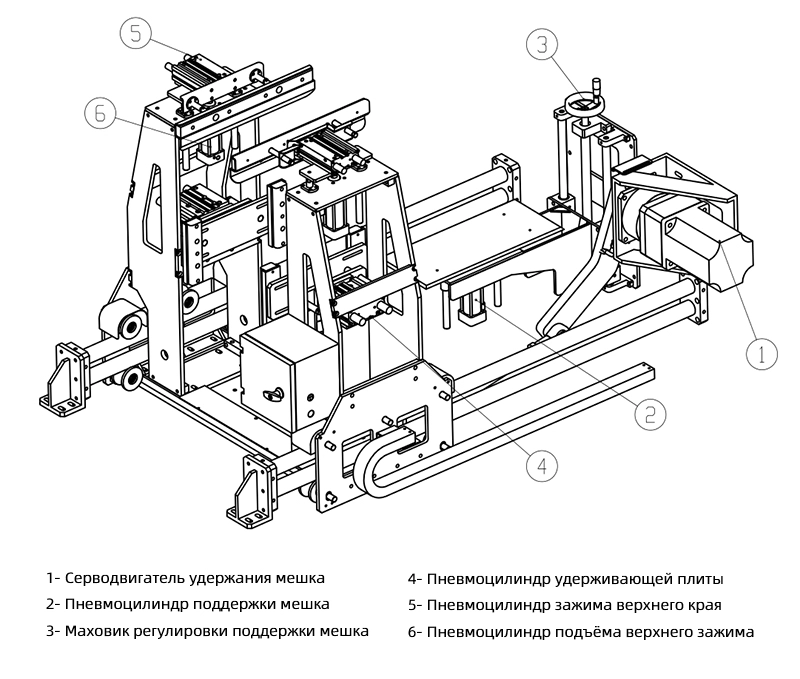
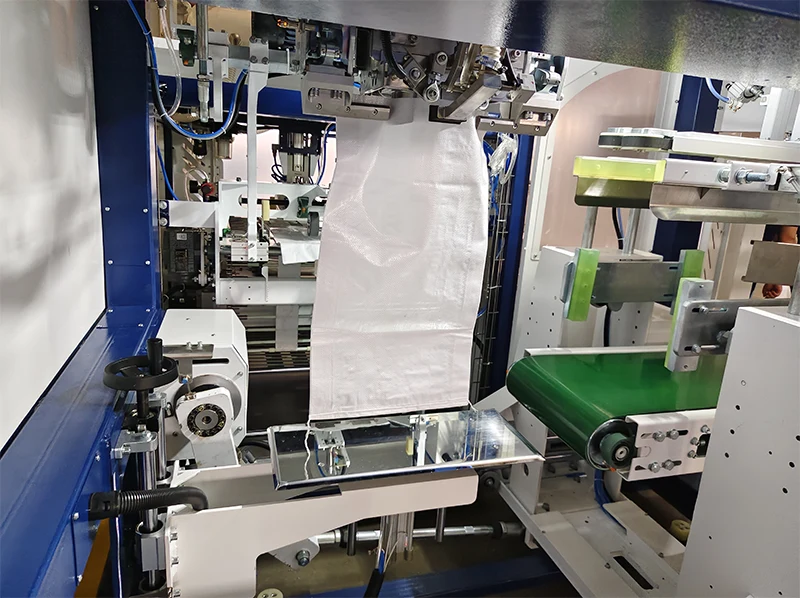
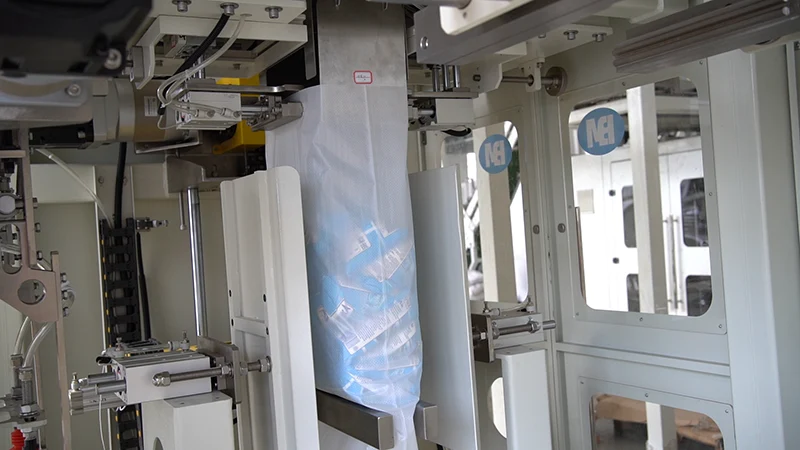
PPLINE fits this kind of job because it is built around bag control, not just bag filling. The line uses a rigid steel structure, a guided conveyor path, and a controlled outfeed zone so the sack stays supported while it leaves the filling point and reaches the sewing head. That approach reduces skew at the exact moment where manual correction usually starts to happen.
When a bag exits a filling station unevenly, the stitching head has to work around the problem. The result is slower throughput, more rework, and a higher chance that the sack reaches palletizing with a crooked body or a stressed seam area.
Why this line structure solves the problem
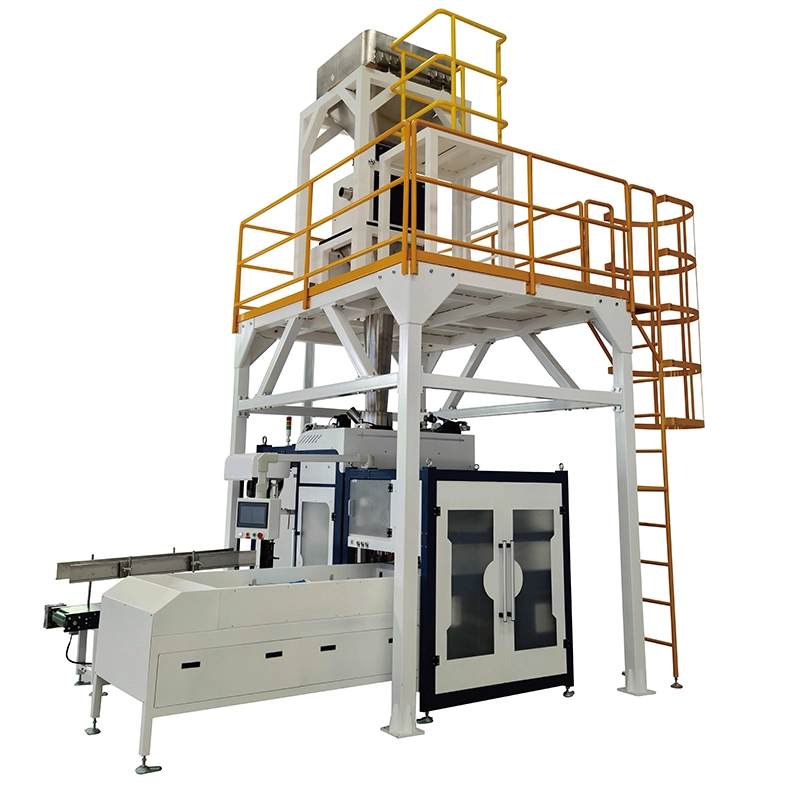
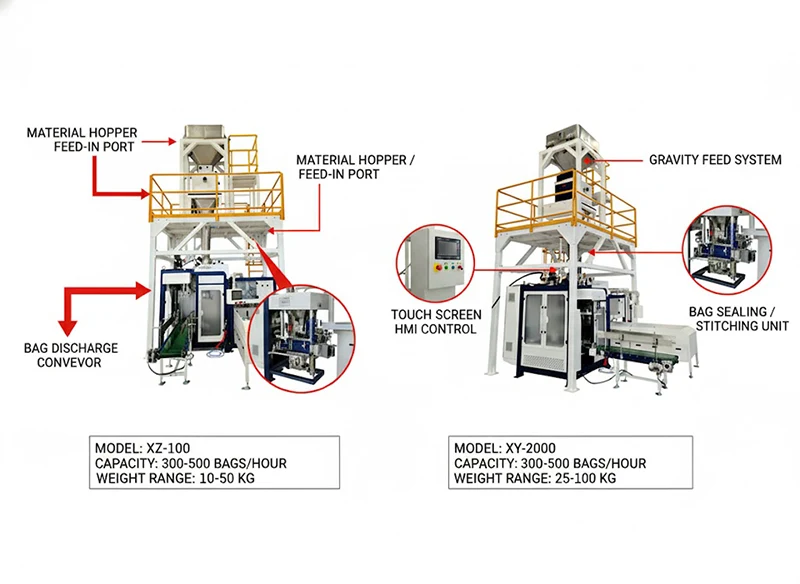
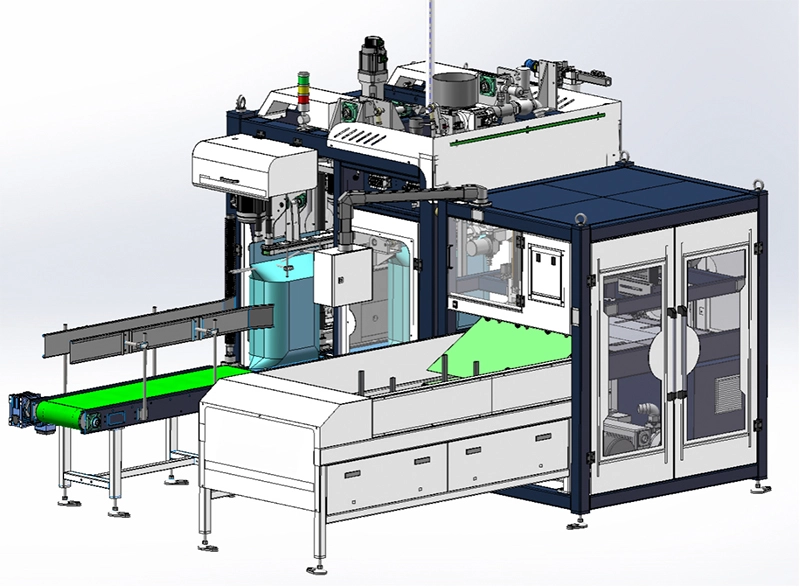
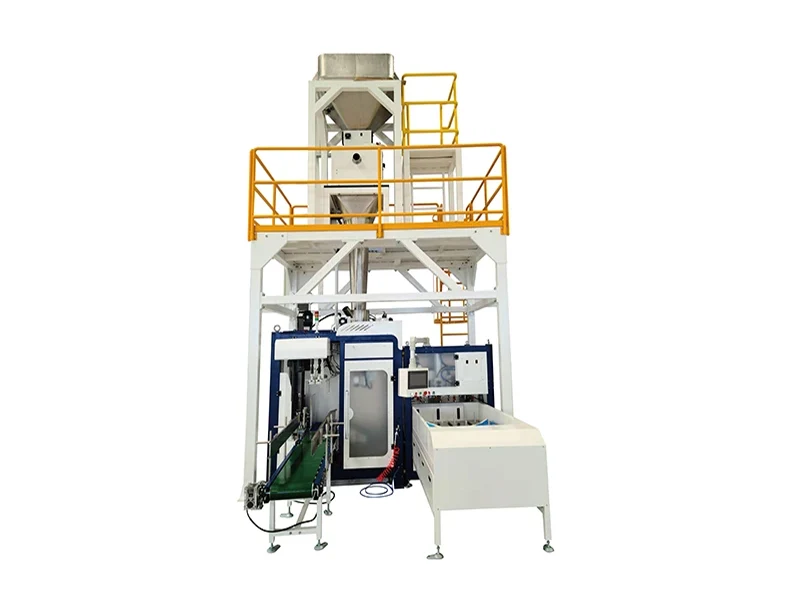
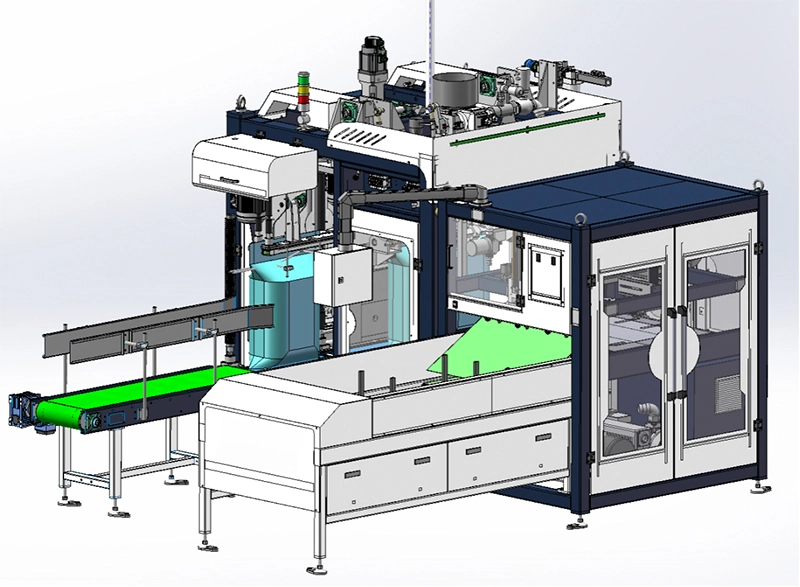
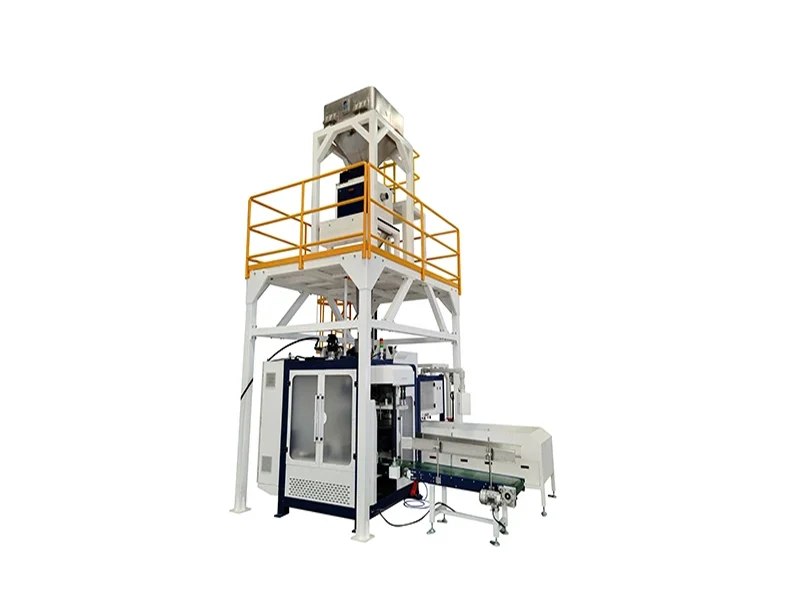
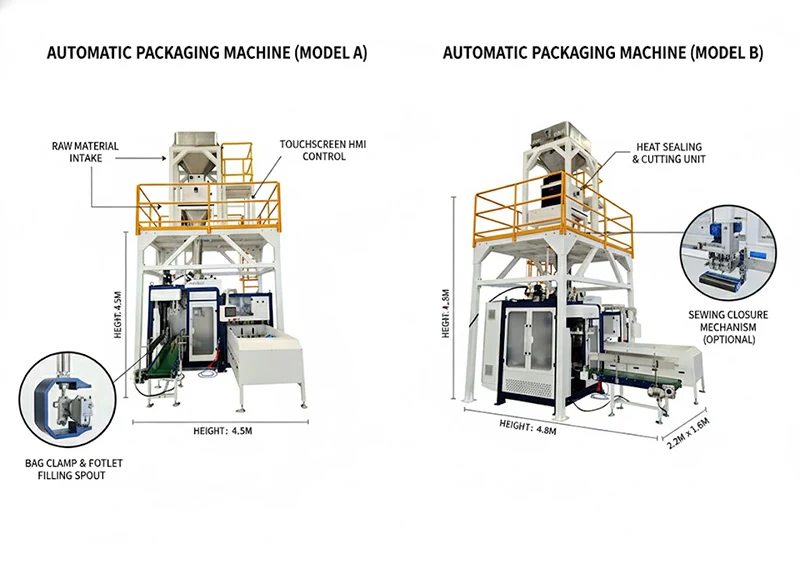
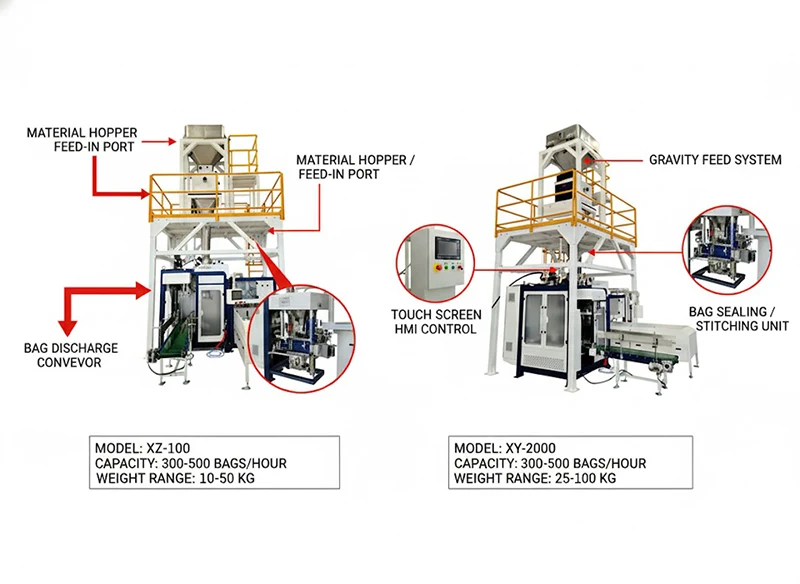
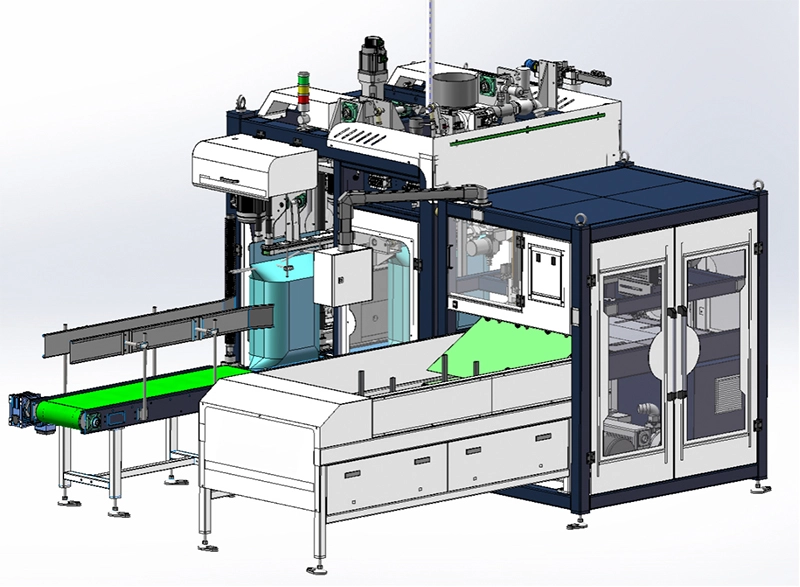
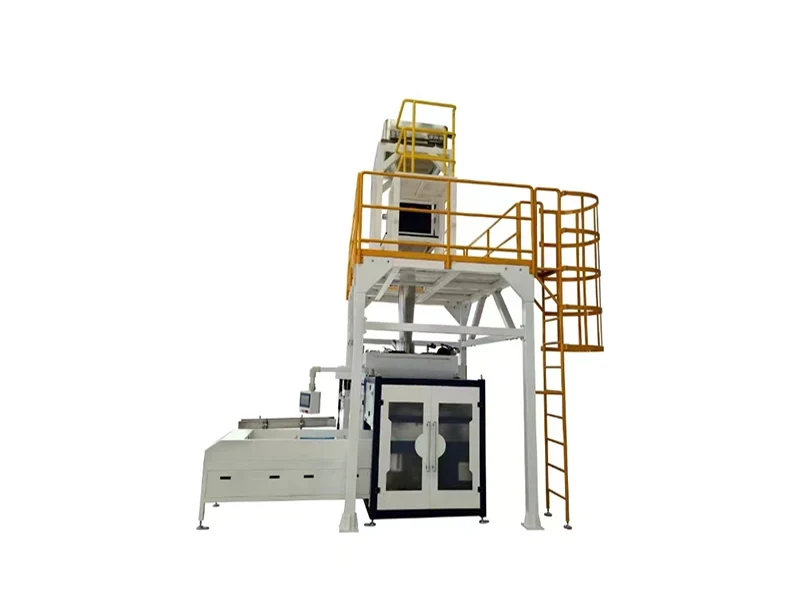
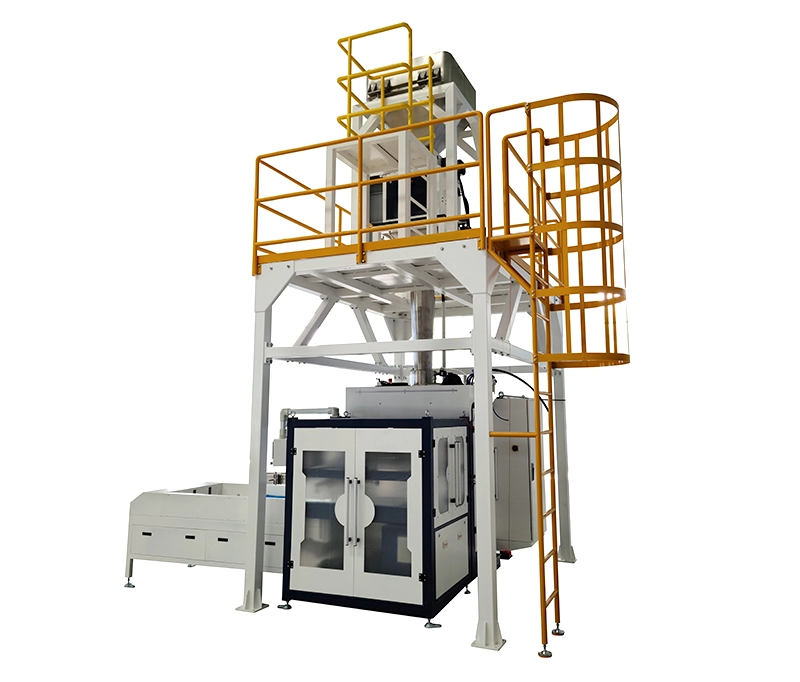
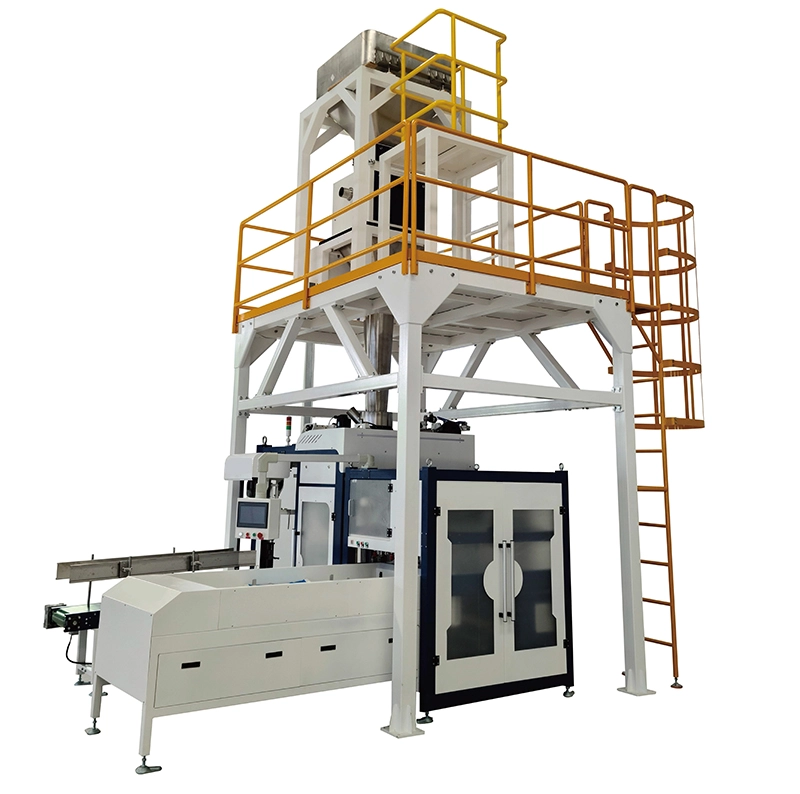
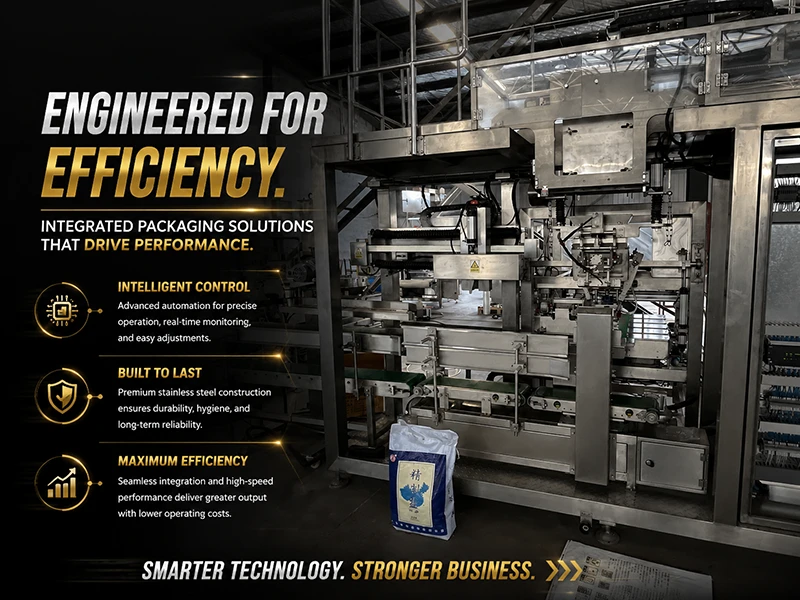
The most visible advantage is the line’s physical organization. The elevated platform keeps the working area clean and accessible, while the enclosed machine body protects the transfer path. The HMI-controlled interface helps operators keep the process consistent, and the outfeed conveyor gives each sack a defined route instead of letting it drift after discharge.
That matters for bulk products because a bag is not a static package. It moves, flexes, and settles. If the transfer path is unstable, the sewing head and the downstream palletizing zone inherit the misalignment. PPLINE reduces that risk by keeping the bag supported through the transition, which is exactly where many older lines lose control.
bpmpack Engineering Insight: In bulk-products bagging, the mechanical handoff is often more important than the nominal filling speed. A machine that preserves bag shape, support, and orientation at discharge usually gives more usable output than a faster line that relies on operators to fix every sack before sewing.
What the photos prove about the line
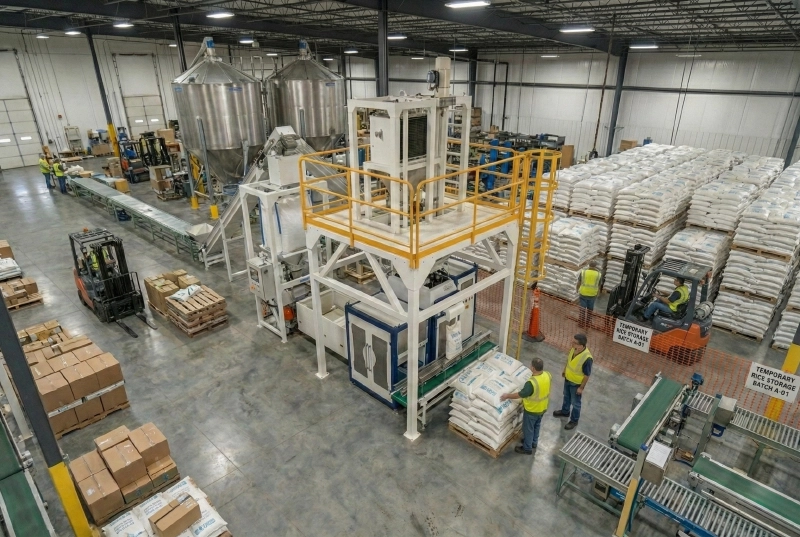
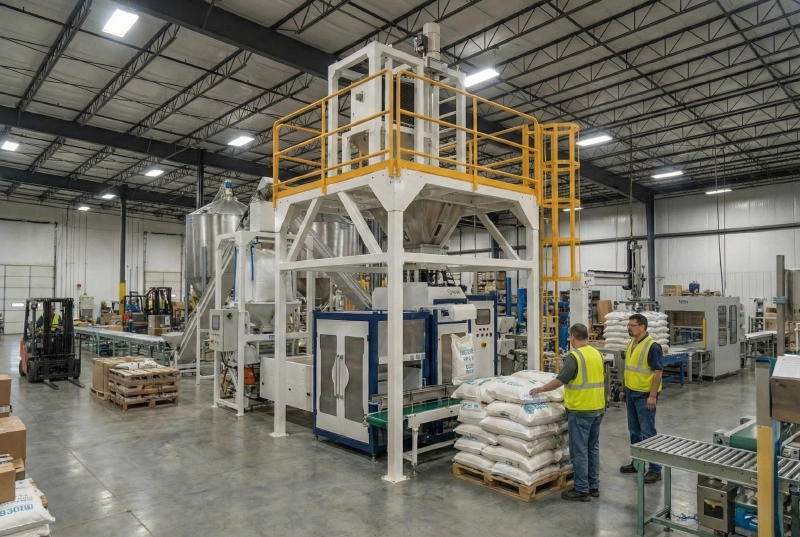
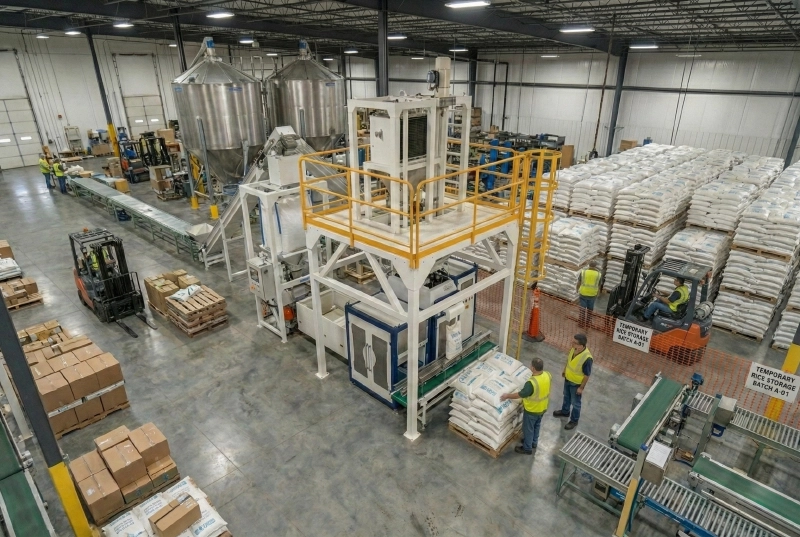
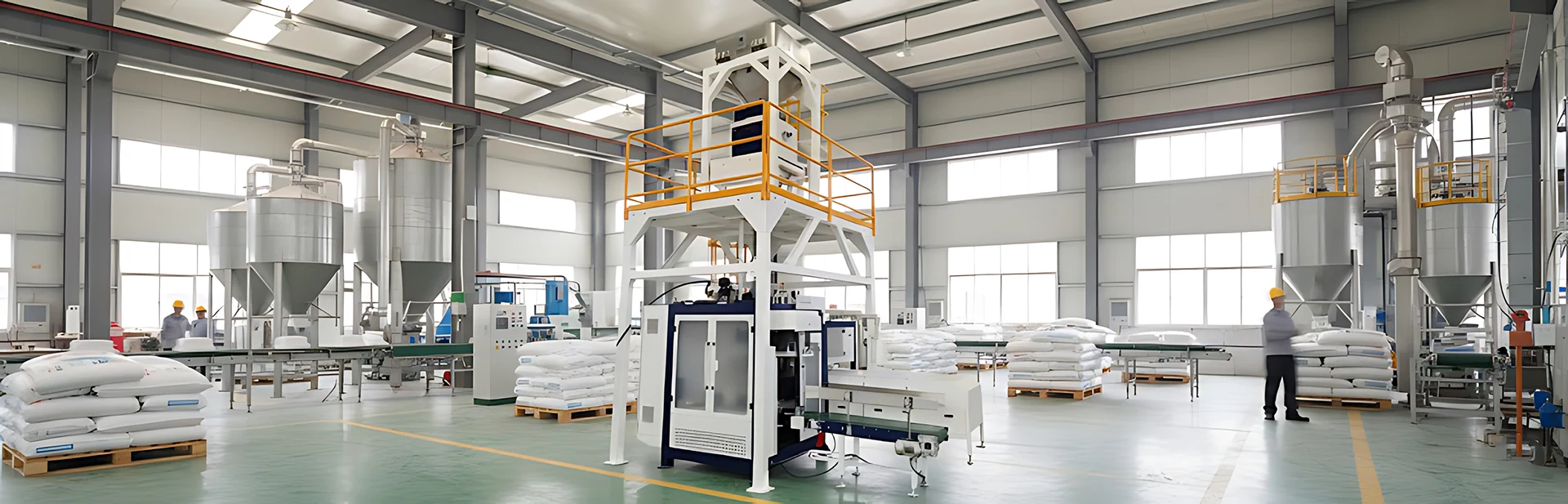
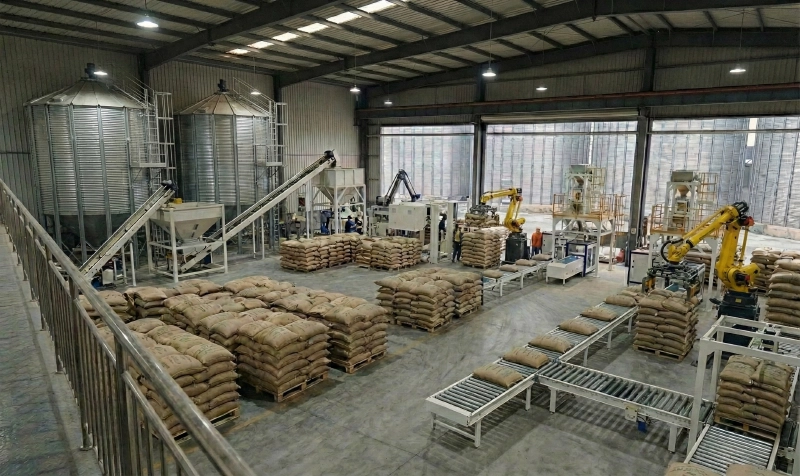
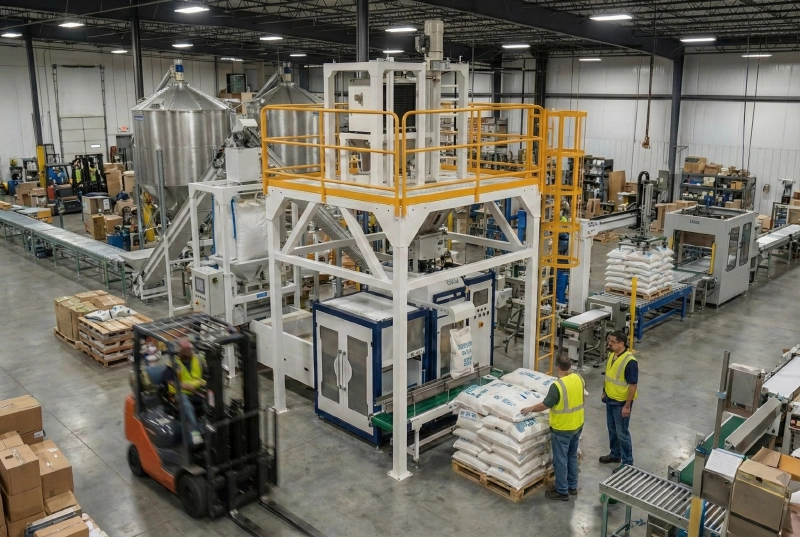
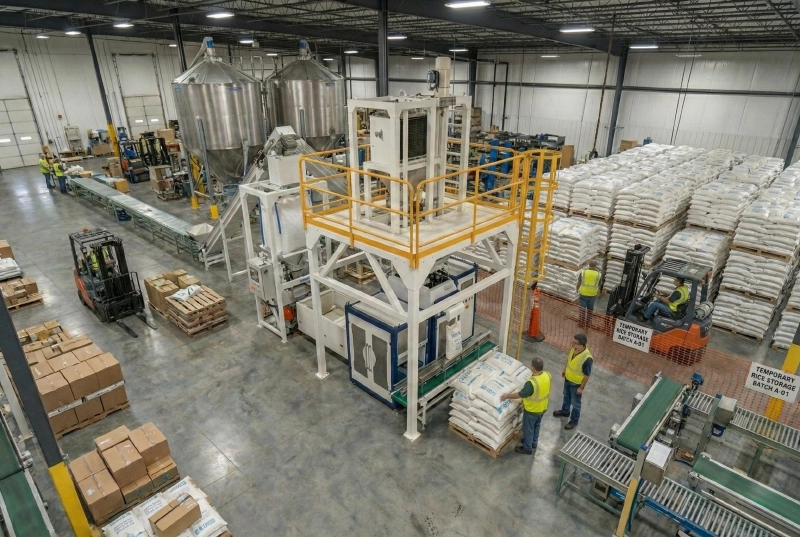
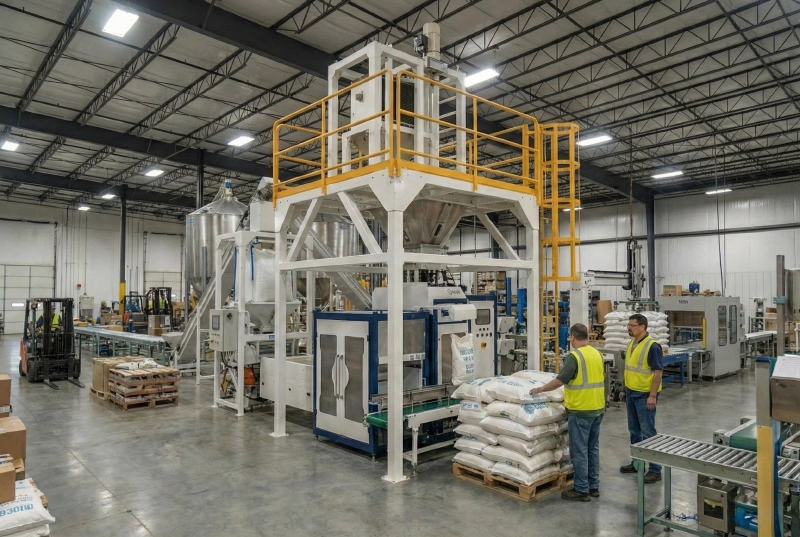
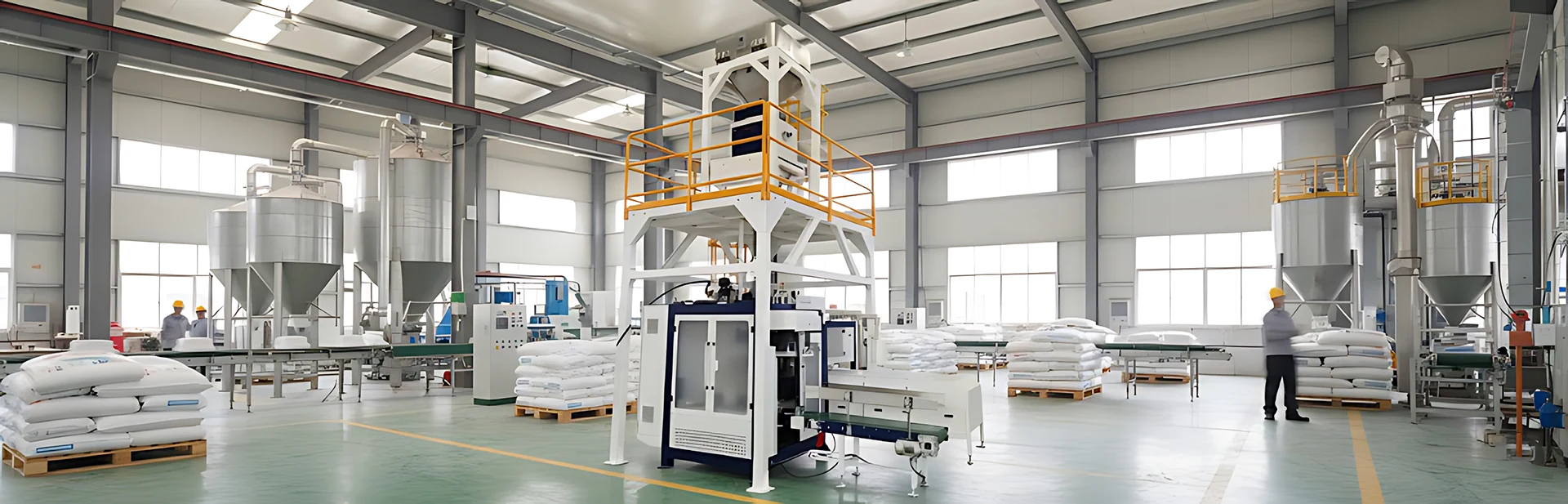
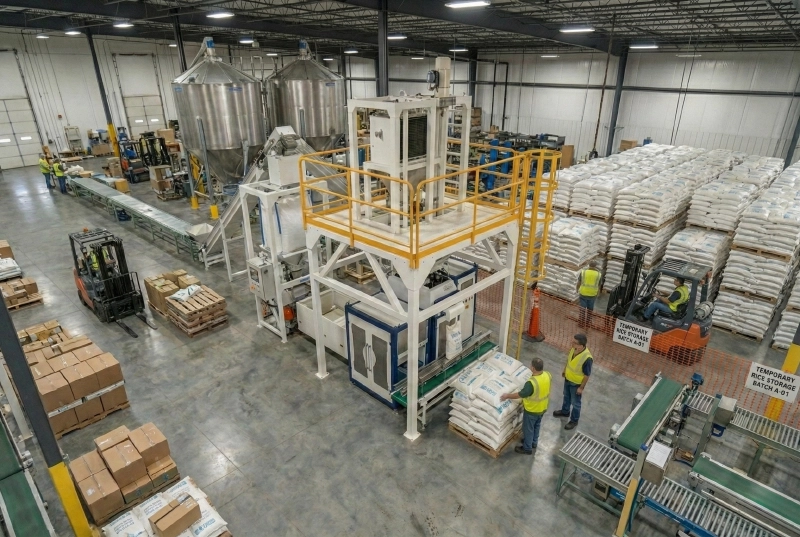
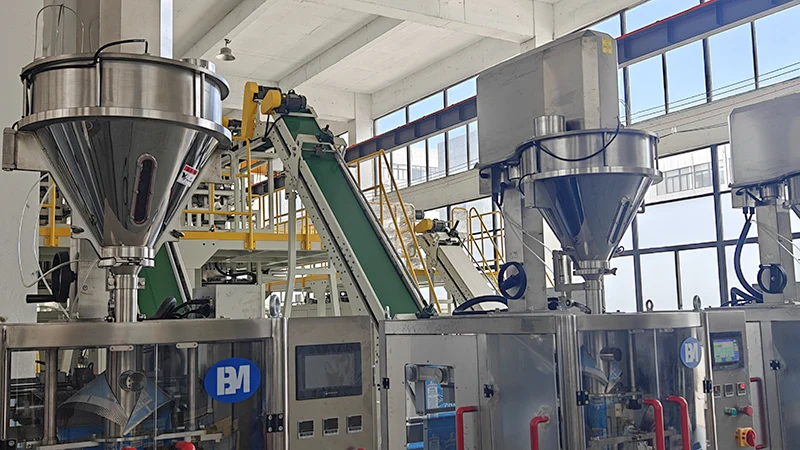
The two images show different but connected evidence. The isometric machine view highlights the swing-arm control panel, platform, and structured outfeed path. The factory photo shows the system in a real production environment, with silos, conveyors, and forklifts working together around the packing station. Together, they show that the line is designed for continuous operation, not just showroom presentation.
For a bulk-products customer, that combination matters. The machine needs to fit a real plant, tolerate repeated sack movement, and keep the bag body aligned as it moves from filling to closure. These are not abstract advantages; they are the conditions that decide whether a shift runs smoothly or becomes operator-dependent.
| Checkpoint | Old line behavior | PPLINE response |
|---|---|---|
| Bag alignment after filling | Sack drifts and needs hand correction | Supported outfeed keeps the bag square |
| Stitching consistency | Seam line varies with operator handling | Stable transfer improves sewing readiness |
| Shift stability | Throughput depends on manual intervention | Defined conveyor path reduces rework |
| Plant integration | Line feels isolated from upstream logistics | Structured layout fits silos, conveyors, and forklifts |
Need a cleaner sack handoff for your bulk-products line?
If your current packaging flow still relies on people straightening bags before sewing, PPLINE is the kind of line architecture worth reviewing. It is designed to keep the sack supported, aligned, and ready for the next step.
Talk to bpmpack
 English
 Русский