Automatic Bagging Machine & Palletizing Systems Manufacturer

Category: English

  • How an Automatic FFS Line for Bulk Products Keeps Bagging, Transfer, and Dispatch Steadier

    How an Automatic FFS Line for Bulk Products Keeps Bagging, Transfer, and Dispatch Steadier

    Bulk product bagging and packing

    How an Automatic FFS Line for Bulk Products Keeps Bagging, Transfer, and Dispatch Steadier

    For plants handling granules, pellets, fertilizer, and other free-flowing materials, most losses happen at the handoff points. A well laid out FFS line reduces those losses with a hopper-fed bagging machine, protected operator access, and a cleaner outfeed path.
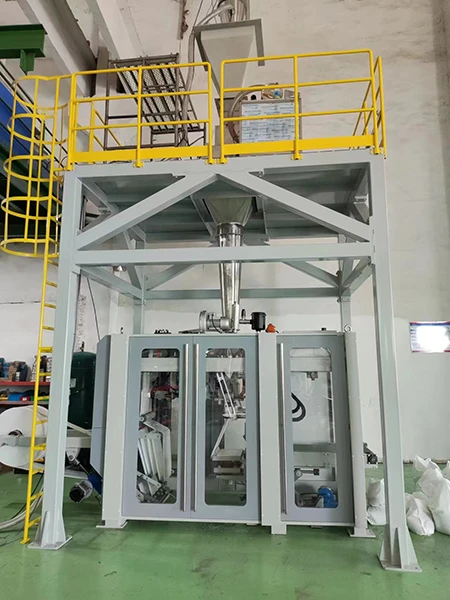
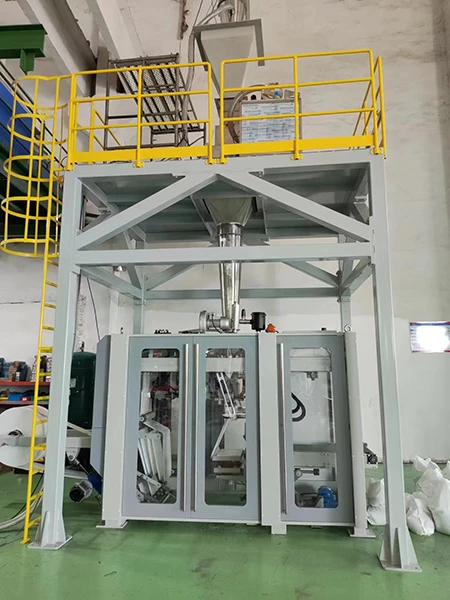
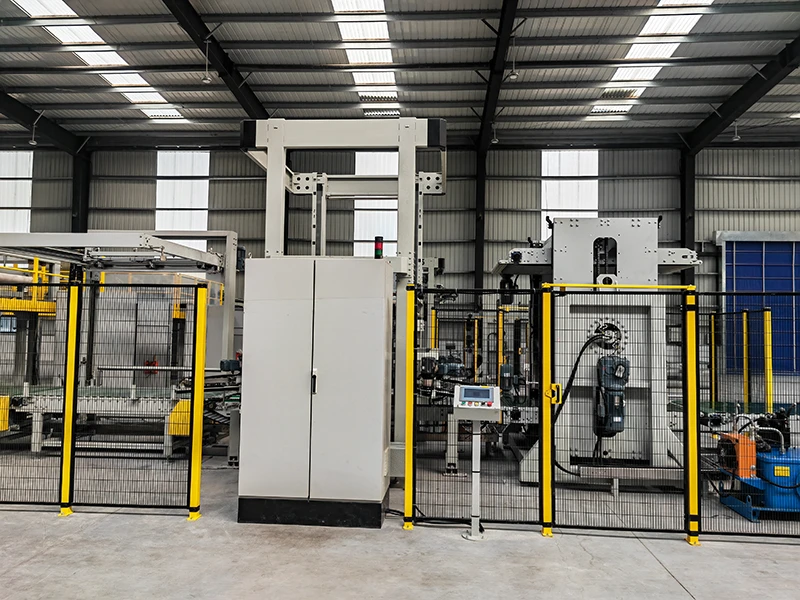
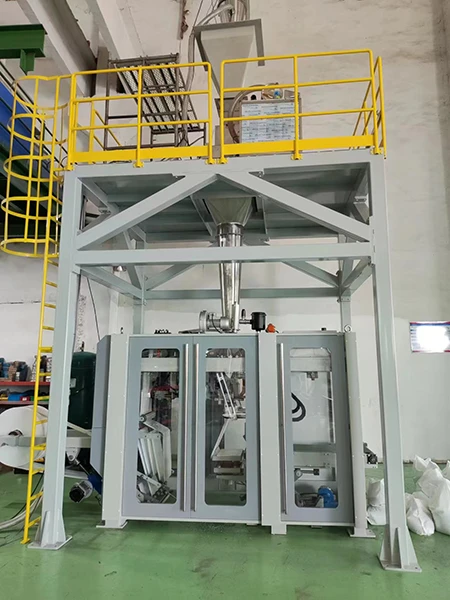
    Front view of FFS heavy-bag packaging machine with elevated platform, yellow safety rails, hopper, and enclosed cabinet

    Where the old setup usually slows down

    In many bulk-product plants, the first bottleneck is not the filling head itself. It is the time lost while operators position bags, keep feed stable, and move finished bags away from the machine. If the access points are too tight, maintenance becomes awkward. If the discharge path crosses forklift lanes, flow becomes stop-start. If the line is built around isolated machines instead of a clear process layout, the workshop spends more time compensating for the layout than producing bags.

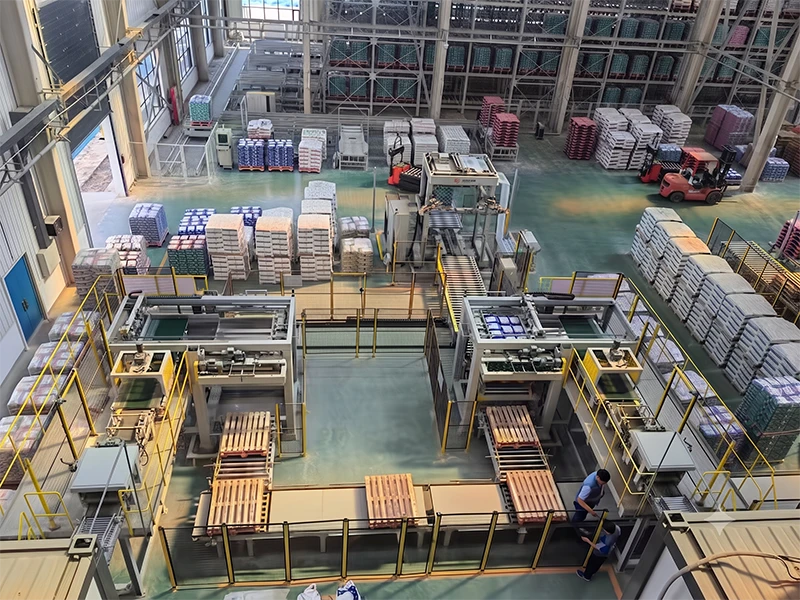
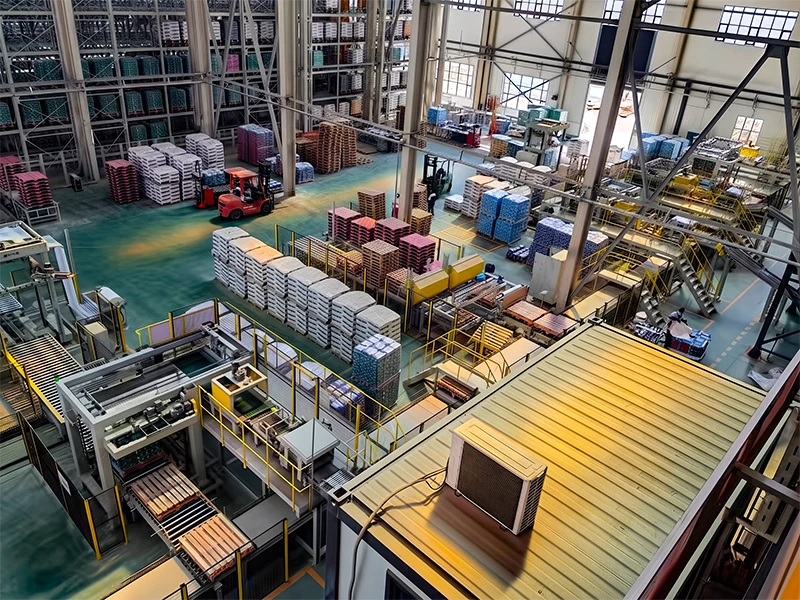
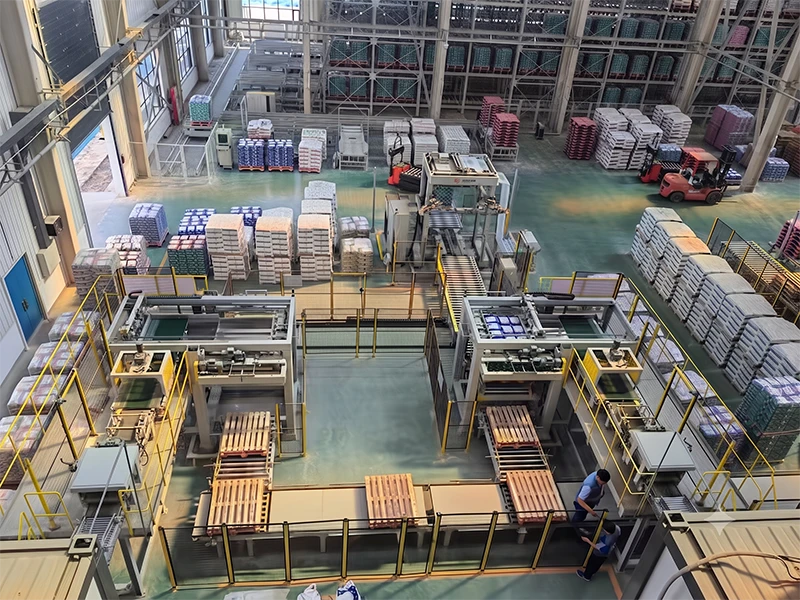
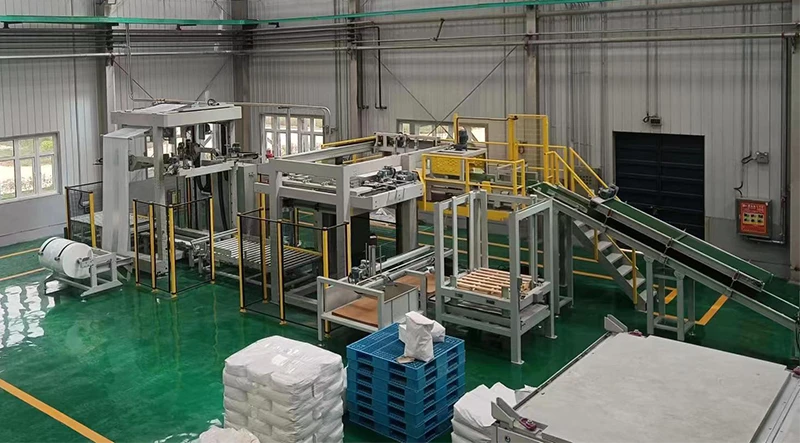
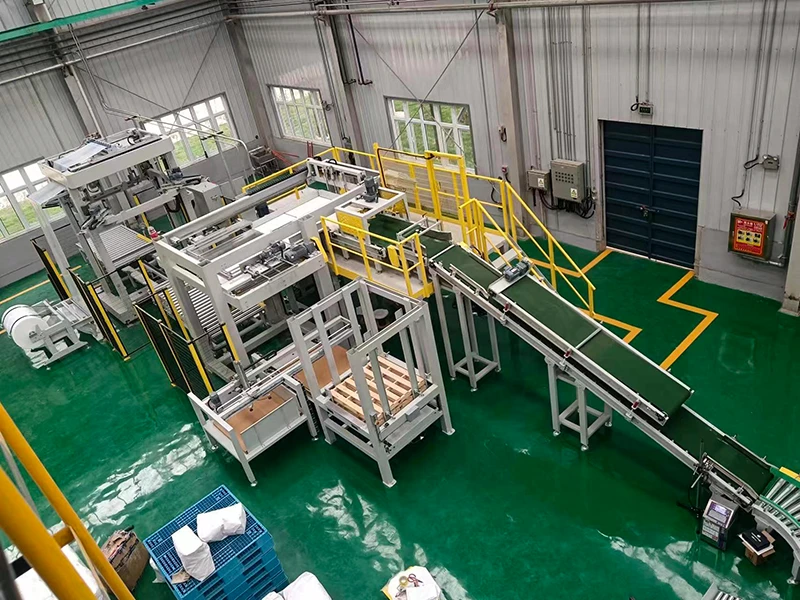
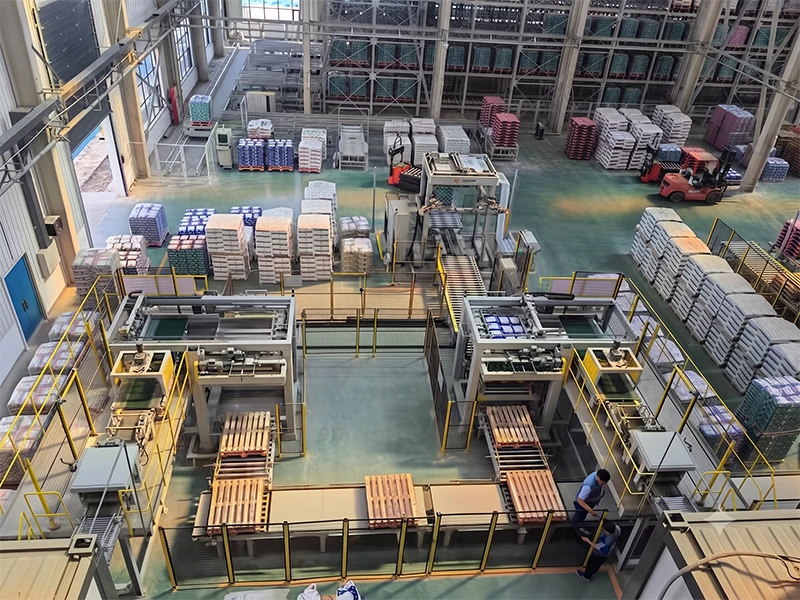
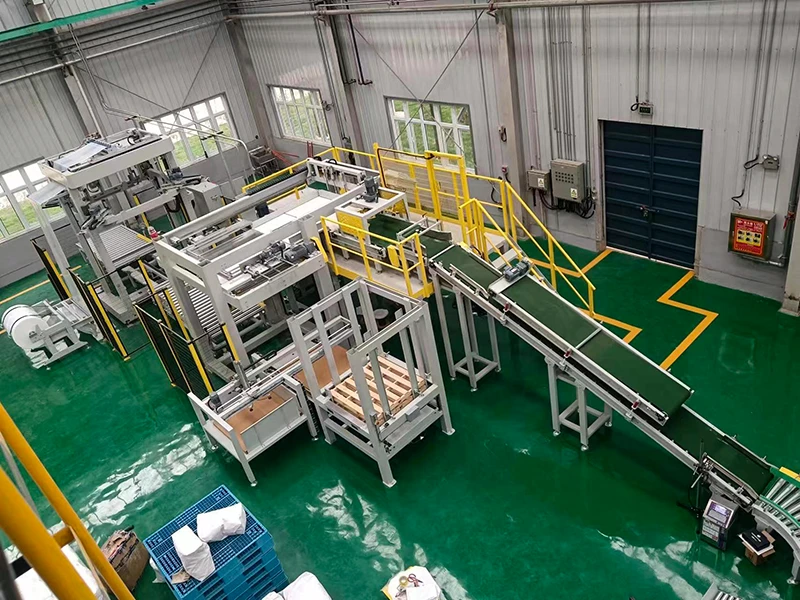
    The overhead layout makes that issue easy to see. When conveyors, platforms, palletized materials, and forklift lanes are all visible in one field of view, the difference between a working line and a crowded line becomes obvious. The useful layout is not the one with the most equipment. It is the one that lets each step of the process happen in sequence without forcing operators to fight the floor plan.
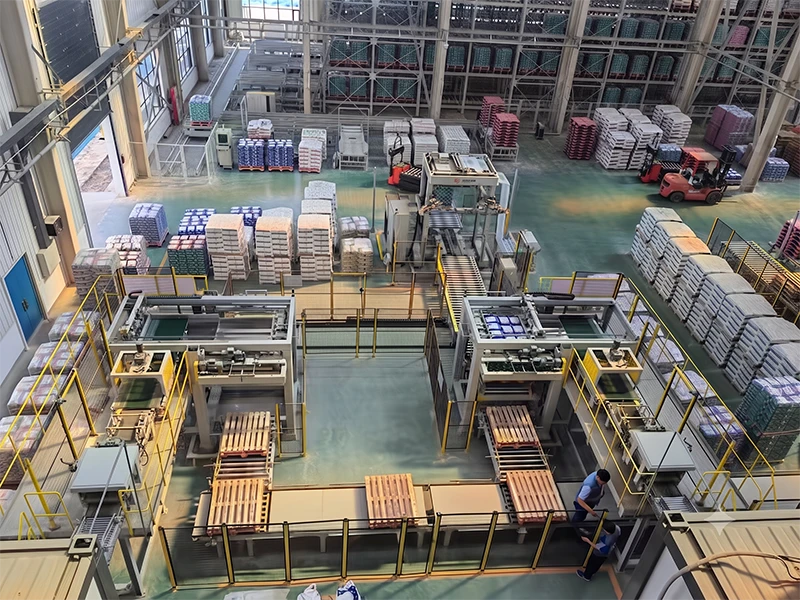
    Overhead factory view of FFS packaging line with conveyors, platforms, palletized materials, and forklift lanes
    The real problem is rarely the bag itself.

    It is the transfer between feed, fill, bag takeoff, and dispatch. When those points are poorly connected, throughput drops, cleaning takes longer, and operators spend more effort on handling than on control.

    Why this FFS line fits this kind of material

    The machine view shows a hopper-fed main unit, an elevated service platform, yellow safety rails, and an enclosed cabinet. Those details matter because bulk materials need a steady feed zone, not a fragile one. The hopper gives the line a practical entry point for free-flowing product. The elevated platform gives technicians a safer way to inspect the upper section without improvising access. The enclosed cabinet helps keep the core machine body protected and visually organized, which is especially valuable in a busy workshop.

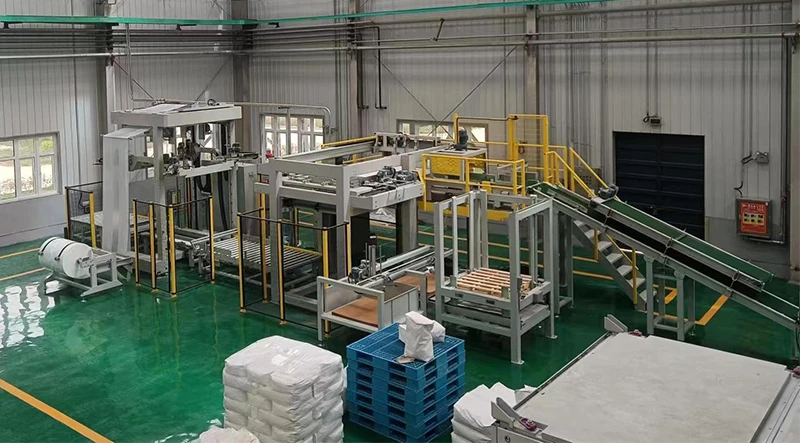
    Just as important, the line does not stop at filling. The connected conveyor sections visible in the workshop view show that the design is meant to move bags away from the machine in a controlled way. That reduces crowding around the discharge point and keeps the bagging area from becoming the same place where finished product waits, turns, and piles up. For free-flowing bulk products, that kind of separation is often what turns a good machine into a reliable production system.

    What the image proves: the line is built as a process system, not a single machine. Hopper feed, protected access, and a clear outfeed route all point to steadier operation for bulk-product packaging.

    What the structure tells you before you buy

    If your material tends to flow freely but still needs controlled discharge, the first thing to check is whether the feed point is practical. A hopper-fed FFS line is better suited to that job than a loose, open transfer arrangement because the material enters the process in a defined way.

    If operator access matters, the next check is whether the machine gives you a real working platform and rail protection. The elevated platform and guard rails shown here are not cosmetic. They are the difference between a line that can be maintained regularly and a line that gets worked around until small issues become downtime.

    If dispatch is your bottleneck, look at the floor plan, not just the filling head. The right layout gives finished bags a direct path to downstream handling and leaves forklift movement outside the critical zone. That is why the overhead image is useful proof: it shows how the conveyors, platforms, and pallet lanes can be organized into one repeatable sequence.

    Observed featureOperational valueWhy it matters for bulk products
    Hopper-fed main machineStable product entryKeeps free-flowing material moving into the bagging process in a controlled way
    Elevated service platform and safety railsSafer access for inspectionMakes routine maintenance more practical without crowding the production floor
    Connected conveyors and open lanesSmoother transfer to dispatchReduces congestion around finished bags and helps the line keep moving
    Enclosed cabinet and defined machine bodyCleaner machine presentationHelps the workshop stay organized and makes the line easier to supervise

    For bulk-product plants, the final result is not just a faster bagging station. It is a more predictable line. The machine feeds more steadily, operators can reach the equipment more safely, and the workshop has a clearer route for finished bags. That combination is what keeps dispatch steadier when demand rises and the line has to run for longer shifts.

    Need an FFS line matched to your bulk product and workshop layout?

    Share your material flow, bag weight target, and site layout. We can map the bagging section, the transfer path, and the outfeed arrangement to the way your plant actually runs.

    Contact us
  • How an FFS Line Handles 25 kg Bags with Cleaner Filling, Safer Access, and Steadier Dispatch

    How an FFS Line Handles 25 kg Bags with Cleaner Filling, Safer Access, and Steadier Dispatch

    FFS line for 25 kg bags

    How an FFS Line Handles 25 kg Bags with Cleaner Filling, Safer Access, and Steadier Dispatch

    For plants moving 25 kg material bags, the issue is usually not the target weight alone. The real pressure comes from keeping hopper feed steady, protecting operators around the forming zone, and moving full bags into downstream handling without slowing the shift.

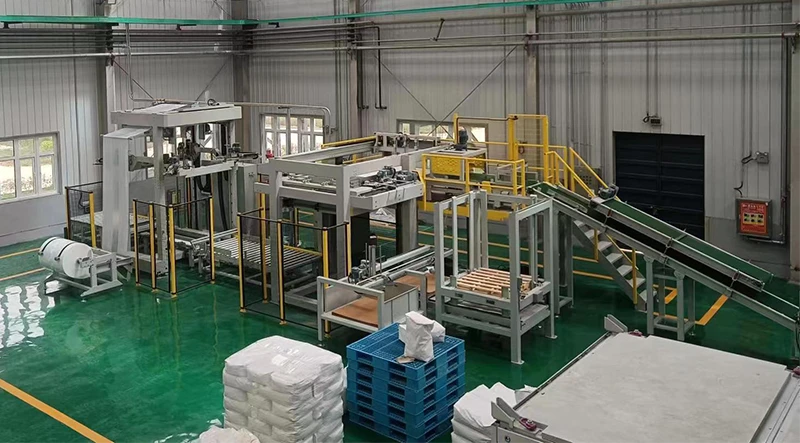
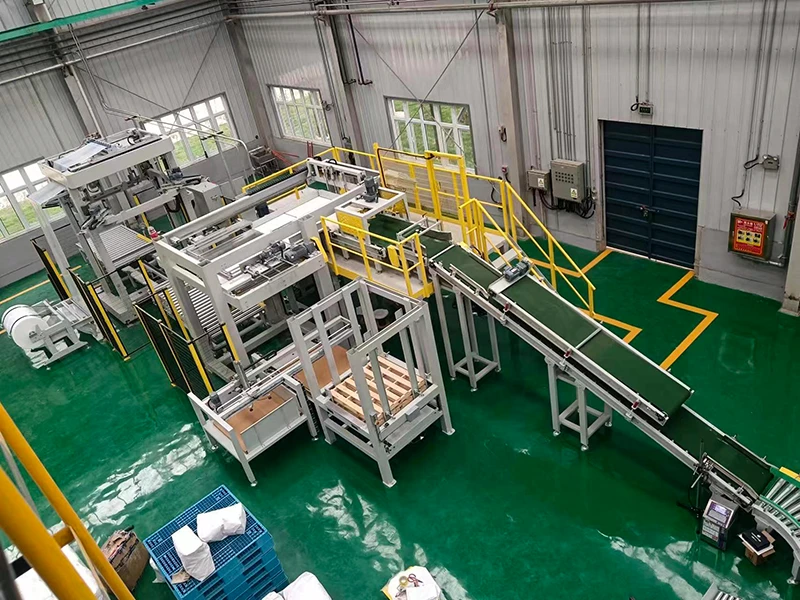
    High-angle view of FFS packaging line on green factory floor with conveyors, platforms, and bag handling area

    Why 25 kg bagging gets unstable fast

    At 25 kg, every small interruption becomes visible in the finished bag. If the hopper feed slips, the bagging cycle starts to drift. If the transfer zone is too narrow, operators spend more time waiting than controlling the line. And if the bag leaves the machine without a clean path to the next station, the whole output rhythm turns uneven.

    That is why an FFS line is usually judged by the layout first and the speed second. The machine must let the plant move material, form the bag, and clear the discharge point in one controlled sequence. If those three points do not match, the line may still run, but it will not run steadily.

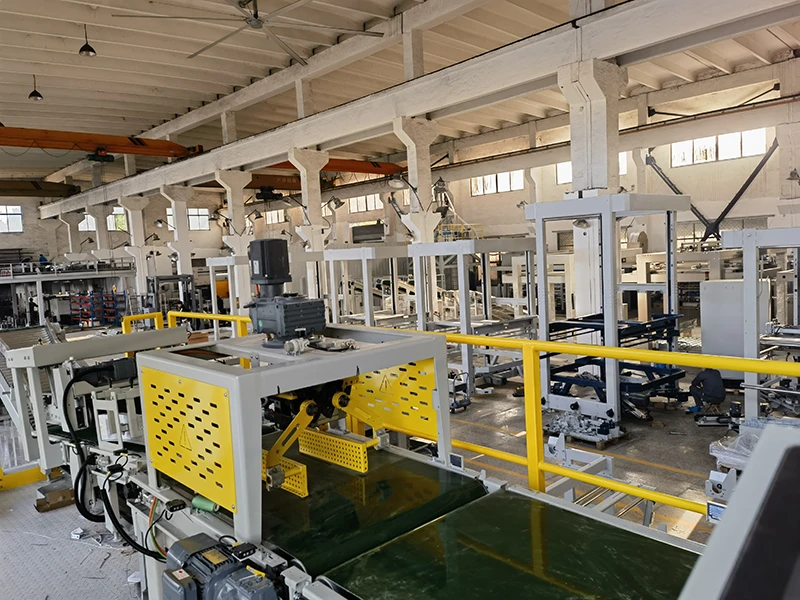
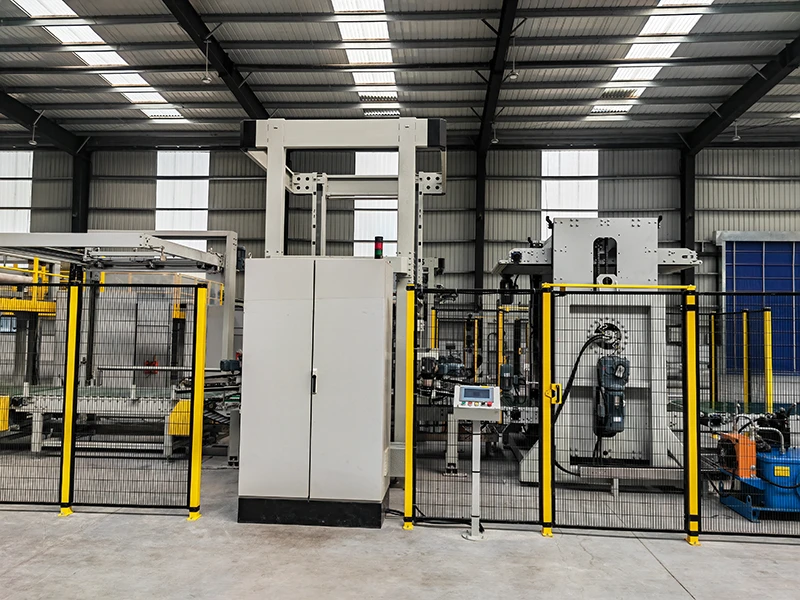
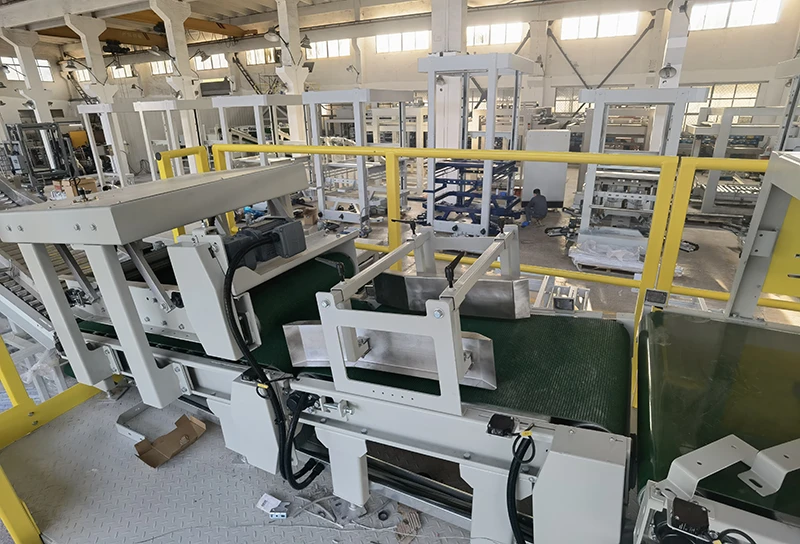
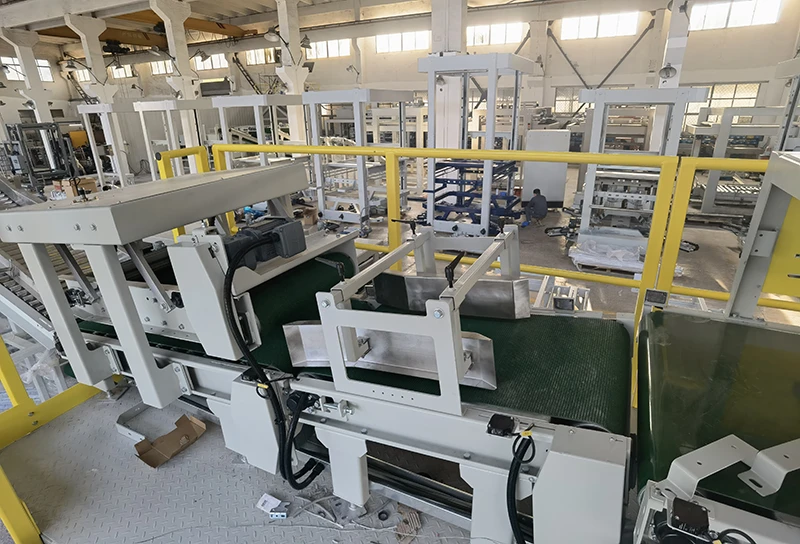
    Close factory view of FFS bag forming and filling section with guard rails, machine frame, and side conveyor
    Old setup problem:

    Manual bag positioning, tight access around the forming section, and short discharge paths create stoppages right where 25 kg bags need the most control.

    How the FFS layout solves the weak points

    The FFS structure shown here works because the machine is built as a sequence, not as separate boxes. The elevated platform keeps the working area organized. The guarded forming and filling section keeps the operator away from moving points while still leaving the machine visible. The side conveyor and downstream route reduce the gap between bag creation and bag transfer.

    That layout matters on 25 kg work because the bag is heavy enough to punish sloppy handling, but common enough that plants do not want a custom process for every batch. A stable frame, clear access, and a direct outfeed path give the plant a repeatable routine instead of a constant correction job.

    Practical view: When the hopper, bag forming zone, and discharge route stay visible in one frame, operators can detect a feed issue before it becomes a line stop.

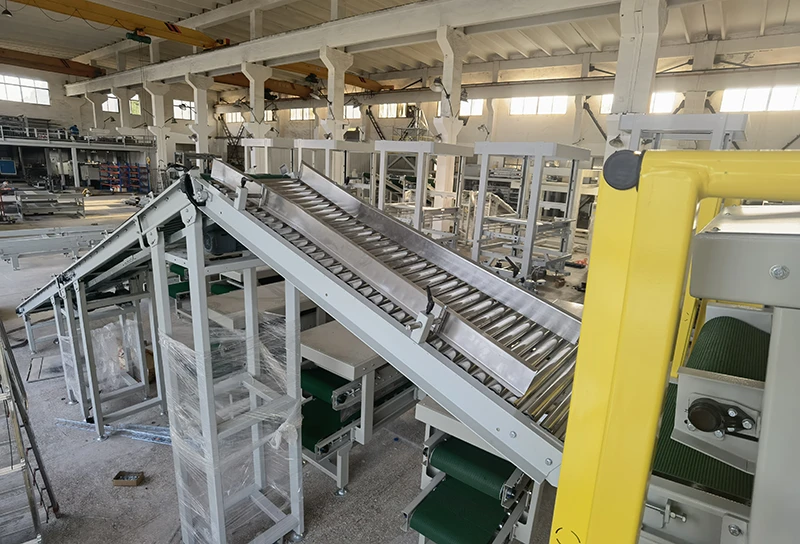
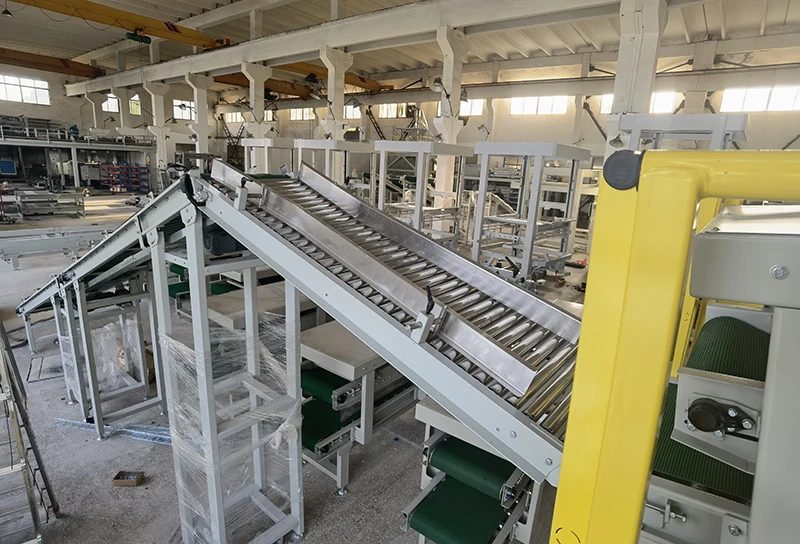
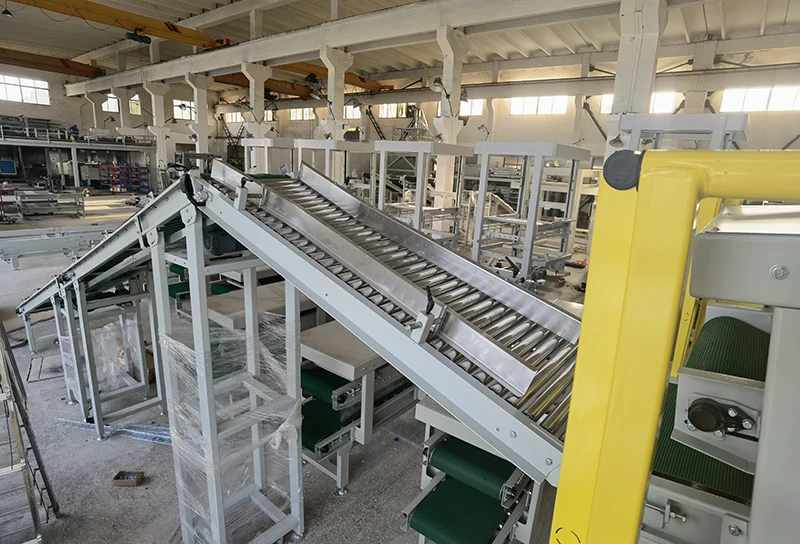
    Inclined conveyor and elevated platform section of an FFS packaging line in a production workshop

    What to check before you plan a 25 kg FFS line

    For 25 kg bags, the useful questions are simple: can the feed stay consistent, can the operators see the working points, and can the discharge move without crowding the next station? Those checks are not abstract. They are the exact areas where an FFS line either keeps pace or starts to lose time.

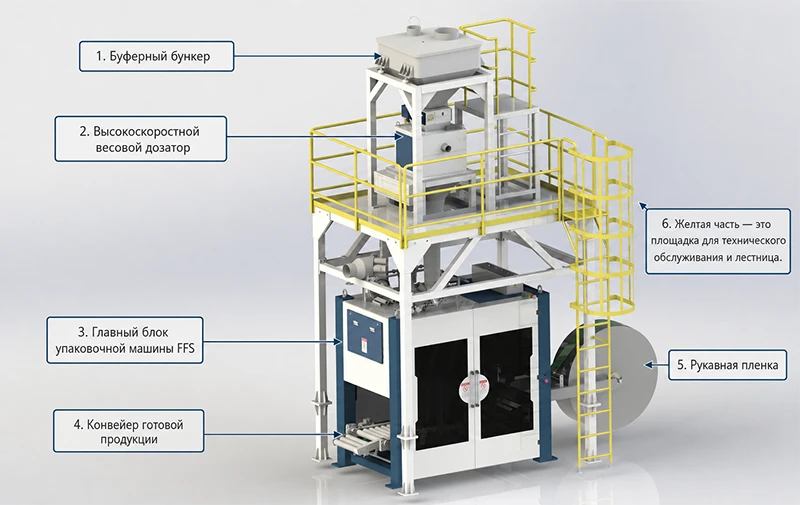
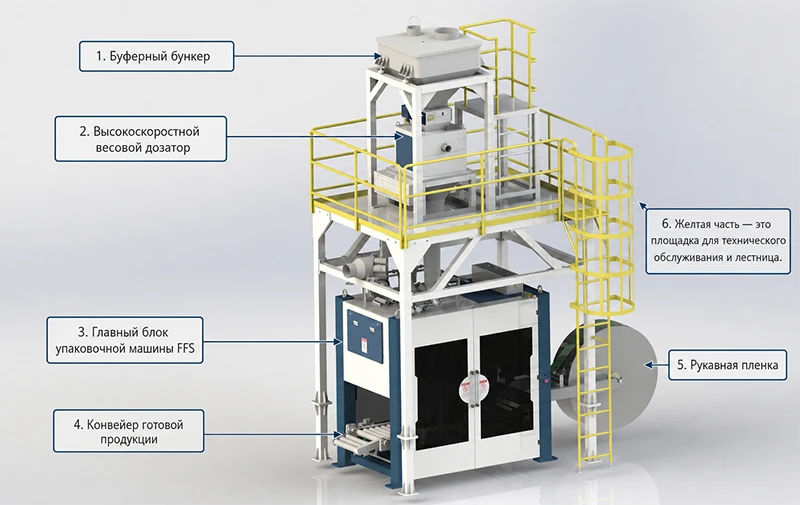
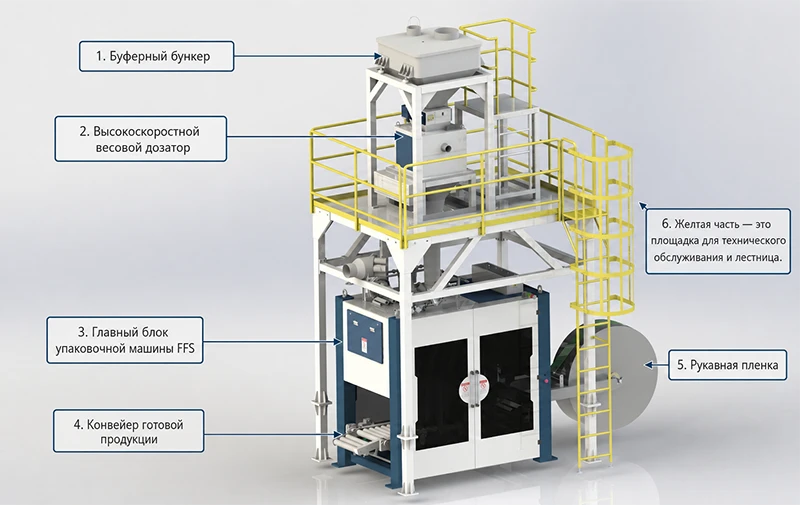
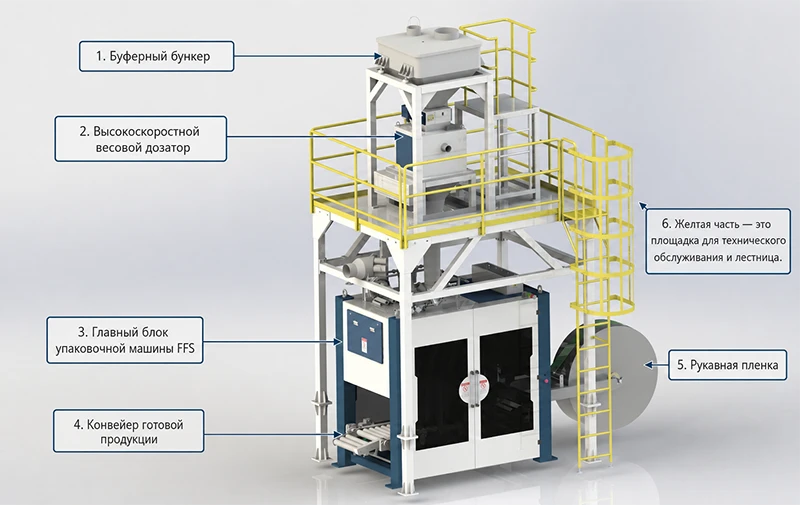
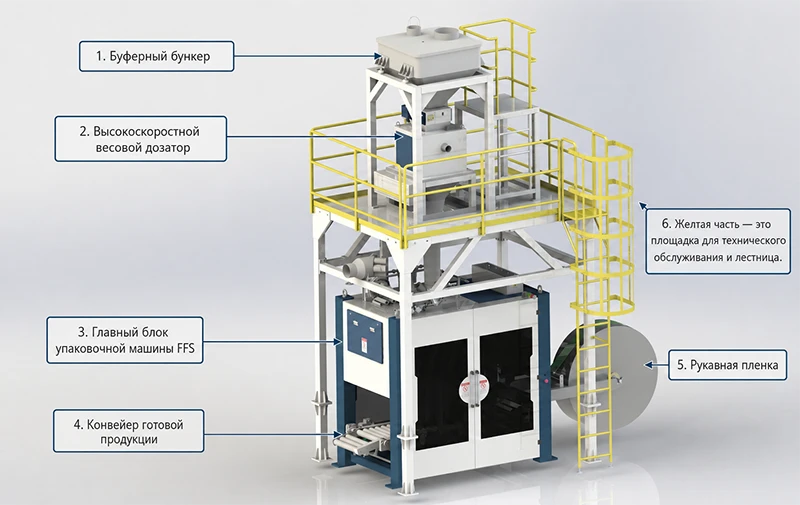
    The annotated machine view helps connect the structure to the job. It shows the process modules, control area, film handling, and service points in one place, which is exactly what a plant needs when it plans access, maintenance, and daily operation. The goal is not just to install a machine. The goal is to keep the 25 kg bag flow readable, serviceable, and steady over long production runs.

    Planning pointWhat causes troubleWhat the FFS line does
    Hopper feedUneven feed leads to unstable fill cycles and bag-to-bag variationThe machine layout keeps the feed path visible and easier to manage from the platform
    Operator accessTight access around the forming zone slows inspection and correctionGuarded structure and service points keep the working zone organized without hiding the process
    Discharge flowShort or blocked transfer paths create pileups after fillingSide conveyor and downstream handling keep the bag moving toward the next step
    Annotated FFS packaging machine diagram showing process modules, machine frame, control area, film handling, and service points

    Need a 25 kg bagging line that stays readable on the floor?

    If your plant needs cleaner filling, safer access, and steadier discharge for 25 kg bags, the right FFS layout should make those goals visible in the machine structure itself. That is the best sign the line will stay practical after installation.

    Talk to BPM
  • How an FFS Line for PP Granules Keeps Hopper Feed, Bag Transfer, and Dispatch Steadier

    How an FFS Line for PP Granules Keeps Hopper Feed, Bag Transfer, and Dispatch Steadier

    BPM PACK BLOG

    How an FFS Line for PP Granules Keeps Hopper Feed, Bag Transfer, and Dispatch Steadier

    For PP granules, the weak points are usually not the material itself. The real pressure shows up at hopper feeding, bag forming, transfer stability, access around the machine, and clean handoff into downstream handling. This FFS line is built to keep those points under control with a compact frame, elevated platform, guarded working zones, and a line layout that supports steadier output.

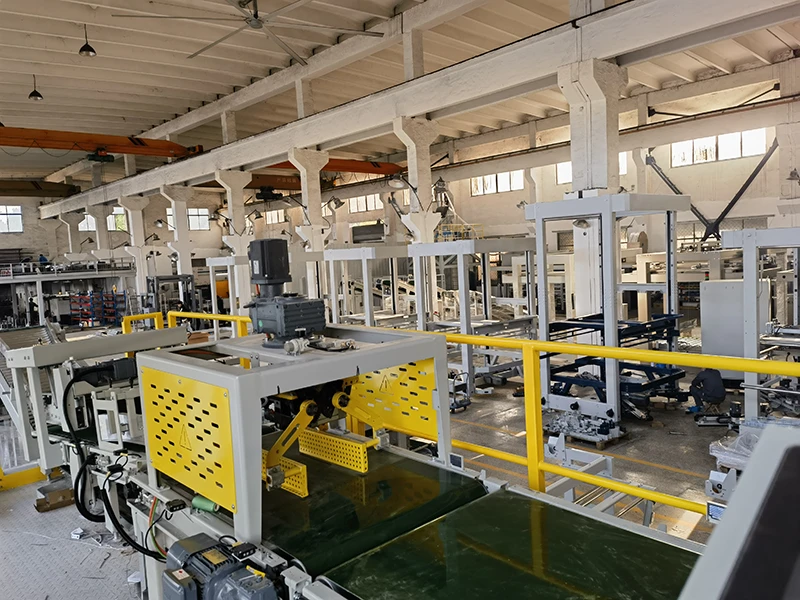
    FFS line section with white machine frames, yellow guard rails, conveyors, and downstream handling units

    Why PP granules expose the weak points in a packing line

    PP granules are easy to recognize on paper, but they can be demanding on the floor. The flow has to stay even at the hopper, the bag must form cleanly, and the transfer into the next unit cannot become loose or inconsistent. When the line is built only for basic filling, the operator ends up compensating for vibration, access problems, or a layout that forces too many manual touches.

    That is why the first question is not the bag size. It is whether the line can keep the feed steady, protect the operator, and move product toward the next stage without breaking the rhythm of the shift.

    Inclined conveyor and elevated platform section of an FFS packaging line in a production workshop
    Common pain point:

    PP granules often move through a line faster than the surrounding layout can support. If the transfer height, platform access, and downstream handling are not planned together, the result is uneven loading, slower intervention, and more operator fatigue.

    Why this FFS line fits PP granules better

    This layout works because it treats the packaging line as a system, not as a single machine. The elevated structure gives the operator better access, the guarded frame keeps the working zone organized, and the conveyor sequence supports a cleaner handoff from filling to dispatch. For PP granules, that means the machine is not only measuring and filling; it is also preserving flow stability across the whole sequence.

    The enclosed main body and the service platform help the line stay practical in a real workshop. Maintenance access is visible, the handling route is clear, and the end-of-line section can be matched with palletizing or further conveying without turning the area into a crowded bottleneck.

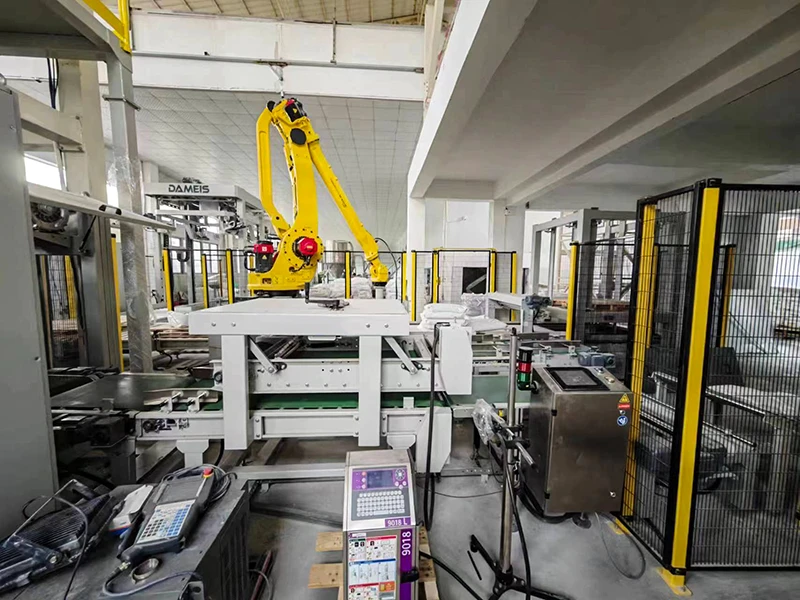
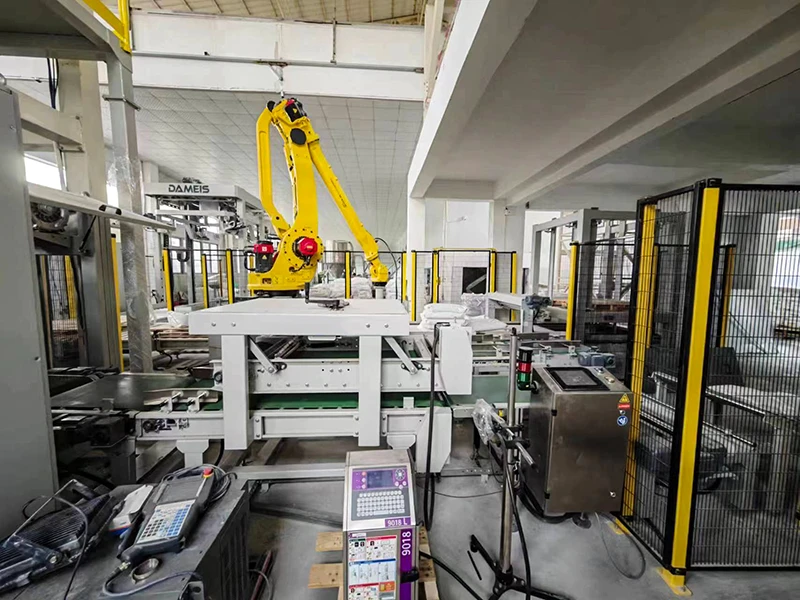
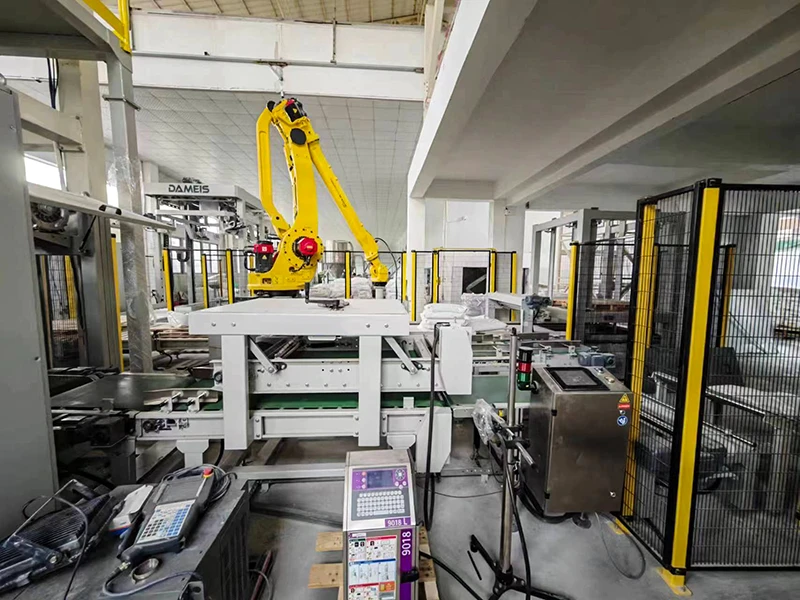
    Robotic palletizing station connected to FFS packaging line with yellow robot arm, conveyors, and safety fencing

    Engineering note: For granule packing, the strongest layout is usually the one that reduces unnecessary manual touches. Once the filling point, discharge path, and palletizing zone are aligned, the line becomes easier to run at a steady rhythm.

    What the workshop layout proves on the floor

    The wide workshop view shows the line as it really operates: machine body, service platform, safety posts, auxiliary equipment, and room for the next stage of handling. That matters because PP granules do not benefit from a narrow, overpacked installation. They benefit from a layout that keeps access clean and allows the machine to do its work without crowding the aisle.

    The annotated diagram adds another layer of proof. It makes the process modules visible, including frame, control area, film handling, and service points. For buyers comparing options, that kind of visibility matters because it shows where the line is controlled, where it is serviced, and where the bagging process is physically separated from routine access.

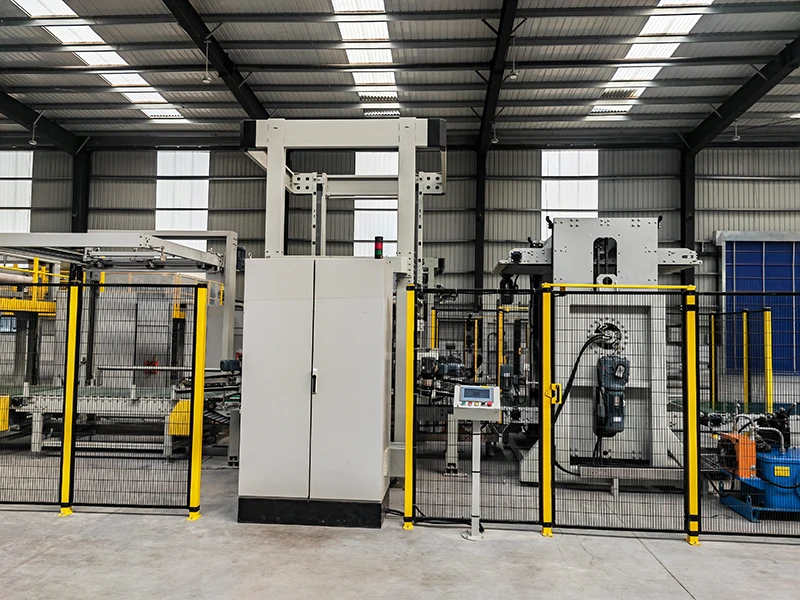
    Wide workshop view of FFS main machine, service platform, safety posts, and auxiliary packaging equipment
    Annotated FFS packaging machine diagram showing process modules, machine frame, control area, film handling, and service points
    Image evidenceWhat it provesWhy it matters for PP granules
    Line section with conveyors and guarded framesStable module-to-module transferKeeps product movement consistent during filling and discharge
    Inclined conveyor and elevated platformClear operator access and elevation controlReduces crowding around the bagging area and improves service access
    Robot palletizing stationClean end-of-line automation pathHelps the packed bags leave the line without manual stacking pressure
    Annotated machine diagramVisible control, film handling, and service pointsMakes the process easier to understand, maintain, and standardize
    Annotated FFS packaging machine diagram showing process modules, machine frame, control area, film handling, and service points

    Need a PP granule packing line that stays steady in real production?

    If you are planning a new line for PP granules, BPM can help you match the hopper feed, transfer layout, service access, and end-of-line handling to the way your workshop actually runs.

    Talk to BPM about your FFS line
  • Why an FFS Line for Polypropylene Granules Keeps Handoffs Cleaner and Dispatch Steadier

    Why an FFS Line for Polypropylene Granules Keeps Handoffs Cleaner and Dispatch Steadier

    FFS line for polypropylene granules

    Why an FFS Line for Polypropylene Granules Keeps Handoffs Cleaner and Dispatch Steadier

    For polypropylene granule packing, the real job is not just filling bags. It is keeping hopper feed stable, protecting access around the machine, and moving finished bags toward palletizing without crowding the floor. This FFS line layout shows how a controlled bagging flow can do all three at once.

    Overhead factory view of a polypropylene granule FFS packaging line with conveyors, platforms, palletized materials, and forklift lanes

    From bulk granules to bagged output without cluttering the aisle

    Polypropylene granules are usually packed in a high-throughput workshop where the line has to stay open, the feed has to stay consistent, and finished bags need a clean exit path. If the layout is too tight, operators lose room around the hopper, the bagging point becomes harder to service, and the downstream flow starts to stack up around forklifts and pallets.

    The first image shows the practical answer: a line built with clear platform access, a defined material route, and enough separation between the packaging section and the warehouse traffic lane. That is what makes an FFS setup useful for granule packing. It is not only about sealing a bag. It is about keeping the whole transfer sequence predictable from feed to outfeed.

    FFS packaging line section for polypropylene granule packing with white machine frames, yellow guard rails, conveyors, and downstream handling units
    Typical pain point:

    When a granule packing line mixes filling, access, and pallet handling in one crowded zone, operators spend more time navigating the machine than keeping the output steady.

    Why this FFS layout fits polypropylene granule packing

    The structural logic in this line is easy to read. The hopper and enclosed main cabinet keep the front end compact. The elevated platform and yellow guard rails create a safer service zone. The downstream conveyor then carries packed bags away from the filling area, which helps preserve order around the machine while the warehouse side keeps moving.

    That is why this layout suits polypropylene granules well: it supports continuous bagging, gives operators safer reach points, and reduces the chance that finished bags will block the next shift of output. The robot palletizing station shown here also matters, because the line does not end at bag discharge. It continues into a cleaner end-of-line handoff, which is where many plants lose time if the layout is not planned correctly.

    What the photos prove: the combination of platform, guard rails, conveyors, and robotic palletizing shows a line built for controlled transfer, not just a single packing machine.

    Robotic palletizing station linked to a polypropylene granule FFS packaging line with yellow robot arm, conveyors, and safety fencing

    What the line changes from feed to finished pallet

    For a polypropylene granule producer, the result is a clearer material path. The feed area stays defined, the bagging section stays accessible, and the transfer zone stays less exposed to congestion. This improves routine work in three ways: operators can inspect the line more easily, the outfeed remains easier to organize, and the finished-bag area is ready for pallet handling instead of manual reshuffling.

    The workshop panorama makes that outcome visible. You can see the white machine frames, yellow rails, green conveyors, pallet area, and bag output zone all working as one system. That is the value of an FFS line in this application: it ties the packaging machine to the rest of the plant instead of isolating it as a single island of equipment.

    SceneProblemWhat the FFS line changes
    Hopper feedUnstable flow and hard accessCompact front end and clear service access
    Bagging and outfeedClutter around discharge and transfer pointsDefined conveyor route and cleaner bag handoff
    End-of-line handlingPallet congestion and slow dispatchRobot palletizing zone and better downstream order
    Workshop panorama of an FFS packaging system for polypropylene granules with white frames, yellow rails, green conveyors, pallets, and bag output area

    Need a polypropylene granule packing line that stays orderly in daily production?

    This FFS layout is a good fit when you want cleaner handoffs, safer access around the machine, and steadier movement from filling to palletizing. If the goal is to keep the line compact without sacrificing flow, this structure is built for that job.

    Request a packing line proposal
  • How an FFS Line Packs Polyethylene Bags to 25 kg with Cleaner Handoffs and Steadier Dispatch

    How an FFS Line Packs Polyethylene Bags to 25 kg with Cleaner Handoffs and Steadier Dispatch

    FFS line for 25 kg polyethylene bags

    How an FFS Line Packs Polyethylene Bags to 25 kg with Cleaner Handoffs and Steadier Dispatch

    For plants that need stable 25 kg output, the main challenge is rarely the filling step alone. The real pressure comes from keeping bag forming, filling, transfer, and dispatch aligned without extra manual trimming, unstable access, or cramped forklift flow.

    Overhead factory view of a 25 kg bag FFS line with conveyors, platforms, palletized materials, and forklift lanes

    Why 25 kg polyethylene bag packing needs a more disciplined line layout

    When a production site moves bulk material into 25 kg polyethylene bags, the old approach often depends on hand-guided bag placement, uneven transfer rhythm, and a layout that grows around the machine instead of around the flow. That usually creates three problems at once: bag alignment drifts, access becomes harder for operators, and finished bags start to compete with forklifts and pallet staging for the same floor space.

    This is where an FFS line becomes practical. The line is not just a filler; it is a structured path that combines bag forming, filling, transfer, and downstream handling. The wide overhead layout in the hero image shows that the line can be planned with clear lanes, elevated working points, and controlled staging zones. For 25 kg bags, that structure matters because the output is heavy enough to punish weak transfer design, but still frequent enough to expose every small interruption in the cycle.

    FFS packaging line section for 25 kg bag packing with white machine frames, yellow guard rails, conveyors, and downstream handling units
    Common pain point

    Many 25 kg bagging rooms lose time at the connection points: the bagging machine works, but the transfer path is awkward, the platform is exposed, and the operator still has to compensate for a layout that was never built for steady repetition.

    What makes the FFS line fit this job better than a loose manual setup

    The product fit comes from its structural discipline. The machine frame, elevated platform, and side conveyors create a controlled path for the bag from formation to discharge. Yellow guard rails and enclosed equipment zones are visible in the close views because this kind of line is meant to separate the operating area from the moving flow, not let both compete in the same narrow space.

    For a plant filling 25 kg polyethylene bags, that separation is not cosmetic. It reduces awkward reaching, keeps the operator’s access more predictable, and helps the downstream section accept bags in a stable rhythm. The inclined conveyor and elevated platform image makes the point clearly: once the line has a designed height transition, the plant can move output forward without turning each bag into a manual handling event.

    Operational insight: In heavy-bag packing, cleaner handoffs usually come from better geometry, not from asking workers to be faster. A properly arranged FFS line improves the handoff by aligning the machine frame, conveyor path, and access platform into one repeatable sequence.

    Structure, parameter logic, and the result on the floor

    The practical result is a line that supports steadier output and cleaner dispatch. Instead of a machine sitting in isolation, the FFS line behaves like a connected packaging corridor. The bag-forming section, filling section, and transfer section are clearly separated in the visuals, which helps plant teams understand where the cycle is stable and where the supporting structure is doing the work.

    That matters for 25 kg polyethylene bags because the final result is judged on more than fill accuracy. The line has to keep its rhythm while leaving room for pallet handling, forklift movement, and a reasonable service path around the equipment. The overhead and sectional photos both show that the layout gives the plant enough structure to keep the work area cleaner and the discharge path more predictable.

    What the photo showsWhat it proves for 25 kg bagging
    Overhead line layoutClear flow planning with space for pallet staging and forklift lanes
    Guarded machine sectionMore controlled operator access around forming and filling points
    Inclined transfer and platformCleaner handoff from fill zone to downstream handling
    Close factory view of FFS bag forming and filling section for 25 kg bag packing with guard rails, machine frame, and side conveyor
    Inclined conveyor and elevated platform section of an FFS line for 25 kg bag packing in a production workshop

    If you need 25 kg polyethylene bag packing with less manual correction

    An FFS line is the right direction when your goal is not only to fill bags, but to keep the whole path from forming to dispatch stable, cleaner, and easier to manage. If your plant needs a layout that can support heavy-bag output without turning the transfer zone into a bottleneck, the next step is to map the line around the actual floor flow.

    Contact BPM for a line layout review
  • Polyethylene Bag FFS Line for Cleaner Handoffs and Safer Access

    Polyethylene Bag FFS Line for Cleaner Handoffs and Safer Access

    FFSline / Polyethylene bag packaging

    Why a Polyethylene Bag FFS Line Fits Cleaner Handoffs and Safer Access

    For plants that package polyethylene bags, the real pain is rarely the bag itself. It is the handoff rhythm around it: feed, form, fill, transfer, stack, and dispatch. An FFS line helps when the workshop needs a clearer flow, safer platform access, and fewer loose points between packaging and the next step.

    High-angle view of FFS packaging line on green factory floor with conveyors, platforms, and bag handling area

    When the old layout creates too many bag moves

    In many polyethylene bag packaging workshops, the old setup grows around the machine instead of around the flow. Operators walk too far between the filling point and the discharge lane, access paths get narrow, and bags collect in places where they should already be moving downstream. That is where time is lost, and where handling damage starts to show up.

    An FFS line is a better fit when the plant needs the process to stay visible from above. The overhead factory view shows conveyors, platforms, palletized materials, and forklift lanes in one field of view, which is exactly what a busy packaging workshop needs: clear separation between machine movement, bag movement, and material movement.

    Overhead factory view of FFS packaging line with conveyors, platforms, palletized materials, and forklift lanes
    Typical problem

    Manual bag transfer often creates the most friction: the line looks busy, but the output is not steady, access is not comfortable, and the dispatch lane keeps getting interrupted by small handling tasks.

    Why the FFS line structure solves it

    The front view makes the core reason obvious. The machine is built around an elevated platform, yellow safety rails, a hopper, and an enclosed cabinet. That combination is practical, not decorative. The platform gives operators a defined working height, the rails make access more controlled, and the enclosed cabinet keeps the main body visually and physically organized.

    The line section view adds the next layer: white machine frames, guard rails, conveyors, and downstream handling units. That means the bag does not stop at a single point and wait for attention. It moves as part of a linked line. For a polyethylene bag workshop, that linked movement is what turns packaging from a pile of tasks into a repeatable production path.

    Front view of FFS heavy-bag packaging machine with elevated platform, yellow safety rails, hopper, and enclosed cabinet

    Practical fit: when the workshop needs cleaner handoffs and safer access, the line works best as a system. The machine frame, the platform, the guard rails, and the downstream conveyor are all doing a specific job in the same chain.

    What the structure and process evidence show

    The annotated machine diagram is useful because it shows the line as modules instead of a single box. Process modules, machine frame, control area, film handling, and service points all appear as separate parts of the same system. That matters for maintenance, because a workshop can locate the working zones faster and avoid treating the whole machine like one blocked area.

    The result is easier to see in the line-wide workshop photo as well. The packaging system sits with white frames, yellow rails, green conveyors, pallets, and a bag output area. In other words, the machine is not only packaging bags; it is organizing the workshop’s next move. The output is easier to stage, the path to the forklift lane is easier to protect, and the dispatch rhythm is steadier.

    Annotated FFS packaging machine diagram showing process modules, machine frame, control area, film handling, and service points
    Workshop needWhat the FFS line showsWhy it matters for polyethylene bags
    Clear accessElevated platform and safety railsOperators work around a defined zone instead of crossing the flow
    Stable line movementConnected conveyors and downstream handlingBags move with fewer pauses between packaging and transfer
    Organized workshop layoutSeparated pallets, forklifts, and machine lanesDispatch stays cleaner and the workshop stays easier to run
    Overhead factory view of FFS packaging line with conveyors, platforms, palletized materials, and forklift lanes

    Need a line that keeps bagging flow steadier?

    If your polyethylene bag workshop is still losing time on manual handoffs, cramped access, or uneven dispatch, an FFS line can turn the layout into a cleaner working system. The best next step is to review the workshop flow first, then match the packaging line structure to that flow.

    Request a line proposal
  • How a Polypropylene Granule FFS Line Keeps Bagging Clean, Access Safe, and Dispatch Steady

    How a Polypropylene Granule FFS Line Keeps Bagging Clean, Access Safe, and Dispatch Steady

    FFSline for polypropylene granule bagging

    Why a Polypropylene Granule FFS Line Fits Cleaner Bagging, Safer Access, and Steadier Dispatch

    For polypropylene granules, the real bottleneck is usually not the filling step alone. It is the full chain around it: keeping feed stable, guiding the film and bag path cleanly, protecting operators at the machine, and moving finished bags out without crowding the floor. This FFS layout is built for that controlled flow.

    Overhead view of an FFS line for polypropylene granule bagging with conveyors, platforms, pallet lanes, and forklift access

    What the old setup gets wrong for polypropylene granules

    When a plant relies on open manual bagging, the operator often has to manage bag placement, watch for spill points, and keep the discharge area clear at the same time. That is where delays begin. Granules scatter more easily than many teams expect, and every extra hand movement around the filling point increases the chance of rework.

    The line in the image solves that by keeping the main machine, transfer path, and service zones arranged as one controlled unit. The overhead workshop view shows a clear route for conveyors and forklift lanes, which matters because a polypropylene granule line has to connect filling, pallet movement, and warehouse dispatch without creating a traffic jam at the end of the shift.

    Wide workshop view of a polypropylene granule FFS machine with service platform, safety posts, and auxiliary packaging equipment
    Common pain point:

    Old bagging stations waste time on bag alignment, spill cleanup, and repeated manual checks. That slows output and makes it harder to keep the discharge zone safe and tidy.

    Why this FFS layout fits the job

    An FFS line is a good match when the product is dry, free-flowing, and needs consistent bag formation with steady transfer. For polypropylene granules, the machine structure shown here gives the plant three practical advantages: a higher and cleaner working platform, guarded access around the operating area, and a downstream layout that can hand bags off to the next process without a messy transition.

    The machine view also supports maintenance planning. Service platforms and safety posts are not decoration; they help operators inspect the fill path, reach the working zone, and keep the line running with less interruption. In a granule packaging environment, that matters because small stoppages compound quickly when the downstream pallet flow is tied to one packing line.

    Field insight: The best FFS installation is not only about the bagging head. It is about the space around it. If the platform, guard rails, and outfeed lane are arranged correctly, the whole line becomes easier to run, easier to clean, and easier to scale.

    Structure, evidence, and the result you get

    The two images together show the logic of the layout. The overhead shot proves the line is planned as a workshop system, not a single isolated machine. The close workshop view shows the service platform, safety posts, and auxiliary equipment, which are exactly the features that help keep polypropylene granule bagging steady over a full production shift.

    In practice, that means fewer interruptions at the bagging point, better control over the moving bags, and a clearer route for pallet handling after discharge. The result is not just cleaner packaging. It is a line that supports steadier output, safer access for operators, and a more predictable handoff into warehouse flow.

    Old setupFFS line fit
    Manual bag alignment and frequent spill cleanupControlled filling path and cleaner bag transfer
    Crowded machine access and slow inspectionService platform, safety posts, and clearer operator reach
    Traffic conflicts at discharge and pallet movementPlanned conveyor route and cleaner end-of-line dispatch

    Need a polypropylene granule bagging line plan?

    Share your target bag size, output rate, and workshop layout. BPM can help match the FFS line structure to the real filling, access, and dispatch requirements of your granule packaging project.

    Request a layout review
  • Why Pellet Producers Choose an FFS Line for Polyethylene Bag Filling, Elevation, and End-of-Line Dispatch

    Why Pellet Producers Choose an FFS Line for Polyethylene Bag Filling, Elevation, and End-of-Line Dispatch

    FFS packaging line for pellet bags

    Why Pellet Producers Choose an FFS Line for Polyethylene Bag Filling, Elevation, and End-of-Line Dispatch

    When pellets have to move from hopper feed to sealed polyethylene bags without unnecessary handling, the real challenge is not only filling speed. The line also has to keep access safe, transfer points clean, and the discharge flow stable enough for the next shift, the next pallet, and the next truck.

    Workshop panorama of FFS packaging system with white frames, yellow rails, green conveyors, pallets, and bag output area

    The operating problem behind pellet bagging

    Pellet packing projects usually start with a simple request: fill free-flowing product into polyethylene bags and keep the output steady. In practice, the weak points appear between the hopper, the forming and filling station, the bag discharge point, and the operator’s walking path. If these zones are too cramped, operators lose time at each handoff. If the line is too low or too flat, pallets and finished bags start to block movement. If the transfer path is not guided, the bag stream becomes messy and the floor space turns into a daily cleanup job.

    That is why pellet manufacturers often need more than a bagging head. They need a full FFS package that keeps the bagging section, the platform, and the downstream conveyor aligned as one continuous working path. The goal is not just to seal bags. The goal is to make every transfer cleaner and every dispatch cycle easier to repeat.

    Inclined conveyor and elevated platform section of an FFS packaging line in a production workshop
    What usually goes wrong first

    Most pellet lines do not fail at the bag seal. They fail at the points around it: poor access to the platform, awkward outfeed height, slow transition from filling to discharge, and a layout that forces operators to work around the machine instead of with it.

    Why the FFS structure fits this job

    The FFS line is a good match because its layout already separates the main functions into visible, serviceable modules. The hopper sits above the forming and filling area, the machine body stays enclosed, and the service platform gives technicians a safer way to inspect the process. This is important for pellet bagging because the material itself is usually free-flowing, so the machine must control the product path while the plant keeps the human path clear.

    The annotated layout makes the logic easy to read. The machine frame, control area, film handling section, and service points are not decorative details. They are the physical reason the line can run with fewer interruptions. For pellet producers, that means faster access for maintenance, more predictable feeding, and cleaner coordination between bag making, filling, and downstream handling.

    Practical view: When the platform and conveyor are integrated into one line, the operator does not need to improvise around the machine. The result is less bag mishandling, less rework at the discharge end, and a more stable rhythm from batch to batch.

    Annotated FFS packaging machine diagram showing process modules, machine frame, control area, film handling, and service points

    What the layout changes on the shop floor

    Once the line is arranged with a higher service platform and a clearer outfeed path, the shop floor becomes easier to manage. Finished bags travel into the next stage with less interference. Forklift traffic stays more predictable. Operators can see the line from above instead of working blind at ground level. That matters in polyethylene bag packing because bag handling is repetitive, and repetitive motion punishes weak layouts very quickly.

    The high-angle view is the best proof of this point. It shows the conveyor direction, the platform position, and the bag handling area as one connected working zone. On a real project, that connection is what keeps the output from becoming fragmented across the workshop.

    StageWhat the pellet line needsFFS structure that answers it
    FeedStable product entry from hopper to bagging zoneTop-mounted hopper and enclosed main body
    AccessSafer inspection and easier maintenanceElevated platform with guarded working area
    TransferCleaner move from filled bag to outfeed conveyorIntegrated discharge path with guided handling
    DispatchSteady handoff to palletizing and outbound logisticsConnected downstream conveyor and open circulation space

    For pellet producers, this is the difference between a machine that only fills bags and a line that actually supports production flow. Cleaner handoffs reduce floor clutter. Safer access reduces downtime risk. More stable dispatch helps the warehouse team keep pace with the packing team.

    High-angle view of FFS packaging line on green factory floor with conveyors, platforms, and bag handling area

    Need a pellet bagging line that keeps the flow cleaner?

    If your project requires pellet filling into polyethylene bags with better access, cleaner transfer, and a steadier outfeed rhythm, an FFS layout is usually the right starting point. The key is to connect the hopper, platform, and discharge path as one system instead of treating them as separate machines.

    Request a layout discussion
  • How an FFS Line Packages Pellets into Polyethylene Bags with Cleaner Handoffs, Safer Access, and Steadier Dispatch

    How an FFS Line Packages Pellets into Polyethylene Bags with Cleaner Handoffs, Safer Access, and Steadier Dispatch

    Pellet bagging line

    How an FFS Line Packages Pellets into Polyethylene Bags with Cleaner Handoffs, Safer Access, and Steadier Dispatch

    For pellet producers that need to move from loose material to sealed polyethylene bags without slowing the warehouse, an FFS packaging line gives a cleaner and more controlled path: hopper feed, stable bag forming and filling, enclosed machine protection, and downstream palletizing in one connected flow.

    Front view of FFS heavy-bag packaging machine with elevated platform, yellow safety rails, hopper, and enclosed cabinet

    Why pellet bagging gets messy on older lines

    Pellet packing often starts with a simple request: move product from bulk storage into polyethylene bags that are consistent, clean, and easy to ship. In older setups, that job is usually split across separate machines, manual bag placement, and a lot of operator touch points. The result is familiar: slower cycle time, more risk of misaligned bags, more product spill around the filling point, and more forklift pressure at the back end because the line cannot discharge steadily.

    That is where an integrated FFS line changes the logic. Instead of treating filling, transfer, and palletizing as separate jobs, the line keeps the material path compact. The hopper sits above the main frame, the bag forming and filling zone stays guarded, and the outfeed side connects directly to conveyors and end-of-line handling. For pellet producers, this matters because pellets need a controlled flow and a stable bag mouth if you want the finished pack to look uniform on the pallet.

    Overhead factory view of FFS packaging line with conveyors, platforms, palletized materials, and forklift lanes

    Operational note: The layout matters as much as the machine itself. A clean infeed-to-outfeed path helps keep pellet bagging stable when the line runs all day.

    Close factory view of FFS bag forming and filling section with guard rails, machine frame, and side conveyor
    Common problem

    Manual bagging usually looks flexible at first, but it becomes the bottleneck when you need cleaner transfer, fewer interruptions, and a stable warehouse rhythm. The line slows down whenever bag placement drifts, filling needs repeated correction, or the discharge side cannot keep up with pallet movement.

    Why this FFS structure fits polyethylene bag pellet packing

    The machine structure shown in the line photos supports the exact needs of this application. The elevated service platform gives operators access without crowding the filling zone. Yellow safety rails separate people from the working area. The enclosed cabinet protects the core machine section and keeps the layout compact. On the process side, the bag forming and filling module gives the operator a defined point for film handling and product release, which is much easier to control than an open manual station.

    At the back end, the connected conveyor and robotic palletizing station show the practical result: bags leave the filling zone in a more regular flow and move into stacking without forcing the warehouse team to improvise. The annotated structure image makes the same point from a different angle. It shows where the process modules, film handling, control area, and service points sit, which is useful when a buyer needs to understand not just what the line does, but how it stays maintainable during daily operation.

    Robotic palletizing station connected to FFS packaging line with yellow robot arm, conveyors, and safety fencing
    Annotated FFS packaging machine diagram showing process modules, machine frame, control area, film handling, and service points

    What the buyer gets at the end of the line

    The real value of this type of pellet packing equipment is not just that it bags product. It organizes the full transfer path so the bagging point, the discharge flow, and the palletizing area stop fighting each other. That means fewer manual corrections, cleaner handoffs between process stages, and a warehouse that can keep moving without stopping to fix the same problem again and again.

    For pellet projects, that usually translates into three practical outcomes. First, the filled polyethylene bags look more uniform because the forming and filling zone is controlled. Second, the line is easier to operate because access, guarding, and service space are already built into the layout. Third, the downstream palletizing side can run with steadier rhythm, which helps protect the packaging schedule when demand rises.

    Customer issueFFS line response
    Bag placement drifts during manual fillingDefined bag forming and filling section with guarded machine frame
    Product flow becomes uneven before dispatchHopper feed and connected conveyor layout keep transfer steadier
    Warehouse handling slows at the end of the lineRobotic palletizing station supports cleaner end-of-line movement
    Operators need access without crowding the processElevated platform and safety rails separate service access from working zones

    If you are planning pellet packing into polyethylene bags, send us your target bag size, expected output, and factory layout. We can help map the right FFS line structure to the way your material actually moves, so the package, the pallet, and the warehouse flow all stay aligned.

    Need a pellet bagging line that matches your warehouse flow?

    Share your pellet type, bag weight, and target speed, and we will suggest a packaging line layout that fits the filling point, transfer path, and downstream palletizing needs.

    Request a line proposal
  • FFS Packaging Line for Steady Pellet and Polyethylene Bag Output Without Manual Trimming

    FFS Packaging Line for Steady Pellet and Polyethylene Bag Output Without Manual Trimming

    FFS packaging line

    Why an FFS Packaging Line Keeps Pellet and Polyethylene Bag Output Steady Without Manual Trimming

    For pellet and coarse powder jobs, the real test is not whether a machine can make one good bag. It is whether the line keeps forming, filling, sealing, and discharge moving at the same pace shift after shift, with PE or PP roll film and no one standing by to clean up bag edges by hand.

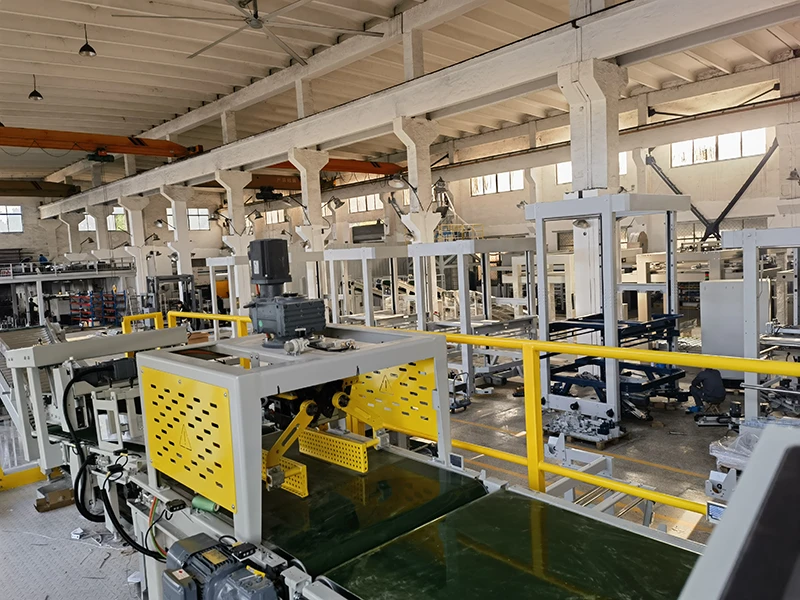
    FFS packaging line, bag forming and filling section, with guard rails and side conveyor

    Start with the film path, not with the bag at the end

    Manual trimming usually shows up when the film path is loose, the bag form is inconsistent, or the next station pulls at a different speed from the previous one. That is why an FFS line works better for steady pellet output than a set of separate stations stitched together on the floor. The bag is formed inside the machine from roll film, then filled and sealed in one chain. There is less handling, fewer drop points, and fewer chances for the bag mouth to drift out of square.

    For bpmpack FFSline, the usable film and bag range matters. The brief calls out PE or PP roll film, a normal film width of 350-450 mm, a maximum roll outer diameter of 1500 mm, and a 150 mm inner core. Film thickness sits in the 0.14-0.18 mm range for regular projects. Those numbers are practical, not decorative. They tell you whether the film feed will stay calm enough for a clean form-fill-seal cycle on pellet, granule, or coarse powder jobs.

    Wide workshop view of FFS main machine, service platform, safety posts, and auxiliary packaging equipment

    Practical point: if the process still needs people to touch each bag before it leaves the station, the line balance is off. A stable FFS setup should take care of film forming, dosing, sealing, and discharge in one flow.

    What usually breaks the flow?

    Bagging lines lose stability when the feed changes too fast, the transfer section is too exposed, or downstream equipment waits for the bagger instead of matching it. The result is familiar: people trim, reposition, re-stack, and recover from minor drift all day. That is labor you do not get back.

    Keep the discharge steady before you worry about the pallet

    FFSline is meant for continuous output, so the feed side needs a buffer and the back end needs a clear path. The project brief mentions a 3 m³ surge hopper, which is what helps the line hold material while the machine works through the next cycle. That buffer is useful when pellets flow well but the upstream supply is still uneven. It also helps with coarse powders that move well enough for FFS, but still need a bit of protection from sudden feed changes.

    The other detail that matters is control. FFSline uses PLC plus a touch screen, so the operator is not guessing where the slow-down comes from. When the target is 20 kg, 25 kg, or 50 kg bags, the line should stay on the same logic across the whole shift. The brief lists 10-50 kg as the working range, with project references around 500 bags/h and higher material-dependent figures in some cases. That is enough to plan around, but the real target should still be tied to the product, bag size, and film spec.

    High-angle view of FFS packaging line on green factory floor with conveyors, platforms, and bag handling area

    Once the bag leaves the sealer, the line should not leave it hanging. A good setup can connect to incline conveyors, reject and recheck stations, palletizing, pallet label printing, stretch hood, and dust collection. That is how the packaging line stays steady after the bag is formed. If the back end waits in line, the front end starts to drift, and someone ends up trimming or correcting by hand.

    Match the line to the output, not the other way around

    For pellet and polyethylene bag output, the machine spec should match the materials first. If the roll film width is too narrow, the form drifts. If the bag weight range is too ambitious, filling becomes unstable. If the palletizing section is not ready for the output rate, the whole line slows down and the front end starts looking messy. That is why FFSline is best treated as a line design problem, not just a packaging machine purchase.

    The wide workshop layout also matters. It gives space for service access, safety rails, conveyors, and the downstream equipment that keeps the bag stream moving. The point is not to make the line look busy. The point is to keep the process calm enough that operators do not need to correct every bag by hand.

    Workshop panorama of FFS packaging system with white frames, yellow rails, green conveyors, pallets, and bag output area
    Planning itemWhy it mattersWhat it prevents
    PE / PP roll filmMatches the FFS forming pathLoose bag shape and edge drift
    350-450 mm film widthFits the planned bag sizeExcess trimming and unstable mouth formation
    3 m³ surge hopperBuffers uneven upstream feedStop-start filling and weight swings
    PLC + touch screenKeeps operation visible and repeatableGuesswork during speed changes

    Need a steadier FFS line for pellets or polyethylene bags?

    Share the bag weight, film spec, and target output. bpmpack can map the forming, filling, sealing, and downstream flow into one line plan instead of leaving the end of the process to manual correction.

    Talk to bpmpack