Automatic Bagging Machine & Palletizing Systems Manufacturer

Category: English

  • ppline Packaging Line for Controlled Hopper Feed, Secure Bag Pickup, and Stable Dispatch

    ppline Packaging Line for Controlled Hopper Feed, Secure Bag Pickup, and Stable Dispatch

    ppline | packaging line article

    ppline Packaging Line for Controlled Hopper Feed, Secure Bag Pickup, and Stable Dispatch

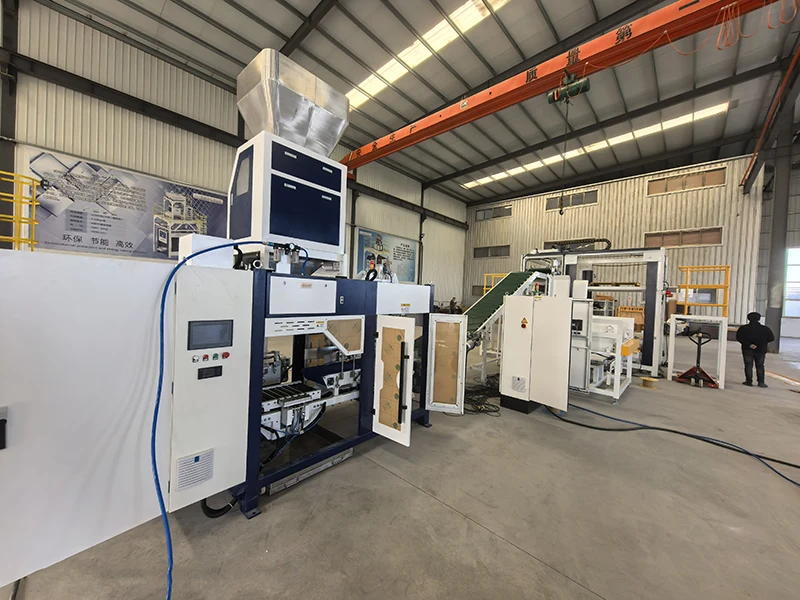
    When the bagging area has to keep feed steady, avoid sloppy bag handling, and move filled sacks to pallets without creating transfer bottlenecks, the line needs more than a basic filler. This ppline layout combines hopper feed, elevated access, swing-arm HMI control, vacuum bag handling, and conveyor outfeed to keep the handoff cleaner from the first pickup to the last pallet.
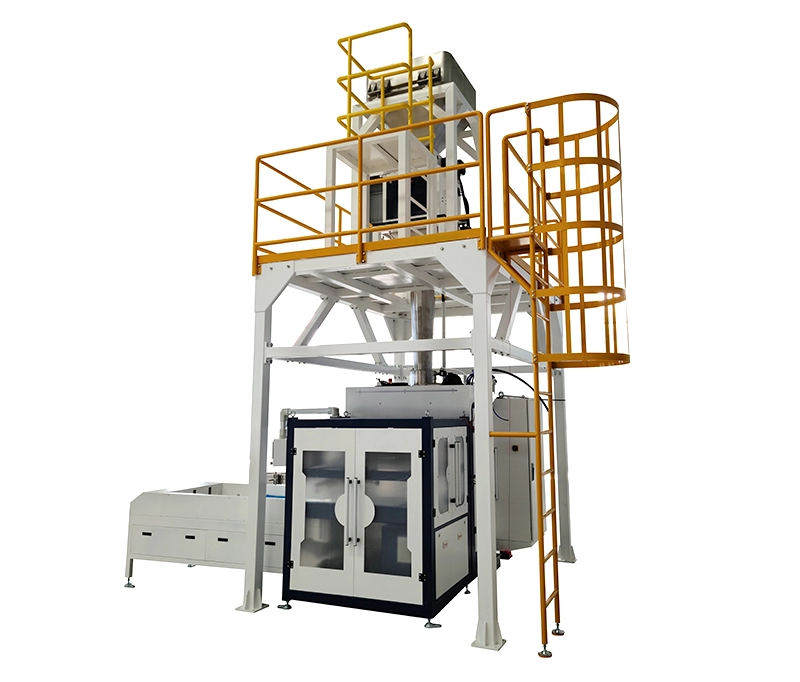
    ppline bagging line at a bulk material plant with hopper feed, elevated platform, and cleaner pallet transfer

    Why the line fits a real bulk-material packing site

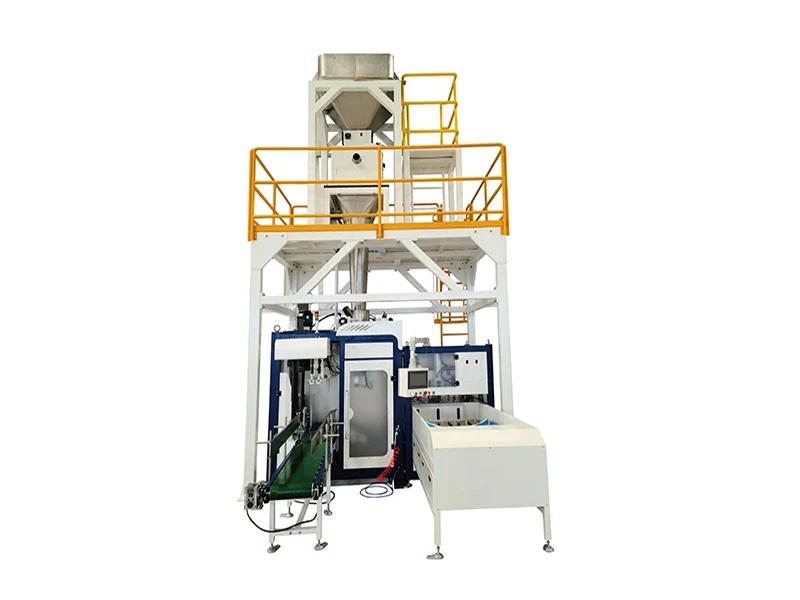
    Bulk product packing rarely fails at one dramatic point. It usually slows down at small handoff gaps: the hopper feed is uneven, the operator access is awkward, bags do not settle cleanly, and the discharge side starts to back up. The first image shows a complete bagging line laid out around a hopper, an elevated working platform, and a downstream transfer path. That is exactly the kind of structure a plant needs when the goal is to keep the infeed stable and the output moving without constant manual correction.

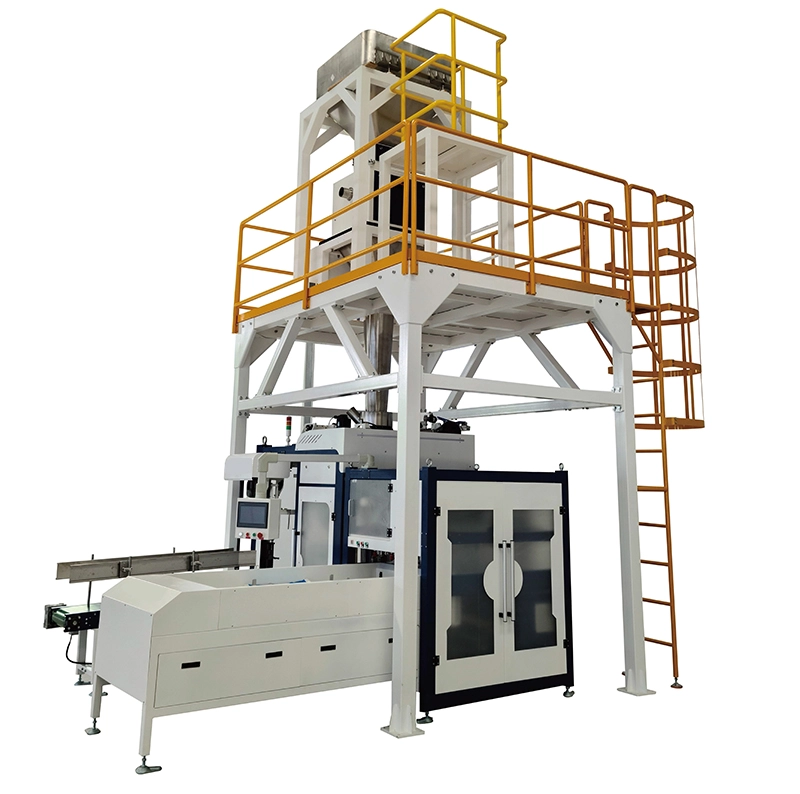
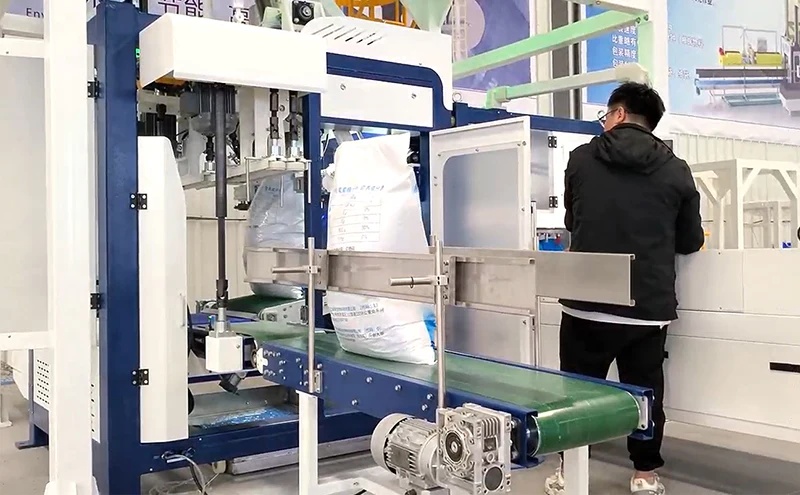
    The bagging station image makes the control side visible as well: a swing-arm HMI touchscreen, a steel platform, safety railing, and an outfeed conveyor. That combination matters because the operator can watch the process from one point, adjust the job without walking around the machine, and keep the bagging rhythm aligned with the rest of the line. For a packing operation, that is how you reduce small stoppages that turn into big hourly losses.
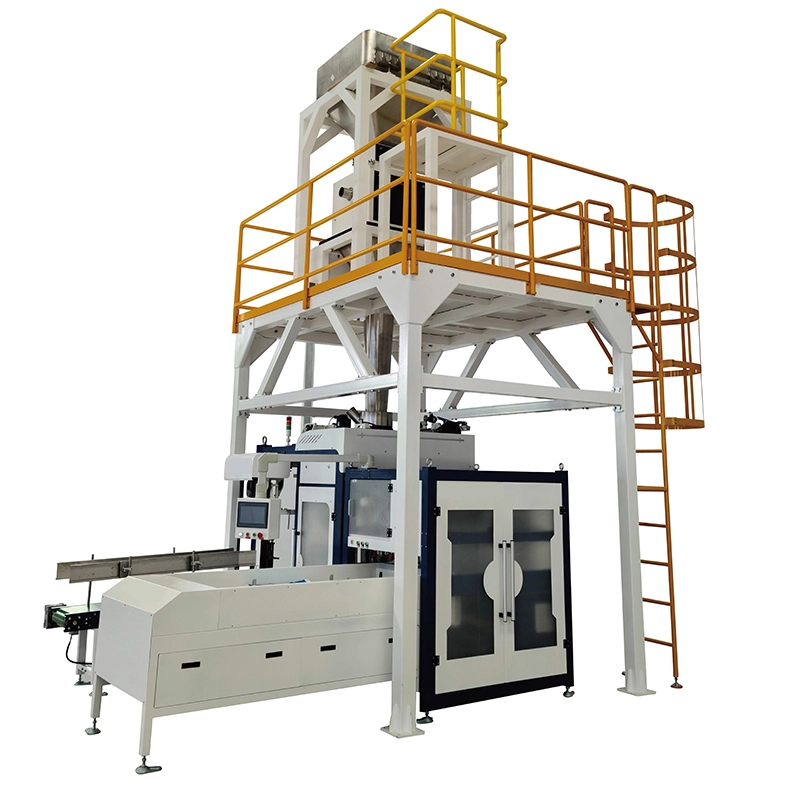
    ppline automatic bagging station showing swing-arm HMI touchscreen, outfeed conveyor, steel platform, and safety railing
    Typical pain point

    A packing line becomes unreliable when bag pickup is inconsistent, bag positioning is messy, and workers must compensate for the machine instead of the machine supporting the worker.

    What the internal structure is doing for the operator

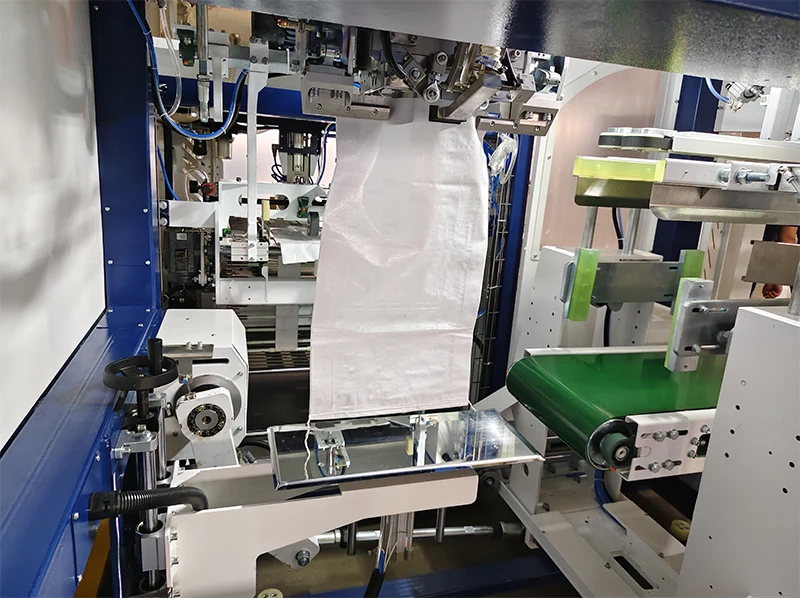
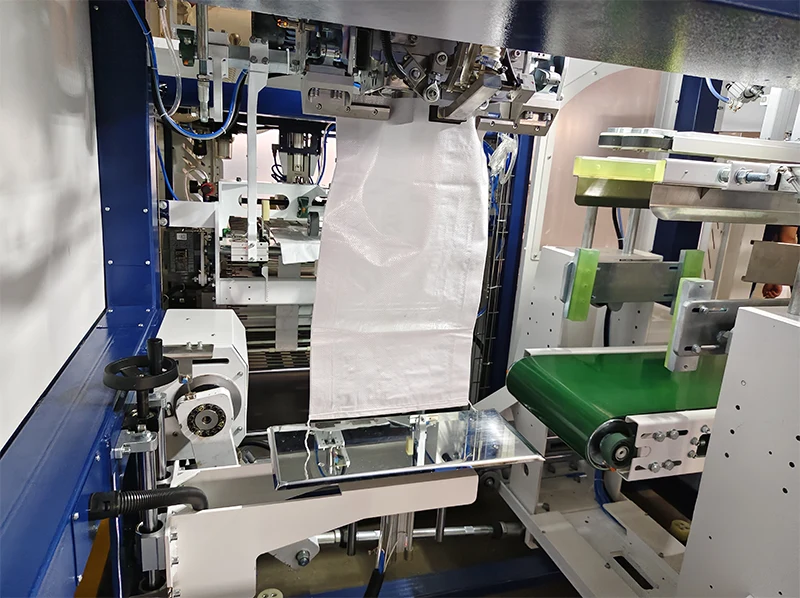
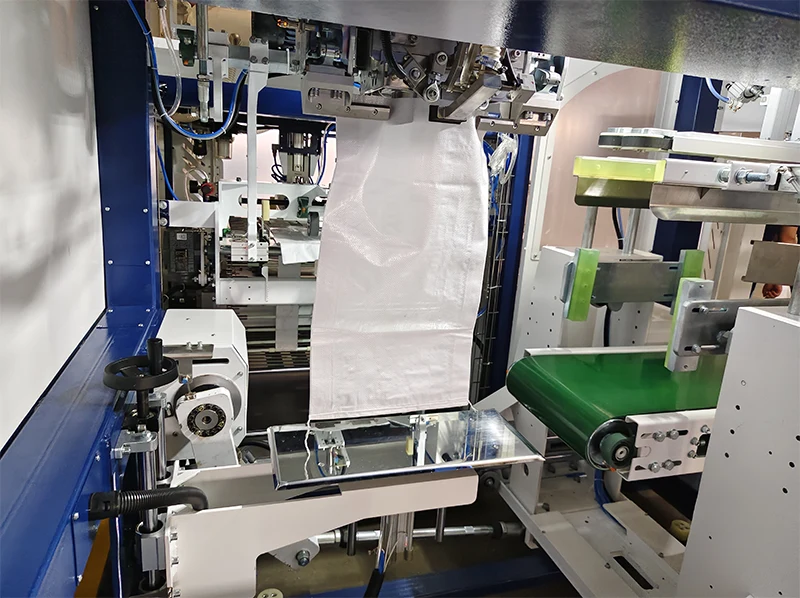
    The close-up image shows the internal bagging unit with vacuum suction cups, a woven-bag handling zone, and a height adjustment handwheel. This is the part that explains why the line can keep the bag pickup cleaner. Vacuum pickup gives a more controlled handoff than a loose manual catch, while the height adjustment helps the unit match bag size and working height without forcing a rough setup.

    That is the difference between a machine that simply fills and a machine that supports the whole packing rhythm. When the internal handling is controlled, the downstream conveyor does not have to absorb the mess. The pallet side runs steadier, and operators spend less time fixing placement issues or reworking a poorly presented sack. The result is a more predictable line from hopper to dispatch.

    Operational insight: the best packing line layout is not only about throughput. It is also about reducing the number of times the bag must be touched, lifted, corrected, or re-aligned before it reaches the pallet.
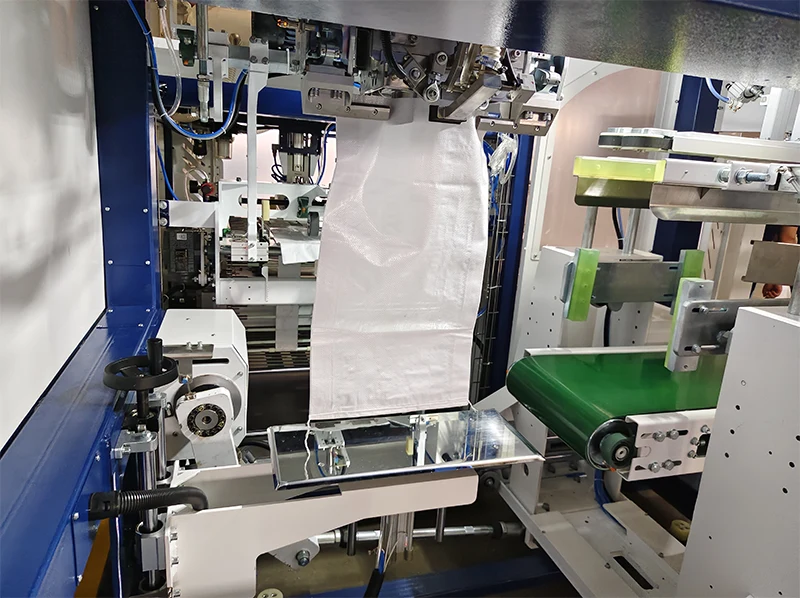
    ppline bagging unit internal close-up with vacuum suction cups, woven bag handling, and height adjustment handwheel

    What the running line proves in practice

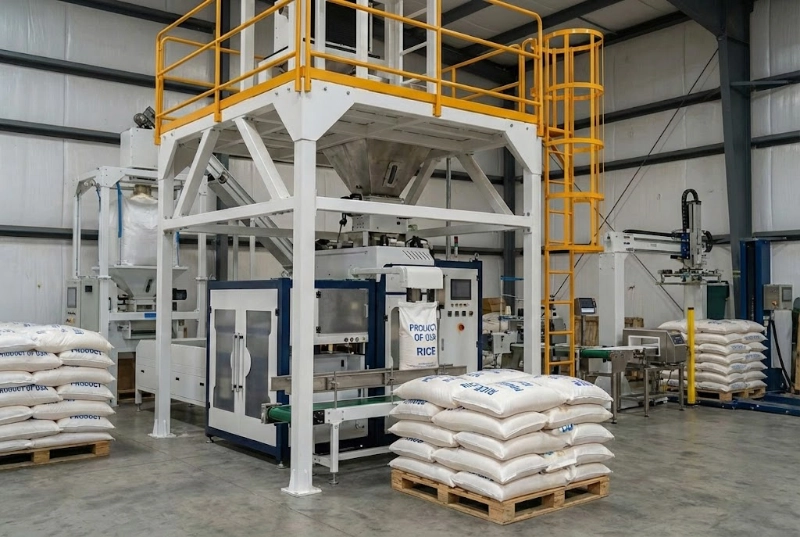
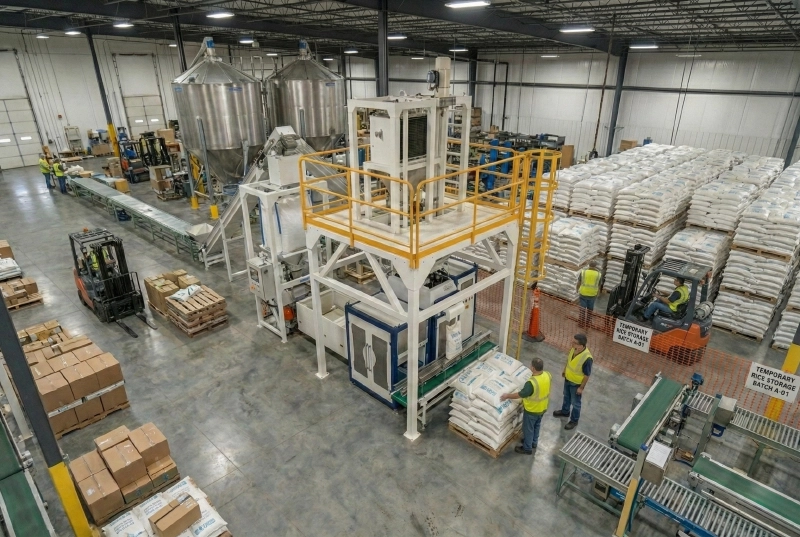
    The production-floor image shows the machine working with operators around the pallet zone, which is the most practical proof point for any bagging installation. The line is not isolated in a lab. It is placed where people, conveyors, and pallets must cooperate. That is why the steel cage ladder, belt conveyor, and visible stacking area matter: they show the machine has been built for real access, real transfer, and real warehouse movement.

    For a bulk-material packing site, that kind of structure supports three outcomes. First, the hopper feed stays more stable because the upstream section is organized. Second, the bag handoff is cleaner because the pickup and transfer path are controlled. Third, the dispatch side is easier to manage because the pallets are collected in a defined flow rather than scattered around the floor. If the target is fewer interruptions and a steadier daily output, this is the layout direction that makes sense.
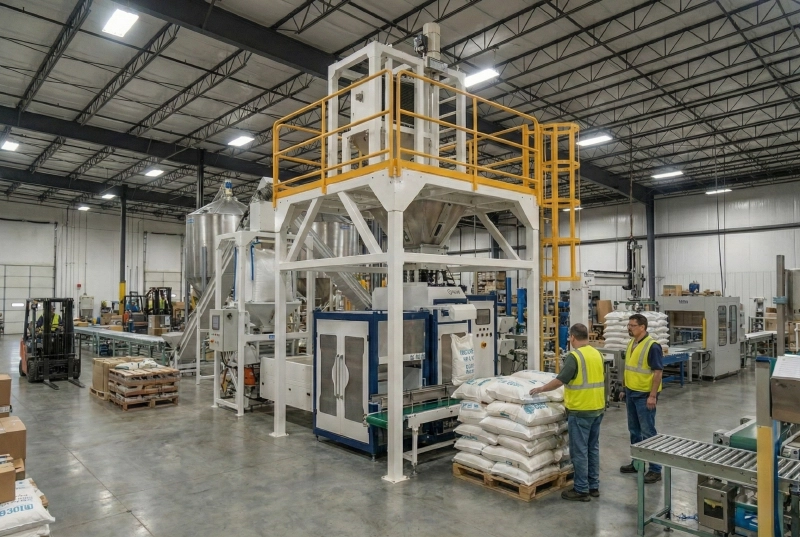
    ppline operating bagging line with steel safety cage ladder, conveyor, operators stacking sacks, and active pallet flow
    Evidence from the imagesOperational meaningResult for the packing site
    Hopper feed and elevated platformBetter access and more organized infeedSteadier material supply
    Swing-arm HMI and outfeed conveyorEasy control and cleaner bag transferFewer interruptions during packing
    Vacuum suction cups and height adjustmentControlled bag pickup and easier setupMore reliable bag handling
    Operators stacking sacks beside the conveyorDefined pallet flow and practical line integrationCleaner dispatch and steadier warehouse movement

    Need a steadier bagging layout?

    If your current line is losing time at the hopper, at the bag pickup point, or at the pallet side, the ppline layout shows the kind of structure that can tighten the whole flow. Share the bag size, target output, and material type, and we can match the packing line to the real working condition instead of forcing a generic setup.

    Talk to BPM
  • How a ppline Packaging Line Stabilizes Hopper Feed, Bag Alignment, and Transfer Flow

    How a ppline Packaging Line Stabilizes Hopper Feed, Bag Alignment, and Transfer Flow

    ppline packaging line in warehouse and plant-floor bagging service

    How a ppline Packaging Line Stabilizes Hopper Feed, Bag Alignment, and Transfer Flow

    For bulk-product teams that need steadier bagging, cleaner handoff, and fewer stops at the transfer point, the ppline line is built around controlled feed, clear operator access, and a compact bagging-to-discharge layout. The result is a packaging line that stays easier to run when the warehouse is busy and the bags must move without extra rework.

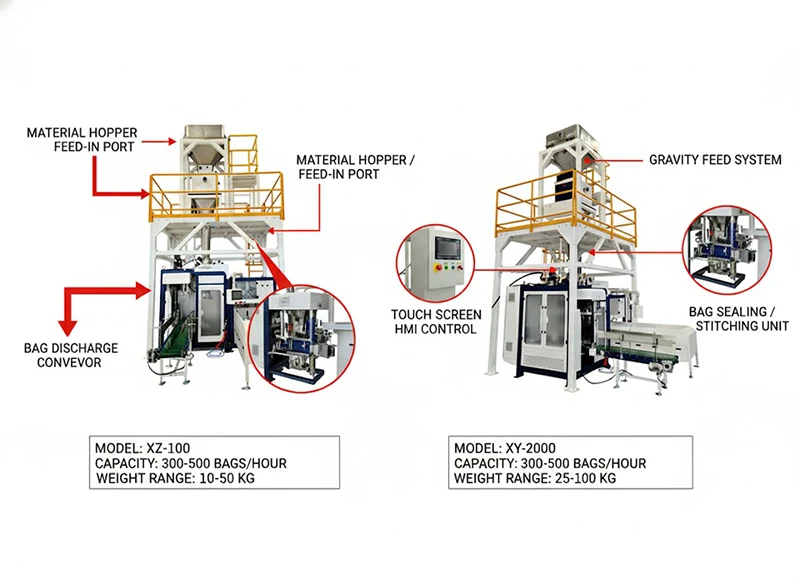
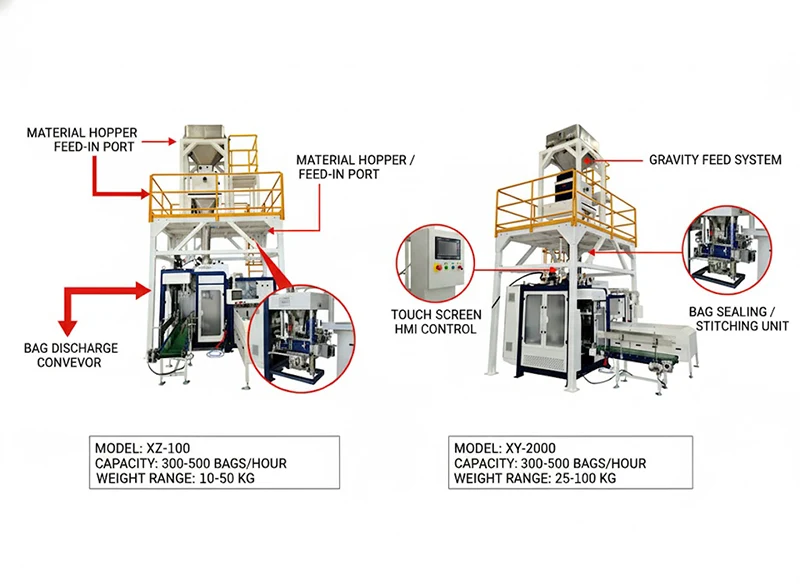
    Automatic bulk bagging line with hopper feed, HMI touchscreen, and sealing station

    Why the old setup starts to slip when feed and handoff are not stable

    Many plant teams know the pattern: the hopper feeds unevenly, the bag mouth needs too much correction, and discharge slows down once the shift gets busy. Small problems stack up fast. Operators spend more time keeping the line alive than keeping output steady, and the whole packaging area starts to depend on manual intervention.

    The ppline concept addresses that weak point with a more organized line layout. The machine body, feed section, and transfer path are arranged to keep the bagging work visible and controllable, so the operator can correct issues earlier instead of reacting after a jam or spill.

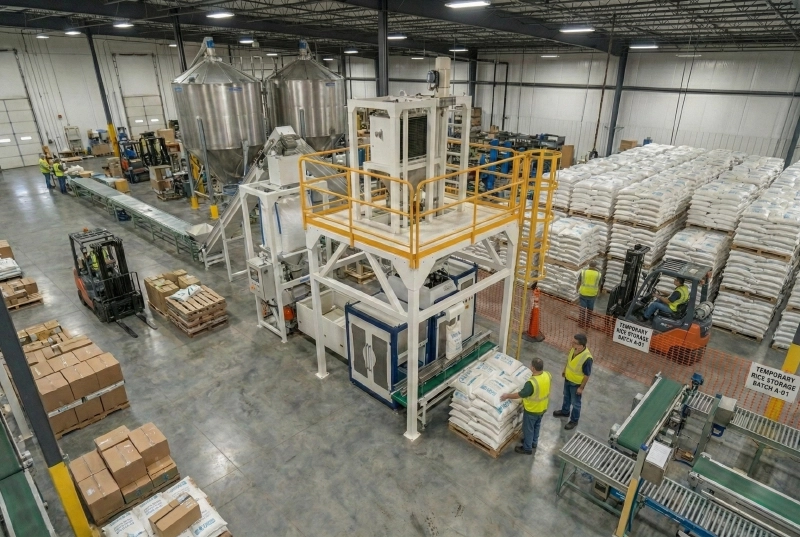
    High-angle ppline bagging plant with twin silos, conveyors, and stacked pallets
    Typical pain point

    Uneven hopper feed, bag misalignment, slow changeover, and a transfer area that forces the team to stop, adjust, and restart too often.

    Why ppline fits this workflow better

    The fit comes from the structure, not from a slogan. The line uses a hopper-fed packaging approach, a visible HMI-controlled operating point, and a discharge path that keeps the bag moving in a predictable direction. That matters when the product is a bulk material and the real goal is not just filling bags, but keeping the whole packing sequence steady from feed to pallet flow.

    The close-up structure also helps. The suction-cup and alignment area gives operators a clearer view of the bag handoff. That reduces the chance of a poor grip or a skewed mouth position turning into a shutdown. In practice, this is what makes the line feel more stable on a busy floor: less guessing, less correction, and fewer interruptions.

    What the image proves: the machine is not only a generic conveyor. It combines controlled bagging, alignment hardware, and a compact transfer path that supports steadier operation across the full cycle.

    Structure, operating points, and the result you can expect

    The structure shown in the selected images is practical: elevated platform access, hopper-fed upstream handling, bagging control at the main station, and a transfer area built for continuous movement. In warehouse use, that means the line can stay organized even when the surrounding logistics are active. In plant use, it means the operator can see the working points and respond before small problems become output loss.

    That is the main value of the ppline package. It gives bulk-product teams a cleaner route from feed to bagging to discharge, with enough physical clarity to support day-to-day operation and enough structure to reduce random stoppages. When the old setup is too dependent on manual correction, this kind of line turns the process into something more repeatable.

    AreaWhat to watchWhat ppline supports
    FeedHopper stability and steady material entryHopper-fed line layout with visible control point
    Bag alignmentMouth position and grip reliabilityAlignment-friendly bagging station with suction-cup detail
    TransferDischarge flow and pallet handoffConveyor-led flow toward stacked pallets
    Close-up bagging unit with vacuum suction cups, conveyor, and woven bag alignment

    Need a steadier bulk packaging line for your plant or warehouse?

    If your current setup loses time at feed, bag placement, or transfer, ppline is the kind of line worth comparing against your existing workflow. Share your bag size, output target, and product type, and we can match the packaging layout to the real process bottleneck.

    Contact us for a packaging line recommendation
  • How a Granule Bagging Line Keeps Hopper Feed, Clamping, and Pallet Flow Steadier

    How a Granule Bagging Line Keeps Hopper Feed, Clamping, and Pallet Flow Steadier

    bpmpack ppline | granule bagging line

    Why a Granule Bagging Line Keeps Hopper Feed, Bag Transfer, and Pallet Flow Steadier

    For plants moving granules into woven bags, the real problem is rarely the bag itself. The trouble starts when feed is uneven, the bag mouth drifts during clamping, and the discharge area forces every sack to travel through a narrow, rough handoff before it reaches palletizing. The ppline granule bagging line is built to remove those weak points with a cleaner mechanical path, clearer operator access, and a more stable transfer layout.

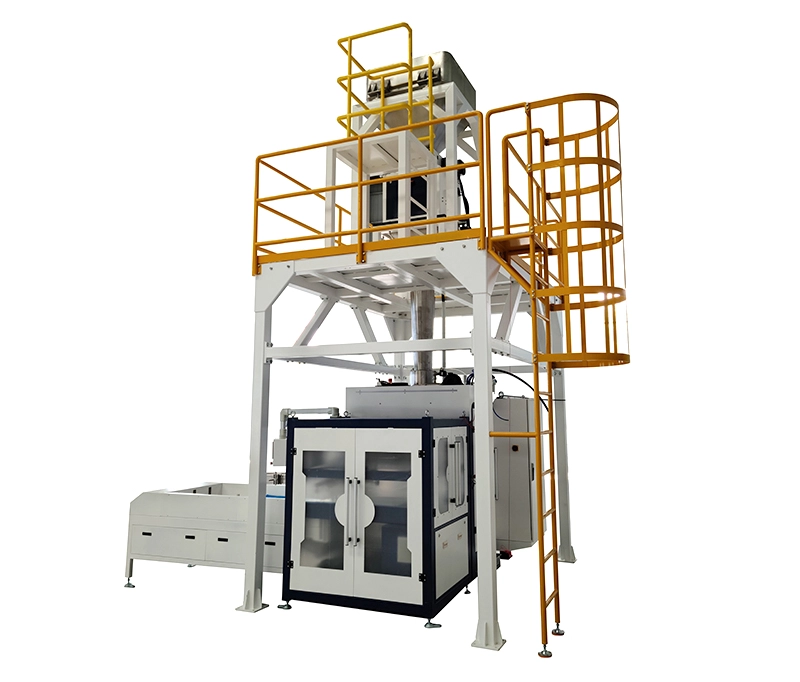
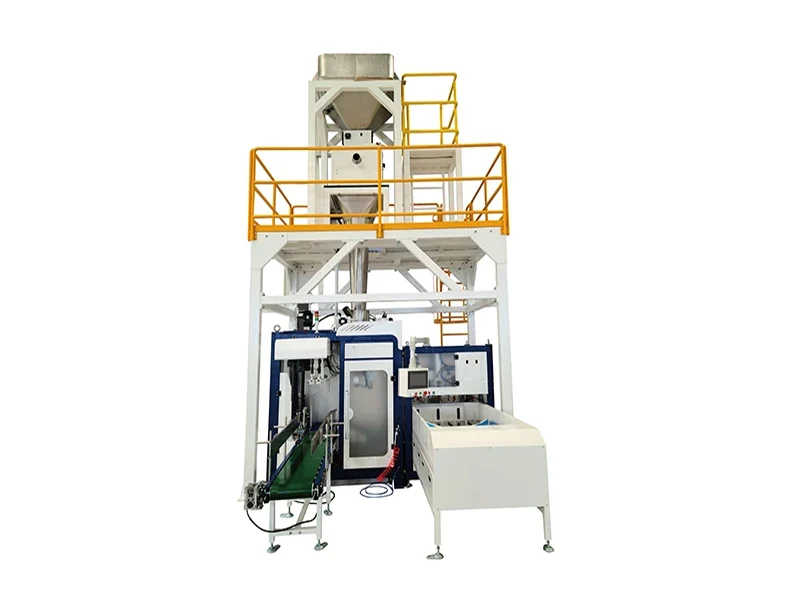
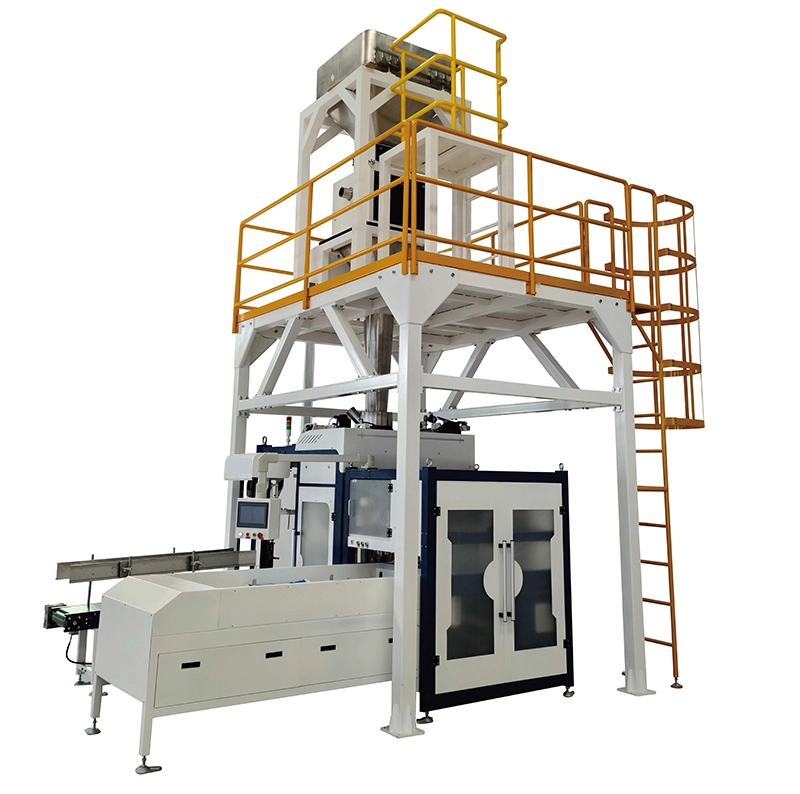
    Granule bagging line with steel platform, safety cage ladder, and enclosed cabinet

    What usually goes wrong on the old line

    In many bagging rooms, the old setup is built around shortcuts. The hopper sits too close to the floor, the control point is tucked away, and the bag discharge route relies on the operator to correct every small deviation by hand. That works when the line is slow and the sack flow is forgiving. It breaks down when the plant wants steadier granule bagging and cleaner movement from filling to pallet transfer.

    Once the bag mouth starts drifting, the whole sequence becomes sensitive. A loose clamp creates a messy fill. A weak frame flexes during discharge. A poorly planned conveyor path scratches the bag surface and makes stacking inconsistent. In practice, the issue is not only output speed. It is the repetition of small errors that forces rework, slows downstream handling, and makes the pallet zone harder to keep tidy.

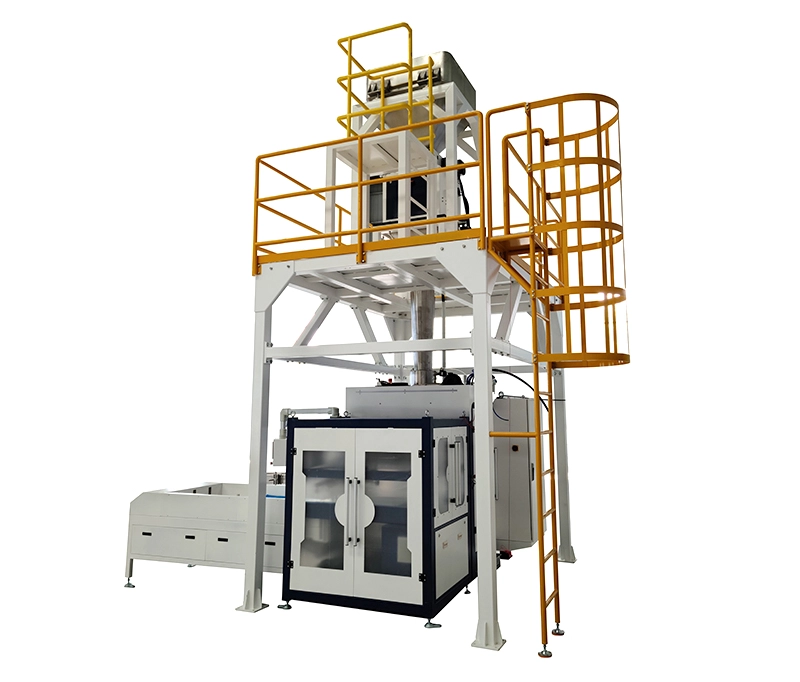
    Side view of granule bagging line with swing-arm HMI touchscreen and outfeed conveyor
    Typical pain point:

    When operators have to fight bag drift, access issues, and a cramped discharge path at the same time, the line stops behaving like a system and starts behaving like separate manual jobs.

    Why ppline fits granule bagging work better

    The ppline layout solves the problem by connecting the feeding, clamping, discharge, and access points into one readable structure. The elevated steel platform keeps the working zone organized. The safety cage ladder gives maintenance teams direct access without disturbing the floor flow. The enclosed cabinet reduces the impression of an exposed, improvised machine line, which matters when the plant wants a cleaner operating standard.

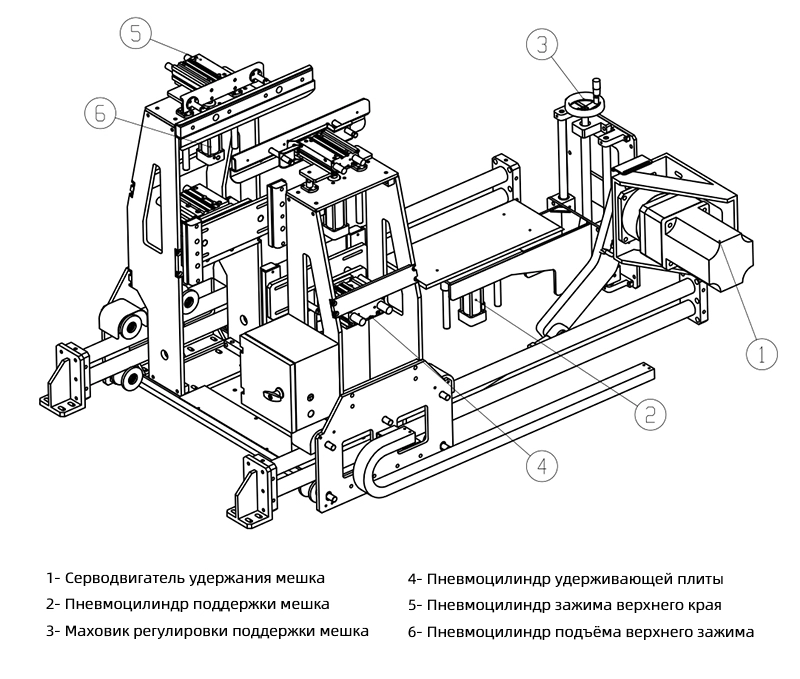
    More importantly, the visible bagging mechanism is designed for control rather than guesswork. The swing-arm HMI gives the operator a clear interface at the side of the machine. The bag clamping and bottom support assembly uses pneumatic cylinders and servo adjustment, which helps keep the bag mouth aligned before and during discharge. That is the difference between a line that only fills sacks and a line that keeps the sacks ready for the next move.

    Bag clamping and bottom support assembly with pneumatic cylinders and servo adjustment
    On-site modular industrial processing line with hopper feeder, control cabinet, and inclined conveyor

    Practical takeaway: when hopper feed, alignment, and discharge are built into one modular path, the line becomes easier to trust, easier to inspect, and easier to keep moving during a full shift.

    What the images prove about the structure

    The image set shows the line from three useful angles: front view, side view, and live operating scene. Together they show a steel tower with a platform, a side-mounted HMI, a controlled bag support assembly, and a discharge path that leads cleanly toward the pallet area. That is not decoration. It is the physical evidence that the ppline granule bagging line was built to reduce handling confusion.

    On the floor, this structure supports a more stable result. The operator can see the control point. The bag is supported before it leaves the fill area. The conveyor path is visible and short enough to inspect. And the pallet zone, shown in the operating photo, stays more orderly because the sack handoff is cleaner before stacking begins.

    Image evidenceVisible structureOperational result
    Front product viewSteel platform, safety cage ladder, enclosed cabinetCleaner access and a more organized machine footprint
    Side product viewSwing-arm HMI and outfeed conveyorClear operator control and steadier bag discharge
    Mechanism close-upPneumatic clamps and servo-adjusted supportBetter bag mouth alignment during fill and transfer
    Live factory sceneHopper feeder, inclined conveyor, pallet areaSmoother plant flow from feed to stacking
    Operating granule bagging station with bag transfer conveyor and pallet stacking area

    Need a granule bagging line proposal for your plant?

    If your current bagging room is losing time to bag drift, rough transfer, or a disorganized pallet area, ppline gives you a cleaner way to structure the feed, clamp, discharge, and operator access points. Send your bag size, target output, and transfer layout, and we will map the right line proposal for your site.

    Request a line proposal
  • How a ppline Automatic Packaging Line Keeps Hopper Access and Pallet Transfer Steadier

    How a ppline Automatic Packaging Line Keeps Hopper Access and Pallet Transfer Steadier

    Automatic packaging line for bulk bag handling

    How a ppline automated packaging line keeps hopper feed, access, and pallet transfer steadier

    For plants that need to move bulk material from feed hopper to filled sacks and then into warehouse logistics, the weak link is usually not the filling step itself. It is the handoff: unstable feeding, awkward access for operators, and a messy discharge zone that slows pallet work. This article shows how a ppline automatic packaging line is built to make that chain steadier from the first bag to the last pallet.

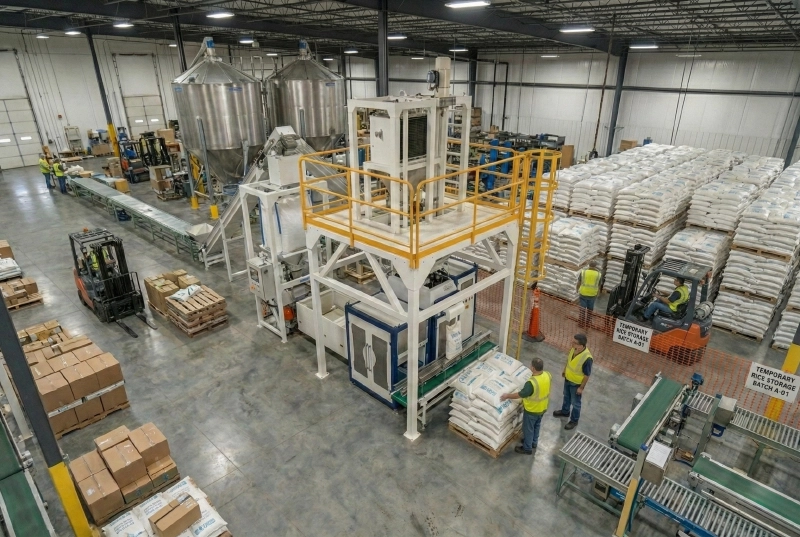
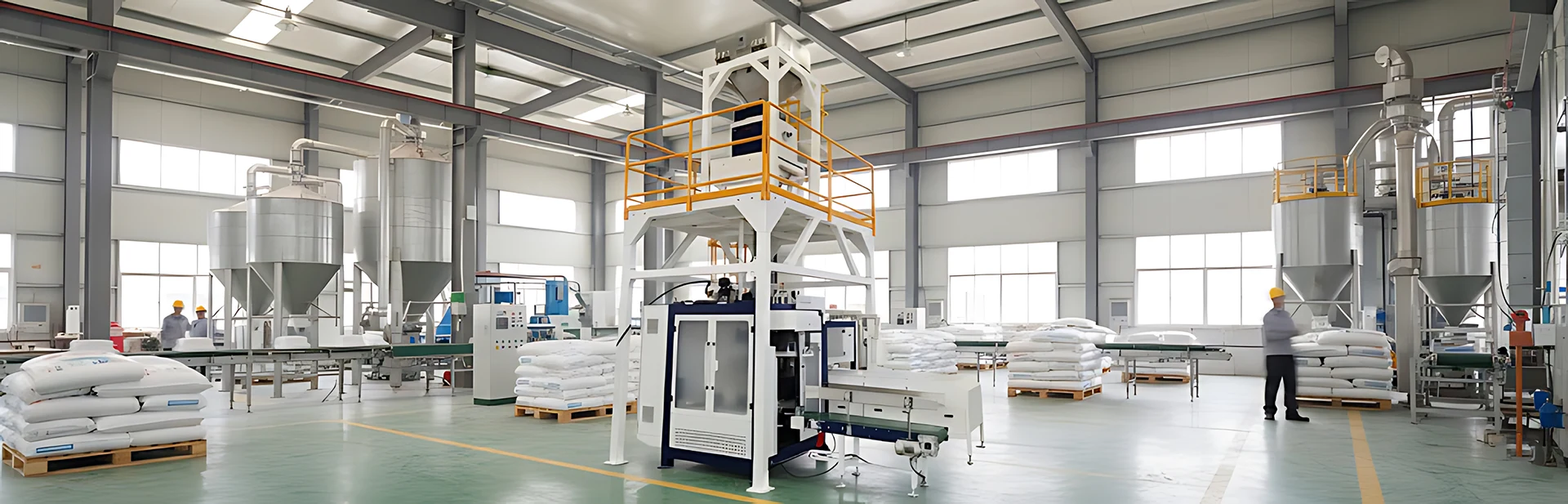
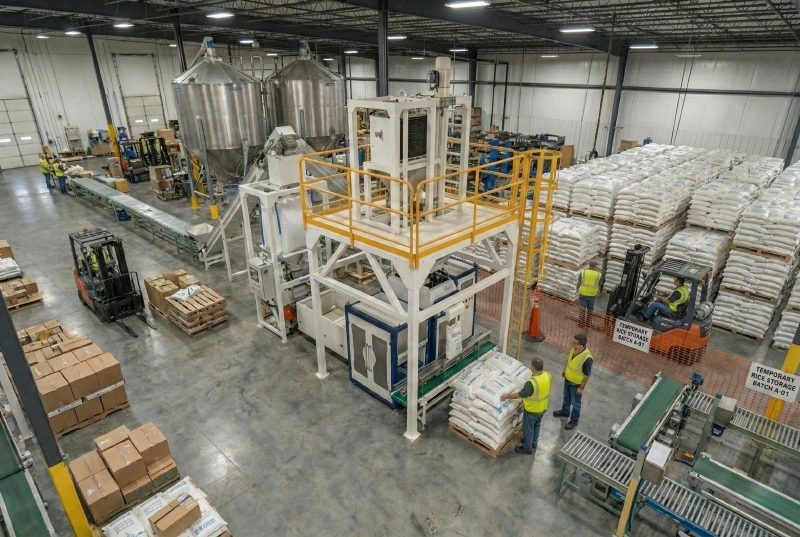
    High-angle operational photo of QZK-1200 bagging plant featuring twin stainless steel storage silos, conveyors, and active forklifts.

    Why the old bagging setup starts to fall behind

    Many bulk packing rooms still depend on a patchwork layout: one hopper feeds the filler, a separate line moves the bags, and operators work around the machine instead of with it. That works at low speed, but it becomes fragile when the plant asks for stable throughput, cleaner bag transfer, and more predictable dispatch.

    The practical problems are easy to recognize. Feed surges create weighing fluctuation. Tight machine spacing makes maintenance slower. And if the discharge conveyor is not aligned with the pallet area, sacks get handled twice, which adds labor and raises the risk of bag damage. The result is a line that looks productive on paper but loses time in the handoff points.

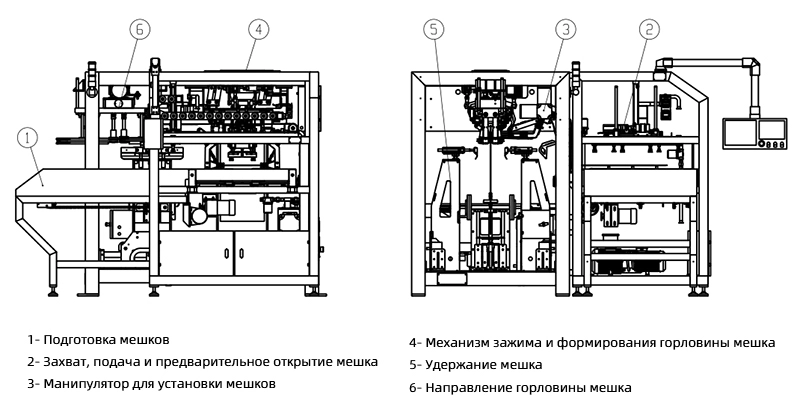
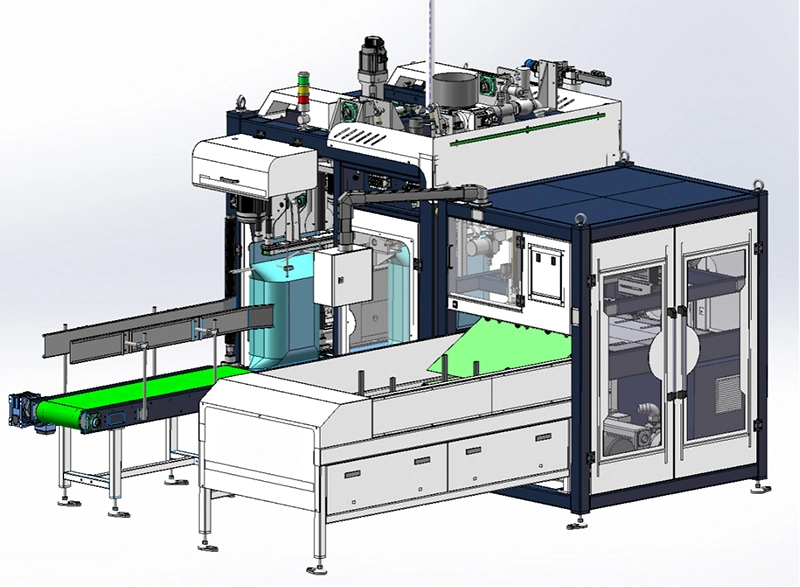
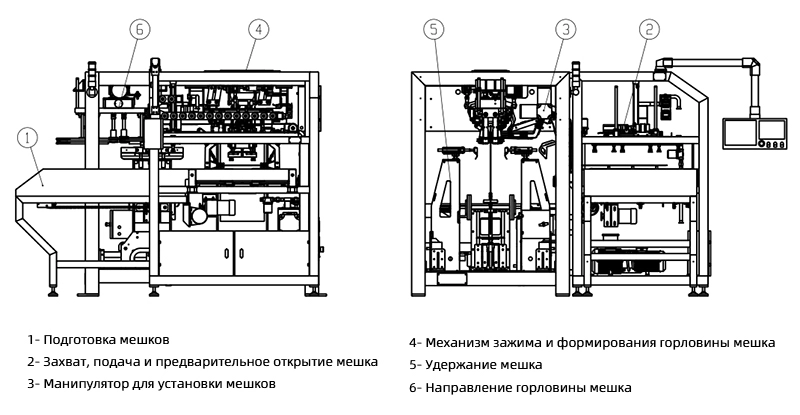
    Dual-view technical CAD blueprint of automatic bagging machine showing bag magazine, robot arm, and Russian component annotations.
    Typical pain point

    When a packing line mixes filling, bag presentation, and discharge without clear mechanical separation, the plant spends more time correcting bag position, clearing access, and managing downstream stacking than actually packing material.

    What makes ppline a better fit for this job

    A ppline automatic packaging line is a better fit because the machine layout is built around the flow path itself. The bag magazine, clamp zone, discharge conveyor, and platform access are organized as one system rather than as unrelated add-ons. That matters in daily work: operators can reach the machine, the sack path stays controlled, and the plant can keep the line running without constantly interrupting the process.

    The visual evidence in the product images shows this clearly. The high-angle plant photo shows a real industrial layout with twin storage silos, conveyors, and active forklift logistics. The CAD blueprint shows how the bag magazine and handling mechanism are positioned for repeated, controlled bag presentation. The line render shows the accumulation belt, large bag gripper, and discharge conveyor working together so the machine does not depend on manual improvisation at the last step.

    3D CAD rendering of modular secondary bagging line QZK-1200 with accumulation belt, large bag gripper, and discharge conveyor.

    Operational note: In a bulk-bagging environment, the strongest improvement usually comes from reducing re-handling. When the conveyor, clamp, and bag release zones are aligned, the plant gains steadier bag transfer and cleaner pallet preparation without needing a more complex control philosophy.

    Structure, parameters, and what the images prove

    The line evidence points to three practical strengths. First, the feed and storage side is arranged for continuous supply from hopper or silo rather than ad hoc manual refilling. Second, the handling section is designed for repeatable bag positioning, which helps stabilize the filling and release sequence. Third, the discharge zone is organized for conveyor transfer, so filled sacks leave the machine in a cleaner, more predictable stream.

    That combination is why plants choose an automatic packaging line like ppline when they want to reduce operator dependence. Instead of asking workers to correct each bag by hand, the line gives the machine the structure it needs to do the repetitive work consistently. The payoff is not only steadier output, but also less congestion around the packing point and a more orderly handoff to forklifts and pallet movement.

    Issue in the old lineWhat ppline changesResult on the floor
    Unstable feed and inconsistent bag presentationHopper/silo-fed layout with controlled bag handlingSteadier filling rhythm
    Poor access around the machinePlatform and structural layout designed for service accessFaster maintenance and fewer interruptions
    Messy discharge and double handlingConveyor-based outfeed and clearer transfer pathCleaner pallet flow and lower labor load

    For plants planning a new bulk bagging room or upgrading an older packaging station, the key is not just speed. It is whether the structure supports stable feed, clean bag movement, and practical warehouse transfer. That is the point where ppline earns its place in the line.

    Need a steadier bagging line layout?

    If your current setup depends too much on manual correction, ppline can be configured around your feed source, bag type, and discharge route so the whole packaging sequence runs with less friction.

    Request a packaging line layout review
  • How ppline Keeps Hopper Feed, Platform Access, and Warehouse Transfer Steadier

    How ppline Keeps Hopper Feed, Platform Access, and Warehouse Transfer Steadier

    Bulk product packing line

    How ppline Keeps Hopper Feed, Platform Access, and Warehouse Transfer Steadier

    For plants handling bulk granules, the problem is rarely just filling speed. The real challenge is keeping feed stable, keeping operators safe on the platform, and sending bagged product out without stop-start congestion. ppline is built around that workflow: hopper feed, enclosed machine sections, elevated service access, guided conveyors, and pallet-ready dispatch movement.

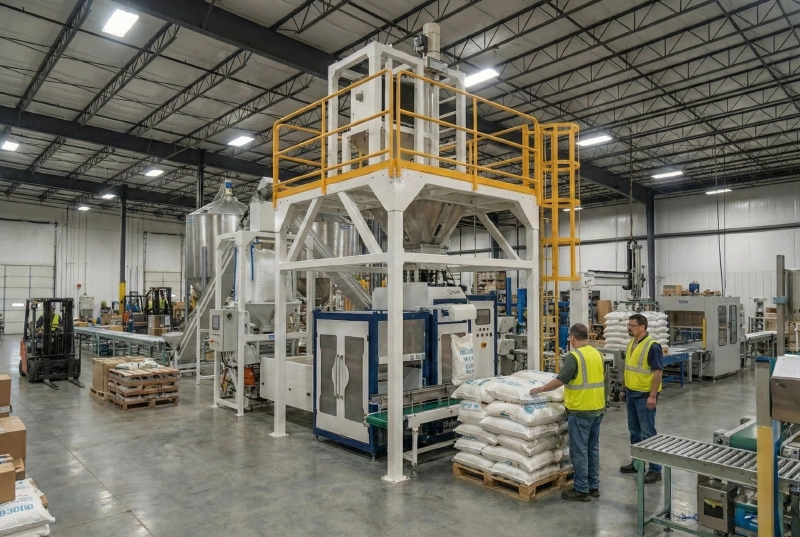
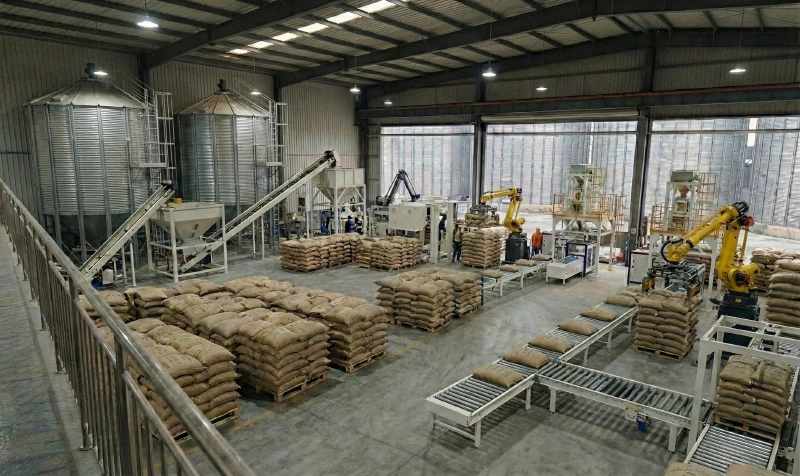
    ppline industrial powder packaging line with stainless steel silos, elevated platform, conveyors, and bagged product stacks

    When bulk-product plants need a cleaner transfer path

    Typical bulk-product workshops do not fail because the material is difficult only on paper. They fail because the old layout creates too many handoff points: a hopper that surges, a filling section that is hard to reach, a conveyor that drifts, and a discharge zone that backs up as soon as pallets start stacking. Once that happens, operators compensate manually and the whole line becomes harder to keep steady shift after shift.

    That is why this kind of line needs more than a single filling head. It needs a structure that keeps the feed zone organized, gives technicians safe access to the upper section, and moves packed bags away in a controlled way. ppline is matched to that job because its physical layout already separates the main functions instead of mixing them together on one crowded frame.

    ppline industrial bagging line with elevated steel platform, hopper, inclined conveyor, and safety railings
    Old-line pain point

    Loose floor layouts usually create unstable feeding, awkward maintenance access, and noisy bag transfer between packing and warehouse handling. When the upper section is hard to inspect and the outfeed path is not clear, the line spends more time waiting on people than moving product.

    Why ppline fits this workflow better

    ppline is a stronger fit because the line is visibly engineered as a modular system. The hopper sits at the top, the main machine body is enclosed, the platform lifts service points off the floor, and the conveyor path is already defined in the layout. That means the operator is not fighting the machine structure. The structure is doing the job of keeping the process orderly.

    The images show the key evidence: stainless steel silos for material storage, a raised platform with guard rails for access, side conveyor sections for transfer, and a larger warehouse view that keeps the bagged output near pallet handling. In practical terms, that helps reduce manual re-handling and makes the production line easier to run at a steady rhythm.

    What this means on site: once the feed, packing, and outfeed zones are physically separated, the crew can focus on throughput instead of chasing the material from one improvised station to the next.

    Structure, operating layout, and image evidence

    The visual set points to a line built for bulk products that need stable handling and predictable dispatch. The tall frame and safety railings support upper-level service. The inclined conveyor keeps material movement directional. The enclosed cabinet section helps protect the main process area. And the warehouse-wide view shows how the packaging line connects to palletized sacks instead of ending at the discharge point.

    In other words, the equipment is not just filling bags; it is organizing the whole flow from feed to finished stack. That is the difference between a machine that works in isolation and a line that actually supports daily production. For a plant manager, that difference shows up in fewer interruptions, clearer access, and a cleaner handoff into storage or shipping.

    Observed structureOperational valueImage proof
    Top hopper and silosHelps keep feed organized before packingShown in the hero and warehouse views
    Elevated platform with guard railsMakes service access and inspection easierVisible in the platform-side photos
    Enclosed machine bodyKeeps the working section compact and protectedVisible in the machine-side views
    Inclined and side conveyorsMoves bags away in a more controlled pathVisible in the transfer and warehouse images
    Pallet-ready output zoneSupports cleaner dispatch and less re-handlingVisible in the high-angle production view
    bpm-cta-section

    Final result: steadier packing, cleaner transfer, easier dispatch

    For bulk-product plants, the goal is not only to fill bags. The goal is to keep the whole line moving without unnecessary manual correction. ppline supports that result by combining structured feed, raised service access, enclosed machine sections, and conveyor-led bag transfer into one practical layout.

    So if the current line is slowed down by awkward maintenance access, unstable feeding, or a congested outfeed area, ppline is the kind of packaging line that can make the process more controlled from the first hopper load to the final pallet stack.

    Talk to BPM about ppline layout planning
  • How a Rice Bagging Line Keeps Hopper Feed, Bag Placement, and Dispatch Flow Steadier

    How a Rice Bagging Line Keeps Hopper Feed, Bag Placement, and Dispatch Flow Steadier

    ppline | rice bagging line

    How a Rice Bagging Line Keeps Hopper Feed, Bag Placement, and Dispatch Flow Steadier

    For rice plants that need a cleaner handoff from filling to palletizing, ppline uses a steel-framed bagging tower, stable hopper feed, swing-arm HMI control, and belt discharge to keep the whole packing room moving with less drift and less rework.

    Automated rice bagging line with steel hopper, weighing frame, and palletized sacks in factory

    When rice packing is manual or loosely linked, the problems show up fast

    Rice is easy to spill, easy to bridge, and easy to slow down when the packing area depends on one operator at a time. A weak hopper feed creates uneven flow. A loose bagging station creates misalignment at the fill point. A rough discharge path creates damaged sacks, inconsistent stacking, and extra forklift handling.

    That is why the upgrade is not just a faster filler. The real target is a steadier transfer chain: hopper feed, bag positioning, discharge conveyor, and pallet staging all need to match one another. In a rice room, the line must keep the bag under control from the moment it is clamped to the moment it leaves the packing cell.

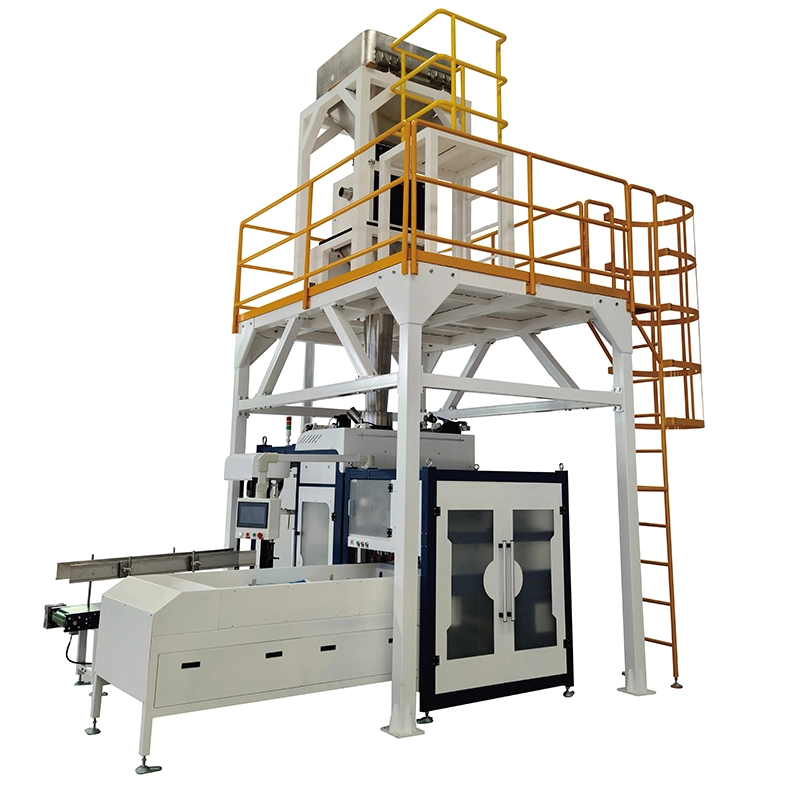
    QZK-1200 rice bagging machine with swing-arm HMI, elevated steel platform, and outfeed conveyor
    The usual pain point

    Most delays come from unstable bag handoff, poor visibility at the control point, and discharge that depends too much on manual correction. Once the packing cell loses rhythm, the downstream pallet area starts to absorb the problem.

    Why ppline fits rice bagging better than a generic packaging setup

    ppline is built around a tall steel frame, a protected access ladder, a closed cabinet body, and a clear operating interface. That matters because rice packaging needs more than a filler head. It needs structure. The elevated frame keeps the working level organized, while the swing-arm HMI gives operators a direct view of the filling and discharge points without crowding the machine.

    Inside the bagging unit, the vacuum suction cups and bag placer help the sack settle before filling starts. That reduces awkward hand positioning and helps the bag mouth stay aligned. For the discharge side, the conveyor path keeps the filled rice sack moving in a predictable way, which makes palletizing and short-term staging easier to control.

    Practical takeaway: if the room needs steadier transfer, not just higher speed, the stronger answer is a line that keeps the bag, conveyor, and pallet zone tied together as one flow.

    Internal bagging unit with vacuum suction cups, green conveyor, and woven rice sack handoff

    Structure and parameters that matter on the floor

    On site, the useful evidence is mechanical. A white or painted steel tower is not just a visual detail; it shows the machine is built to hold the bagging station, access route, and discharge section in a fixed relationship. The enclosed cabinet reduces exposed clutter around the drive and controls. The outfeed conveyor creates a cleaner handoff after filling. Together, those details reduce the small interruptions that usually turn into bigger flow losses over a shift.

    The machine family shown here also makes the workflow easier to understand in photos and on the floor: hopper feed at the top, filling and bag control in the middle, and discharge to the pallet zone at the bottom. That vertical logic is useful for rice because the operator can read the process fast, and the line can be scaled into a steadier multi-bag packing rhythm without rebuilding the whole room layout.

    Dual rice bagging lines with robotic palletizing arms, roller conveyors, and twin storage silos
    Point to checkWhat ppline doesWhy it helps rice packing
    Hopper feedUses a stable top-feed structure and controlled infeed pathHelps reduce bridging and uneven flow
    Bag handoffUses vacuum suction cups and bag positioning supportKeeps the rice sack mouth aligned before filling
    DischargeMoves filled sacks onto a defined outfeed conveyorMakes pallet staging cleaner and more predictable
    Operator visibilityPlaces the HMI on a swing arm near the working zoneSpeeds up adjustment and troubleshooting

    Need a rice bagging line that keeps flow steadier from fill to pallet?

    ppline is the practical answer when the goal is cleaner bag placement, more stable discharge, and less manual correction in the packing room. If your current line is losing time between filling and dispatch, the next step is to match the structure to the workflow.

    Contact us for a rice line layout review
  • How ppline Handles 10 kg Bagging with Cleaner Transfer and Steadier Discharge

    How ppline Handles 10 kg Bagging with Cleaner Transfer and Steadier Discharge

    10 kg woven-sack bagging line

    How ppline Handles 10 kg Bagging with Cleaner Transfer and Steadier Discharge

    For plants packing 10 kg woven sacks, the real issue is usually not filling alone. It is the full handoff path: feed stability, bag control, discharge cleanliness, and how smoothly finished sacks move into the warehouse without a bottleneck.

    High-angle operational photo of QZK-1200 bagging plant featuring twin stainless steel storage silos, conveyors, and active forklifts.

    Why 10 kg bagging breaks down when the transfer path is weak

    Plants often start with a basic filler and expect the rest of the flow to take care of itself. In practice, the weak point is the path around the filler: sacks do not land cleanly, the transfer belt slips, and operators have to correct alignment by hand. That slows throughput and makes the warehouse side messy.

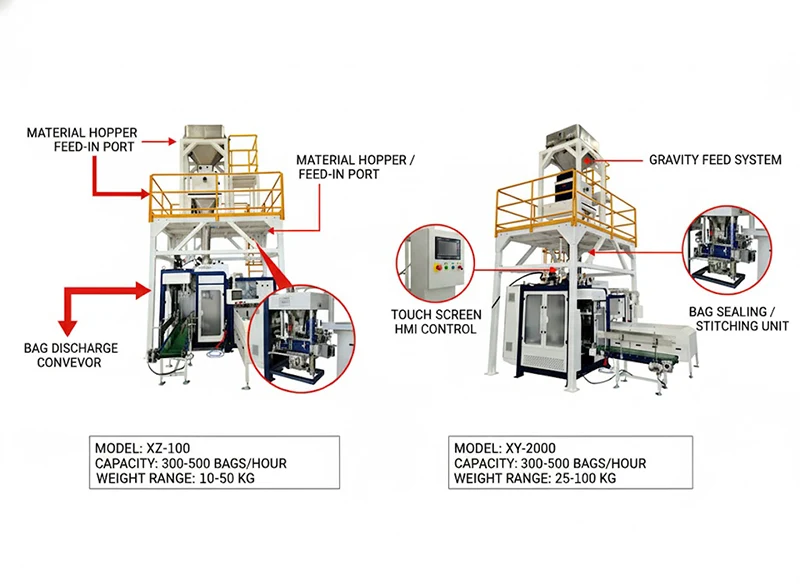
    The line shown here solves that problem with a clearer mechanical chain. A hopper feed brings material to the dosing point, the HMI gives the operator a direct view of the process, and the bag sealing and stitching unit keeps the discharge side organized. The result is less drift between filling and takeaway.

    Automatic bulk bagging machine with hopper feed, gravity dosing, HMI touchscreen, and bag sealing and stitching unit
    Common pain point

    When 10 kg sacks leave the filling station unevenly, the downstream belt gets overloaded, the bag shape changes, and the operator has to keep re-centering product by hand. That is where consistency is lost.

    How the structure supports steadier output

    The structure matters because the line is not just a filler. The steel frame, guide rails, and motorized belt create a controlled transfer path. In the close-up image, the vacuum suction cups and robotic placing arm show how the bag is controlled before it moves on. That is exactly what protects the flow at 10 kg, where sacks are still light enough to shift if the handoff is loose.

    The result is a cleaner discharge path, fewer corrections at the operator side, and a more stable route into palletizing or warehouse staging. For plants that run many short batches, that stability usually matters more than a single headline speed figure.

    Operational note: A clean handoff is usually the difference between a packaging line that looks fast on paper and one that actually holds up across a full shift.

    Close-up internal photo of bagging unit with vacuum suction cups, robotic placing arm, green conveyor, and white woven bag.

    What the evidence says: structure, transfer, and warehouse flow

    The image set shows three useful facts. First, the warehouse-facing layout includes conveyors and active forklift movement, so the line is designed for real floor logistics, not a lab mockup. Second, the machine body combines hopper feed, gravity dosing, HMI control, sealing, and stitching, which gives the operator a full process path in one system. Third, the internal close-up proves the bag is handled mechanically before release, reducing the chance of a loose or crooked handoff.

    That combination is why ppline fits 10 kg woven-sack work well: it supports a controlled feed, a cleaner transfer, and steadier discharge into the next step. For facilities that want more predictable packing days and less manual rework, that is the practical win.

    Industrial bag conveyor transfer machine with steel frame, guide rails, and motorized green belt
    StageWhat the line doesWhy it matters
    FeedHopper feed and gravity dosing keep material moving toward the bagging point.Reduces interruptions before the sack is filled.
    Bag controlVacuum suction cups and placing arm hold the woven bag during handoff.Prevents crooked placement and loose discharge.
    TransferSteel frame, guide rails, and motorized belt move finished sacks out cleanly.Keeps the warehouse side steadier and easier to manage.
    High-angle operational photo of QZK-1200 bagging plant featuring twin stainless steel storage silos, conveyors, and active forklifts.

    Need a 10 kg line that stays cleaner from fill to warehouse?

    If your current setup needs frequent hand correction, weak transfer control, or better bag discharge stability, ppline is a practical next step. The line is built around a controlled feed path, mechanical bag support, and a cleaner conveyor handoff.

    Talk to BPM about your 10 kg bagging layout
  • How a Rice Bagging Line Keeps Filling Stable, Bag Transfer Cleaner, and Warehouse Flow Steadier

    How a Rice Bagging Line Keeps Filling Stable, Bag Transfer Cleaner, and Warehouse Flow Steadier

    Rice Bagging Line

    How a Rice Bagging Line Keeps Filling Stable, Bag Transfer Cleaner, and Warehouse Flow Steadier

    For mills, grain warehouses, and packing rooms that handle woven sacks every shift, the real problem is rarely the bag itself. The weak point is usually the handoff: uneven filling, loose bag positioning, dust at the discharge point, and slow pallet movement. A proper rice bagging line solves that with a steadier feed path, a more controlled weighing frame, and a layout that keeps each bag moving in a predictable sequence from fill to pallet.

    Automated rice bagging line with steel hopper, weighing frame, and palletized sacks in factory

    Why older rice packing methods usually break down first

    In a rice packing room, the first failure is often consistency. Manual or semi-manual packing can work for a short run, but it starts to show problems as soon as volume rises: bags sit off-center under the fill spout, product flow changes from one shift to the next, and discharge becomes harder to line up with conveyors or pallet staging. That means more rework, more bag handling, and more time spent correcting the same small errors.

    When rice is packed in woven sacks, the process also needs a cleaner transfer path. If the feed point is unstable, the bag mouth is harder to control, and the warehouse team ends up compensating with extra manual sorting. That is exactly where a dedicated rice bagging line adds value: it turns filling, transfer, and output into one controlled sequence instead of three disconnected tasks.

    Industrial bagging line with elevated steel platform, hopper, inclined conveyor, and safety railings
    Common pain point:

    Dust, unstable bag positioning, and slow pallet movement turn a packing line into a bottleneck instead of a flow system.

    Why this line architecture fits rice packaging better

    The reason a rice bagging line works is not just the filling head. It is the structure around it. A steel hopper and weighing frame give the operator a more stable material path. An elevated platform keeps the machine body and transfer section organized, so the discharge area stays clear for bags, conveyors, and pallet handling. In the factory photos, that layout also leaves room for forklifts and pallet staging without crowding the work zone.

    For higher output operations, the line architecture matters as much as the machine speed. The machine has to support a predictable bagging rhythm while the warehouse team keeps the finished sacks moving. That is why the rice line should be judged as a full system: feed, weighing, bag clamp, discharge conveyor, and floor logistics all need to match.

    Practical takeaway: the most useful rice line is the one that keeps the bag mouth aligned, the transfer path short, and the output stream easy to palletize.

    Structure evidence that shows how the line is built

    The machine view confirms the main elements you want in a rice packaging installation: a top hopper, a weighing frame, a protected steel platform, and a controlled discharge path to the pallet area. In the production hall, the same logic continues downstream, where the bagged product is staged for movement instead of being left to pile up randomly at the end of the line.

    One reference machine in the image set shows a hopper feed, gravity dosing, HMI touchscreen control, and a bag sealing and stitching unit, with a stated range of 300-500 bags per hour and a 25-100KG class application. That kind of structure is useful when the rice plant needs a more flexible packing window without changing the whole line concept. A technical CAD view also helps confirm the internal bag magazine, bag guide, and operator interface layout before the machine is built into the floor plan.

    Line elementWhat it controlsWhy it matters for rice
    Top hopperStable feed into the packing sequenceReduces irregular flow and keeps filling steadier
    Weighing frameBagging accuracy and repeatabilityHelps the plant keep sacks consistent from batch to batch
    Elevated steel platformMachine layout and accessKeeps service and transfer areas cleaner and easier to manage
    Discharge conveyor / pallet areaFinished bag movementSpeeds up warehouse flow and reduces manual handling
    Dual-view technical CAD blueprint of automatic bagging machine showing bag magazine, robot arm, and Russian component annotations

    Need a rice bagging line that fits your bag size and floor flow?

    If your current packing setup is losing time at the fill point, the discharge point, or the pallet area, the fix is usually a better line structure, not more manual labor. BPM can help you match the hopper, weighing frame, conveyor path, and station layout to the way your rice actually moves through the plant.

    Discuss your rice bagging layout
  • How ppline Handles 25 kg Bagging with Cleaner Transfer and Steadier Discharge

    How ppline Handles 25 kg Bagging with Cleaner Transfer and Steadier Discharge

    25 kg woven-sack bagging line

    How ppline Handles 25 kg Bagging with Cleaner Transfer and Steadier Discharge

    For plants packing 25 kg woven sacks, the real issue is not only filling speed. It is keeping the bag mouth aligned, the transfer stable, and the final stitch or seal consistent from the first sack to the last.

    Automatic bulk bagging machine for 25 kg woven sacks with hopper feed, HMI touchscreen, and bag stitching unit

    When 25 kg packing starts to slip, the line slows down

    In a grain warehouse, feed mill, or bulk material packing room, 25 kg sacks are often handled in repetitive batches. The old workflow is usually a mix of manual bag holding, unstable feed, and loose handoff from filling to closure. That creates three common problems: bag-mouth misalignment, inconsistent discharge, and a higher chance of dust, spillage, or rework.

    The machine set shown here is built for that exact pressure point. Instead of forcing operators to hold the sack position by hand, the line uses a hopper-fed filling structure, a controlled HMI interface, and a closure module that keeps the bag path more predictable. For 25 kg packaging, that stability matters more than raw speed alone.

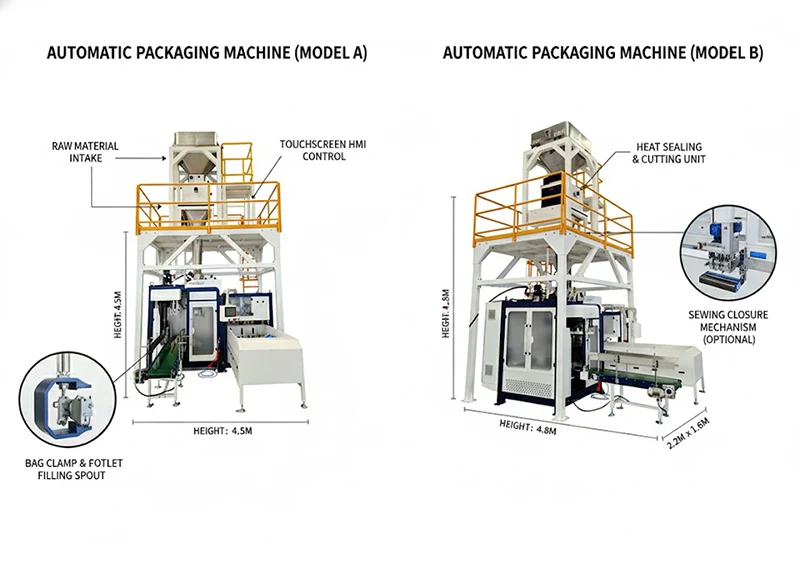
    3D render of automatic 25 kg bagging machine models A and B with HMI, heat sealing, and optional sewing closure
    Typical pain point

    Manual transfer often looks acceptable on a slow day, but once bag volume rises, the weak points show up fast: uneven filling, poor mouth alignment, slower stitching, and more time spent correcting each sack.

    Why ppline fits a 25 kg woven-sack workflow

    ppline fits this scenario because the line combines a top hopper feed, a controlled operator interface, and a structured discharge path. The machine is not trying to solve only the filling step. It is designed to keep the full handoff sequence cleaner: feed, fill, close, and move out. That is exactly what a 25 kg woven-sack line needs when the operator wants repeatable output and less dependence on manual correction.

    From the image set, the most relevant evidence is easy to see: the hopper-fed machine layout, the HMI touchscreen control, the optional sewing or sealing closure, and the outfeed conveyor. Together they form a line that is easier to manage in daily production, especially when the same sack size runs all day.

    What this improves: steadier bag handling, cleaner transfer to closure, and less rework after filling.

    Structure and evidence: the line is built around control, not guesswork

    The first image shows a full industrial bagging machine with hopper feed, gravity dosing, HMI touchscreen, and bag stitching unit. The second image shows the same equipment family in a 3D configuration with heat sealing and optional sewing closure. The close-up detail image shows the internal bagging unit, vacuum suction cups, robotic placing arm, green conveyor, and woven sack positioning point.

    For 25 kg packing, that matters because the weak link is rarely the product itself. The weak link is the transition between filling and closure. When the sack is not held consistently, the final closure becomes harder to keep neat. When the discharge path is unstable, the next sack starts late. ppline addresses that with a clearer mechanical flow and a more controlled operator interface.

    ItemWhat the images showWhy it helps 25 kg packing
    Feed sectionHopper-fed machine layoutMore consistent material supply into the bagging cycle
    ControlHMI touchscreen operator interfaceEasier setup and steadier operation during repeated runs
    ClosureSealing or sewing closure unitCleaner finish after filling, with less handling drift
    DischargeOutfeed conveyor and guided bag pathFaster transfer to the next station and smoother line rhythm

    What the customer gets in the end

    A 25 kg bagging line that is easier to control, easier to repeat, and easier to keep aligned from filling to final closure. That means less manual correction, fewer sack defects, and a cleaner packing rhythm across the shift.

    Talk to BPM about your 25 kg bagging line
  • How a Polyethylene Pellet Packaging Machine Improves Clean Handoffs, Stability, and Warehouse Flow

    How a Polyethylene Pellet Packaging Machine Improves Clean Handoffs, Stability, and Warehouse Flow

    Polyethylene pellet packing line

    How a Polyethylene Pellet Packaging Machine Improves Clean Handoffs, Stability, and Warehouse Flow

    When polyethylene pellets move from storage to bags, the weak point is usually not the filling itself. It is the handoff: dust, spilled granules, unstable sacks, slow pallet moves, and too much manual correction. This packing line is built to keep that transfer clean, controlled, and easy to run in a real warehouse.

    Front view of QZK-1200 automatic bagging machine with elevated steel framework, safety cage ladder, and enclosed cabinet for polyethylene pellet packing

    From manual bagging to a controlled pellet packing workflow

    Many plants still rely on a mixed process: pellets are fed from a silo or buffer bin, bags are filled at one point, then operators carry the sacks to stacking and dispatch. That sounds simple, but in practice it creates loose granule loss, inconsistent bag shape, and a lot of stop-start movement around the machine. For polyethylene pellets, that means a cleaner product can still become a messy warehouse problem if the transfer path is not controlled.

    The QZK-1200 style bagging setup is aimed at that exact gap. The machine keeps the product path enclosed, the bagging point elevated, and the discharge path clear. Instead of forcing workers to manage every transfer by hand, the system uses a steel platform, an enclosed cabinet, a bagging chamber, and a conveyor outfeed to keep the sequence steady from filling to palletizing.

    Isometric product photo of QZK-1200 bagging machine showing swing-arm HMI touchscreen panel, outfeed belt conveyor, and steel platform for pellet packing
    Typical pain point

    Pellet plants often lose control after filling: bags drift off alignment, the outfeed area becomes congested, and forklift traffic interrupts the workflow. The result is not only slower output, but also more chance of bag damage, floor contamination, and extra labor just to keep the line clear.

    Why this machine fits polyethylene pellet packaging

    The reason this machine fits is structural, not cosmetic. The elevated steel framework creates a clear working height for the filling and discharge section. The safety cage ladder helps protect access points while still allowing maintenance and supervision. The swing-arm HMI places the control point where the operator can make quick adjustments without walking into the process zone. For a pellet line, that matters because the operator needs fast control over bag handling, not a complicated walk-around routine.

    The internal bagging unit also helps solve one of the most common problems with granular material: unstable bag mouth control. The vacuum suction and bag placer assembly shown in the close-up image gives the bag a more repeatable start position before discharge. That reduces the chance of product spill, crooked fills, and rework at the sewing or sealing stage. In short, the machine is not just moving pellets into a sack; it is keeping the sack predictable through the entire handoff.

    Practical insight: for polyethylene pellets, the machine value is highest when filling, bag support, discharge, and pallet movement are treated as one flow. That is why the platform, conveyor, and operator access layout are as important as the filling point itself.

    Structure evidence: platform, conveyor, silos, and warehouse coordination

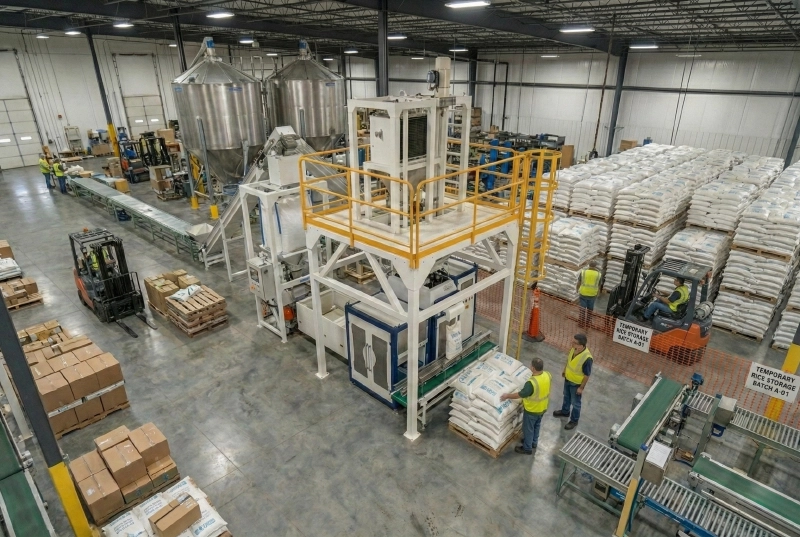
    The image set shows a complete industrial logic. The front-view machine confirms the steel frame and enclosed cabinet. The isometric view shows the HMI and outfeed belt conveyor, which are critical for stable line control. The high-angle warehouse photo adds the missing system context: twin stainless storage silos feed the packing area, conveyors link the process steps, and forklifts move finished pallets out of the line without blocking the core machine zone.

    That matters because polyethylene pellet packaging is rarely a stand-alone task. Plants need a machine that can sit inside a broader warehouse rhythm. A good line must support steady bag output, clean transfer, and simple logistics around the pallet area. When the machine is placed on a raised platform with direct outfeed, it becomes easier to keep the bagging area separated from the traffic lane. That separation is what improves safety, reduces accidental bag damage, and keeps the process looking organized on the shop floor.

    The operating photo makes the final point clearly. Operators are still involved, but their job is now coordination and stacking rather than constant correction. The line is doing the repeatable work, while the staff handles supervision and pallet management. For a polyethylene pellet plant, that is the right division of labor.

    What the photo provesWhy it matters for pellet packaging
    Elevated steel framework and enclosed cabinetKeeps the packing zone organized, accessible, and safer to maintain
    Swing-arm HMI and conveyor outfeedSupports quick control and smoother discharge to the next step
    Vacuum suction bag placerHelps stabilize the bag mouth and reduce spill during transfer
    Twin silos and forklift-ready warehouse flowMatches the machine to real storage and dispatch operations
    High-angle operational photo of QZK-1200 bagging plant featuring twin stainless steel storage silos, conveyors, and active forklifts in a pellet warehouse

    Final result: cleaner bags, steadier output, and less floor chaos

    For polyethylene pellet packaging, the best outcome is not just higher speed. It is a line that keeps the bagging point controlled, the discharge path clear, and the warehouse movement predictable. That is what this machine setup delivers: cleaner handoffs, steadier bag shape, easier pallet staging, and fewer interruptions from spill cleanup or manual rework.

    Request a pellet packaging layout review