
How a Belarusian Powder Plant Stopped Bag Twist Before Sewing
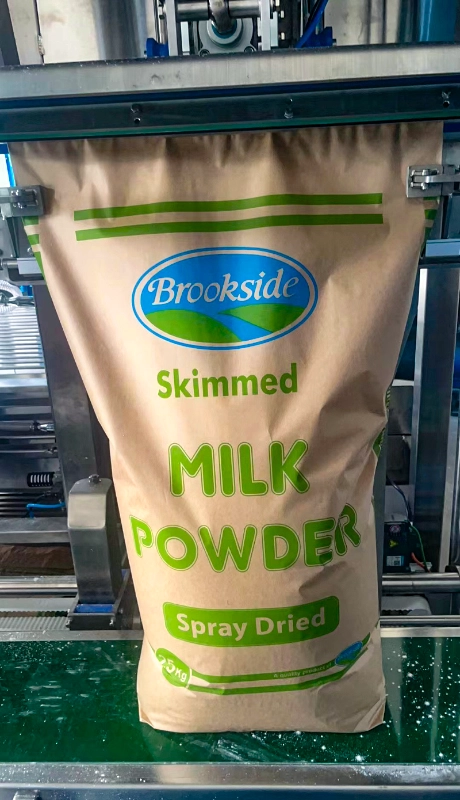
For a Belarus-based powder producer, Mipline was applied as an automatic powder packaging line to keep 25 kg bags stable between discharge and the sewing station. The goal was simple: remove bag skew, keep the transfer path predictable, and make the line easier to run on a busy factory floor.
Where the old setup lost control of the bag
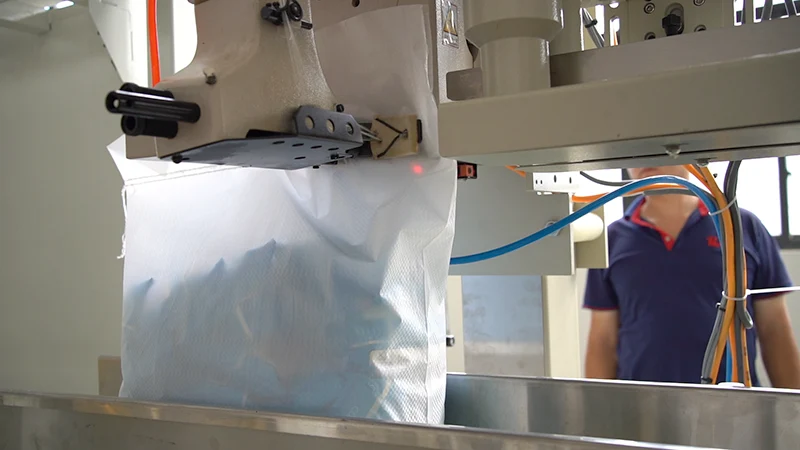
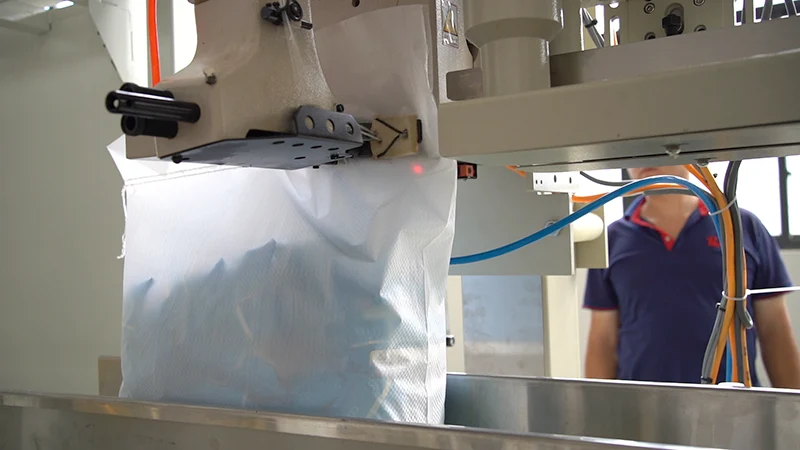
The problem was not the powder itself. The problem appeared after filling, when a heavy 25 kg bag had to move cleanly into the next operation. If the handoff is too soft, the bag drifts. If the guide path is too open, the bag twists. Once that happens, the sewing head receives a bag that is no longer square, and the operator pays for it in rework, slower rhythm, and extra attention at the station.
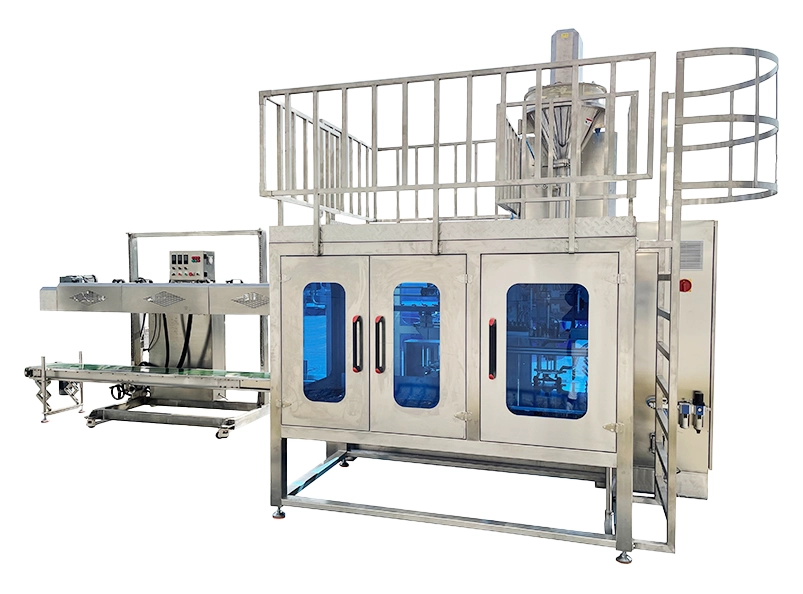
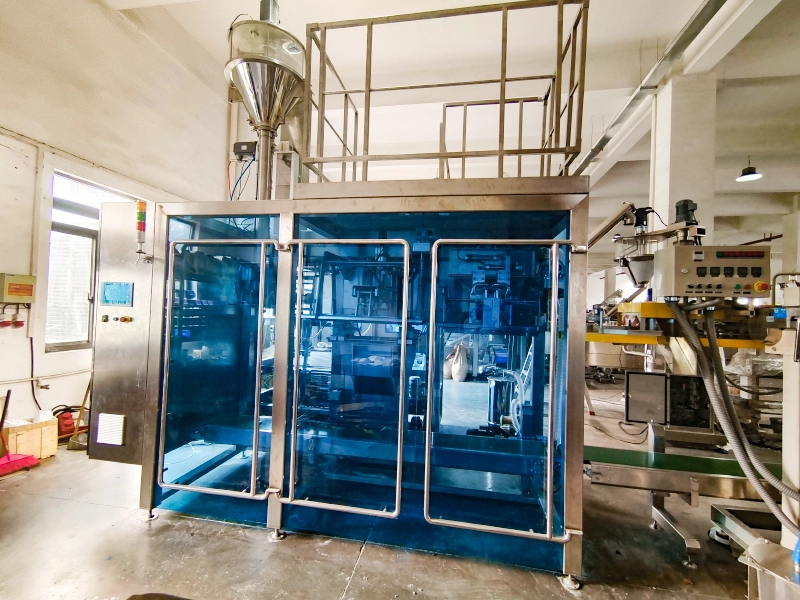
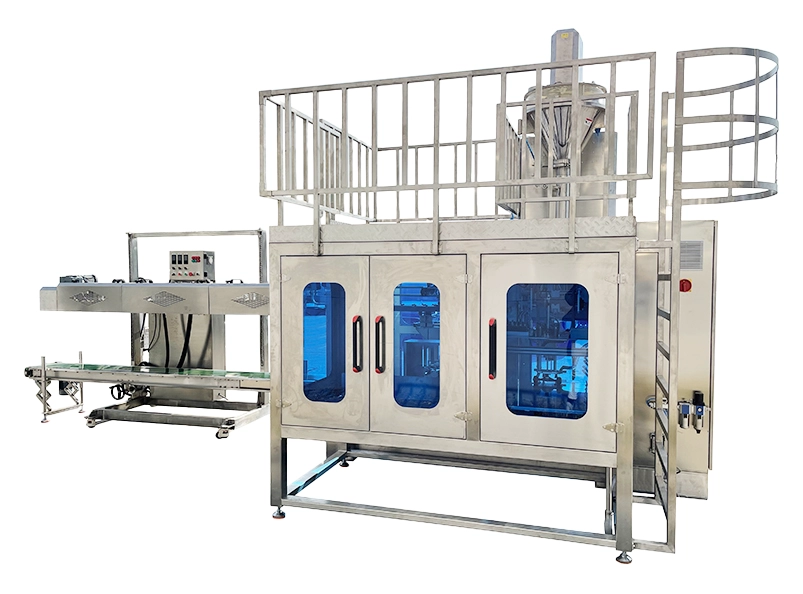
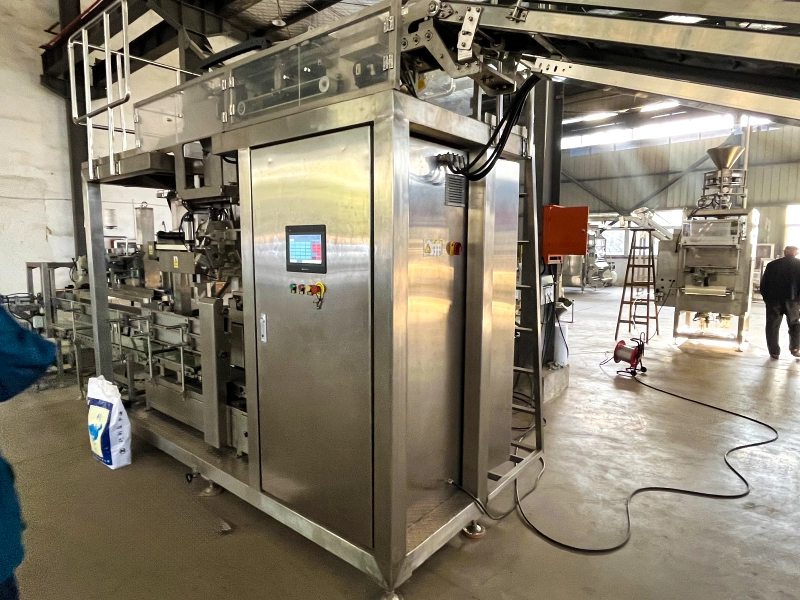
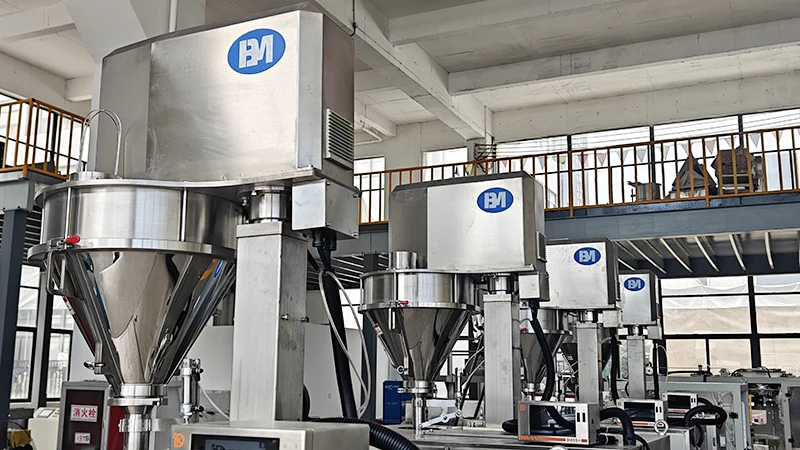
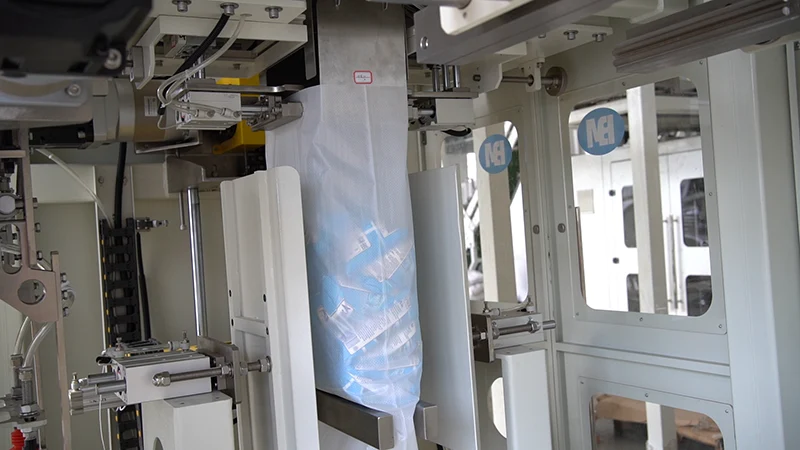
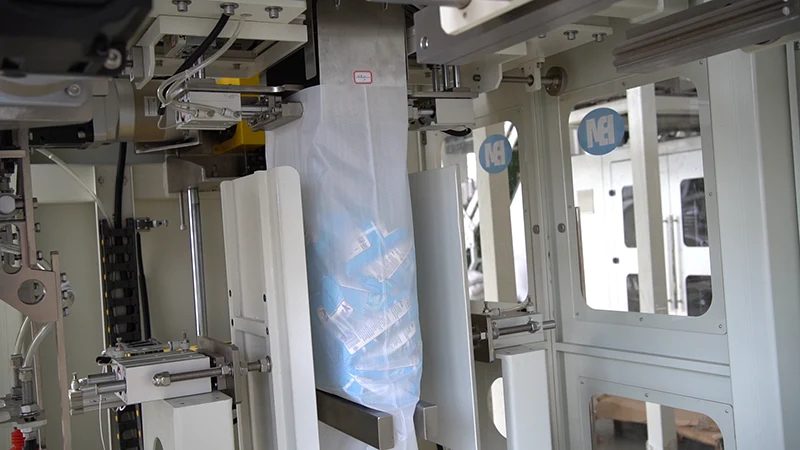
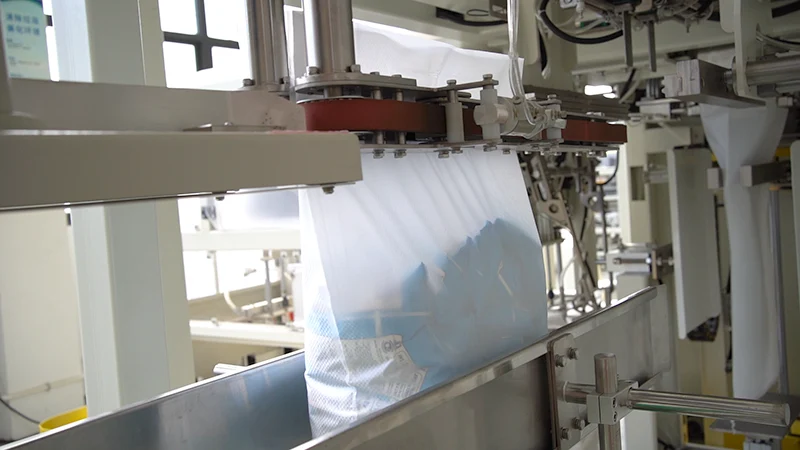
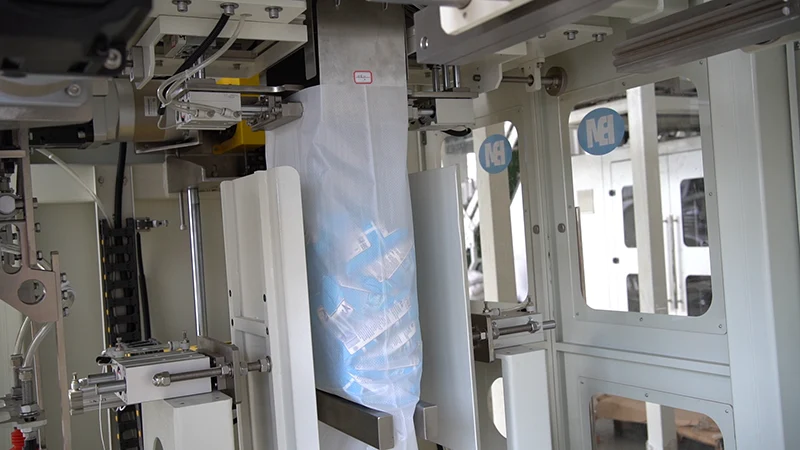
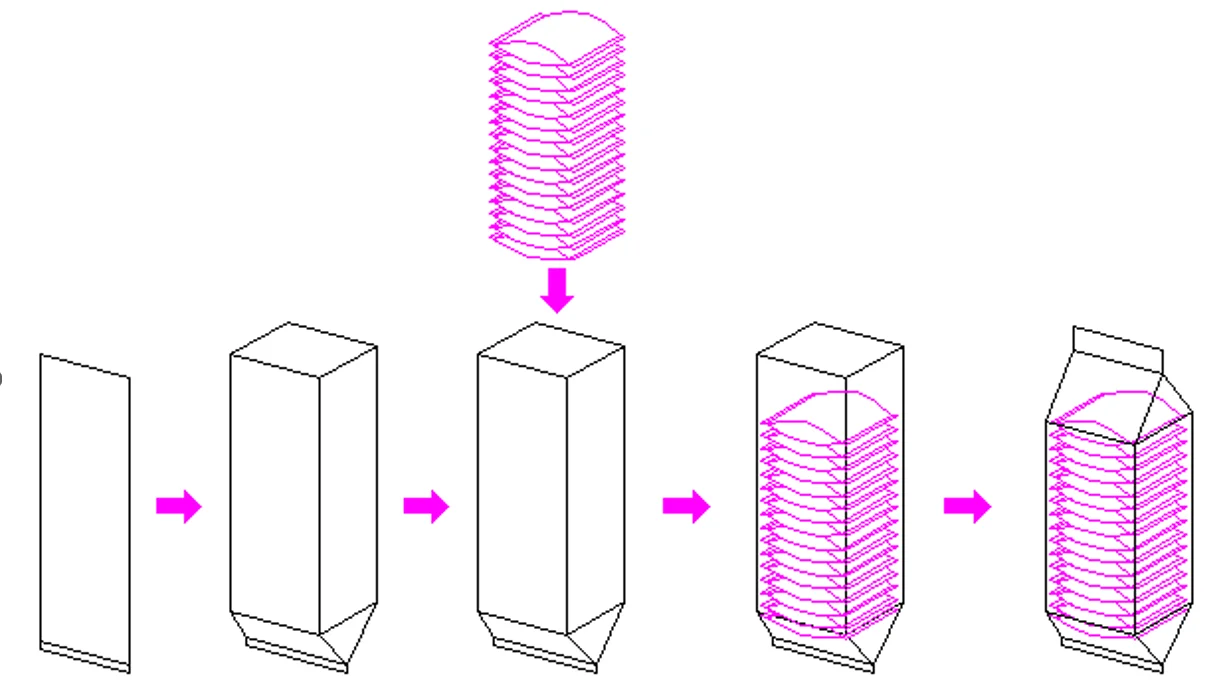
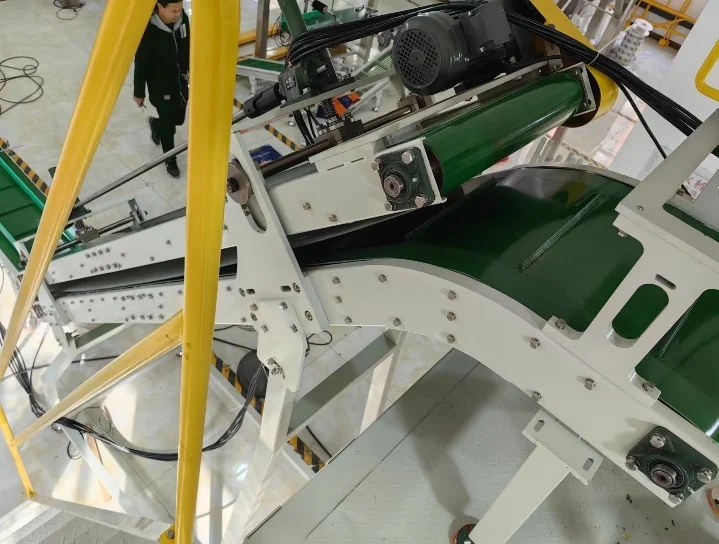
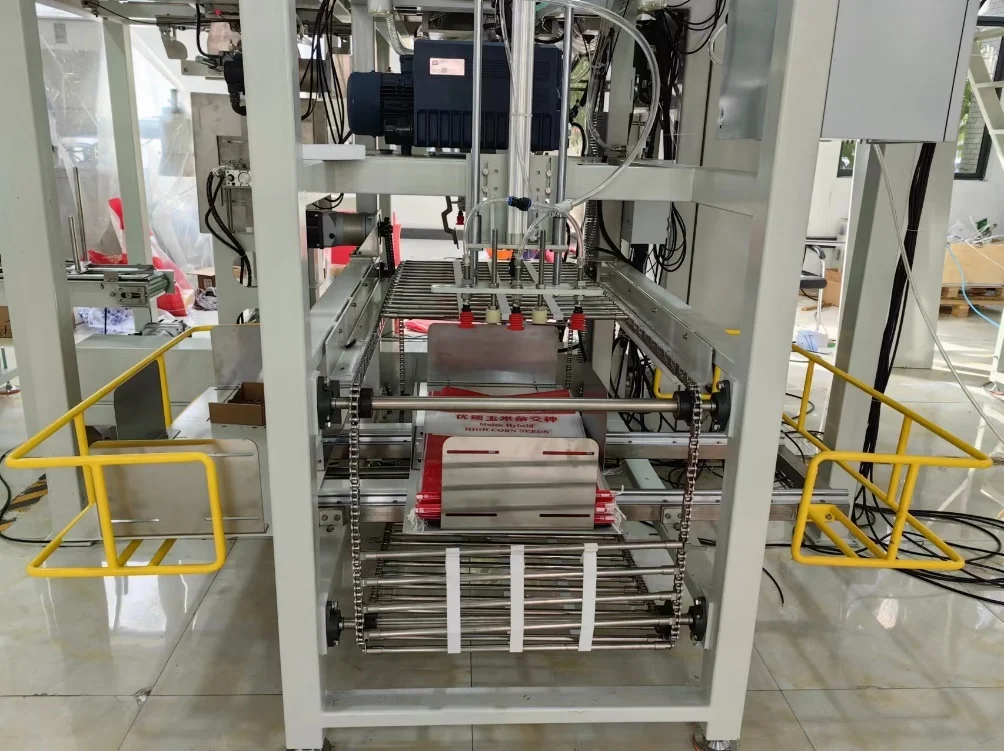
The first image shows why this line was built differently: the enclosed bagging machine uses blue inspection windows, a bag magazine conveyor, and a top access platform. That combination gives the operator visibility, a controlled feed path, and easier maintenance access without leaving the transfer section exposed.
When a powder bag reaches the sewing station even slightly skewed, the stitching position changes, the bag mouth is harder to hold, and the line slows down. The real cost is not only appearance. It is consistency, operator load, and the risk of a bad seal on a finished pack.
Why Mipline fits this kind of powder line
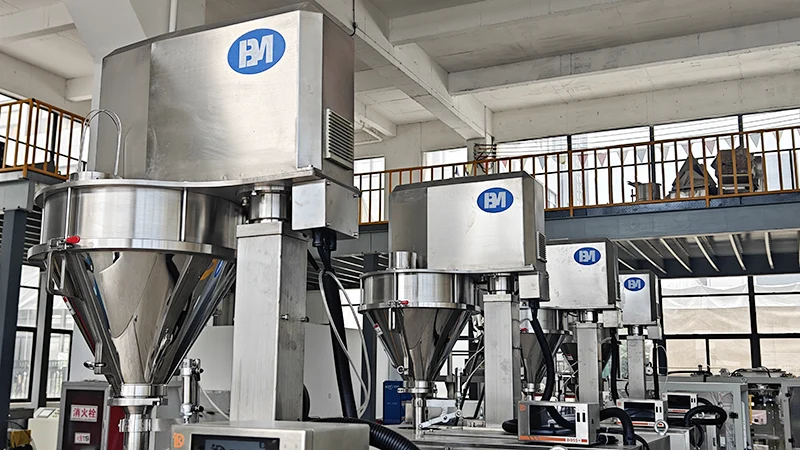
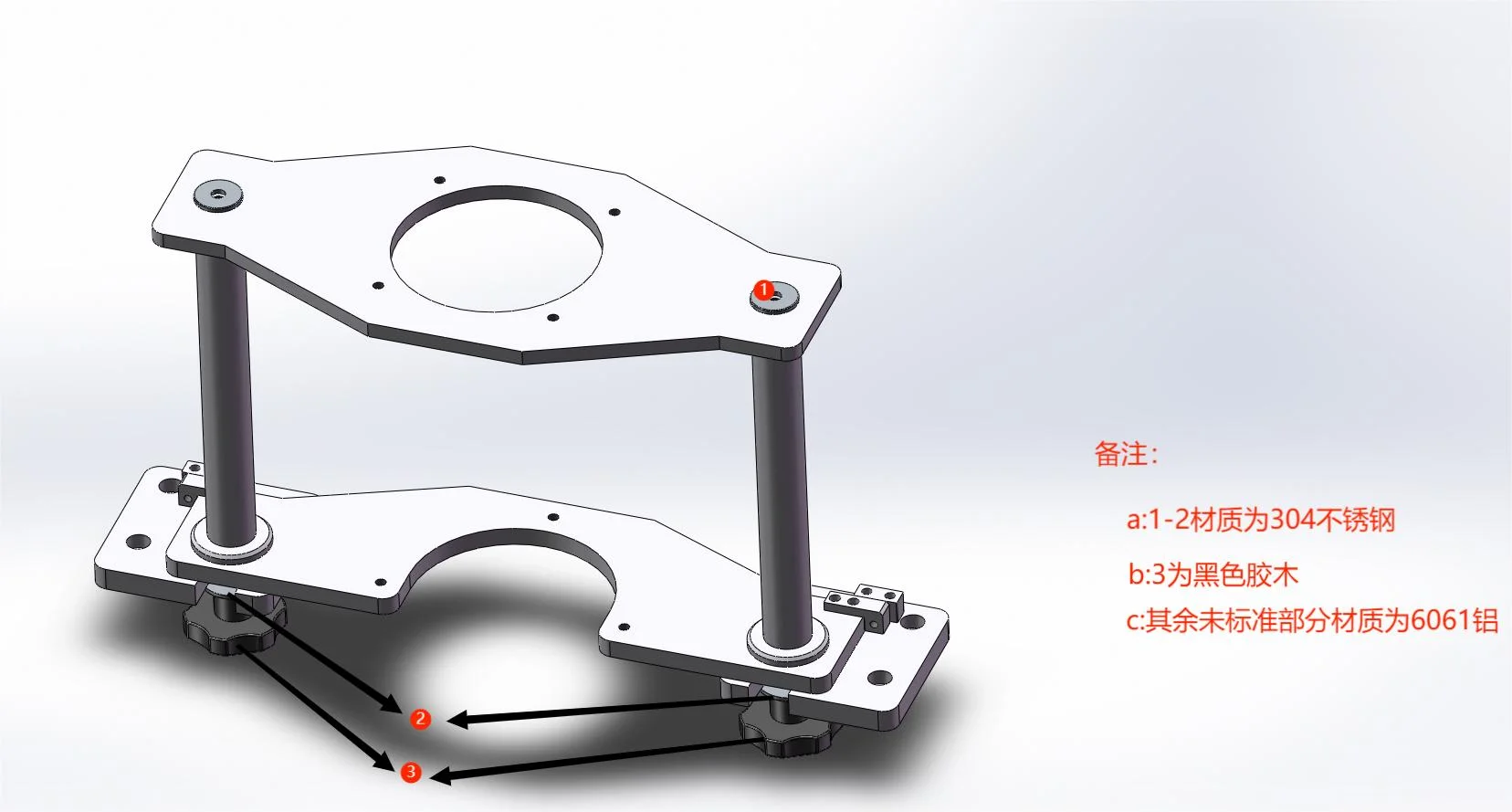
Mipline fits this application because it treats the bag transfer zone as a controlled machine function, not just a conveyor gap. The enclosed machine body, rigid stainless-steel frame, and guided magazine-style feed help the bag stay aligned before it reaches the next step. That matters on powder lines where the bag is full, heavy, and sensitive to small changes in angle.
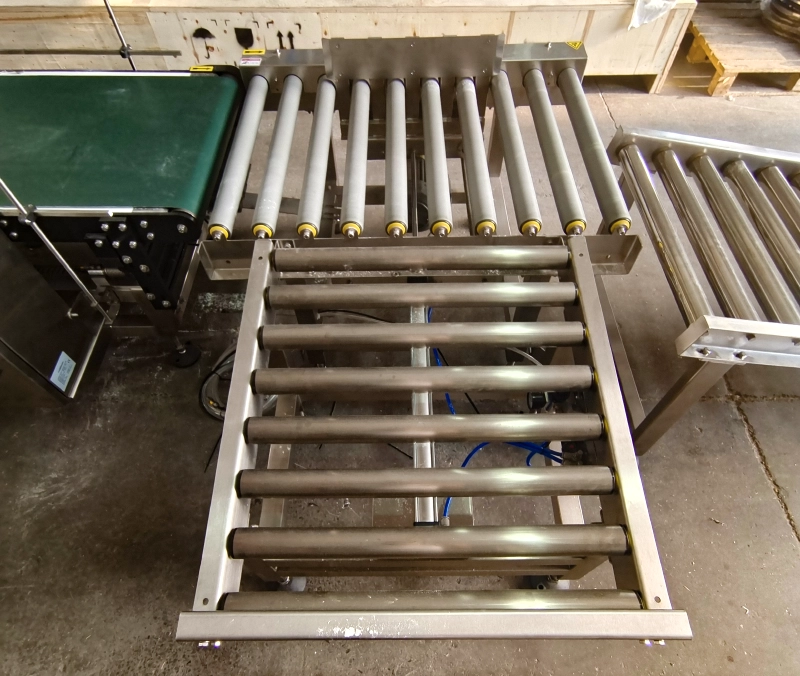
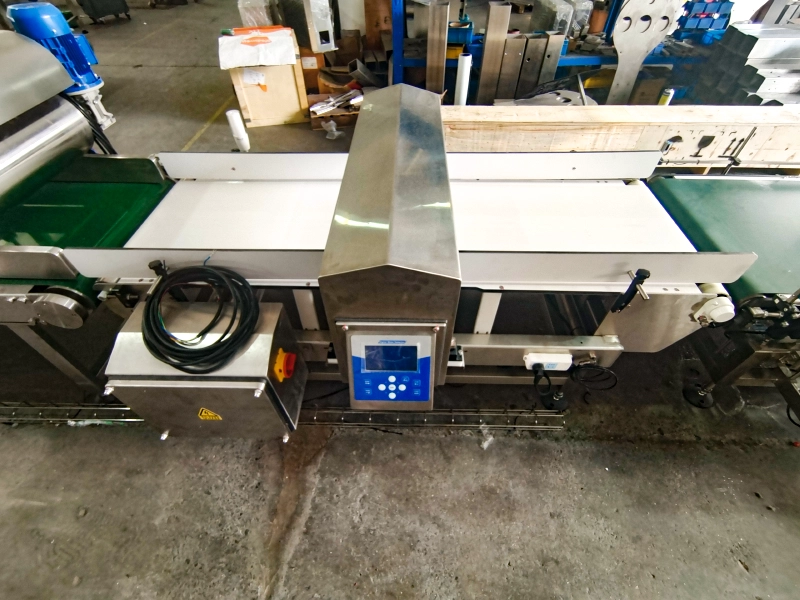
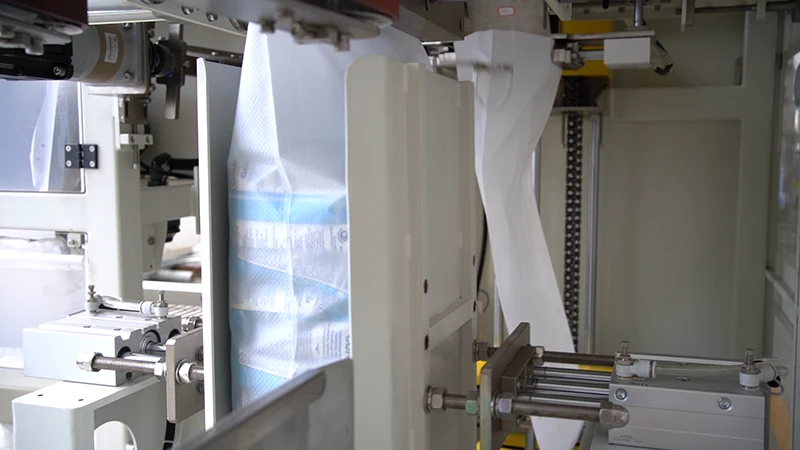
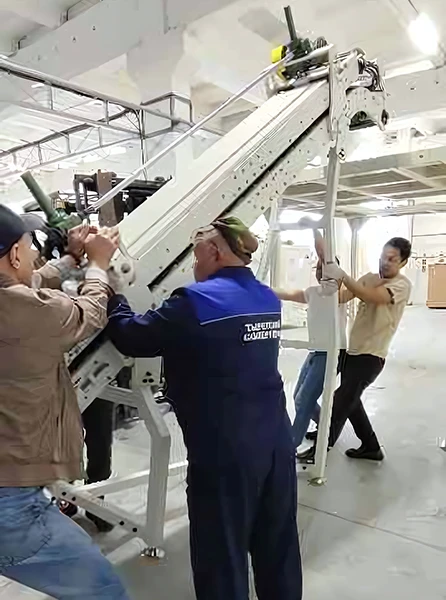
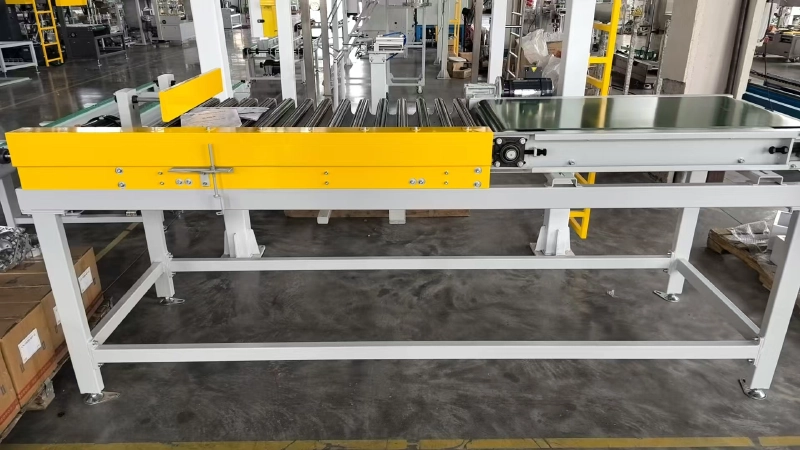
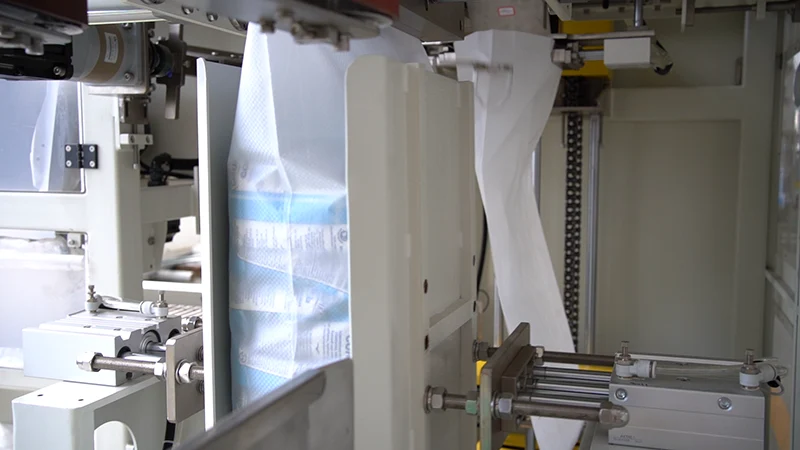
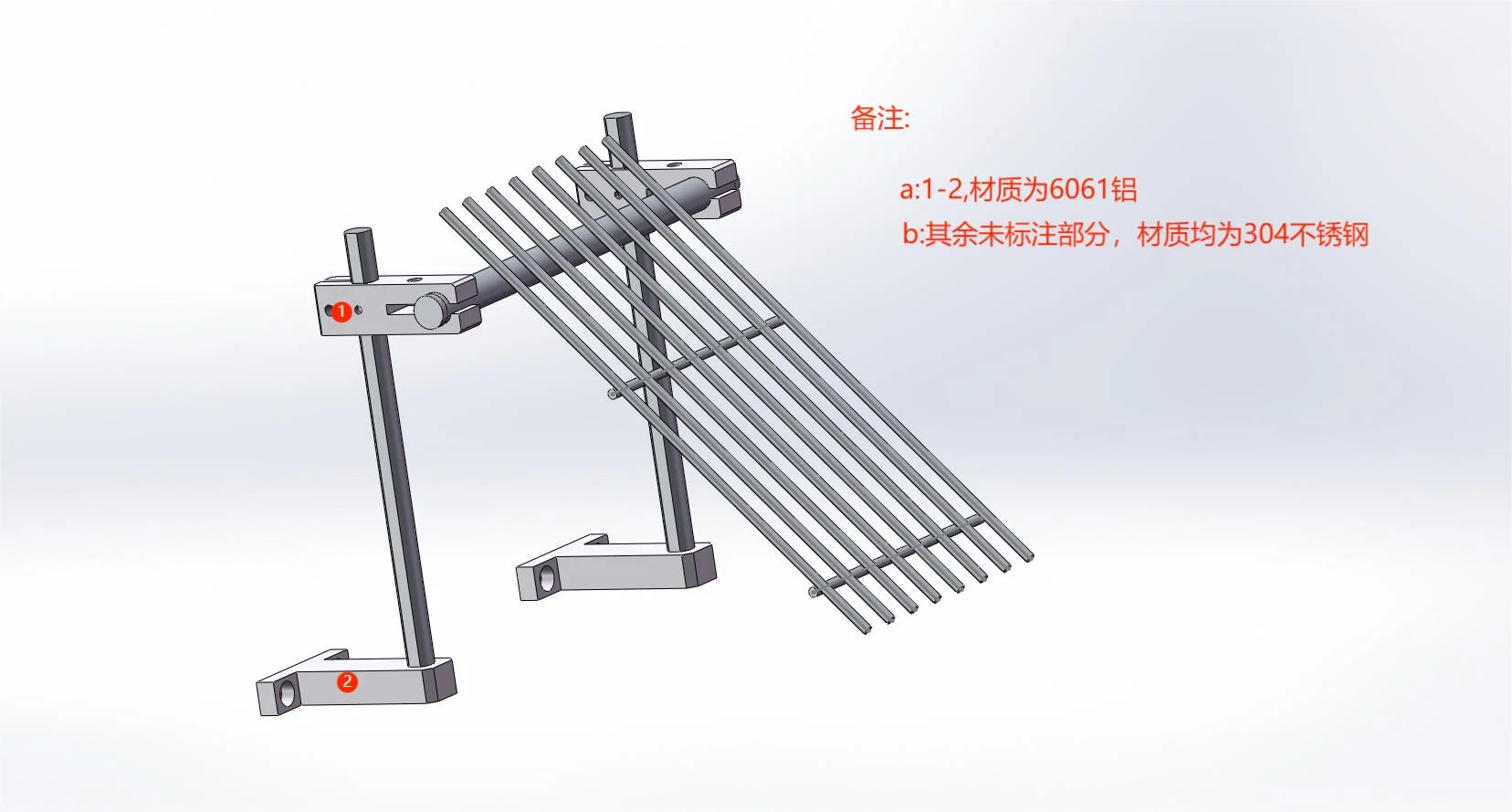
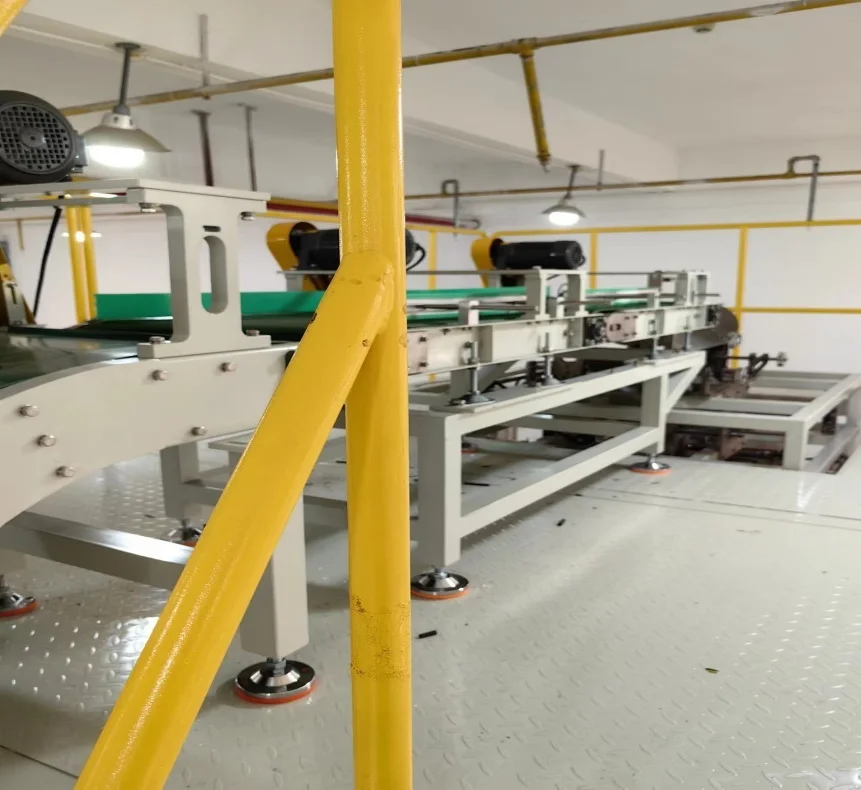
The second image supports that point directly. The roller transfer section uses angled rollers inside a stainless-steel frame, so the bag can move across the line in a more stable way. For a plant trying to keep 25 kg bags straight before sewing, that kind of guided transfer is more useful than simply pushing the bag faster. Stability first, speed second.
bpmpack Engineering Insight: in powder packaging, most downstream trouble starts at the handoff. If the bag is controlled at the transfer section, the sewing station receives a more repeatable target. That reduces operator correction, keeps the stitch line cleaner, and makes the whole packaging line easier to standardize.
What the photos prove about the structure and result
The first photo proves the line is not a loose arrangement of frames. It is a sealed bagging station with inspection windows, a top service platform, and a magazine conveyor that keeps the operating logic organized. The second photo proves the transfer section is built as a real mechanical bridge, with angled rollers and a rigid steel base to carry the bag without letting it wander off-center.
For the customer, the result is practical. The bag reaches the sewing point in a more predictable position, the operator spends less time correcting the bag mouth, and the line can keep a more stable rhythm through the shift. For a powder plant, that means fewer interruptions and a better chance of holding output without turning the sewing station into a bottleneck.
| What changed | Evidence in the line | Why it matters |
|---|---|---|
| Bag transfer became controlled | Enclosed bagging station with magazine conveyor | Less skew before sewing |
| Movement became more stable | Angled roller transfer section in stainless-steel frame | Cleaner handoff into the next station |
| Operation became easier to maintain | Blue inspection windows and top access platform | Better visibility and faster service checks |
If your powder bags drift before sewing, start with the transfer section
We can adapt Mipline around your bag size, transfer speed, output target, and factory layout. If the handoff is the weak point in your current line, that is where the redesign should begin.
Request a line layout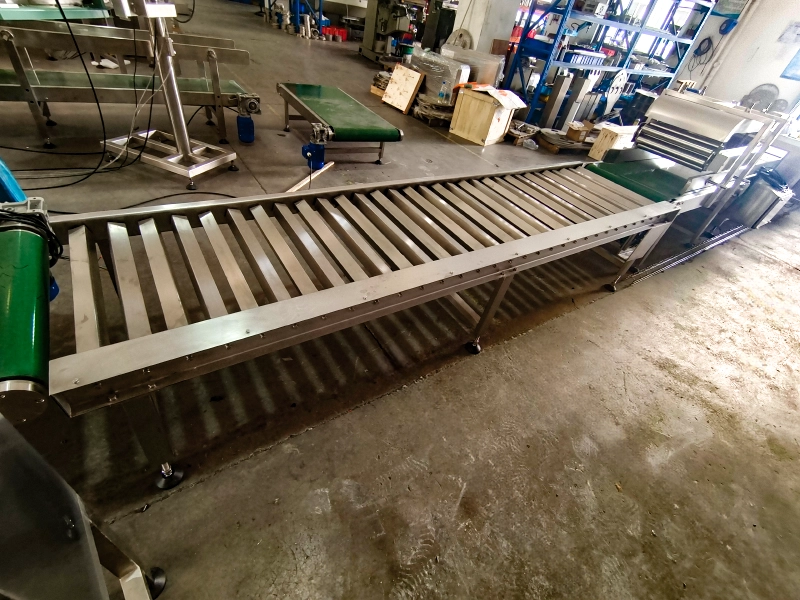
 English
 Русский