Automatic Bagging Machine & Palletizing Systems Manufacturer

Category: English

  • Mipline Powder Packaging Line for Stable Bag Handoff Before Sewing in a Belarus Dairy Plant

    Mipline Powder Packaging Line for Stable Bag Handoff Before Sewing in a Belarus Dairy Plant

    Powder Packaging

    Keeping 25 kg Powder Bags Aligned Between Filling and Sewing on a Belarus Line

    For a Belarus dairy powder producer, the bottleneck was not filling speed. It was the last meter before sewing: bags twisted, collapsed, and reached the sewing head at the wrong angle. Mipline solves that handoff with an enclosed stainless-steel bagging station, guided conveyors, clamp alignment, and a stable transfer path that keeps the bag more square before stitching.
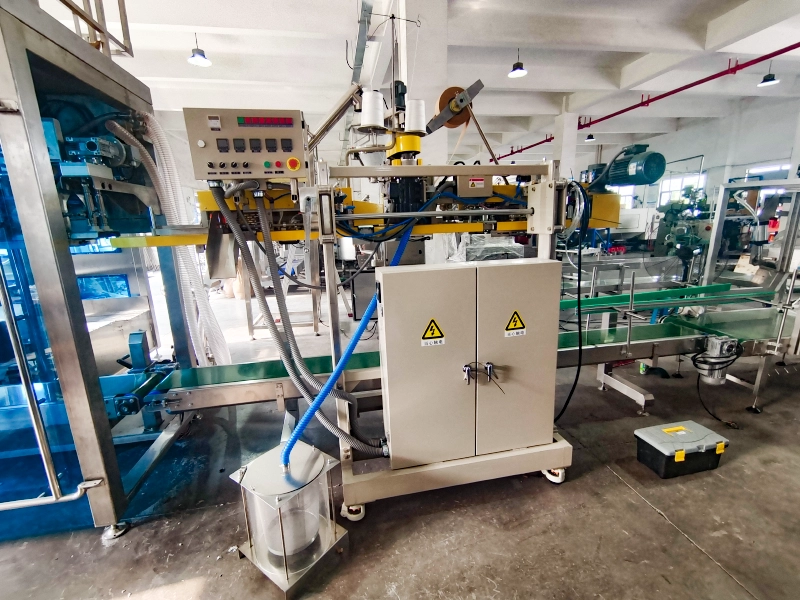
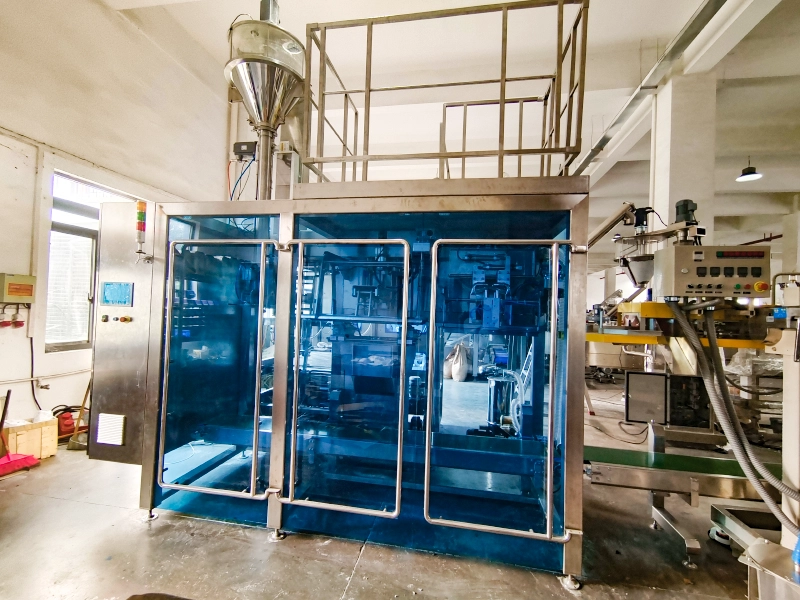
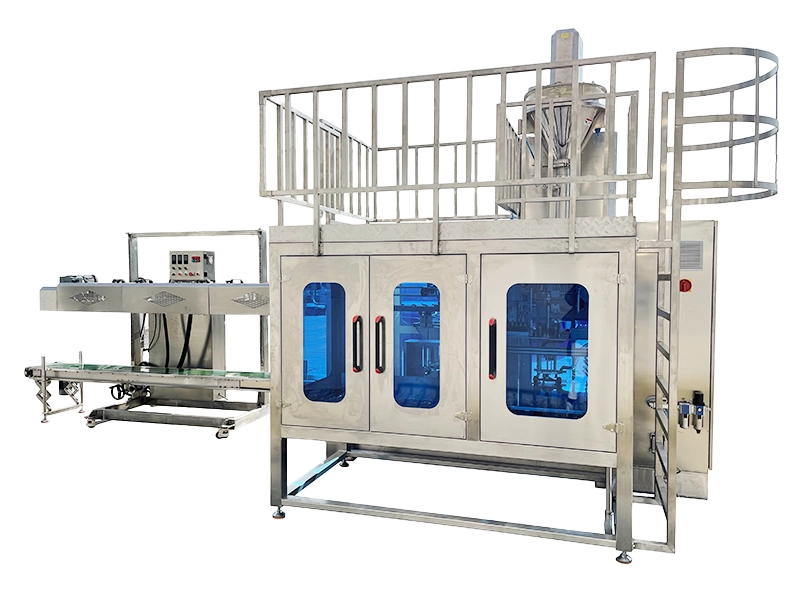
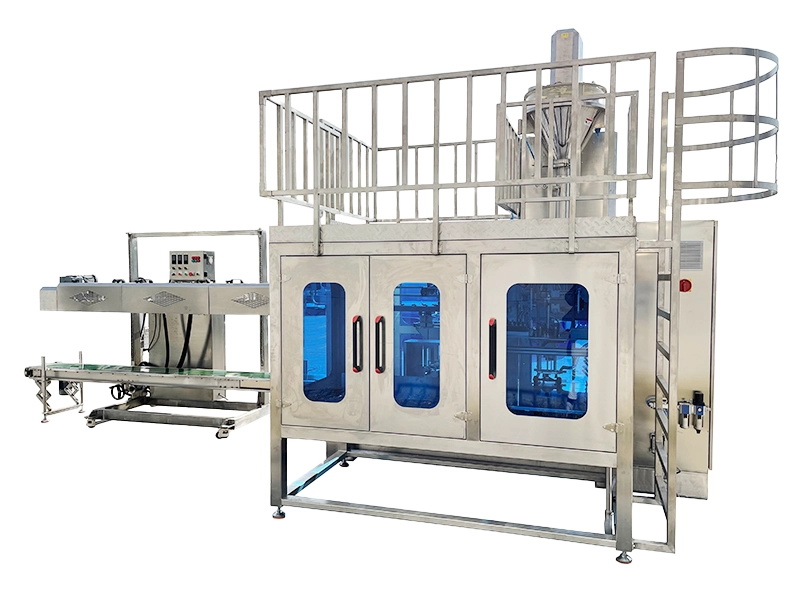
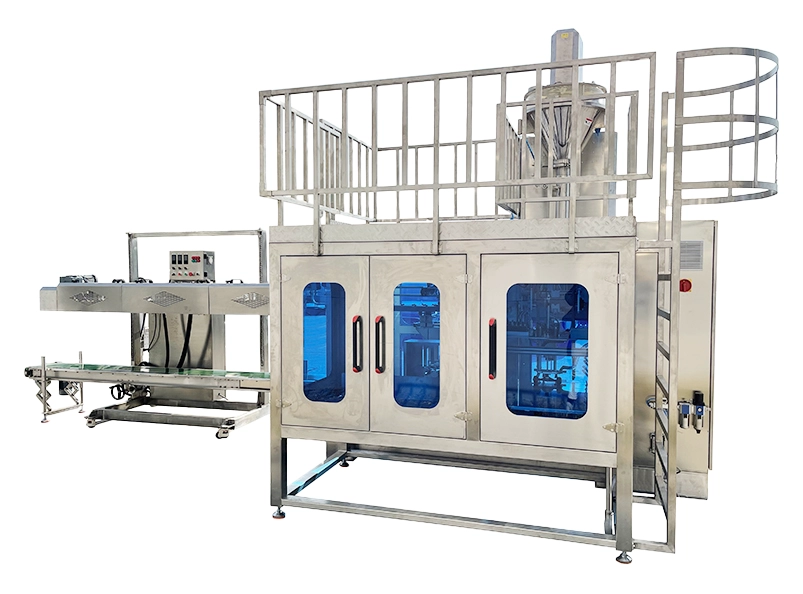
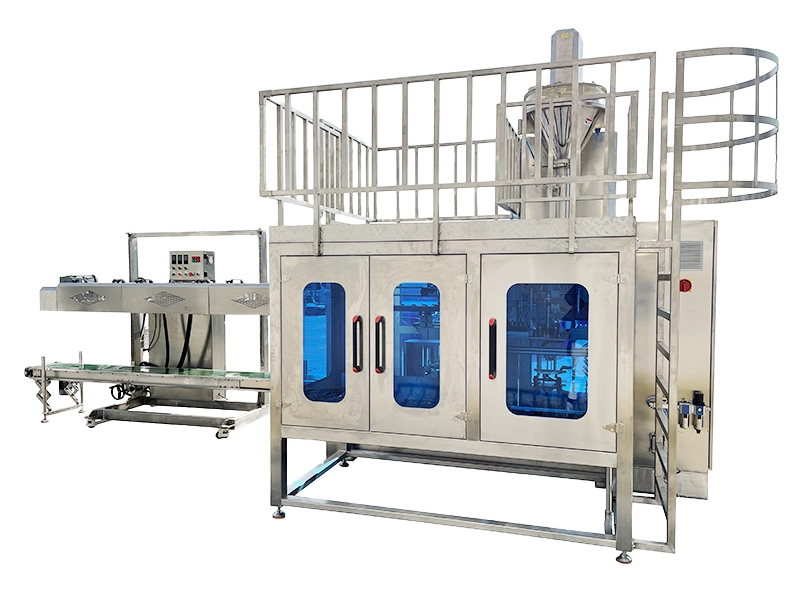
    Stainless steel automatic bagging machine with blue inspection windows, bag magazine conveyor, and top access platform

    What went wrong at the last meter of the line

    On dry powder lines, the filler can be working well and the plant still loses time at the sewing station. If the 25 kg kraft bag arrives skewed, the operator has to straighten it by hand, the mouth is harder to present to the stitch head, and the final package quality depends too much on manual correction.

    Mipline was chosen for this situation because the visible machine layout supports a cleaner transfer: enclosed stainless-steel guarding, blue inspection windows, a bag magazine conveyor, and a controlled handoff path before sewing. That combination matters when the buyer wants less rework and a more stable bag presentation at the end of the line.
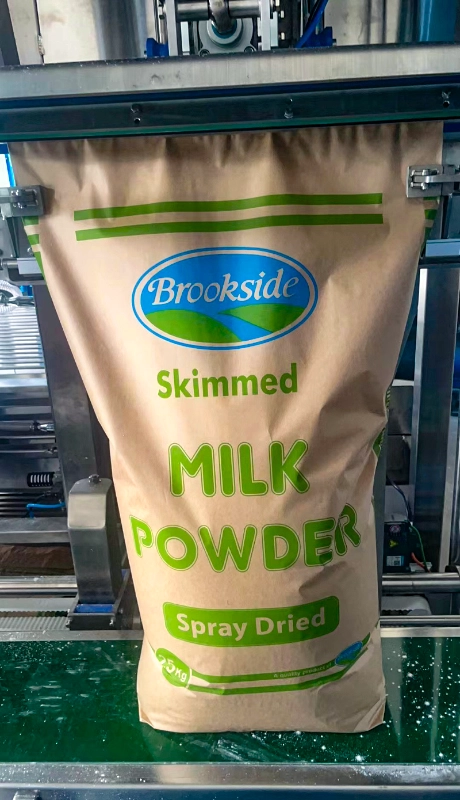
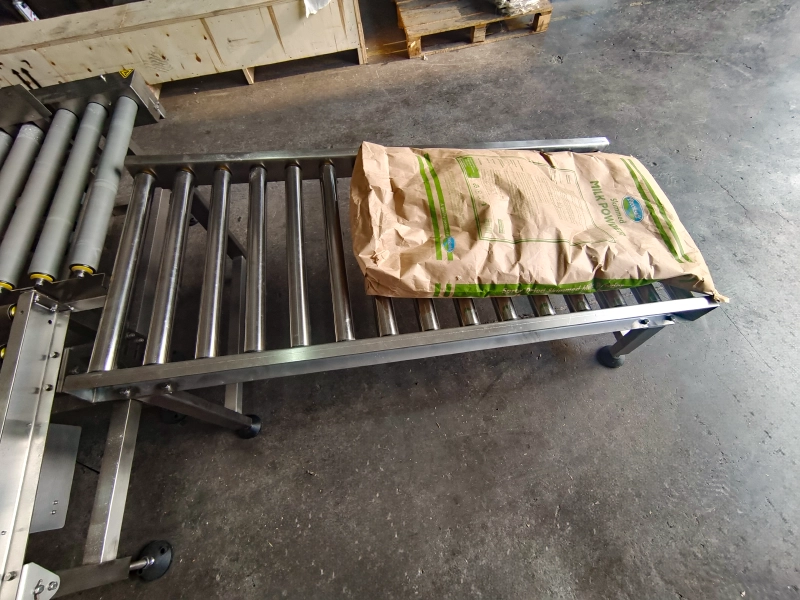
    Real industrial photo of a Brookside skimmed milk powder kraft bag held at automatic bagging clamp station
    Pain point: bags arrive twisted before sewing

    When a filled powder bag comes off the transfer section with a rotated body or a collapsed shoulder, the sewing head becomes unstable, stitching quality drops, and operators spend time straightening bags at the last meter. That is a throughput problem and a consistency problem at the same time.

    Why Mipline fits powder bagging

    Mipline is designed around the handoff, not only the filling point. The profile shows an automatic powder bagging line for industrial bags, especially 25 kg kraft paper or woven bags, with an enclosed stainless-steel bagging station, blue inspection windows, green transfer conveyors, roller conveyor sections, bag clamping, and a handoff path before sewing or sealing.

    That structure is a strong fit for dairy powder, flour, starch, and other dry powders that need a cleaner bag alignment before the sewing head sees the bag. The same enclosed build also helps buyers who want easier maintenance access and a more controlled production zone around the bagging section.

    bpmpack Engineering Insight: The key is not just filling the bag. The line must stabilize the bag before the sewing head receives it. Mipline uses guided conveyor handoff, clamp alignment, and a controlled transfer path so the bag mouth stays more square, which reduces manual correction at the last meter.

    Observed structure and buyer-relevant specifications

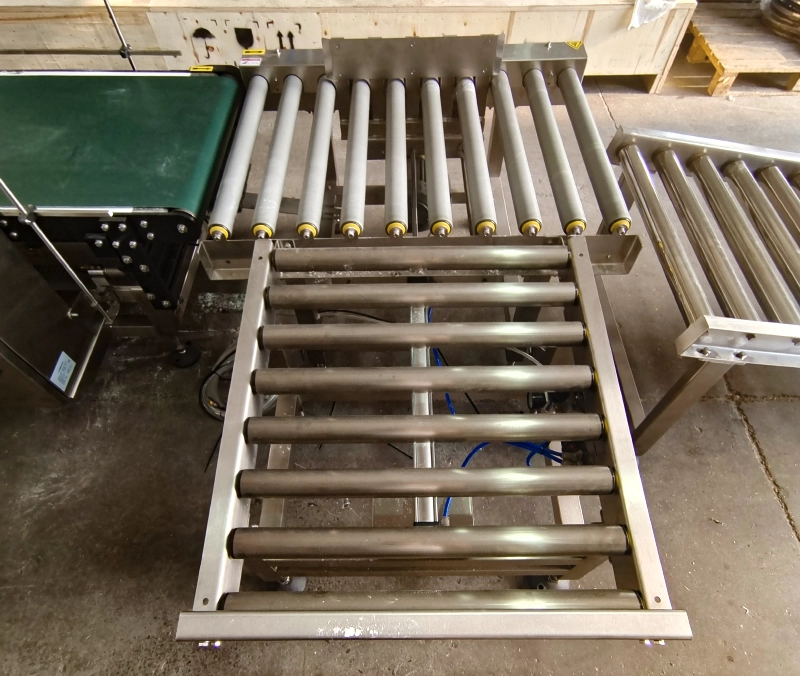
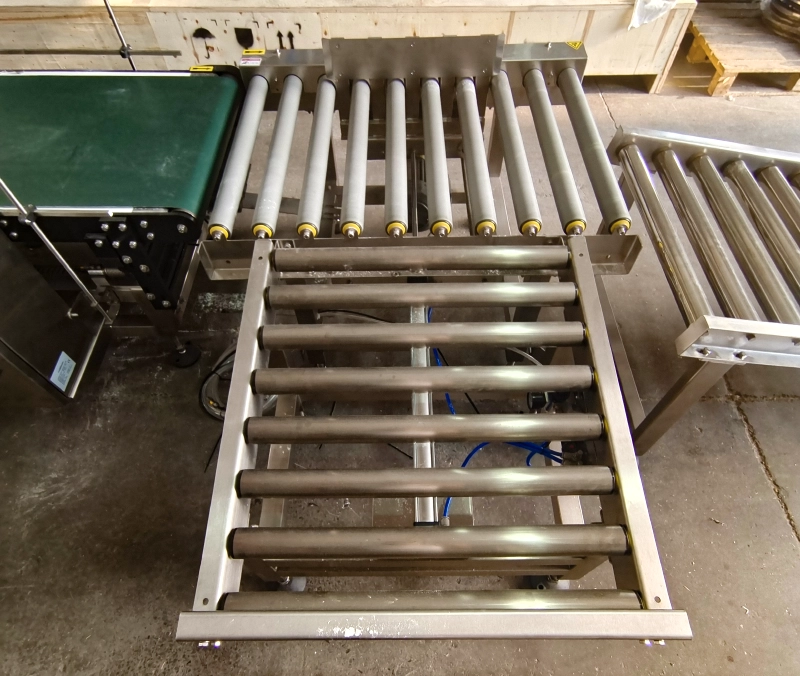
    The image set supports the engineering story clearly: one photo shows the enclosed stainless-steel bagging machine with blue inspection windows and a bag magazine conveyor; another shows the kraft bag held at the clamp station; the supporting transfer image shows a roller conveyor section built for bag handling and line integration. Together they point to the same result: a more controlled path from filling to stitching.

    For a buyer evaluating this kind of powder line, the important questions are bag size, powder type, sewing interface, transfer stability, and access for cleaning or service. Mipline addresses those points with an enclosed machine body, guided transfer sections, visible inspection windows, and a layout that keeps the bag supported before it reaches the sewing head.

    FeatureWhy it mattersMipline evidence
    Enclosed bagging stationControls the working zone and supports easier inspectionStainless-steel body with blue inspection windows
    Bag magazine conveyorKeeps the bag supply stable before the transfer pointVisible feeder and bag magazine structure
    Guided transfer pathReduces twisting before sewingGreen conveyors and roller transfer sections with clamp handoff
    Clamp alignmentHelps the mouth stay square for the stitch headBag clamping visible in the product image set
    Maintenance accessSpeeds cleaning and service around the powder zoneTop access platform and guarded machine layout

    Need cleaner bag handoff before sewing?

    If your powder line still relies on operators to square bags at the sewing head, Mipline can be configured around your bag size, powder type, and target output. Share the bag spec and the line speed you need, and we will map the transfer section first.

    Talk to bpmpack
  • Mipline Keeps 25 kg Powder Bags Square From Transfer to Sewing in a Belarus Dairy Plant

    Mipline Keeps 25 kg Powder Bags Square From Transfer to Sewing in a Belarus Dairy Plant

    Powder Packaging Line

    Mipline Keeps 25 kg Powder Bags Square From Transfer to Sewing in a Belarus Dairy Plant

    A Belarus dairy powder plant does not only need a filling line. It needs the filled bag to arrive at the sewing head straight, stable, and ready to close. Mipline is built for that last-meter handoff, with enclosed stainless steel bagging, bag clamping, guided transfer, and roller conveyor sections that keep kraft paper or woven bags aligned before sewing.

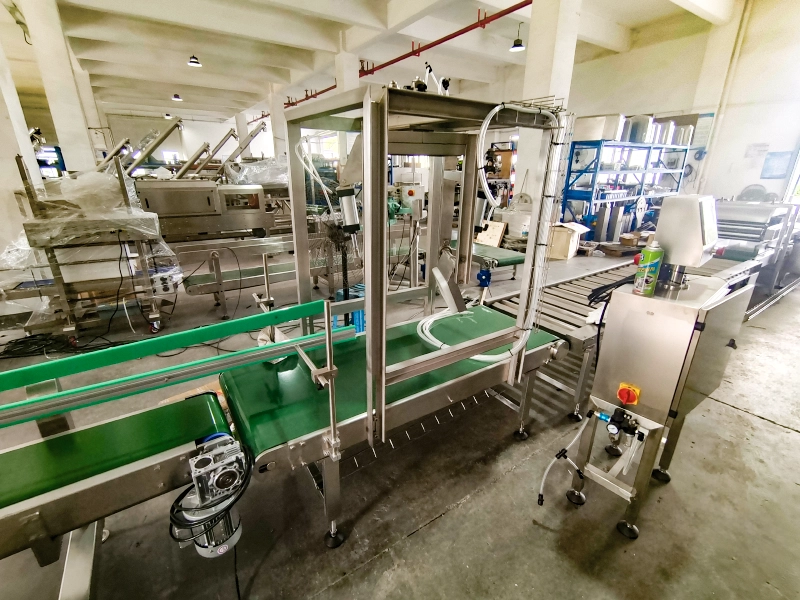
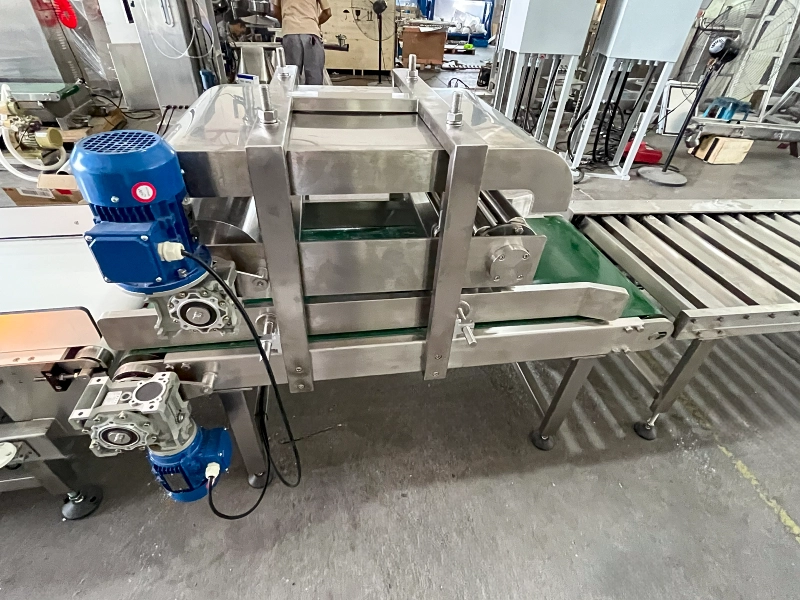
    Stainless steel bag-feeding conveyor with dual gear motors and clamping frame for automatic bag transfer

    Why the last meter of the line matters more than the first meter

    In dry powder packaging, the filling step is only part of the job. Milk powder, flour, starch, and similar products can leave the filler in good condition and still reach the sewing head with a twisted mouth, a collapsed shoulder, or a bag body that is no longer square. That is where operators usually step in to straighten the sack by hand. The problem is not just labor. Manual correction slows the line, makes the final seam less consistent, and creates a weak point when the bag arrives skewed.

    Mipline is designed around this exact transfer problem. The line uses a stainless steel enclosed bagging station, a bag magazine conveyor, green transfer conveyors, roller conveyor sections, and a controlled handoff path before sewing. In practice, this means the bag is not left to drift from one unit to the next. It is guided, clamped, and carried forward in a way that protects shape and orientation right up to the closing point.

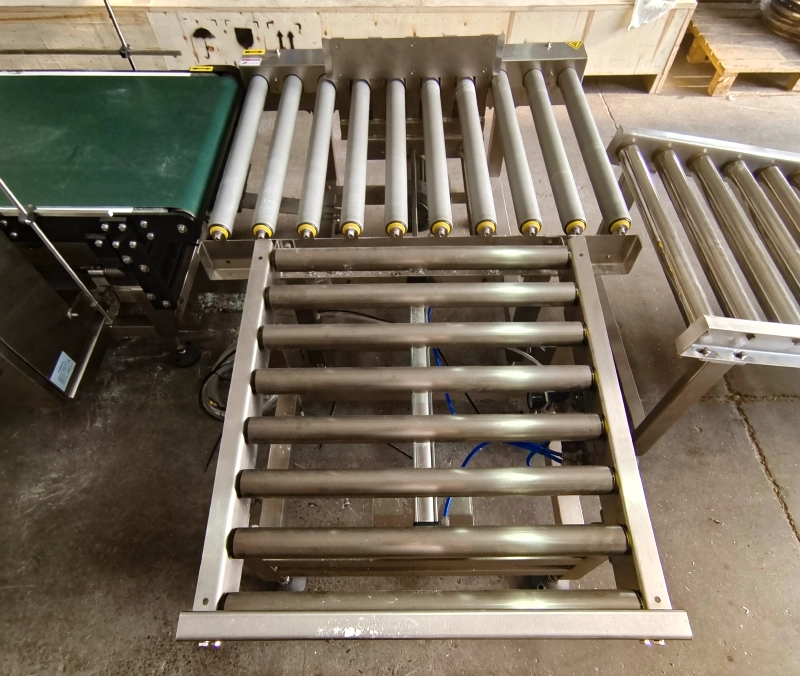
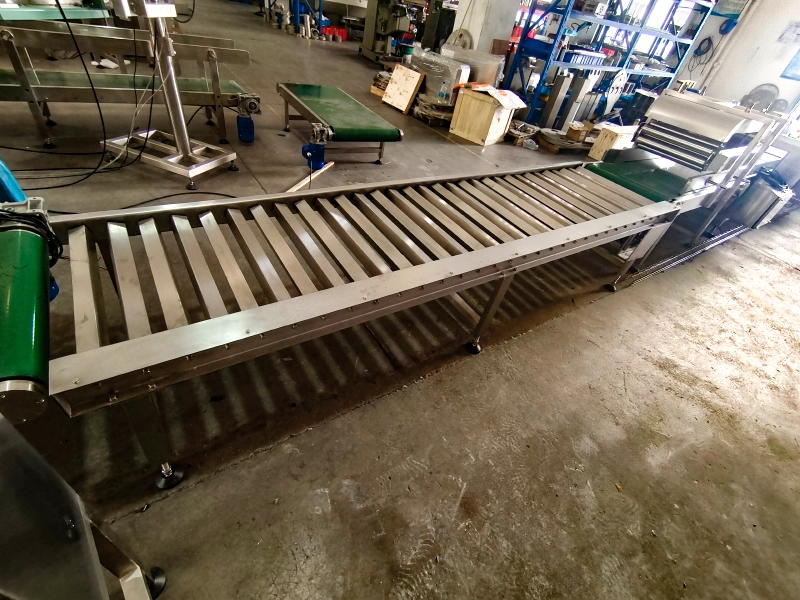
    Stainless steel roller conveyor with green belt infeed and outfeed sections for bag transfer
    Pain point: the bag reaches the sewing head skewed

    When a 25 kg kraft paper bag or woven bag twists before the seam, the operator has to pause, realign, and often re-handle the bag at the most sensitive point of the process. Mipline addresses that by keeping the bag square during transfer, reducing last-meter manual straightening, and stabilizing the mouth position before sewing.

    Why Mipline fits this Belarus dairy powder application

    The visible machine evidence supports the application clearly: enclosed stainless steel guarding, blue inspection windows, a bag magazine conveyor, and transfer sections that carry the bag from filling toward the next station without uncontrolled drop or side drift. For a Belarus dairy powder producer, that matters because the plant wants cleaner handling around the powder bag, easier maintenance access, and a line layout that can run consistently in a food-oriented environment.

    The engineering intent is simple. Keep the bag aligned, reduce the need for manual correction, and preserve the square shape before sewing. That is why Mipline is a better fit than a generic bagger that only focuses on filling throughput. The line design pays attention to the handoff between units, where most bag deformation usually happens.

    bpmpack Engineering Insight: A good powder packaging line is not judged only by fill accuracy. It is judged by whether the filled bag stays square, clean, and stable during transfer. Mipline combines bag clamping, guided conveyor handoff, and roller transfer sections so the machine does the realignment work before the sewing head ever sees the bag.

    What the structure shows in practice

    The bag-feeding conveyor and clamping frame visible in the first image show how the line controls the bag instead of simply pushing it forward. The roller transfer section in the second image shows a smooth physical path for industrial bags to travel between stations. Together, these components create a handoff that is cleaner than a manual push-and-straighten workflow.

    For plants packing dairy powder or other dry powders into 25 kg industrial bags, that structure supports three practical outcomes: less operator intervention at the sewing end, a straighter bag mouth for sealing or stitching, and a more stable transfer through the final meters of the line. The result is not only better appearance. It is also more predictable operation and less rework in daily production.

    Line elementVisible evidenceOperational value
    Enclosed bagging stationStainless steel guarding and inspection windowsCleaner access and safer machine enclosure
    Bag transfer pathBag magazine conveyor and guided conveyorsStable movement before sewing
    Final handling pointClamping and roller transfer sectionsHelps keep the bag square at the seam

    Need a powder line that keeps bags straight before sewing?

    If your plant packs milk powder, flour, starch, or other dry powders into 25 kg bags, Mipline can be arranged around the final transfer problem instead of only the filling problem. That is the difference between a line that merely packages and a line that keeps production stable at the sewing end.

    Request a layout review
  • Mipline Powder Packaging Line for Stable 25 kg Handoff Before Sewing in Belarus

    Mipline Powder Packaging Line for Stable 25 kg Handoff Before Sewing in Belarus

    Powder packaging line

    Mipline Powder Bagging Line for Stable 25 kg Handoff Before Sewing in Belarus

    A Belarus dairy powder site needs more than filling speed. Mipline is built to keep the filled bag square through the last transfer, so the sewing head receives a cleaner mouth and operators spend less time straightening sacks by hand.

    Stainless steel automatic bagging station with blue safety enclosure, top hopper, and control cabinet

    Why the last meter before sewing decides line stability

    In a dry powder line, the bag can be fully filled and still fail at the final handoff. If the mouth arrives skewed, the sewing head becomes harder to stabilize, the operator compensates manually, and the bag may twist, sag, or collapse before closure. That is where throughput is lost: not in the filling itself, but in the final transfer.

    Mipline addresses this transition with an enclosed stainless steel bagging station, a bag magazine conveyor, guided transfer sections, roller handling, and a clamping path that holds the bag in position while it moves from filling toward sewing or sealing. The goal is simple: keep the bag square, keep the mouth controlled, and reduce last-meter rework.

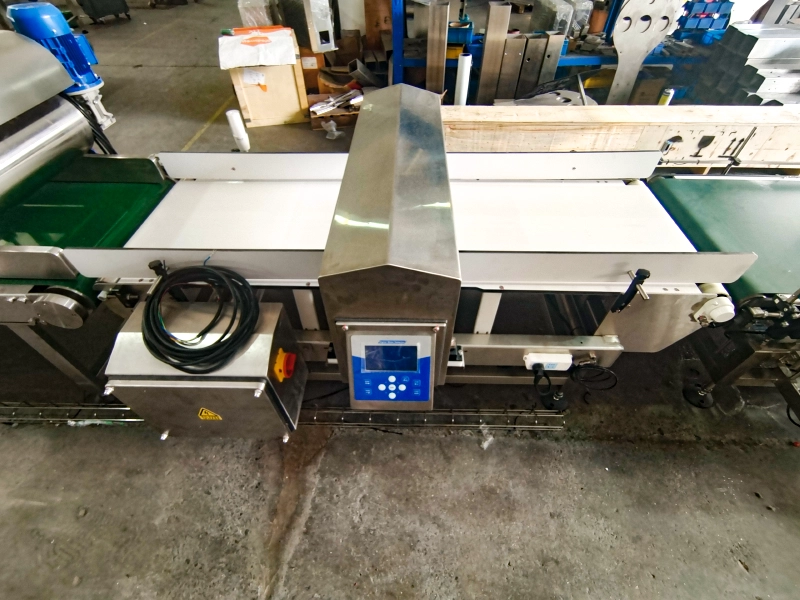
    Stainless steel bagging conveyor line with green belts, vertical guide frame, and emergency-stop control box
    The recurring pain point

    Operators manually straighten 25 kg kraft or woven bags at the last meter because the bag body arrives uneven, the mouth drifts off center, or the transfer section leaves too much freedom before sewing.

    What Mipline changes between filling and stitching

    The visible machine evidence matters. The blue inspection windows show an enclosed bagging station that protects the process while still allowing line observation. The stainless steel guarding and top access structure support cleaner maintenance. More important, the bag clamp and transfer path keep the bag aligned instead of letting it flop into the next unit.

    The green transfer conveyor and roller sections are not decorative detail. They are the physical handoff that keeps the bag moving in a controlled way before the sewing head takes over. That is why the line fits dairy powder, flour, starch, and other dry powder products where final bag shape is more important than raw fill speed alone.

    bpmpack Engineering Insight: the real quality risk in powder packaging is often the transition, not the filler. Once the bag is filled, the line still has to preserve geometry. A guided conveyor handoff, bag clamp alignment, and a rigid stainless steel enclosure keep the bag square until the next machine step is ready.

    What the images confirm about the line design

    The first image shows a fully enclosed bagging station with blue safety windows, a top hopper, and a control cabinet. That combination tells you the line is designed for controlled automatic operation, not a loose open-frame transfer point. For a plant that cares about hygiene, maintenance access, and visibility, this is a practical layout rather than a cosmetic shell.

    The second image shows the conveyor side of the job: green belts, a vertical guide frame, and a visible emergency-stop box. That tells the buyer exactly how Mipline manages the final bag handoff. It is a guided transfer environment, which is what a powder plant needs when the objective is a cleaner sewing entry and fewer bags corrected by hand.

    Visible evidenceFunctional rolePlant result
    Blue inspection windowsEnclosed bagging area with process visibilitySafer supervision and cleaner maintenance access
    Bag magazine conveyor and guided transfer pathStable bag delivery before sewingLess manual straightening at the last meter
    Green conveyor sections and rigid guide frameControlled handoff between machine stagesMore square bags at the sewing head

    Need a powder bagging line that keeps bags straight before sewing?

    Send us your bag size, target output, and closing method. We will map the filling-to-sewing handoff and suggest a Mipline layout that matches your powder product and plant flow.

    Request a line layout
  • Mipline Powder Packaging Line for Cleaner Bag Handoff Before Sewing

    Mipline Powder Packaging Line for Cleaner Bag Handoff Before Sewing

    Powder Bagging Line

    Mipline at the Last Meter: Keeping 25 kg Powder Bags Controlled Before Sewing

    At a Belarus dairy powder plant, the critical problem is not only filling the bag. The real risk appears in the last meter before sewing, when a filled 25 kg bag can twist, drop out of square, or arrive to the stitch head with a skewed mouth. Mipline is built for that exact handoff.

    Stainless steel automatic bagging machine with blue inspection windows, bag magazine conveyor, and top access platform

    Why the last meter before sewing decides line quality

    In powder packaging, the bag leaves the filling point heavier, softer, and less stable than many operators expect. A 25 kg kraft paper or woven bag may look full, but if the support path is weak, the bag body can rotate, lean, or collapse as soon as it moves onto the next conveyor. That is where sewing problems start.

    Mipline focuses on that transition. The enclosed stainless steel bagging station, bag magazine conveyor, and guided transfer sections are not decorative features; they keep the bag supported while it moves from filling to handling, so the sewing head receives a cleaner, more predictable bag position.

    Stainless steel roller conveyor transfer section with angled rollers for industrial bag handling and line integration
    Floor pain point

    When the filled bag arrives crooked, operators spend time straightening it by hand before sewing. That manual touch slows the line, adds variability, and turns the last transfer into a labor point instead of a controlled process.

    What the machine evidence shows on the floor

    The hero image shows the enclosed bagging station with blue inspection windows and a top access platform. That tells us the line is designed for supervision, guarding, and maintenance access, while keeping the bagging area physically organized. The support image shows the roller transfer section, which is the practical proof that the bag is not simply dropped forward; it is carried across a controlled path.

    This matters for dairy powder, flour, starch, and other dry powders because the bag is already under stress after filling. A stable handoff reduces bag twisting, keeps the mouth closer to square, and gives the sewing operator a calmer and more repeatable feed.

    bpmpack Engineering Insight: The useful upgrade is not only speed. It is controlled bag posture. When the transfer conveyor, clamp station, and bag magazine work together, the line removes the need for constant manual correction and makes the sewing step more consistent from bag to bag.

    What this setup changes in daily production

    For a Belarus dairy powder producer, the result is a cleaner and more supervised bagging process. Operators see the bag path more clearly, the transfer between stations stays more controlled, and the final sewing step is less exposed to random bag skew. That is especially important when the plant wants stable output without turning the packaging line into a manual workstation.

    If you are comparing powder bagging lines, the right questions are simple: what bag type is running, what target weight is required, what throughput is expected, and what must happen after filling. Mipline is built to answer those questions with a guided transfer path, stainless steel guarding, inspection windows, and a bagging layout that keeps the bag supported until it reaches sewing.

    Shop-floor issueMipline evidenceOperational result
    Bag arrives crooked before sewingGuided transfer conveyor and roller sectionCleaner bag posture at the stitch head
    Operators straighten bags by handControlled bagging station and bag magazine conveyorLess manual correction at the last meter
    Maintenance and supervision are difficultBlue inspection windows and top access platformEasier line oversight and service access

    Need a cleaner powder bag handoff before sewing?

    Send us the bag type, target weight, throughput, and the operation after filling. We will map the right Mipline layout for your powder packaging line and show where the bag stays controlled before sewing.

    Ask for a line proposal
  • Mipline Powder Packaging Line for Straighter 25 kg Bags Before Sewing in a Belarus Dairy Plant

    Mipline Powder Packaging Line for Straighter 25 kg Bags Before Sewing in a Belarus Dairy Plant

    Powder Packaging Line

    Keeping 25 kg Dairy Powder Bags Square After Filling: Mipline Powder Packaging Line for a Belarusian Plant

    A Belarusian dairy powder plant does not usually lose efficiency at the filler. The real loss happens when a full kraft bag twists, collapses, or arrives skewed at the sewing head. Mipline is built to keep the bag transfer cleaner, the mouth straighter, and the handoff more stable before stitching.

    Real factory photo of an enclosed stainless-steel powder packaging line with safety doors and conveyor interface

    What went wrong in the last meter of the line

    For the Belarusian buyer, the old issue was not powder quality. It was bag geometry. After filling, the 25 kg kraft paper bag had to travel through a narrow zone before sewing, and the line lacked a controlled handoff. Operators had to straighten bags manually, the bag mouth arrived skewed, and the sewing head worked harder than it should. That is exactly where bag alignment becomes a production problem, not just a packaging detail.

    Mipline addresses that weak point with an enclosed stainless steel bagging station, a bag magazine conveyor, blue inspection windows, and a guided transfer path that keeps the bag supported instead of hanging in the air. The line is designed for dry powders such as milk powder, flour, and starch, where a clean transfer before sewing matters as much as the fill itself.

    Stainless-steel twin-belt transfer conveyor with central control housing and adjustable side guides
    Pain point: the bag reaches sewing line out of square

    When a filled bag twists, the operator spends time re-centering it, the seam head sees inconsistent bag mouth position, and the plant loses rhythm at the final transfer point.

    Why Mipline fits this powder packaging job

    Mipline is not only a filling machine. It is an automatic powder bagging line built around the handoff before sewing. The visible evidence in the line matters: enclosed stainless steel guarding for hygiene and safety, blue inspection windows for maintenance visibility, green transfer conveyors for steady movement, roller conveyor sections for support, and a clamp path that keeps the bag mouth under control. For a dairy powder plant, that means less manual bag straightening and more predictable sewing.

    Because the line is meant for 25 kg bags, the transfer geometry is tuned to keep the sack flat enough for the next station. In practice, that helps reduce folds at the mouth, lowers the chance of bag collapse before stitching, and makes the final operator position easier to manage. The result is not abstract automation; it is a cleaner interface between filling, conveying, and sewing.

    bpmpack Engineering Insight: The engineering value here is the last-meter control. A dry powder line becomes stable when the bag no longer behaves like a free object after filling. Guided conveyors, clamp support, and enclosed transfer sections keep the bag square long enough for the sewing head to do its job.

    Structure, parameters, and what the images prove

    The first image shows the broader enclosed powder packaging line with safety doors and a conveyor interface. That is important because the buyer is not purchasing a loose collection of machines. It is a connected line. The second image shows the twin-belt transfer section with adjustable side guides. That detail explains how the line handles bag movement before sewing: the bag is supported, centered, and guided instead of drifting on a weak transition.

    In the traffic profile terms, this is a powder packaging line, a powder bagging line, and an automatic bagging machine for powder working as one controlled workflow. It is suited to dry powder packaging equipment where stable bag transfer before sewing is the main operating intent. For a Belarusian dairy producer, that means the line is aimed at cleaner bag alignment, reduced manual intervention, and a better handoff between the bagging station and the sewing head.

    Line elementVisible evidenceProduction effect
    Enclosed bagging stationStainless steel guarding and safety doorsCleaner, safer powder packaging line workflow
    Inspection accessBlue inspection windowsEasier monitoring without opening the line
    Transfer sectionGreen conveyors and roller conveyor supportStable bag transfer before sewing
    Alignment controlAdjustable side guides and clamp supportLess manual bag straightening at the last meter

    When the last meter is stable, the whole line runs better

    For powder plants that pack 25 kg kraft paper or woven bags, the main gain is simple: less twisting, less manual rework, and a cleaner seam handoff. Mipline is built for that job. If your line needs a straighter path from filling to sewing, the engineering target is already clear in the structure.

    Request a powder line consultation
  • Mipline Powder Packaging Line for Cleaner Bag Handoff Before Sewing

    Mipline Powder Packaging Line for Cleaner Bag Handoff Before Sewing

    Powder packaging line

    How Mipline Helps a Belarusian Dry Powder Plant Keep 25 kg Bags Square Before Sewing

    For a Belarusian dry powder producer running 25 kg kraft paper bags, the real bottleneck is often not filling. The problem appears at the last meter: the bag twists, the mouth drifts, and operators have to straighten every sack before sewing. Mipline is built for that handoff stage, with an enclosed stainless steel bagging station, a bag magazine conveyor, blue inspection windows, and guided transfer conveyors that keep each bag aligned before it reaches the sewing head.

    Stainless steel automatic bagging machine with blue inspection windows, bag magazine conveyor, and top access platform

    What the line has to solve before the bag reaches stitching

    Dry powder plants do not lose time inside the filler itself. They lose time when a filled 25 kg bag arrives skewed, folded, or unstable and the operator must square it by hand. That is why a powder packaging line must do more than fill and move product. It must preserve bag shape, protect the mouth geometry, and hand the sack off in a controlled way before sewing or sealing.

    The first image shows the core answer: a stainless steel automatic bagging machine with blue inspection windows and a top access platform. The enclosure makes the station easier to supervise and maintain, while the bag magazine conveyor and guarded transfer path support repeatable bag presentation. This is the difference between a generic automatic bagging machine for powder and a line that is actually engineered for stable bag transfer before sewing.

    Stainless steel roller conveyor with kraft paper bag, used for bag transfer in packaging line
    Manual straightening at the last meter

    The most common hidden loss is not filling capacity. It is the labor spent re-squaring every bag before the sewing head can take over. When that happens, line speed drops, the stitch point becomes less stable, and the plant pays for both labor and inconsistency.

    Why Mipline fits this problem better than a basic powder bagging line

    Mipline is designed as dry powder packaging equipment for industrial bags, especially 25 kg kraft paper or woven sacks. Its engineering intent is clear: keep 25 kg bags square before sewing, reduce manual bag straightening, and deliver cleaner bag alignment before sewing. The visible structure in the image set matches that goal: enclosed bagging station, bag clamp alignment, roller conveyor bag transfer, and guided handoff paths.

    That matters for milk powder packaging line projects, flour bagging line installations, and starch powder packaging line upgrades alike. The product definition stays the same: a powder filling and bag sewing line must hand off bags in a repeatable way. Mipline does that with stainless steel guarding, inspection windows for operator visibility, and conveyor geometry that supports a stable bag mouth from transfer to stitch.

    bpmpack Engineering Insight: If the last transfer section is unstable, every downstream fix becomes a labor patch. A twin-belt or roller-based guided transfer section, combined with a bag clamp station and an enclosed bagging body, keeps the bag square long enough for the sewing head to work consistently. That is why the visible bag magazine conveyor and transfer conveyor are not decorative details; they are the functional reason the line performs better in real production.

    Visible evidence from the machine structure

    The photo set is important because it shows more than a marketing concept. The bagging station is enclosed. The inspection windows are real. The conveyor path is visible. The roller transfer section is built to carry a kraft paper bag without making the mouth collapse. For a dry powder producer, that physical evidence is what separates a promise from an operating line.

    For a 25 kg powder bagging line, the expected result is simple: less manual correction, cleaner transfer between filling and sewing, and a more stable bag mouth at the stitching point. In practical terms, that means less operator fatigue, fewer misaligned bags, and a more reliable end-of-line rhythm. This is the result a buyer wants when upgrading to a powder packing machine with controlled bag handoff.

    Line problemWhat the image provesMipline response
    Bag twists before sewingEnclosed station and guided transfer pathStable bag transfer before sewing
    Operators straighten sacks by handRoller conveyor carries the kraft bag in lineReduce manual bag straightening
    Sewing head sees a skewed mouthBag clamp and inspection-ready enclosureCleaner bag alignment before sewing

    Need a cleaner bag handoff before sewing?

    If your powder plant is losing time at the stitching point, Mipline can be configured around your bag size, powder type, and target line speed. Share the bag spec and we will map the transfer path first, not the brochure.

    Request a layout review
  • Mipline Powder Packaging Line for Cleaner Bag Handoff Before Sewing

    Mipline Powder Packaging Line for Cleaner Bag Handoff Before Sewing

    Powder Packaging Line

    Belarus Powder Plant: A Mipline Line That Keeps 25 kg Bags Square Before Sewing

    For a dairy powder plant, the bottleneck is often not filling speed. It is the last meter before stitching: a bag lands slightly skewed, the mouth twists, and operators have to straighten it by hand. Mipline is built for that exact handoff problem. Its enclosed stainless steel bagging station, bag magazine conveyor, guided transfer sections, and clamping path are designed to keep the bag aligned from fill discharge to the sewing or sealing point.

    Stainless steel automatic bagging machine with blue inspection windows and bag magazine conveyor

    Where the bag usually loses control

    A 25 kg kraft paper or woven bag can look fine right after filling and still fail at the next transfer point. If the discharge path is too abrupt, the bag starts to collapse. If the conveyor hands it off without guidance, the mouth arrives skewed. If the sewing head receives a twisted sack, the operator has to stop the line, straighten the bag, and restart. That last-meter correction is what raises labor cost and makes the line feel slower than it should be.

    That is why Mipline focuses on transfer stability instead of only filling capacity. The line is not just a powder bagging machine; it is a controlled handoff system for dry powder plants that need clean movement from filling to sewing. The visible evidence in the equipment layout matters: a bag magazine conveyor, blue inspection windows for monitoring, enclosed stainless steel guarding, and a transfer path that keeps the package square before the final stitch or seal.

    Stainless steel roller conveyor transfer section with angled rollers for industrial bag handling and line integration
    Last-meter bag twist

    The real pain point is not a lack of powder filling capacity. It is the bag twisting, collapsing, or drifting off center before sewing, which forces manual straightening and creates unstable stitching.

    Why this line fits dairy powder, flour, and starch jobs

    Mipline matches powder plants because its job is mechanical, not cosmetic. The bag magazine conveyor presents the sack in an orderly way. The transfer conveyor and roller section keep the bag moving in a controlled straight path. The bag clamp station holds the mouth stable long enough for the downstream sewing head to do its work. In practical terms, that means less human touch, fewer misaligned bags, and a cleaner interface between filling, conveying, and closing.

    The stainless steel enclosure and inspection windows also matter in food powder environments. They let operators watch the process without exposing the whole line, and they make maintenance access more manageable than a fully open frame. For a plant handling milk powder, flour, or starch, that combination of guarding, visibility, and guided transfer is often what separates a workable line from one that constantly needs intervention.

    bpmpack Engineering Insight: the line should not be judged only by filling speed. For powder bags, the quality of the handoff before sewing is the key indicator. Mipline uses the enclosed stainless steel bagging station, guided conveyors, clamping, and roller transfer geometry to hold the 25 kg bag square until the final closure point.

    What the layout solves in practice

    In a Belarus dairy powder plant, the expected result is simple: fewer bags need manual correction, the sewing head receives a more stable mouth position, and the line spends less time recovering from a bad transfer. That is the value of choosing a powder packaging line built around handoff stability instead of only throughput. The product logic is visible in the hardware itself, not hidden in marketing language.

    When the transfer path is guided, the bag stays square. When the transfer conveyor and clamp station work together, the line is easier to control. When the enclosure, inspection windows, and stainless steel frame are part of the same design, the plant gets a line that is more suitable for clean powder production and less dependent on operator correction at the end of the shift.

    Buyer problemMipline responseVisible evidence
    Bag twists before sewingGuided transfer keeps the sack alignedRoller transfer section
    Operators straighten bags by handBag clamp and controlled handoff reduce manual correctionBagging station and conveyor path
    Need cleaner food-powder handlingEnclosed stainless steel layout improves guarding and accessBlue inspection windows
    Need stable 25 kg bag closureSquare bag presentation supports the downstream sewing headBag magazine conveyor

    Need a powder bagging line that stays stable before sewing?

    If your line is losing time at the last meter, the answer is usually better transfer control, not more manual labor. Mipline is built for that job.

    Talk to bpmpack about your powder line
  • Mipline Powder Packaging Line for Cleaner Bag Handoff Before Sewing

    Mipline Powder Packaging Line for Cleaner Bag Handoff Before Sewing

    Powder Packaging Line

    Keeping 25 kg Milk Powder Bags Straight at the Stitching End

    At a Belarusian dairy powder plant, the problem was not filling. The problem was the last meter: bags arrived twisted, the mouth lost alignment, and operators had to straighten sacks by hand before sewing. Mipline solves that gap with an enclosed stainless steel bagging station, guided transfer conveyors, and a stable handoff path that keeps each 25 kg bag square before stitching.

    Stainless steel automatic bagging machine with blue inspection windows, bag magazine conveyor, and top access platform

    Why the last meter matters on a dairy powder line

    For milk powder, flour, starch, and similar dry products, the bagging line usually looks stable until the sack leaves the filler and reaches the stitching end. That is where small errors become expensive. A bag that drifts off-center forces manual correction. A bag that collapses at the corner slows the operator. A bag that arrives skewed can make the sewing head unstable and create rework.

    Mipline was built for that exact transition. The product profile behind this line is clear: the machine combines a stainless steel enclosed bagging station, a bag magazine conveyor, blue inspection windows, green transfer conveyors, roller conveyor sections, and a controlled bag-clamp handoff before sewing or sealing. In practice, that means the line is not just moving powder bags forward. It is holding them in shape while the bag moves from filling to the next station.

    Stainless steel roller conveyor transfer section with angled rollers for industrial bag handling and line integration
    Typical pain point

    Operators should not be spending the last meter of the line straightening 25 kg bags by hand. When the transfer is unstable, the plant loses speed, the seam quality drops, and the sewing station becomes the bottleneck.

    What makes Mipline fit this job

    The reason Mipline fits this scenario is mechanical, not cosmetic. The enclosed stainless steel station protects the bagging area and gives the line a cleaner working zone. The bag magazine conveyor keeps bags staged in a controlled way. The guided green conveyors and roller transfer sections help the bag travel without sudden side load, which is exactly what keeps the bag mouth more square before sewing.

    That matters for a dairy powder producer because product presentation at the sewing end is usually the weak link in an otherwise automated line. If the last handoff is stable, the operator does less correction, the stitching point works with a more regular bag shape, and the line keeps a more predictable rhythm. Mipline does not try to solve the problem with software only. It solves it with bag clamping, transfer geometry, and an obvious physical handoff path you can see in the equipment photos.

    bpmpack Engineering Insight: When a powder bag arrives square, the sewing station is easier to control. That is why the best fix is usually not a faster sewing head, but a cleaner transfer path: stainless steel guarding, bag magazine feeding, guided conveyors, and a roller section that keeps the bag aligned before the seam is made.

    What to check before choosing a powder bagging line

    When a buyer compares an automatic powder packing machine, the right questions are practical. Can it keep the bag straight before sewing? Does it reduce manual bag straightening? Can the transfer stay clean for food powders? Is the machine built with stainless steel guarding and inspection windows so maintenance is easier? These are not abstract checklist items. They are direct conditions for stable output.

    Mipline answers those points through the way the line is built. The visible structure in the photos shows the kind of evidence a buyer should look for: enclosed bagging stations, clear inspection windows, conveyor interfaces, roller transfer sections, and a bag clamp station that holds the sack before the sewing or sealing handoff. For a 25 kg powder bagging line, that physical evidence is what matters more than a generic promise of automation.

    Buyer questionWhat Mipline showsWhy it matters
    Will the bag stay square before sewing?Bag clamp handoff plus roller transfer sectionReduces skew and keeps the sewing head stable
    Can operators work with less manual correction?Bag magazine conveyor and guided transfer pathReduces last-meter straightening work
    Is the line suitable for food powders?Stainless steel enclosure with inspection windowsSupports a cleaner, easier-to-maintain working zone

    For plants packaging milk powder, flour, or starch, the best result is not simply moving bags faster. The real result is a line that keeps each bag aligned long enough for the next operation to work properly. That is the role Mipline plays in the line: stable bag transfer before sewing, fewer manual corrections, and a cleaner industrial workflow.

    Need a powder bagging line that keeps bags straight before sewing?

    If your plant is dealing with twisted sacks, unstable sewing, or too much hand straightening at the end of the line, Mipline is built for that problem. Send us your bag size, product type, and target output, and we will map the right transfer and bagging layout.

    Request a powder line layout
  • From Filling to Stitching: A Powder Line That Keeps Bags Square

    From Filling to Stitching: A Powder Line That Keeps Bags Square

    Powder Packaging Line

    From Filling to Stitching: A Powder Line That Keeps Bags Square

    For a Belarusian powder producer, the real bottleneck was not filling alone. It was the handoff after discharge: sacks drifting out of shape, extra manual straightening, and a sewing station that had to wait for the operator to fix each bag. This PPLINE layout solves that gap with a modular filling tower, enclosed transfer path, and conveyor support that keeps the sack stable all the way to stitching.

    Industrial powder packaging line with stainless steel silos, elevated platform, conveyors, and bagged product stacks

    What the customer needed on the floor

    The project background was straightforward: a powder packaging line had to run faster, but the sack still needed to arrive at the sewing head in a clean, square shape. In the old setup, the bag often sagged after filling, the bottom edge dragged across the transfer point, and operators had to make small corrections by hand before stitching. That sounds minor until it repeats across every shift.

    The line image shows why this matters. A powder plant is not only a filling machine; it is a sequence of support points. Once the product leaves the dosing area, the sack needs structure, guidance, and a predictable path. If the transfer path is unstable, the sewing station becomes the place where production speed is lost.

    Close-up internal photo of bagging unit with vacuum suction cups, robotic placing arm, green conveyor, and white woven bag
    Old line pain point

    When the sack leaves the filling zone without enough support, it twists, leans, or bulges unevenly. That creates rework at the sewing point, slows the discharge rhythm, and increases the chance of a poor-looking final package.

    Why this PPLINE layout fits the job

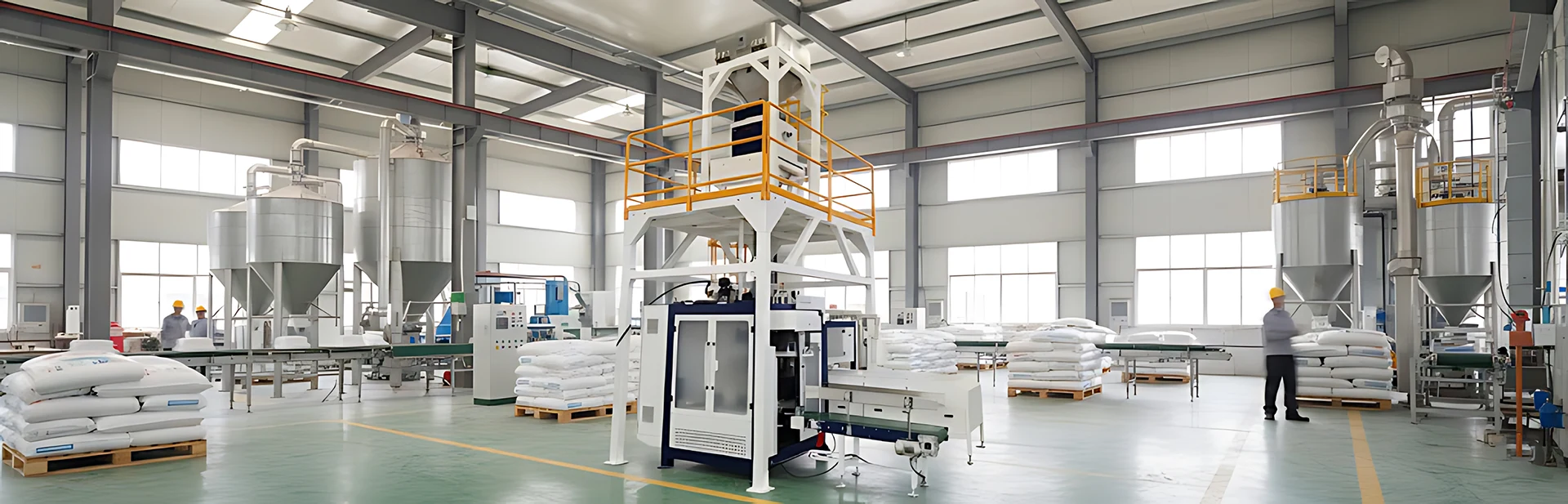
    The first photo shows the full system logic: stainless steel storage silos, an elevated working platform, enclosed machinery, and conveyors arranged as one coordinated flow. That structure is useful because the bag is not left to hang freely after filling. It is supported by the line, guided by the transfer path, and moved toward the next process step in a controlled way.

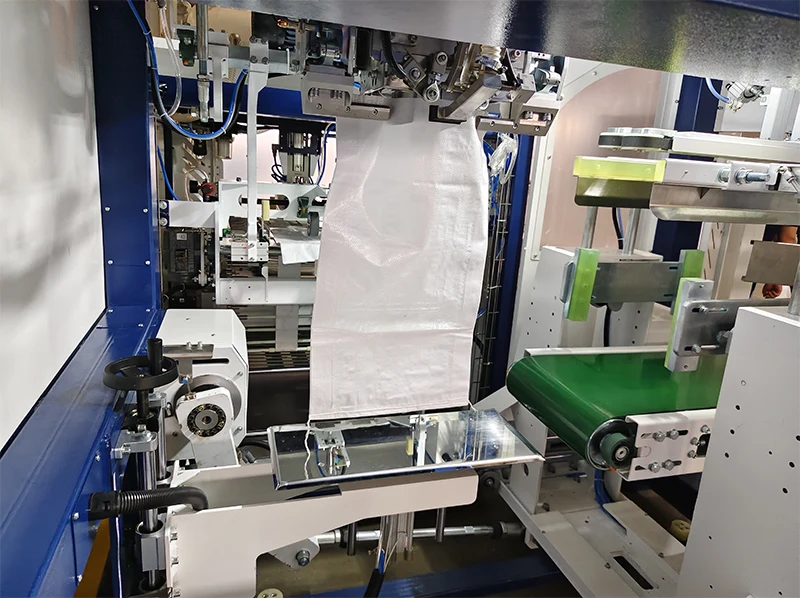
    The second photo gives the technical evidence. The internal bagging unit uses vacuum suction cups, a placing arm, and a conveyor-guided transfer area. In practice, that means the sack can be picked, positioned, and handed off with less distortion. For powder packing, this is exactly what the sewing station needs: a bag that arrives aligned enough to be closed cleanly without repeated manual correction.

    bpmpack Engineering Insight: The best way to stabilize a powder bag before sewing is not to rely on the operator at the end of the line. It is to build support into the line itself: controlled discharge, guided transfer, and a layout that keeps the woven sack square after filling. That is why a modular packaging line with a stable conveyor path usually outperforms a loose, open transfer arrangement in real factory use.

    What the structure solves in daily production

    For a Belarusian powder producer, the benefit is not abstract. Less bag drift means less manual straightening. Less straightening means steadier output. Steadier output means the sewing unit can keep pace with the filling side instead of becoming the bottleneck.

    This is also why the line is easier to explain in an engineering review. The photos show the structure, not just the promise: a modular tower, a supported transfer path, and a bagging unit built around controlled placement. The end result is a cleaner handoff from filling to stitching and a more consistent finished sack stack at the back end.

    Production issuePPLINE responseResult on site
    Bag drifts after dischargeEnclosed bagging layout with guided transfer and conveyor supportThe sack stays closer to square before sewing
    Too much manual straighteningVacuum suction cups and placing arm help position the sack earlierOperators spend less time correcting each bag
    Sewing station becomes the bottleneckStable upstream flow keeps the bag moving in a predictable rhythmFilling and stitching stay better synchronized

    Need a powder line that reaches the sewing head in shape?

    If your current line wastes time on bag correction after filling, the next upgrade should focus on transfer stability, not only dosing speed. PPLINE can be configured around the bag handoff problem so the final sack arrives cleaner, faster, and ready for stitching.

    Talk to bpmpack about your powder line
  • PPLINE for Bulk Products: Controlled Sack Transfer Before Stitching

    PPLINE for Bulk Products: Controlled Sack Transfer Before Stitching

    Bulk products line

    Why a Southern Russian Bulk-Products Plant Reduced Sack Drift Before Stitching

    A factory that handles bulk products does not lose time on filling alone. It loses time when each sack arrives to the sewing point at a slightly different angle, needs a manual touch-up, and slows the next pallet move. This is where the PPLINE bag transfer layout matters: stable handoff, clear visibility, and a line structure built to keep sacks square before stitching.

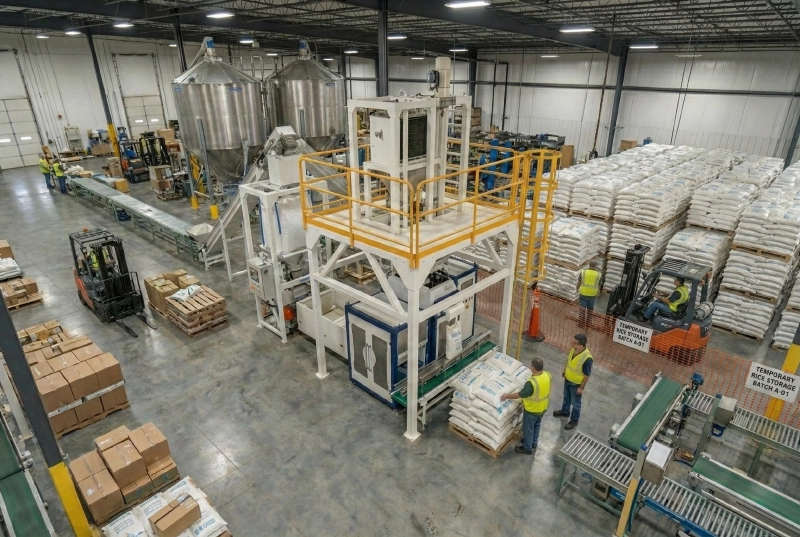
    High-angle operational photo of QZK-1200 bagging plant featuring twin stainless steel storage silos, conveyors, and active forklifts.

    What the line had to solve on site

    The customer scenario is common in bulk products handling: filled sacks leave the bagging point, but the transfer path is not perfectly stable. If the sack twists, rides unevenly, or lands with a slight offset, the sewing head sees extra correction work. Over a shift, that small correction becomes a real throughput problem. It also creates a second issue at the pallet: operators spend more time aligning product, and the forklift rhythm becomes less smooth.

    The first image shows why this matters. The plant is not a single machine in isolation. It is a complete working zone with elevated steel structure, connected conveyors, active forklift logistics, and palletized sacks moving through the same floor space. In that environment, the bag transfer point has to be predictable. Otherwise, every downstream action pays for the initial misalignment.

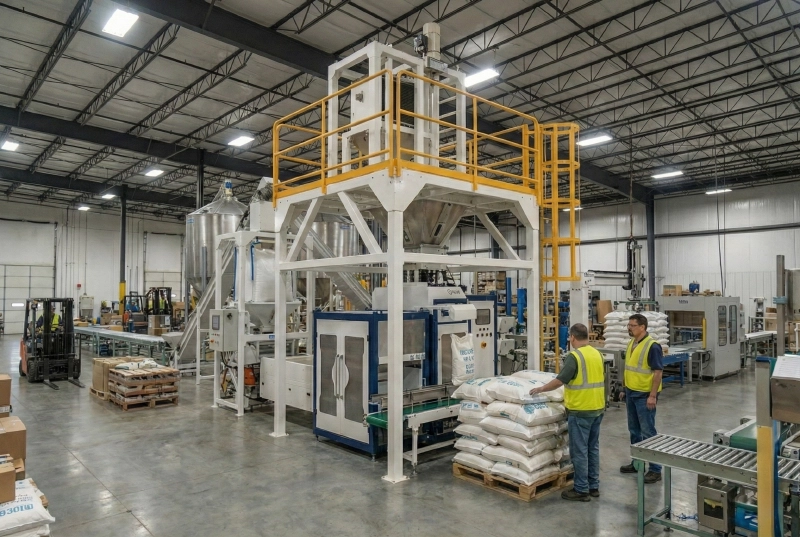
    Eye-level photo of operating QZK-1200 bagging station with steel safety cage ladder, conveyor, and operators stacking sacks.
    Old workflow pain point

    Manual sack straightening before stitching creates delay, adds handling error, and turns a stable filling line into a stop-and-go workflow. For bulk products, the problem is not only speed; it is the consistency of the bag path from discharge to sewing and then to stacking.

    Why PPLINE fits this type of bulk-products job

    PPLINE fits because the line is designed around controlled transfer instead of loose transfer. The elevated steel frame keeps the working path organized. The enclosed bagging station helps isolate the product flow. The conveyor section gives the operator a clear and repeatable movement path. And the visible safety structure makes the operating zone easier to supervise, which matters when the same floor must support filling, sewing, and pallet handling at once.

    The site evidence in the photos is important. You can see the machine sitting in a real factory layout, not in a studio. You can see the silos, conveyors, ladder access, safety cage, and pallet traffic all sharing the same production area. That combination tells you what the line is solving: not just packaging, but packaging that stays organized when the plant is busy.

    bpmpack Engineering Insight: When a bulk-products plant asks for better output, the fastest improvement often comes from the transfer stage, not the fill stage. If the sack is controlled before sewing, the sewing head works cleaner, the operator touches the bag less, and the pallet finishes look more uniform. In other words, a stable bag path protects the whole line.

    What changed after the layout was improved

    Once the bag route is stable, the plant can run with fewer manual corrections. Operators spend less time re-centering sacks. The sewing point receives a better-aligned bag. Forklift movement becomes easier because the pallets are formed with more regular edges and fewer disturbed bags. For a bulk-products producer, that means the line feels calmer even when output stays high.

    That is the practical result of the PPLINE approach: it does not try to hide the production zone, it makes the production zone easier to manage. The line structure, the platform access, and the conveyor direction work together so the sack moves through a cleaner path before it reaches the final closure step.

    BeforeAfter PPLINE
    Bag arrives slightly skewed at the sewing pointSack transfer stays straighter and easier to close
    Operators spend time on manual adjustmentLess touch-up is needed at the handoff stage
    Pallet edges become irregular under pressureStacking looks more uniform and easier to move
    Busy floor traffic slows the workflowTransfer, sewing, and forklift movement stay more organized

    Need a bulk-products line that keeps sacks controlled before stitching?

    If your plant is losing time at the bag handoff, the solution is usually a better transfer layout, not more manual intervention. PPLINE is built for that exact job: keep the sack aligned, keep the operator work simple, and keep the pallet flow steady.

    Discuss your line layout