Automatic Bagging Machine & Palletizing Systems Manufacturer

Category: English

  • PPLINE for Bulk Products: Steadier Bag Transfer Before Sewing

    PPLINE for Bulk Products: Steadier Bag Transfer Before Sewing

    Bulk Products Line

    How a Russian Bulk-Products Packer Reduced Sack Skew Before Sewing

    A steady bag handoff matters more than many teams expect. In woven-sack packing, the last meter before sewing decides whether bags stay square, seal cleanly, and move into palletizing without constant manual correction.
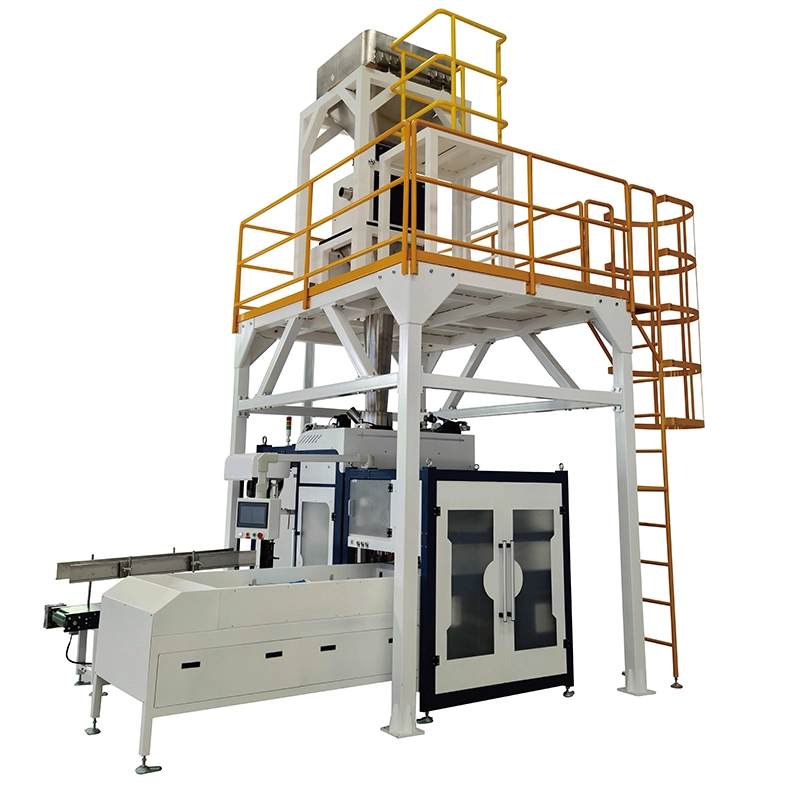
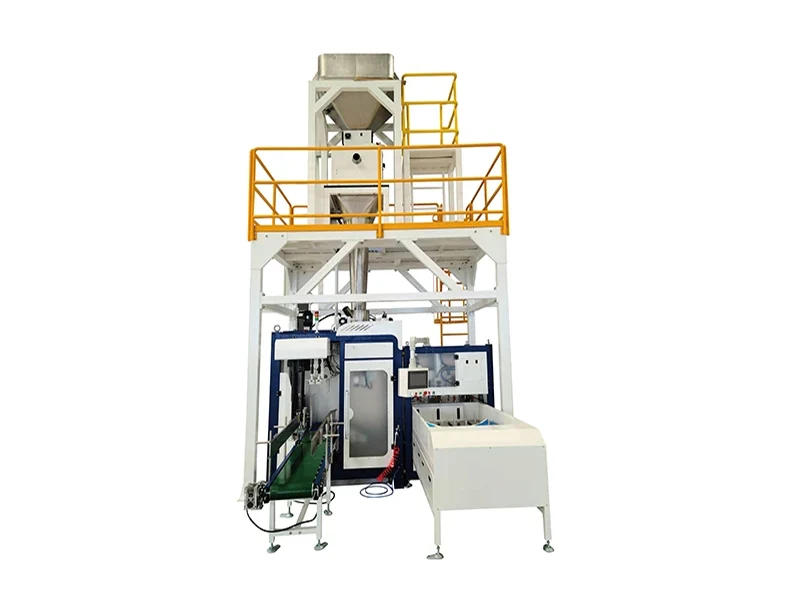
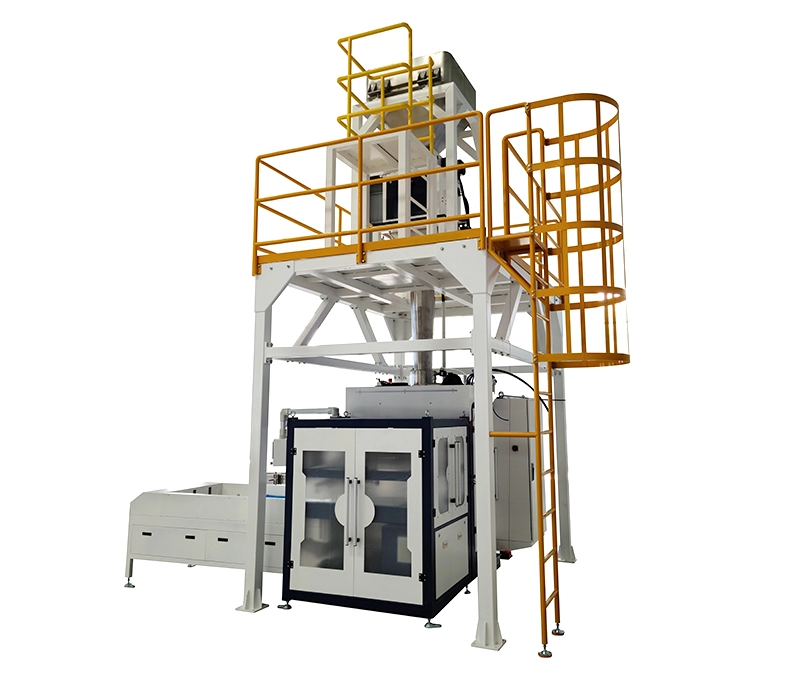
    Isometric product photo of QZK-1200 bagging machine showing swing-arm HMI touchscreen panel, outfeed belt conveyor, and platform.

    From manual straightening to controlled bag transfer

    The customer scenario was simple: a Russian plant packing bulk materials into woven sacks needed a more stable transfer after filling. The line was already filling bags, but operators still had to nudge sacks into position before stitching. That created small delays, inconsistent seam alignment, and unnecessary wear on the team during long shifts.

    PPLINE fits this kind of job because it is built around bag control, not just bag filling. The line uses a rigid steel structure, a guided conveyor path, and a controlled outfeed zone so the sack stays supported while it leaves the filling point and reaches the sewing head. That approach reduces skew at the exact moment where manual correction usually starts to happen.
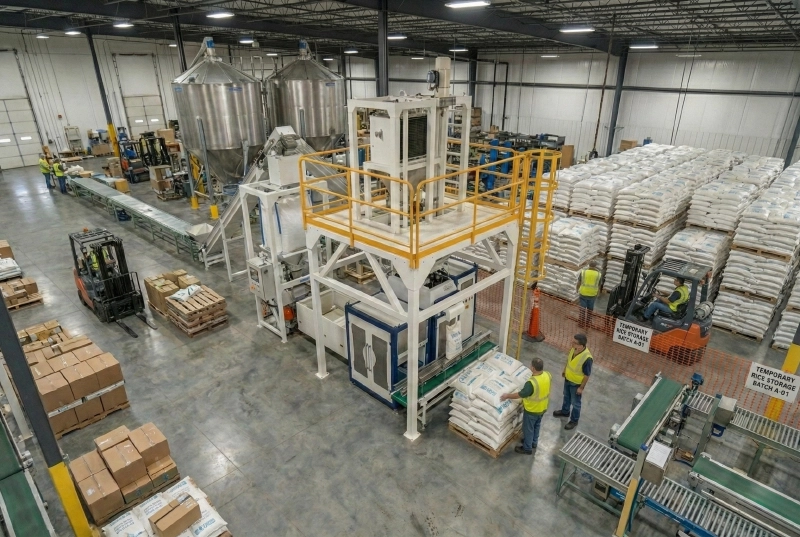
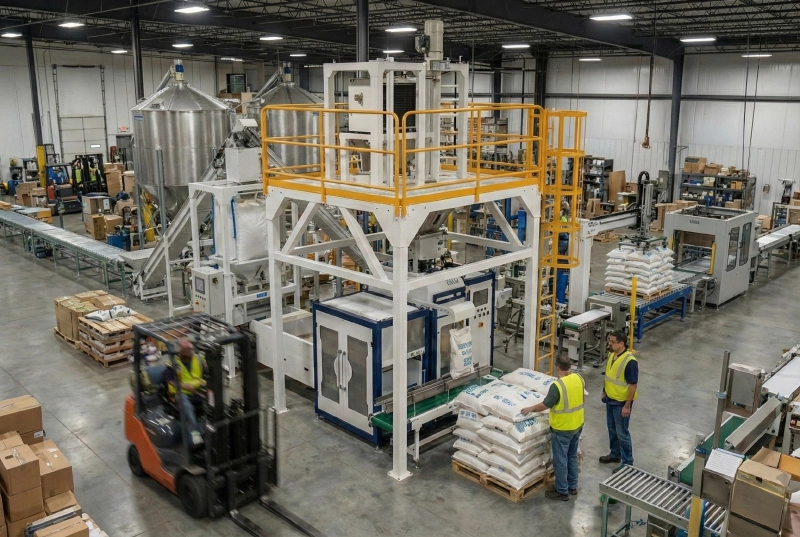
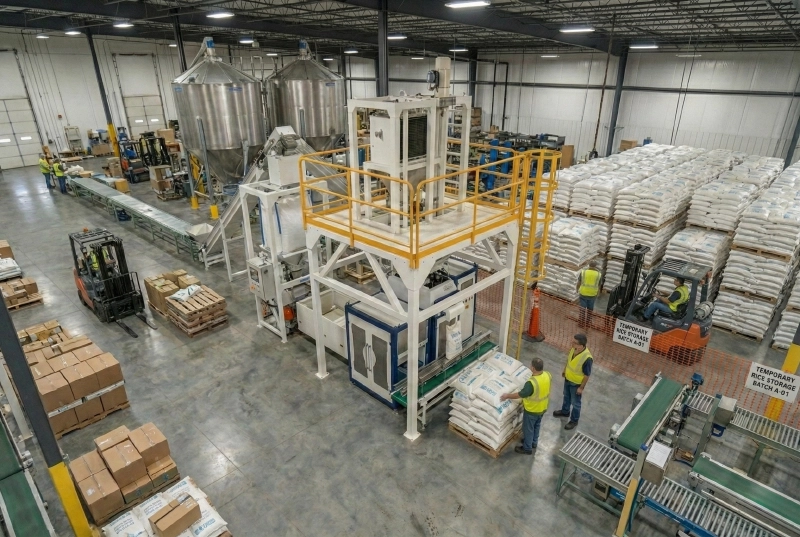
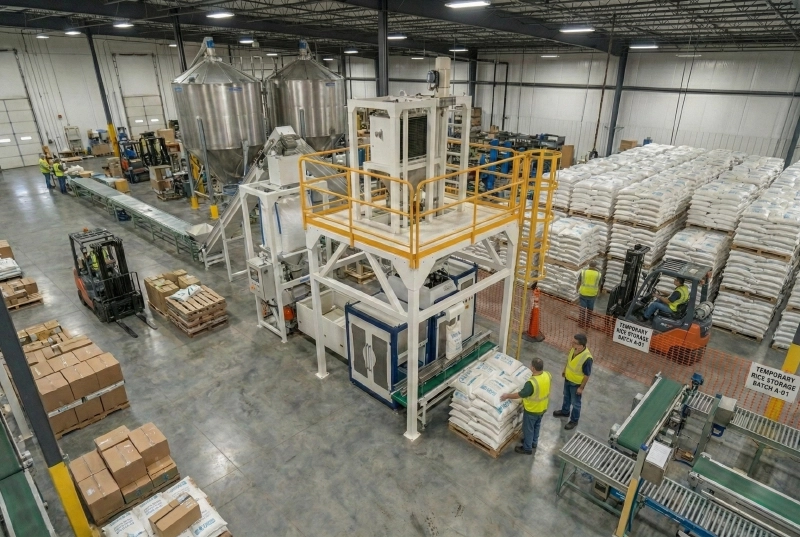
    High-angle operational photo of QZK-1200 bagging plant featuring twin stainless steel storage silos, conveyors, and active forklifts.
    Primary pain point

    When a bag exits a filling station unevenly, the stitching head has to work around the problem. The result is slower throughput, more rework, and a higher chance that the sack reaches palletizing with a crooked body or a stressed seam area.

    Why this line structure solves the problem

    The most visible advantage is the line’s physical organization. The elevated platform keeps the working area clean and accessible, while the enclosed machine body protects the transfer path. The HMI-controlled interface helps operators keep the process consistent, and the outfeed conveyor gives each sack a defined route instead of letting it drift after discharge.

    That matters for bulk products because a bag is not a static package. It moves, flexes, and settles. If the transfer path is unstable, the sewing head and the downstream palletizing zone inherit the misalignment. PPLINE reduces that risk by keeping the bag supported through the transition, which is exactly where many older lines lose control.

    bpmpack Engineering Insight: In bulk-products bagging, the mechanical handoff is often more important than the nominal filling speed. A machine that preserves bag shape, support, and orientation at discharge usually gives more usable output than a faster line that relies on operators to fix every sack before sewing.

    What the photos prove about the line

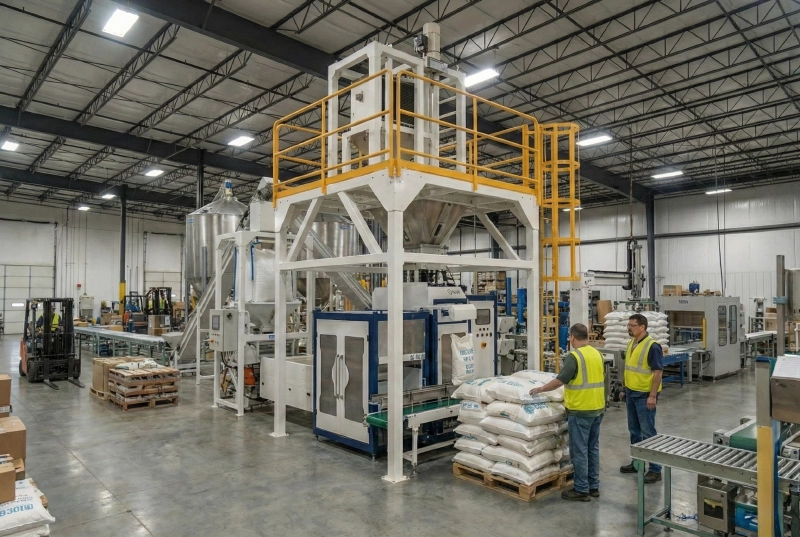
    The two images show different but connected evidence. The isometric machine view highlights the swing-arm control panel, platform, and structured outfeed path. The factory photo shows the system in a real production environment, with silos, conveyors, and forklifts working together around the packing station. Together, they show that the line is designed for continuous operation, not just showroom presentation.

    For a bulk-products customer, that combination matters. The machine needs to fit a real plant, tolerate repeated sack movement, and keep the bag body aligned as it moves from filling to closure. These are not abstract advantages; they are the conditions that decide whether a shift runs smoothly or becomes operator-dependent.

    CheckpointOld line behaviorPPLINE response
    Bag alignment after fillingSack drifts and needs hand correctionSupported outfeed keeps the bag square
    Stitching consistencySeam line varies with operator handlingStable transfer improves sewing readiness
    Shift stabilityThroughput depends on manual interventionDefined conveyor path reduces rework
    Plant integrationLine feels isolated from upstream logisticsStructured layout fits silos, conveyors, and forklifts

    Need a cleaner sack handoff for your bulk-products line?

    If your current packaging flow still relies on people straightening bags before sewing, PPLINE is the kind of line architecture worth reviewing. It is designed to keep the sack supported, aligned, and ready for the next step.

    Talk to bpmpack
  • Belarus Powder Packing Line: How Mipline Keeps Bags Straight Before Sewing

    Belarus Powder Packing Line: How Mipline Keeps Bags Straight Before Sewing

    На участке фасовки порошка у белорусского производителя главный риск был не в самом наполнении мешка, а в том, что мешок приходил к следующей операции неровно. До сшивки пакет мог смещаться, заваливаться на кромку или терять геометрию после передачи от одного узла к другому. В итоге оператору приходилось делать ручную подправку, а это замедляло линию и ухудшало стабильность выпуска.

    Именно для таких задач и была выбрана упаковочная линия Mipline для порошка. Ее задача — не просто подать мешок, а удержать его в контролируемом положении от точки передачи до сшивки и дальнейшего вывода. Для порошковой продукции это критично: мешок должен идти ровно, без лишней вибрации, без закусывания кромок и без потери устойчивости на переходах между участками.

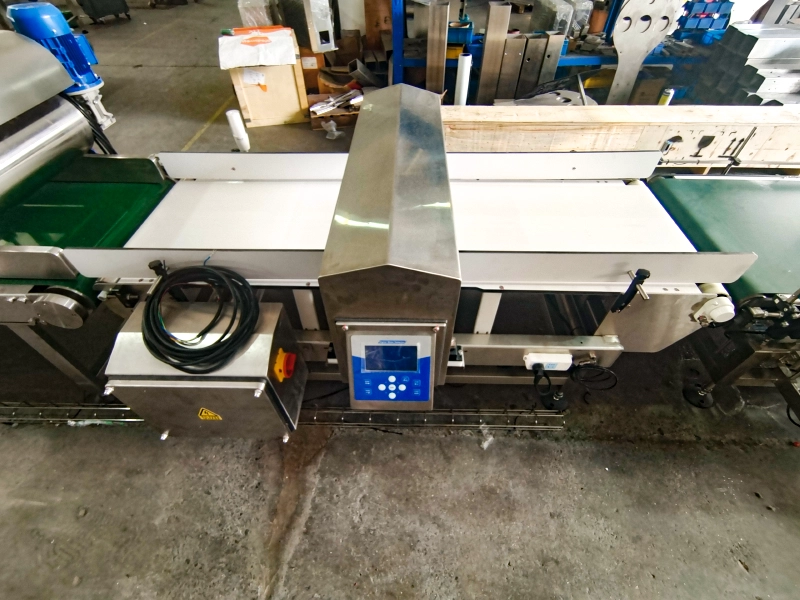
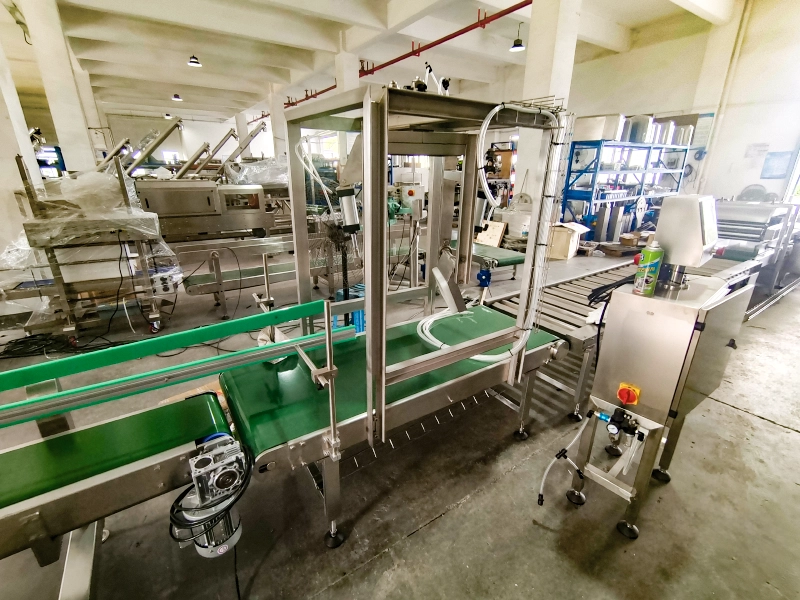
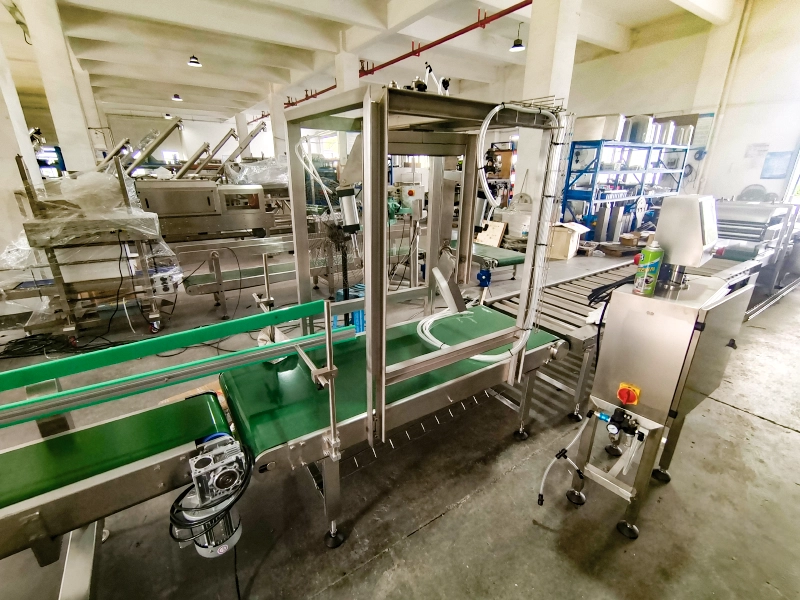
    Stainless steel bagging conveyor line with green belts, vertical guide frame, and emergency-stop control box

    Почему старая схема давала сбой

    Типичная проблема на линиях для порошка — слишком резкий переход между подающим и принимающим узлом. Если мешок идет по неудачно согласованной направляющей, он теряет ось, начинает разворачиваться и требует участия оператора. На короткой смене это кажется мелочью, но на длинной партии такие микрозадержки превращаются в постоянные потери времени.

    Еще один слабый момент — недостаточная жесткость и слабый контроль бокового положения. Когда мешок идет по легкой рамной конструкции без нормальных направляющих и без понятной зоны стабилизации, любое отклонение сразу отражается на передаче к следующей операции. Для белорусского производителя сухих смесей это было особенно чувствительно: нужен был не просто конвейер, а ровный, предсказуемый участок подачи.

    Что в Mipline оказалось подходящим

    На фото видно, что линия собрана на нержавеющей раме, а рабочий участок дополнен зелеными транспортными лентами, вертикальной направляющей рамой и отдельным блоком аварийного останова. Такая компоновка полезна именно там, где мешок должен сохранять траекторию и не гулять по ширине. Жесткая геометрия каркаса снижает паразитные смещения, а направляющие помогают удерживать пакет в оси перед следующей операцией.

    Вторая важная деталь — визуально понятная и сервисно удобная конструкция. Оператору проще контролировать линию, когда у него есть четкий доступ к зоне подачи, понятные границы транспортного канала и отдельный блок управления. Это снижает вероятность случайных остановок и упрощает обслуживание.

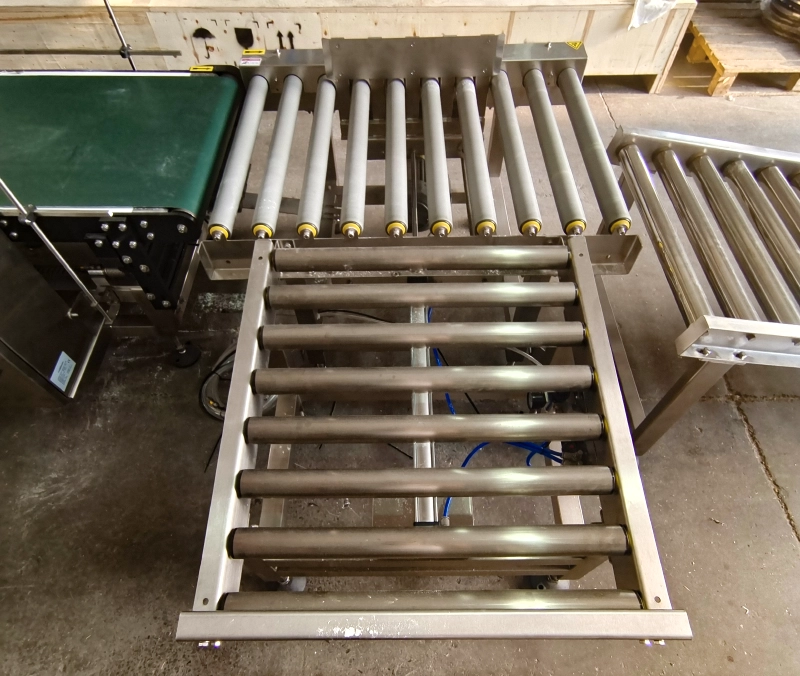
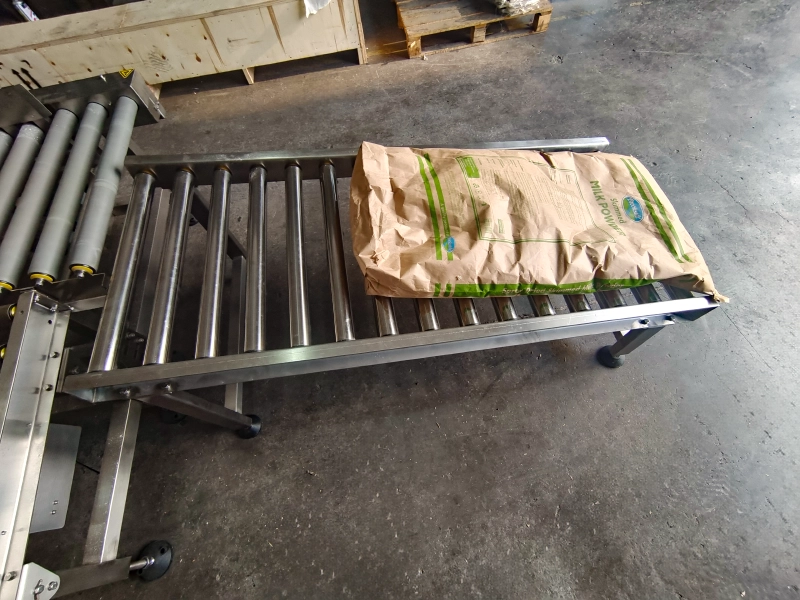
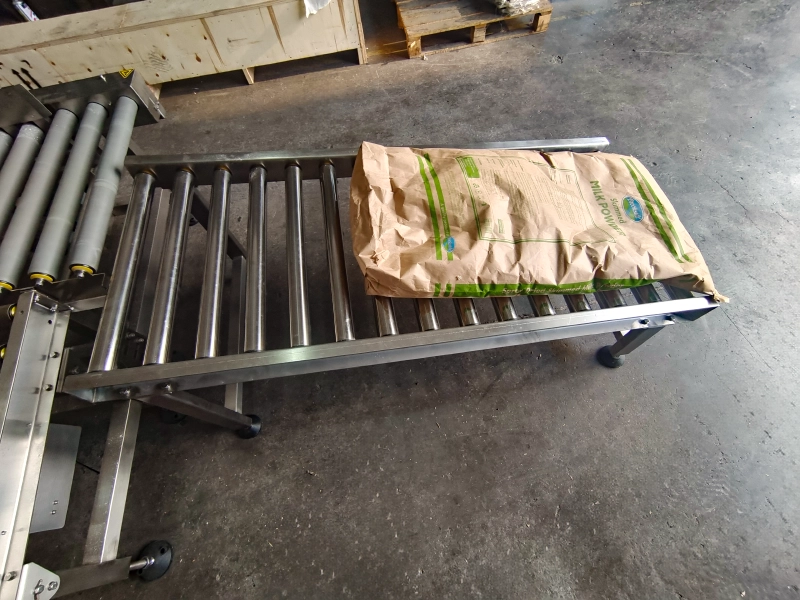
    Stainless steel roller conveyor with kraft paper bag, used for bag transfer in packaging line

    Какие узлы дают стабильность на практике

    На второй фотографии видно, как мешок идет по роликовой секции на нержавеющем основании. Для порошковой упаковки это важный участок: мешок не должен проваливаться, цепляться за край или терять опору. Роликовая передача дает более мягкий и равномерный ход, особенно если перед ней уже выровнена подача и мешок вошел в рабочую линию без перекоса.

    Именно сочетание роликовой секции, жесткого каркаса и согласованного направления движения убирает ручную подправку. По сути, решение работает не за счет одной «сильной» детали, а за счет правильно собранной связки: подача, удержание, передача и вывод идут как единая логика.

    Для этого проекта это означало более спокойный ритм участка фасовки, меньше вмешательства персонала и более ровный мешок перед сшивкой. Там, где раньше оператор ловил положение вручную, теперь линия удерживает мешок сама.

    Почему это важно именно для порошка

    Порошковые продукты особенно чувствительны к нестабильной передаче. Любой перекос мешка делает кромку неудобной для следующей операции, а любая задержка на участке подачи бьет по общей производительности. Поэтому для упаковочной линии для порошка важен не только сам узел фасовки, но и весь путь мешка после наполнения.

    Mipline здесь закрывает именно этот промежуток. Линия не пытается решать все задачи сразу, а точно фиксирует тот этап, где чаще всего теряется стабильность. Это и есть причина, почему решение подошло белорусскому производителю: мешок идет ровно, участок не требует постоянной ручной корректировки, а сшивка получает уже подготовленный пакет.

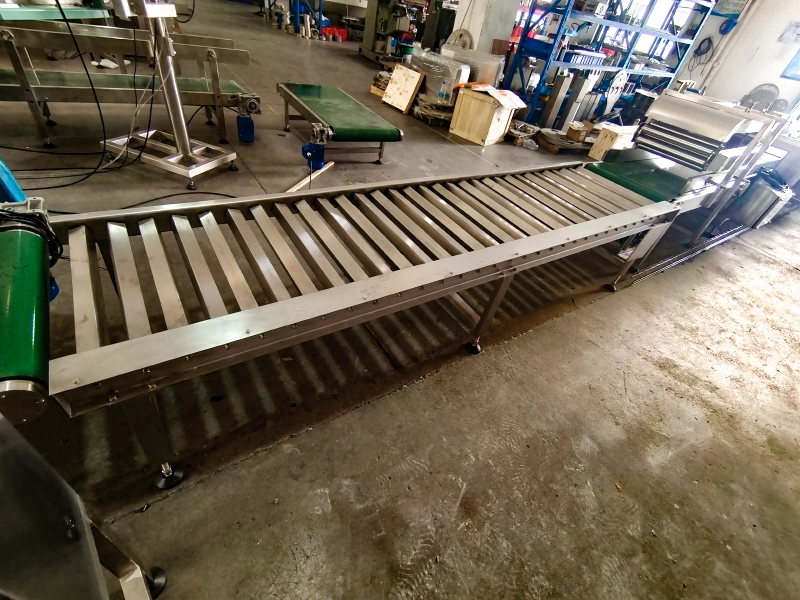
    Factory-floor photo of automated packaging conveyors, steel frames, and wheeled machine modules with branding overlay

    Итог для заказчика

    В результате заказчик получил не просто еще одну транспортную секцию, а ровный участок подачи для порошковой линии. Это сократило ручную подправку, сделало передачу мешка стабильнее и помогло держать ритм участка перед сшивкой. Для предприятия, которое работает с порошковыми продуктами в промышленном режиме, такой эффект особенно ценен: меньше вмешательства, меньше простоя и более предсказуемый выпуск.

    Если задача на вашей стороне звучит так же — удержать мешок ровным до сшивки и убрать ручную корректировку на порошковой линии, то Mipline можно рассматривать как практичное решение именно для этой точки процесса.

  • Mipline Powder Packaging Line: Stable Bag Transfer Before Sewing for OOO BELRUSPRODUKT

    Mipline Powder Packaging Line: Stable Bag Transfer Before Sewing for OOO BELRUSPRODUKT

    Для белорусского производителя сухого порошка главная проблема была не в самом наполнении мешка, а в том, что дальше мешок должен пройти короткий, но очень чувствительный участок: от подачи к зоне сшивки. Если мешок теряет геометрию, оператор тратит время на ручную подправку, а линия начинает жить рывками. На практике это означает лишние остановки, риск смещения шва и ненужную нагрузку на персонал.

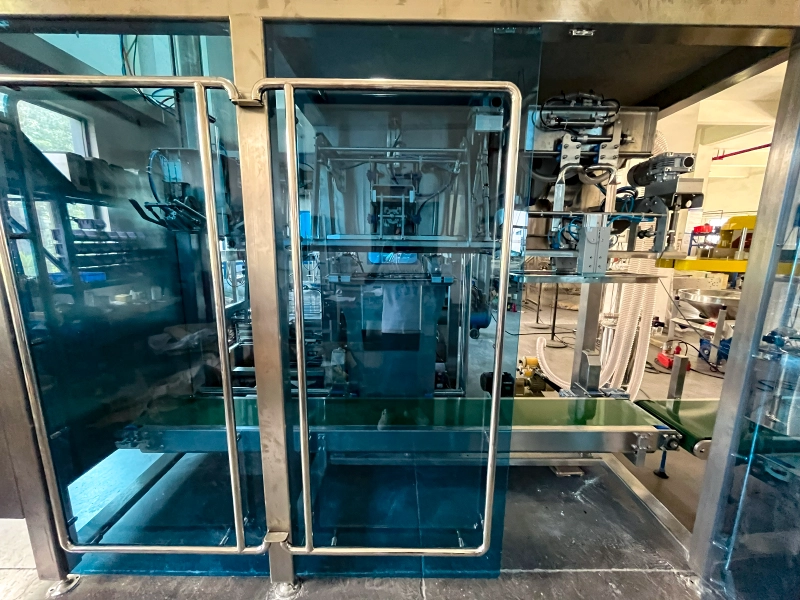
    Mipline закрывает этот участок не «общими словами», а железом. На фото видно, что линия построена как закрытая нержавеющая система с безопасными дверями и интерфейсом конвейера. Это важно именно для порошка: поток должен идти внутри понятного контура, без открытых участков, где мешок может зацепиться, раскрыться или уйти в сторону до следующего поста.

    Закрытая линия упаковки порошка из нержавеющей стали с защитными дверями и интерфейсом транспортера
    Закрытая линия порошковой упаковки с защитным кожухом и понятным стыком к транспортеру.

    Почему ручная подправка мешка ломает ритм линии

    На старых участках мешок часто выходит из подачи уже с небольшим перекосом: край не сел в направляющую, дно повело, пакет чуть развернулся после захвата. Для оператора это выглядит как мелочь, но для линии это прямой стоп-фактор. Каждый раз, когда мешок нужно ловить руками, вырастает разброс по такту и снижается стабильность шва.

    Поэтому в Mipline ставка сделана на контролируемую передачу. Сначала мешок удерживается и направляется в зоне подачи, затем его подхватывает межоперационный транспорт и только потом он уходит к следующему этапу. Такой сценарий лучше подходит для сухих порошков, где любая лишняя тряска сразу влияет на форму мешка и на аккуратность дальнейшей сшивки.

    Автоматическая станция мешковки в закрытом кожухе с зеленым конвейером
    Станция мешковки с закрытым кожухом и зеленым конвейером на входе.

    Что на фото показывает подачу мешка без лишних движений

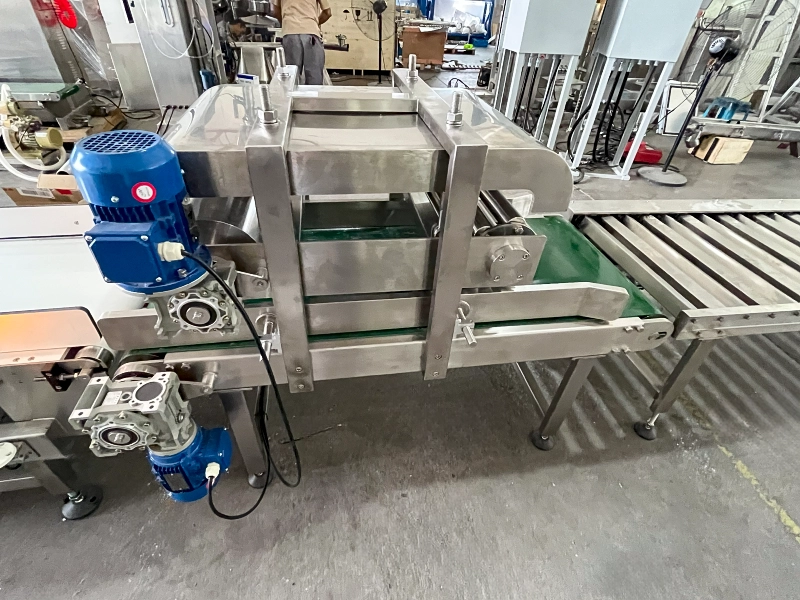
    На одной из ключевых фотографий виден конвейер подачи мешков с двумя редукторными приводами и рамой захвата. Для линии порошка это важная конструкция: привод работает не один разово, а как стабильный транспортный узел, который удерживает мешок в заданной траектории и не дает ему «гулять» перед следующей операцией.

    Именно такая механика помогает свести к минимуму ручное выравнивание. Когда мешок идет по заданной оси, оператору не нужно поправлять его после каждого перехода. Линия становится ровнее, а downstream-пост получает уже подготовленный мешок, а не проблемную заготовку, которую еще надо ловить на месте.

    Конвейер подачи мешков с двумя редукторными приводами и рамой захвата
    Подающий конвейер с двумя приводами и рамой захвата для стабильного перемещения мешка.

    Двухленточный перенос: удержать мешок в центре, а не просто перевезти его

    Следующий участок — двухленточный передаточный конвейер с центральным кожухом и регулируемыми направляющими. Это уже не просто транспортировка, а именно выравнивание. Две ленты дают более уверенную опору по ширине, а направляющие помогают удерживать мешок в центре даже тогда, когда геометрия упаковки немного плавает после заполнения.

    Для белорусского производителя порошка такой узел особенно полезен, когда линия работает с разными партиями мешков или с небольшими отклонениями в упаковочном материале. Вместо того чтобы перекладывать ответственность на оператора, Mipline берет стабилизацию на себя: мешок проходит участок одинаково, а форма подачи сохраняется до стыка со следующим постом.

    Двухленточный передаточный конвейер с центральным кожухом и регулируемыми направляющими
    Двухленточный передаточный узел с центральным кожухом и регулируемыми направляющими.

    Роликовая стыковка как спокойный финал перехода

    Последний визуальный узел в этой серии — секция роликового транспортера для плавной передачи мешка между постами. Именно здесь хорошо видно, что линия проектировалась не как набор разрозненных машин, а как единый маршрут для мешка. Роликовая секция убирает резкий переход, сглаживает перемещение и помогает мешку не терять направление на самом чувствительном отрезке.

    Если смотреть на задачу глазами производства, то ценность такого узла простая: меньше рывков, меньше ручной коррекции, меньше причин для брака на стыке. А если смотреть глазами эксплуатанта, то это еще и более понятная работа линии в течение смены: оператор меньше вмешивается, такт становится предсказуемее, а мешок приходит к сшивке уже в рабочем положении.

    Секция роликового транспортера для плавной передачи мешка между постами
    Роликовая стыковочная секция для спокойной передачи мешка между рабочими постами.

    Итог для порошковой линии

    В случае с Mipline результат строится не на красивой подаче, а на понятной механике: закрытая нержавеющая оболочка, узел подачи с приводами, двухленточная стабилизация и роликовая стыковка. Вместе они решают ровно ту проблему, с которой сталкивается любой производитель порошка на реальной линии: мешок должен идти дальше без перекоса и без ручной борьбы за геометрию.

    Для OOO BELRUSPRODUKT это означает более спокойный переход от подачи к сшивке, меньше пауз на поправку мешка и более ровную работу участка, где обычно теряется больше всего времени. На порошковой упаковке это и есть практический результат: не просто отгрузить мешок, а передать его дальше в стабильном состоянии.

  • Why a Belarusian Dairy Powder Producer Chose a Cleaner Bag Handoff Before Sewing

    Why a Belarusian Dairy Powder Producer Chose a Cleaner Bag Handoff Before Sewing

    Belarus case study

    Why a Belarusian Dairy Powder Producer Chose a Cleaner Bag Handoff Before Sewing

    On a 25 kg powder line, the hard part is not filling the sack. It is handing the bag over in a straight, calm position so the sewing head can work without manual correction. Mipline was selected to solve that transfer point first.

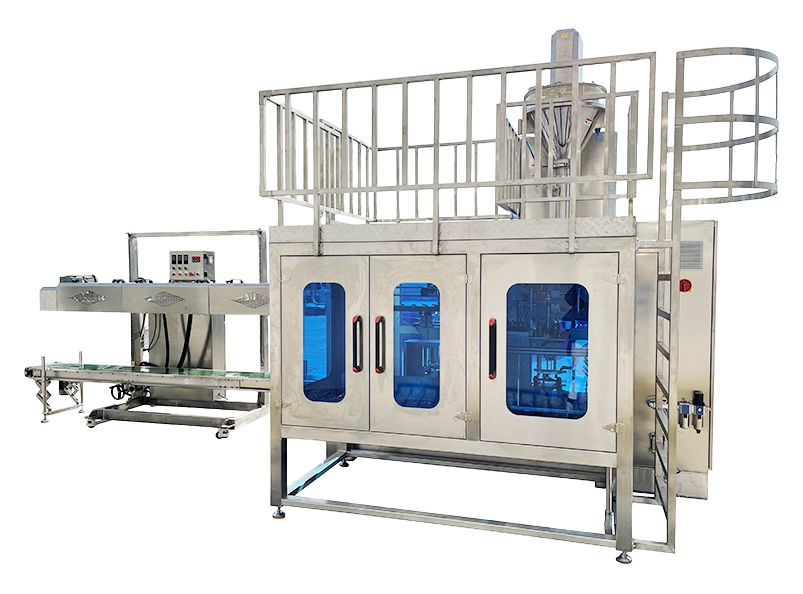
    Stainless steel automatic bagging machine with blue inspection windows, bag magazine conveyor, and top access platform

    The old handoff problem was mechanical, not cosmetic

    For a dairy powder producer, the bag rarely fails at the filling point. The real trouble starts after filling, when a kraft paper sack must travel from the bagging station to the next operation without twisting, folding, or dropping out of square. If the mouth is skewed, the operator has to correct it by hand. If the bag body bends too early, the sewing head loses consistency. If the transfer is rough, the whole rhythm of the line slows down.

    This is why the customer brief was not just about higher output. It was about a more disciplined interface between the powder packaging line and the downstream sewing step. The goal was simple: keep each 25 kg bag supported, aligned, and ready for the next motion without extra touching.

    Stainless steel roller conveyor with green belt infeed and outfeed sections for bag transfer
    What was hurting the line

    When the sack arrives crooked, the sewing head becomes the bottleneck. Manual straightening adds labor, introduces small timing errors, and creates a wider quality gap between the first good bag and the tenth bag. In powder packaging, that gap is expensive because it shows up as wasted motion, unstable line speed, and avoidable rework.

    Why Mipline fit this line

    Mipline matched the job because the machine is built around the transfer point itself. The enclosed bagging station with inspection windows protects the working area. The bag magazine conveyor and guided transfer section present the sack in a controlled way. The top access platform makes maintenance practical without turning the line into a cluttered manual station.

    Just as important, the structure is not a loose collection of frames. The guide rails, conveyor interface, and clamp zone are arranged to keep the bag mouth square and the bag body stable. That is the difference between a line that simply moves product and a line that prepares product for the next step.

    Engineering point: the line does not win by brute speed. It wins by removing the small misalignments that slow down sewing and create operator intervention.

    What the floor images prove

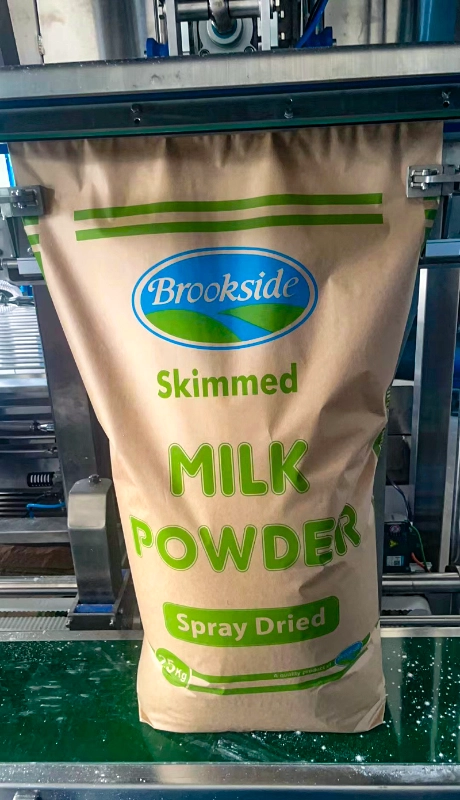
    The transfer conveyor image shows the real job of the middle section: move a heavy powder bag while keeping the body straight and the base supported. The clamp-station image shows the other half of the story: once the sack is held correctly, the operator or downstream device can finish the cycle without fighting the bag shape.

    That is why the final result was not just a prettier machine layout. The production team got a cleaner handoff, less manual rework, and a more predictable rhythm between filling, transfer, and sewing. On a powder line, that usually means the line feels quieter, easier to supervise, and more repeatable shift after shift.

    Line pointMipline adaptationResult on the floor
    Bag transferGuided conveyor handoff with stable supportLess skew and less manual straightening
    Bag mouth presentationControlled bagging station and clamp zoneCleaner alignment before sewing
    Maintenance and safetyEnclosed frame with access platform and inspection windowsSafer service and easier line oversight
    Real industrial photo of a Brookside skimmed milk powder kraft bag held at automatic bagging clamp station

    Need a cleaner 25 kg bag handoff on your powder line?

    Send us the bag type, target throughput, and the next operation after filling. We will map the transfer, clamp, and guarding section to the line you already have, then show where Mipline can remove manual correction.

    Contact BPM
  • Mipline for Powder Packaging: Stable Bag Transfer Before Sewing in Belarus

    Mipline for Powder Packaging: Stable Bag Transfer Before Sewing in Belarus

    Когда на линии порошка мешок выходит из упаковочного узла с небольшим уводом, дальше это быстро превращается в ручную доработку: оператор ловит кромку, выравнивает пакет и только после этого отправляет его на следующий этап. Для белорусского производителя порошка именно этот участок и стал узким местом. Задача для Mipline была простой по смыслу, но жёсткой по исполнению: удержать мешок ровно, не потерять геометрию потока и передать пакет к прошивке без лишних касаний.

    Stainless steel bagging conveyor line with green belts, vertical guide frame, and emergency-stop control box
    Узел подачи мешка с направляющей рамой и зелёными транспортёрами — именно здесь линия удерживает пакет в нужной оси перед дальнейшей передачей.

    Что ломал старый сценарий

    В старой схеме мешок часто приходил на переход под углом. Это означает сразу три проблемы: оператор тратит время на подравнивание, возрастает риск перекоса перед прошивкой, а сам переход начинает зависеть от человека, а не от механики. Для порошковой упаковки такой режим особенно заметен: мешок мягкий, шов на нём легко увести, а любое лишнее касание добавляет хаос в конце линии.

    Поэтому здесь важен не только сам факт транспортировки, а именно стабильная геометрия передачи: мешок должен идти по линии, а не искать её.

    Stainless steel roller conveyor with kraft paper bag, used for bag transfer in packaging line
    Роликовый участок с мешком из крафт-бумаги показывает, как Mipline удерживает пакет в зоне транспортировки без лишнего ручного вмешательства.

    Почему Mipline подошёл именно для порошка

    В этой конфигурации линия опирается на жёсткую нержавеющую раму, направляющую геометрию и связку транспортных модулей, которые не дают мешку «гулять» по ширине. Зелёные ленты и роликовый переход работают как единая подача: пакет не рвётся с места, а спокойно переходит из одного участка в другой. Для оператора это означает меньше ручной правки и более предсказуемый конец цикла.

    Отдельный плюс — закрытый и безопасный контур. Когда порошок идёт по линии, вокруг всегда есть пыль, риск контакта и вопрос удобства обслуживания. Поэтому на Mipline важны не только транспорт, но и ограждения, доступ к управлению и понятная компоновка вокруг узла.

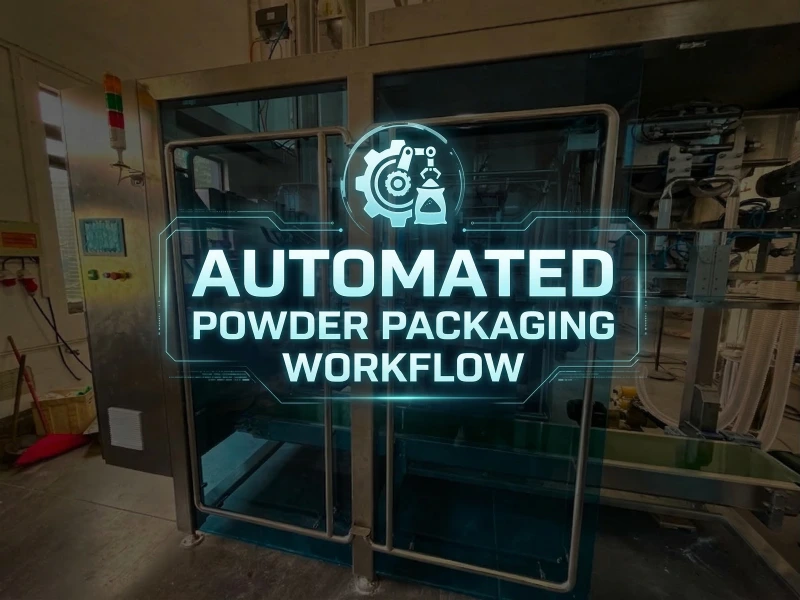
    Real factory photo of an enclosed stainless-steel powder packaging line with safety doors and conveyor interface
    Закрытая нержавеющая упаковочная линия с защитными дверями и интерфейсом транспортёра — это та среда, где порошковый мешок идёт стабильно и безопасно.

    Что видно на реальной компоновке

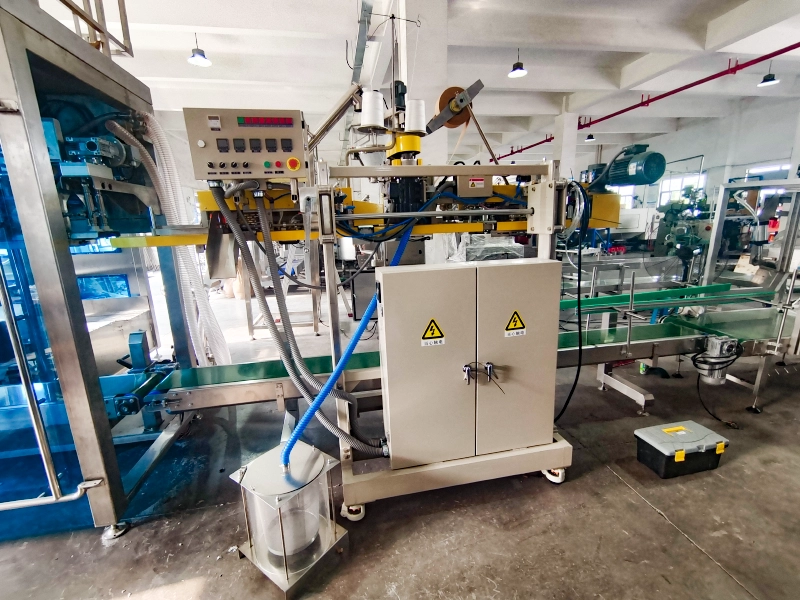
    На фото с автоматической станцией хорошо читаются два практических решения: контрольная часть вынесена отдельно, а вакуумная линия помогает держать работу узла под контролем. Это важно для порошковой упаковки, потому что в конце линии оператору нужна не сложная логика, а понятная механика — чтобы мешок пришёл, был удержан и передан дальше без лишних остановок.

    Именно поэтому Mipline в таких проектах выбирают не за «красивую подачу», а за рабочую связку: подача, фиксация, переход и дальнейшая передача на следующий этап.

    Real factory shot of a Mipline automatic bagging station with conveyor, control cabinet, and vacuum hose
    Автоматическая станция с конвейером, шкафом управления и вакуумной линией подтверждает, что узел рассчитан на стабильную работу в составе всей линии.

    Итог для линии клиента

    Для белорусского производителя порошка результат был в том, что мешок перестал зависеть от ручной поправки на переходе. Линия стала вести пакет ровнее, участок прошивки получил более чистую подачу, а оператор — меньше лишних движений у транспортного узла. В таких проектах это и есть основной выигрыш: не абстрактная автоматизация, а конкретный участок, где Mipline убирает нестабильность и делает упаковку повторяемой от мешка к мешку.

  • Bulk Products Bagging Line: Keep the Sack Square Before Stitching

    Bulk Products Bagging Line: Keep the Sack Square Before Stitching

    Bulk materials packaging line

    PPLINE / Russian project context

    When a bag leaves the filling point already skewed, the stitching head, conveyor transfer, and palletizing team all inherit the same problem. This article shows how a purpose-built bulk bagging line keeps the bag square from the hopper to the sewing station.

    Bulk materials bagging line with hopper, HMI touchscreen, and sewing unit
    Integrated bagging equipment for bulk products that need controlled feeding, stable transfer, and a clean stitching finish.

    Why the old setup fails first

    A typical bulk-products plant often starts with a simple hopper, a manual bag correction point, and a stitching operator standing too far downstream. The result is familiar: the bag mouth arrives twisted, the product settles unevenly, the bag drifts on the conveyor, and the sewing head has to compensate for a problem it did not create. That is not a stitching problem. It is a transfer problem.

    On higher-output shifts, operators also spend time nudging sacks back into position, which slows the line and adds avoidable handling. For materials such as salt, grains, pellets, or powder blends, even a small misalignment can affect seam quality, presentation, and pallet stability.

    Why PPLINE fits this scenario

    PPLINE is a better fit when the line must do more than simply fill a bag. The line needs to guide product from feed to discharge with enough control that the bag keeps its shape before sewing. The hopper-fed structure gives a stable starting point for dosing, while the elevated frame and conveyor routing help maintain a clean process line. The operator sees the process, but the machine does the alignment work.

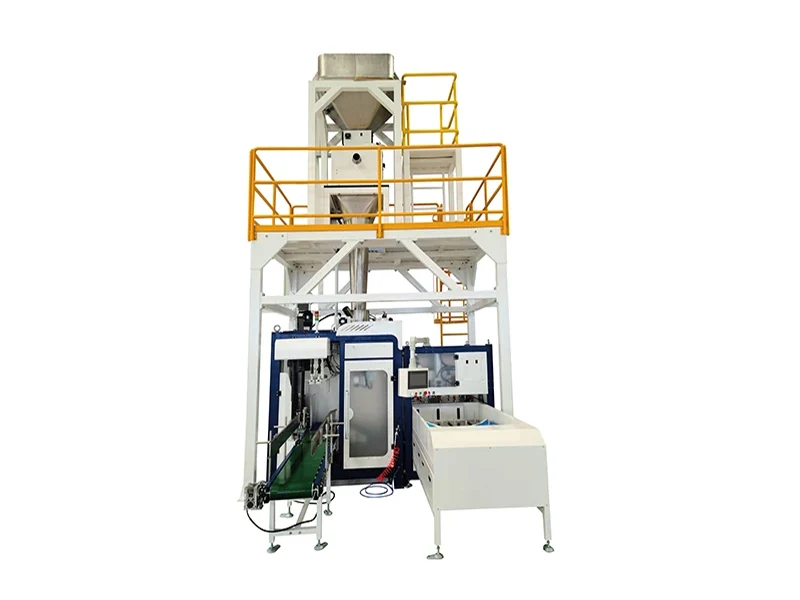
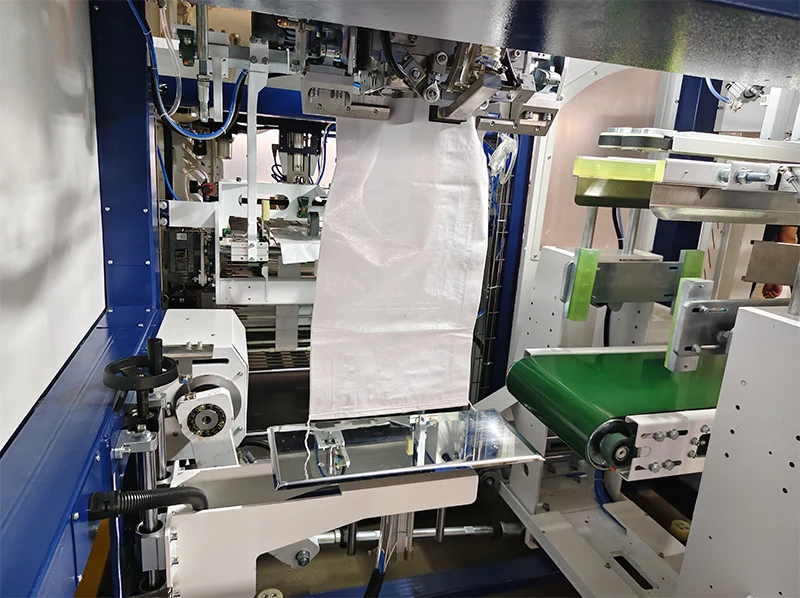
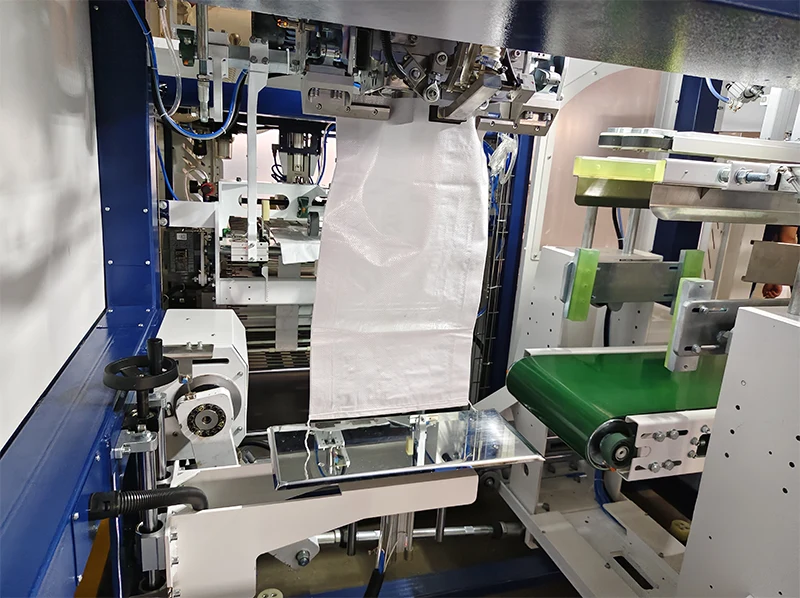
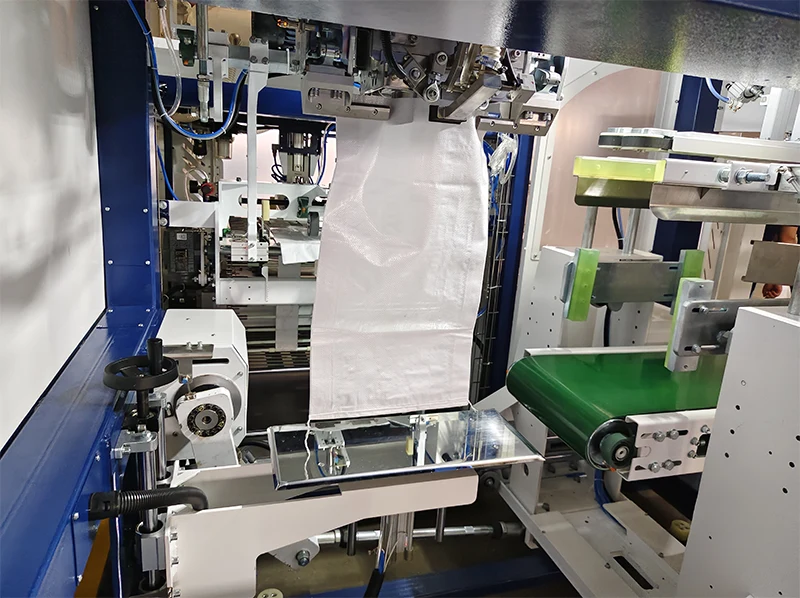
    The image set matters here. The front-view bagging machine shows the hopper feed, the HMI touchscreen, the enclosed structure, and the optional sewing closure. The elevated platform image shows why service access, safe observation, and controlled material movement belong together. The internal close-up proves that the bag is not being guessed into position: vacuum suction cups, a pressing element, and a guided conveyor section are already working on the alignment before stitching begins.

    Image evidence: what each unit is doing

    Structure and parameters that solve the real issue

    Feed pointHopper-fed input keeps material supply consistent and reduces sudden surges.
    Transfer controlGuided conveyor movement and clamping help the sack stay straight before stitching.
    Operator accessElevated frame and service platform allow inspection without interrupting the line.
    Process visibilityHMI control keeps the operator close to the process without forcing manual correction.
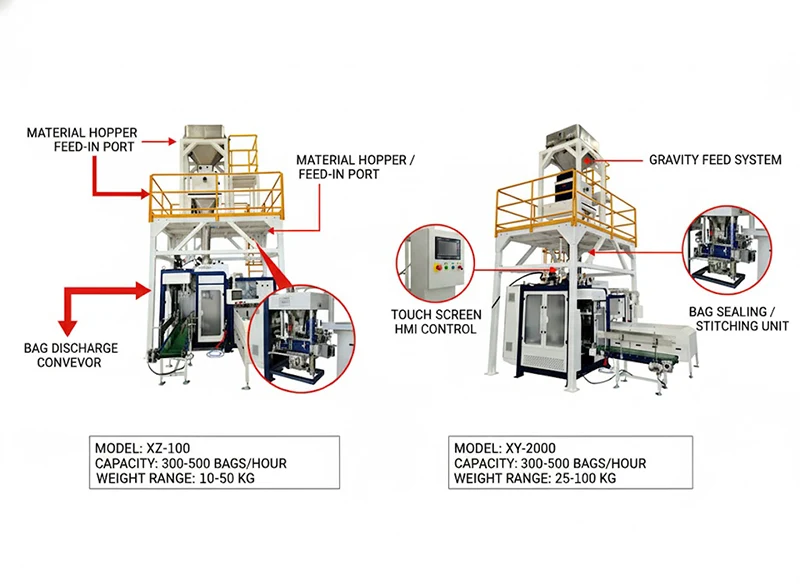
    Throughput fitThe machine family shown in the image set is presented for 10-50 kg and 25-100 kg bulk bagging ranges, with 300-500 bags per hour configurations visible in the indexed materials.

    That last point is important. When the application is bulk products, the line is not just judged by how fast it fills. It is judged by whether the bag arrives to the next station square, stable, and easy to stack. PPLINE’s frame, conveyor direction, and bag-handling logic are built around that requirement.

    Final result at the plant level

    For a Russian bulk-products plant, the practical result is not a fancy headline. It is fewer manual corrections, less seam rework, better bag appearance, and a smoother handoff to palletizing. The line becomes easier to run because the bag is controlled earlier in the process. The sewing operator no longer carries the burden of correcting a bag that arrived crooked.

    In other words: the hopper starts the process cleanly, the frame keeps the path controlled, the conveyor preserves alignment, and the sewing station receives a bag that is already in the right position. That is the difference between a line that merely packs and a line that actually finishes the job well.

    Modular secondary bagging line with accumulation conveyor, bag gripper, and discharge conveyor
    A modular layout can be adapted when the project needs accumulation, bag handling, and discharge coordination in one flow.

    If your bulk-products line is losing time at the transfer stage, the first fix is usually not the sewing head. It is the bag path before sewing.

    PPLINE is built for that exact problem.

  • PPLINE for Bulk Products: Stable Bag Alignment Before Sewing

    PPLINE for Bulk Products: Stable Bag Alignment Before Sewing

    Bulk products | bag transfer before sewing

    Stable bag alignment from hopper feed to the final stitch head

    For a bulk-products plant, the real problem was not filling the bag. It was keeping the bag straight, calm, and predictable in the last meters before sewing. PPLINE is built for that exact handoff.

    The line concept combines controlled feed, guided transfer, clamping support, and a clean discharge path so the operator does not have to rescue every second bag by hand. That matters when the product is dense, the pack weight is high, and the stitching area must stay in position.

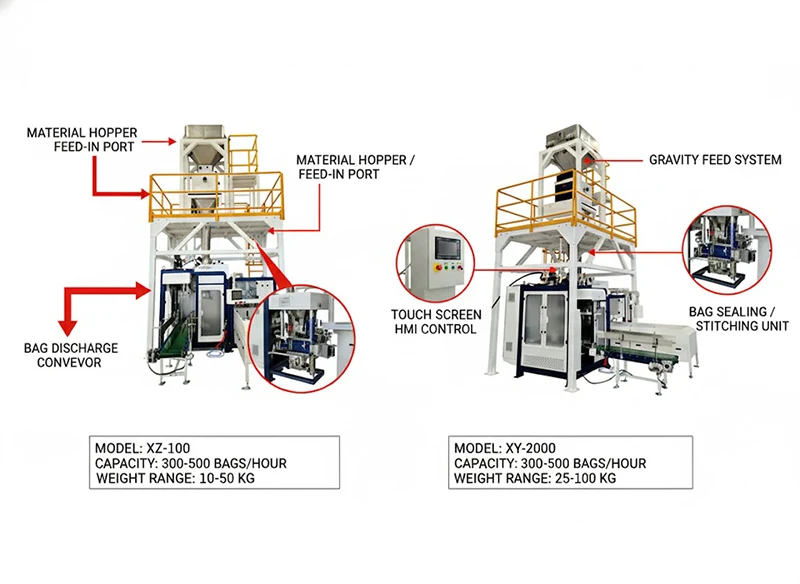
    Automatic bulk bagging line with hopper feed, HMI, and sewing-ready discharge
    The indexed machine set shows hopper feed, gravity dosing, HMI control, and a sealing or stitching unit in one view.

    What usually goes wrong in the old setup

    On older lines, the bag often leaves the filling zone slightly twisted, then drifts again on the short transfer before sewing. The result is familiar: crooked mouths, manual straightening, slower cycles, and a stitch head that works harder than it should.

    In bulk-product packaging, that small instability creates a bigger business cost. The operator slows the line to protect the seam, the transfer conveyor accumulates bags, and the plant loses the smooth rhythm needed for steady output.

    • Bag mouth not centered before the stitch head
    • Product weight and bag inertia pulling the package off line
    • Extra manual correction between filling and sewing
    • Uneven output when the feed path is not buffered

    Why PPLINE fits this job

    PPLINE is a good match when the main requirement is not just packaging, but stable transfer. The indexed equipment set shows a controlled hopper feed, a gravity dosing / filling concept, a guided discharge conveyor, and a bag-handling zone designed to keep the bag position predictable.

    The 1 (10) image is especially useful here: it shows a machine family rated at 300-500 bags per hour and designed for 10-50 kg or 25-100 kg packs. That is exactly the kind of range where bag handling becomes a mechanical problem, not a simple filling problem. The line has to hold the bag mouth, keep the bag body level, and hand it off without introducing twist.

    That is why the structure matters. A stable hopper feed keeps the upstream flow consistent. The transfer zone reduces shock. The clamp and support zone takes the load off the seam area. Together, these features reduce rework and let the plant keep its target cadence.

    Structure, parameters, and image evidence

    ImageWhat it provesWhy it matters for the line
    1 (10).webpHopper feed, HMI control, dosing, and sewing-ready dischargeShows the full bagging concept and the operating range of 300-500 bags/h
    2 (11).webpSecondary bagging layout with accumulation belt and discharge conveyorProvides a buffering zone so the bag stays aligned before the next transfer
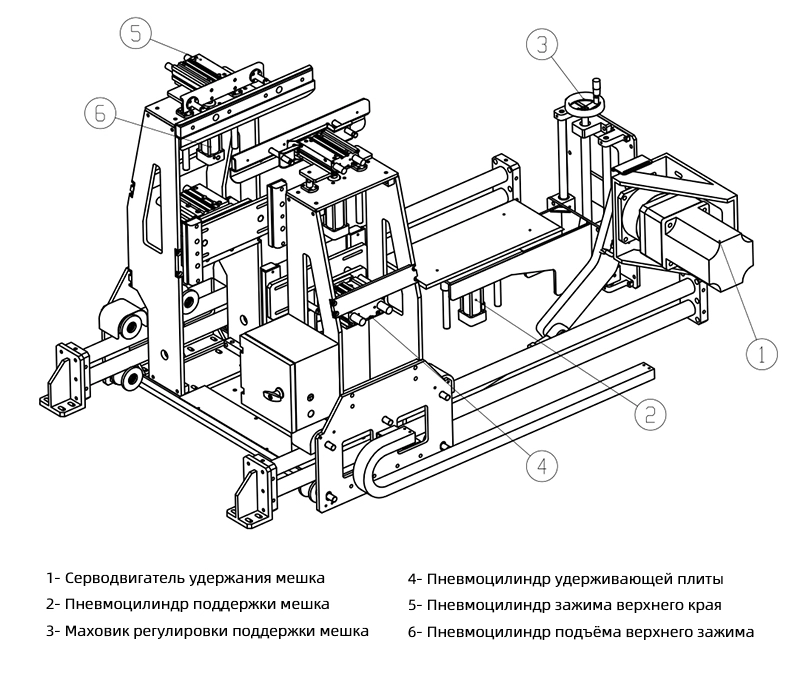
    2 (12).webpBag clamp, bottom support, pneumatic cylinders, and height adjustmentKeeps the bag body and mouth stable during the final positioning stage
    1 (7).webpElevated platform, hopper, and inclined conveyor integrationExplains the cleaner feed path and the practical maintenance access
    2 (17).webpRunning line with conveyor transport, operators, and palletized sacksShows the final plant result: steady output and less manual rescue work
    Modular secondary bagging line with alignment belt and discharge conveyor
    Bag clamping and bottom support unit for stable feed before sewing
    Elevated platform with hopper and inclined conveyor for continuous packaging

    Result: a cleaner final handoff and a steadier shift

    When the plant stops fighting bag twist at the end of the line, sewing becomes more consistent, the operator intervenes less, and the conveyor can run at a more stable pace. That is the practical value of PPLINE for bulk products: not just moving product, but protecting the last handoff before the seam.

    The indexed running-line photo confirms the result in real plant conditions: bags move, pallets accumulate, and the flow stays organized without turning every package into a manual correction task.

    Request a PPLINE layout review

    Operational bulk-products packaging line with bag transport and finished pallet output
  • PPLINE for Bulk Products: Cleaner Handoff Before Sewing

    PPLINE for Bulk Products: Cleaner Handoff Before Sewing

    Bulk-products packaging line case

    A Russian bulk-products plant needed a steadier handoff before the sewing station. The main pain was bag skew, unstable discharge, and too much manual correction after filling. PPLINE solves that by keeping the bag controlled from the hopper side through the conveyor discharge and into the sewing head.

    Internal close-up of vacuum suction cups and bag positioning arm on a bulk-packaging unit
    Bag control starts at the internal gripping and positioning stage, not at the sewing head.

    What was wrong with the old setup

    The customer was working with loose, flowable material and woven bags that had to stay straight until stitching. On the old line, the bag often arrived slightly twisted, the discharge point was not stable enough, and operators had to fix alignment by hand. That created three repeat problems: lower throughput, inconsistent sewing quality, and more wear on the crew.

    • Bag mouth position changed during transfer.
    • Operators had to touch the bag before sewing.
    • Unstable discharge made the sewing station work harder than it should.

    Why PPLINE fits this job

    PPLINE is a good fit when the line needs more than basic filling. The value is in the handoff logic: material comes from the hopper and dosing side, the bag is supported and guided, then the outfeed section keeps it aligned for the next operation. That is exactly what a sewing-oriented bulk-products line needs.

    Instead of treating packaging and sewing as two separate problems, PPLINE treats them as one continuous transfer problem. That is why the layout shown in the product photos matters: you can see the control cabinet, the conveyor path, the enclosed machine body, and the maintenance access points that keep the line stable in real production.

    Structure and evidence from the images

    Isometric QZK-1200 bagging machine with HMI touchscreen and outfeed conveyor
    The HMI, bagging body, and outfeed conveyor show a line designed for controlled transfer.
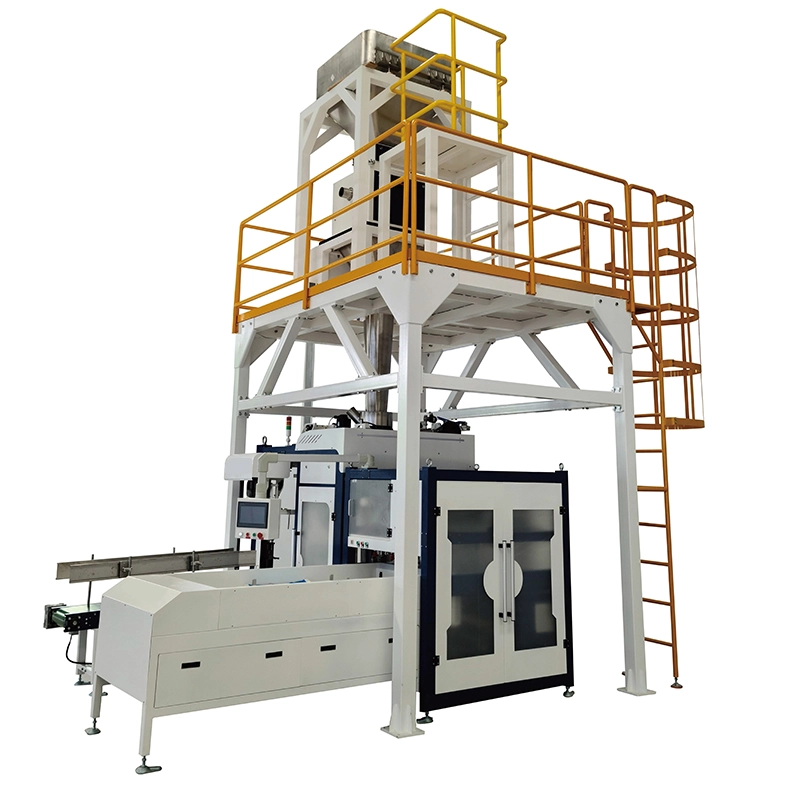
    Front view of QZK-1200 automatic bagging machine with steel platform and safety cage ladder
    The steel platform and safety cage keep the operator access point organized and safe.
    High-angle operational view of QZK-1200 bagging plant with silos, conveyors, and pallet handling
    The full plant view shows how storage, transfer, and pallet handling connect in one layout.

    What in the structure solves the problem

    Line elementWhat it doesWhy it matters for sewing
    Hopper and dosing sectionKeeps feed steady before dischargePrevents bag motion from becoming random at the exit
    Enclosed main bodyProtects the transfer pathReduces manual correction and keeps the bag path more predictable
    HMI touchscreenGives the operator direct controlMakes changeover and line tuning faster when bag behavior changes
    Outfeed conveyorMoves the filled bag in a straight lineHelps the bag reach the sewing station square and ready to stitch
    Steel platform and safety accessKeeps maintenance practicalSupports stable uptime, which matters more than a pretty demo layout

    What changed after the line was matched to the job

    Once the line was organized around controlled transfer instead of loose discharge, the plant got a cleaner bag handoff, less need for manual bag straightening, and more stable sewing quality. The main gain was not only speed. It was consistency. For bulk products, consistency is what protects the downstream station, keeps labor under control, and makes the line easier to run shift after shift.

    That is the real reason this PPLINE setup works for the customer scenario: it turns a difficult bag-transfer problem into a controlled packaging process with clear mechanical support, visible operator access, and a discharge path that is easier to trust.

    Need the same kind of handoff stability?

    If your bulk-products line has the same issue before sewing, we can match the layout, transfer method, and operator access to your material and bag format.

    Talk to BPMPack about PPLINE

    Operating bagging station with conveyor discharge and operators stacking sacks
    Live production is the final test: stable discharge, orderly stacking, and fewer corrections.
  • PPLINE for Bulk Products: Stable Bag Transfer Before Sewing

    PPLINE for Bulk Products: Stable Bag Transfer Before Sewing

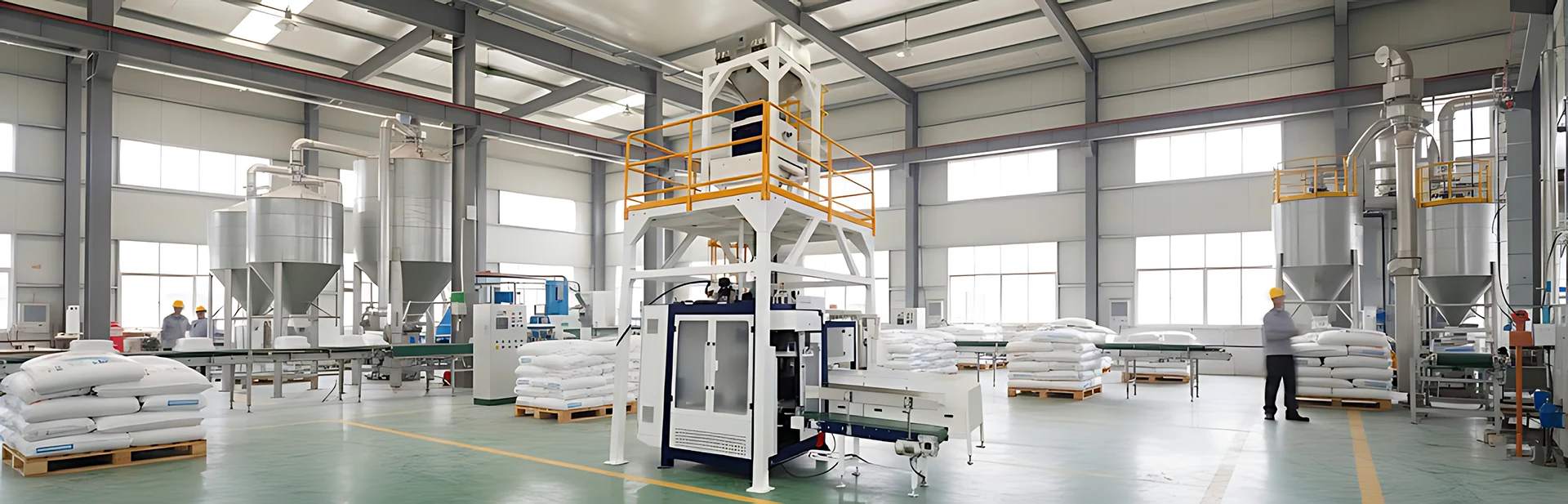
    PPLINE bulk products line with stainless silos, conveyor, and bag stitching load point

    PPLINE for bulk products

    When a bulk-product plant needs bags to stay straight before sewing, the real problem is rarely the sewing head alone. The issue is the handoff: feed, buffering, alignment, and transfer stability. PPLINE is built to keep that handoff controlled from the hopper to the discharge point.

    What the old method was doing wrong

    In many lines for сыпучих продуктов, the first setup is still a mix of manual bag correction and loosely coordinated conveyor movement. Operators pull the bag back into position, the bag mouth twists, the seam drifts, and the line slows down while someone fixes the next problem by hand. That approach can work for a small batch, but it becomes expensive as soon as the plant wants steadier output.

    The customer scenario was familiar: a bulk-material line with a good upstream supply, but inconsistent bag posture at the sewing point. The plant did not need a completely new process idea. It needed a line that could keep the bag flat, aligned, and predictable while moving it from filling to sewing.

    Why PPLINE fits this type of line

    PPLINE is a better fit because it treats the handoff as a mechanical problem, not a human correction problem. The line combines a top hopper feed, an enclosed cabinet section, guided transfer, and a controlled conveyor path so the bag arrives at the next station with less distortion. That matters when the plant wants fewer manual touches and cleaner stitching.

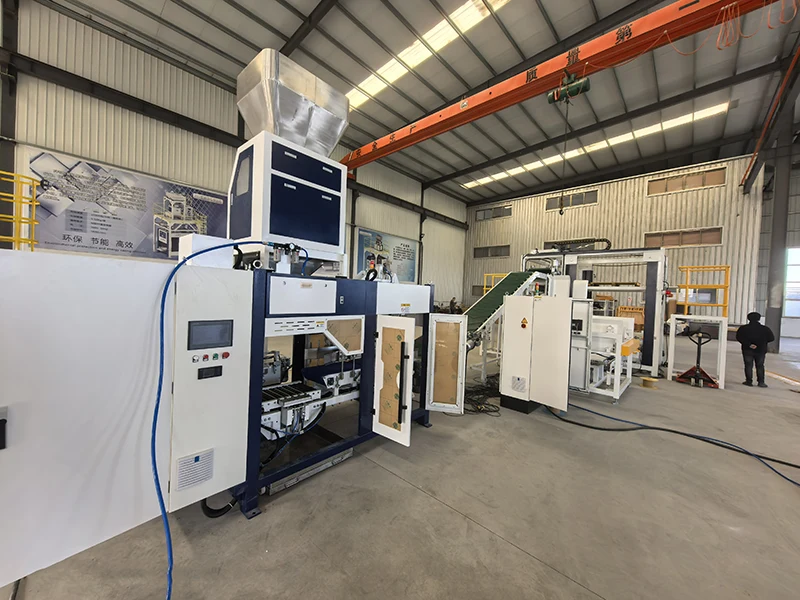
    The machine structure shown in the factory photo is not decorative. The hopper gives the product a stable entry point, the cabinet organizes the working section, and the inclined conveyor keeps material flow moving in one direction. The photo also shows how the line is built around visible maintenance access, which helps operators keep the system in production instead of stopping for every small adjustment.

    Image evidence and what each image proves

    Modular industrial PPLINE line with hopper feeder, control cabinet, and inclined conveyor
    The on-site modular line proves that the transfer path is built as a complete system, not as isolated equipment.
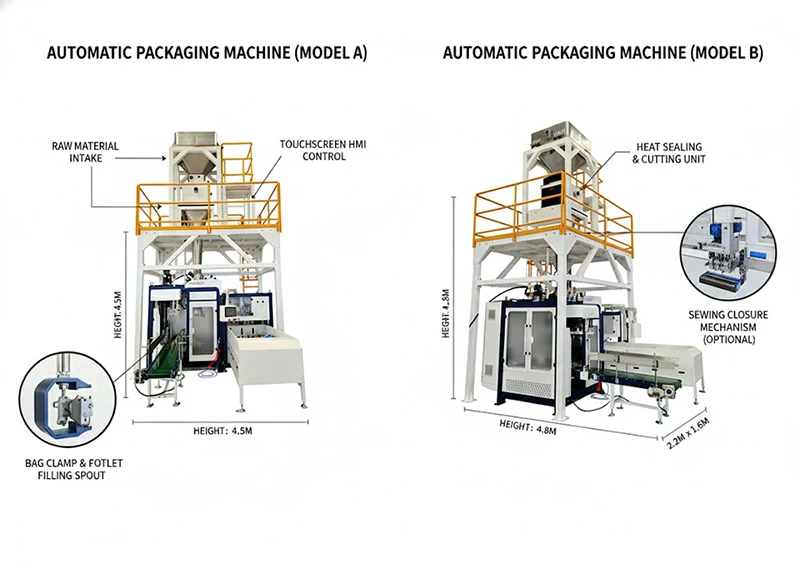
    Automatic packaging machine concept with HMI, heat sealing, and optional bag sewing closure
    The engineering render makes the control logic visible: HMI, sealing, and optional sewing are designed as linked actions.
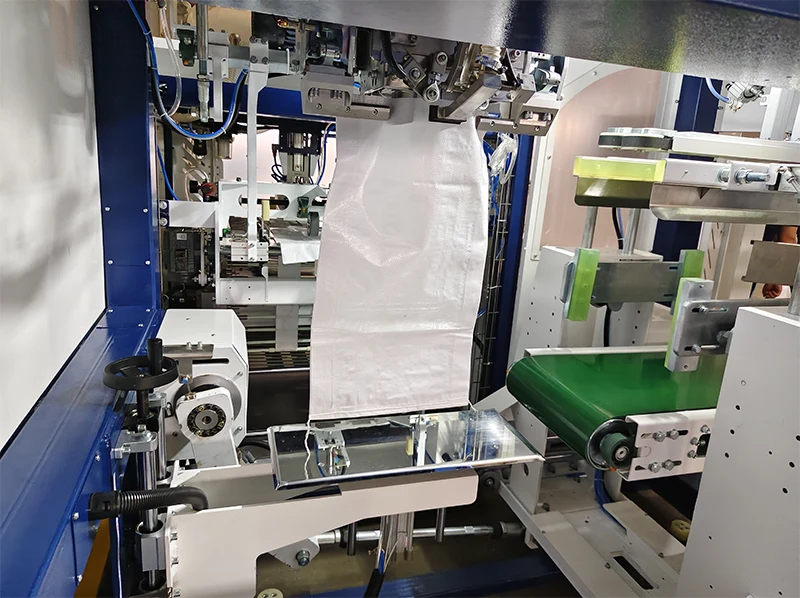
    Close-up of PPLINE bag handling unit with vacuum suction cups, bag press, and green conveyor
    The close-up shows the most important proof point: the bag is held, guided, and pressed before it reaches the sewing point.

    That last detail is what many plants miss. If the bag is not stabilized before sewing, the seam quality becomes a downstream symptom of an upstream alignment issue. PPLINE reduces that risk by keeping the bag supported through the transition zone.

    Structure, function, and practical outcome

    Line elementWhat the image showsWhy it matters in production
    Top hopper feedA stable, centralized feed point above the working sectionReduces random bag handling and keeps material movement organized
    Controlled conveyor transferGuided transport from the processing zone to the next stationKeeps the bag in line instead of letting it skew before sewing
    HMI and enclosureVisible operator interface and enclosed machine bodyMakes line control clearer and maintenance easier for the crew
    Vacuum hold and press sectionVacuum suction cups, bag press, and conveyor coordinationImproves bag posture at the exact moment when sewing quality is decided
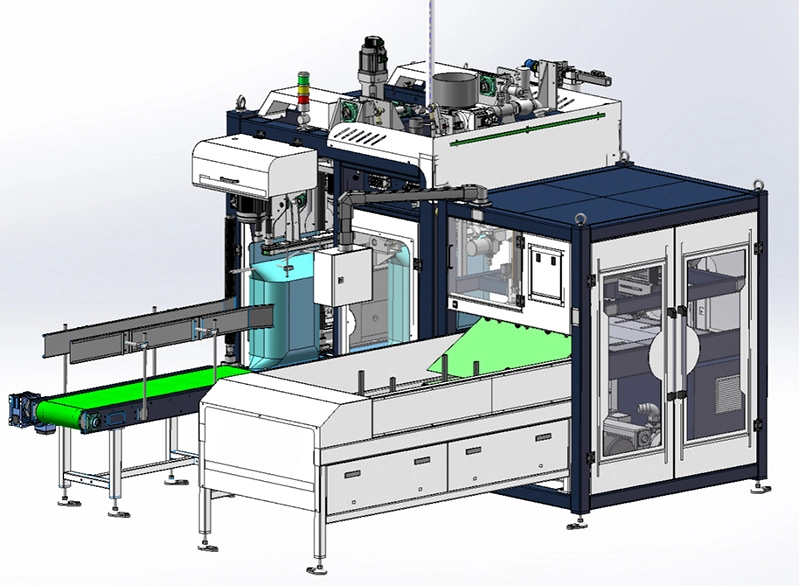
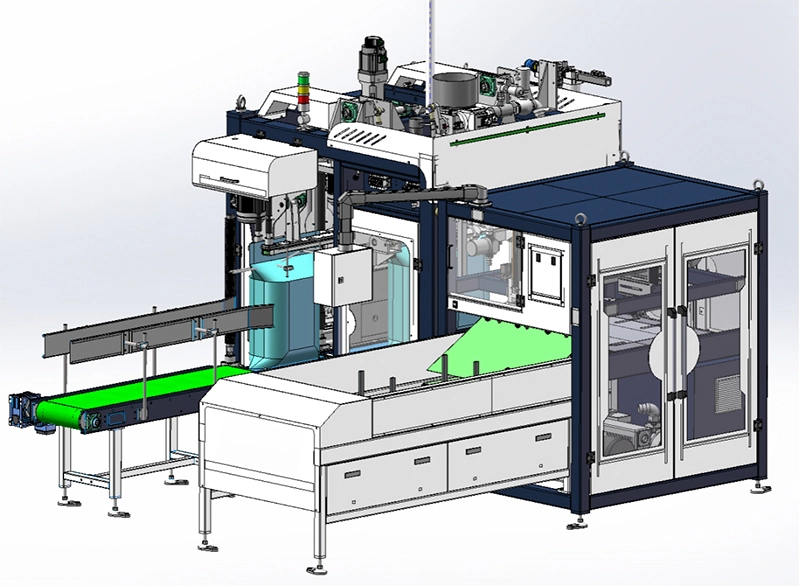
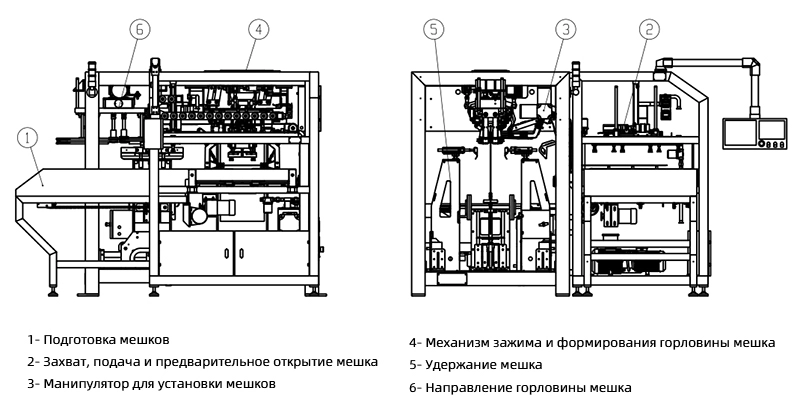
    Technical CAD drawing of an automatic packaging line with accumulation conveyor and bag gripper
    The CAD drawing confirms the line logic before installation: accumulation, gripping, transfer, and release are planned as one sequence.

    Result on the shop floor

    After the line is set up around stable transfer instead of manual correction, the outcome is straightforward: fewer bag twists, fewer last-second adjustments, a cleaner sewing point, and smoother coordination between operators and equipment. That is especially valuable on bulk-product lines where the plant wants repeatable output, not heroic intervention from the crew on every bag.

    For this kind of customer, the benefit is not a single machine headline. It is the way the full PPLINE layout keeps the product moving in a controlled path and gives the sewing station a better starting position. In practice, that means the plant spends less time fixing the bag and more time running the line.

    Need a layout review for your bulk-product line?

    Send us your bag size, target throughput, and the current transfer problem. We will map where the bag loses alignment and show how PPLINE can hold it straight before sewing.

    Request a PPLINE layout check

  • ppline for Bulk Bag Transfer Before Sewing on a Russian Salt Line

    ppline for Bulk Bag Transfer Before Sewing on a Russian Salt Line

    Bulk material line

    How a Russian Salt Plant Kept Bulk Bags Straight Before Sewing

    On a bulk-material line, the real trouble often starts after filling, not before it. When a woven bag comes out of transfer with a twist, the sewing head has to fight the bag instead of closing it cleanly. This project shows how ppline-style bag handling helps a salt plant keep the bag upright, aligned, and ready for a stable stitch.

    High-angle operational photo of QZK-1200 bagging plant featuring twin stainless steel storage silos, conveyors, and active forklifts.

    What the customer was dealing with on the line

    The customer was not asking for a cosmetic upgrade. The real need was simple: move bulk-filled bags from the filling area to the sewing point without introducing a twist, a side pull, or a dropped edge. In a salt plant, the material is heavy, the bags are coarse woven polypropylene, and the work area is usually busy with pallets, forklifts, and operators who must keep the flow moving.

    When the transfer is unstable, the sewing operator has to reposition every bag by hand. That slows the line, increases stitching errors, and raises the chance of damaged bag mouths. ppline fits this scenario because it is built as a stable bag-handling line, not just a filler. The line structure keeps the bag supported through the transition, so the bag reaches the sewing point in a controlled position instead of drifting across the conveyor.

    Close-up internal photo of bagging unit with vacuum suction cups, robotic placing arm, green conveyor, and white woven bag.
    Pain point: bag twist before sewing

    The common failure is not the filling itself. It is the handoff. If the bag mouth is not held firmly, the woven sack can rotate as it leaves the filling zone, the top edge can fold unevenly, and the sewing operator ends up correcting the same mistake again and again.

    Why ppline matches this bulk-material bagging job

    The first match is mechanical stability. The line shown in the site photos combines a rigid steel frame, elevated working platform, conveyor sections, and a controlled discharge path. That matters because a bag that is still carrying product mass needs support from below and guidance from the side. The second match is the visible bag control point: the internal close-up shows vacuum suction cups, a robotic placing arm, and a green conveyor working together to keep the sack aligned.

    For a salt application, that combination is more valuable than raw speed alone. Salt bags are dense and abrasive in daily handling, so the line must reduce unnecessary drop, slide, and re-grip actions. ppline solves that by giving the operator a cleaner handoff window. The bag does not need to be dragged into position by force; it is already presented in a better sewing orientation, which improves seam consistency and reduces rework downstream.

    bpmpack Engineering Insight: On bulk-material packaging lines, the most expensive seconds are the ones spent correcting a bad bag angle. A stable transfer path, positive bag support, and a visible alignment zone usually improve sewing quality more than simply increasing conveyor speed. That is why the best line layout is the one that protects the bag mouth before it reaches the stitching head.

    Structure evidence and the outcome on the floor

    The photos give the structure evidence clearly. In the wide operational view, the line sits inside a real plant environment with silos, conveyors, and forklift traffic, which confirms that the system is built for continuous industrial use rather than a showroom demo. In the close-up image, the core handling zone is visible: suction, placement, and guided transfer are doing the work before the bag reaches the stitching point.

    The result is a cleaner bag posture at the sewing station. Operators spend less time straightening sacks, the seam line becomes more consistent, and the whole end-of-line flow is easier to manage around palletizing and warehouse movement. For a salt plant, that means fewer stoppages caused by bag correction, better use of labor, and a packaging line that keeps moving even when the floor is busy.

    Observed issueppline responsePractical result
    Bag mouth twists before sewingControlled handoff and guided bag positioningStraighter bags at the stitching head
    Operator corrects every sack by handVacuum-assisted placement and conveyor supportLess manual rework and less downtime
    Busy floor with forklifts and palletsRigid frame and organized transfer pathMore stable flow in a real plant layout
    Inconsistent seam qualityBag stays aligned before closureMore repeatable sewing quality

    Need a cleaner bag handoff before sewing?

    If your bulk-material line is losing time on bag straightening, ppline can be configured around the handoff point first, not only the filling point. That is usually where the gain shows up fastest: fewer corrections, steadier sewing, and a more predictable packing rhythm.

    Talk to bpmpack about your line layout