Automatic Bagging Machine & Palletizing Systems Manufacturer

Category: English

  • Mipline Powder Packaging Line for Keeping 25 kg Milk Powder Bags Square Before Sewing

    Mipline Powder Packaging Line for Keeping 25 kg Milk Powder Bags Square Before Sewing

    Powder Packaging Line

    Mipline for Keeping 25 kg Milk Powder Bags Square Before Sewing

    A Belarus dairy powder producer needed a cleaner powder packaging line that could reduce manual bag straightening, improve bag handoff before sewing, and keep 25 kg kraft paper bags aligned from filling to closure. This Mipline automatic powder bagging machine combines an enclosed stainless steel bagging station, guided conveyor transfer, and stable roller handoff to support milk powder packaging, flour bagging, and other dry powder packaging equipment applications.
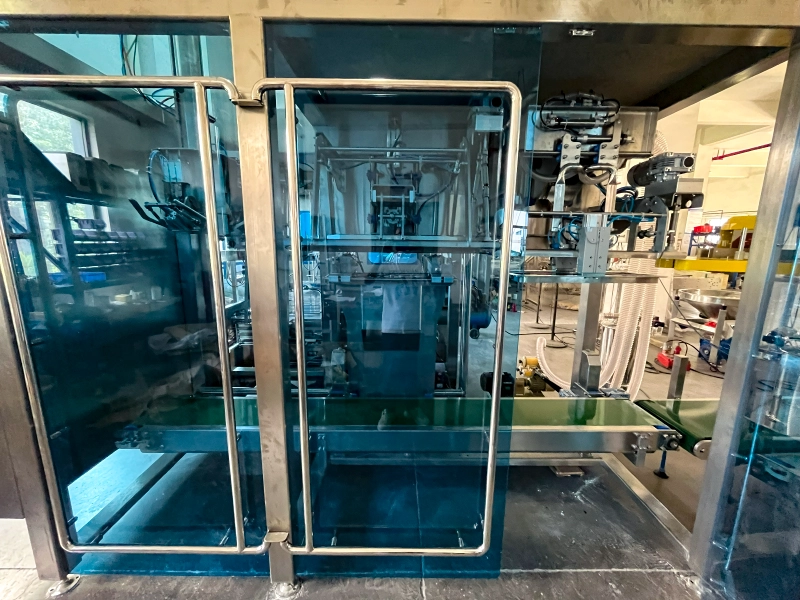
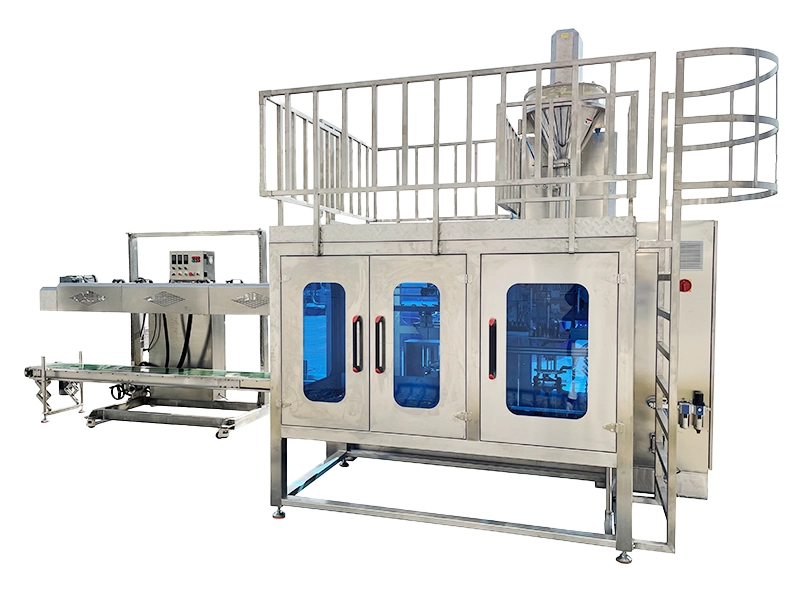
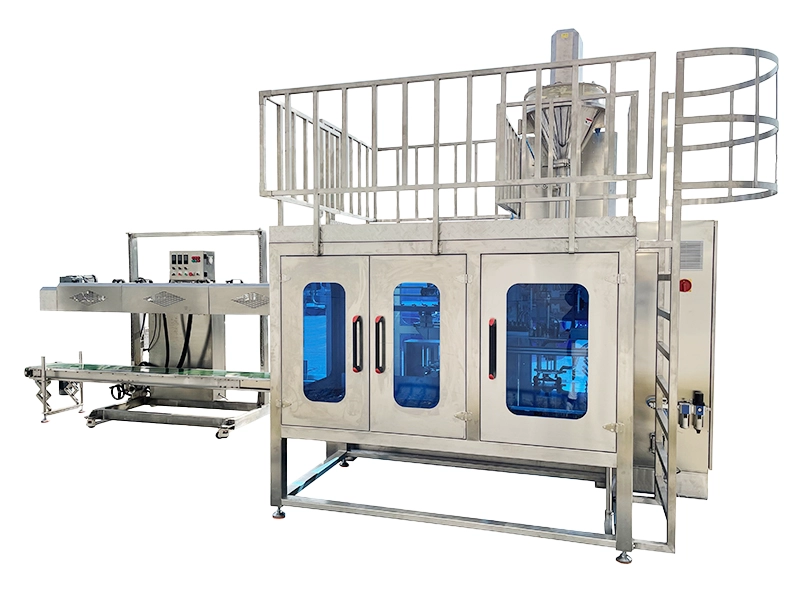
    Mipline powder packaging line with enclosed stainless steel automatic bagging station and green conveyor belt for cleaner 25 kg powder bag handoff before sewing

    A dairy powder plant needed a calmer last meter before sewing

    In this project, the end user was a Belarus dairy powder manufacturer running 25 kg paper bags on a powder bagging line. The plant was not looking for a generic automatic bagging machine for powder. It needed the final part of the line to behave better under real production conditions. Filled bags had to leave the bagging point in a more controlled posture, stay square on the conveyor path, and arrive at the sewing position with less operator correction.

    The main production concern was not only speed. It was transfer quality. When milk powder bags leave filling unevenly, the bag mouth can shift, the body can twist slightly, and the last meter before sewing becomes dependent on manual straightening. That creates inconsistency for the sewing head, adds labor, and makes a clean food-powder workflow harder to maintain. For a dairy plant, a stainless steel enclosed bagging station and a cleaner bag handoff before sewing were therefore more important than a simple machine count or a headline output figure.
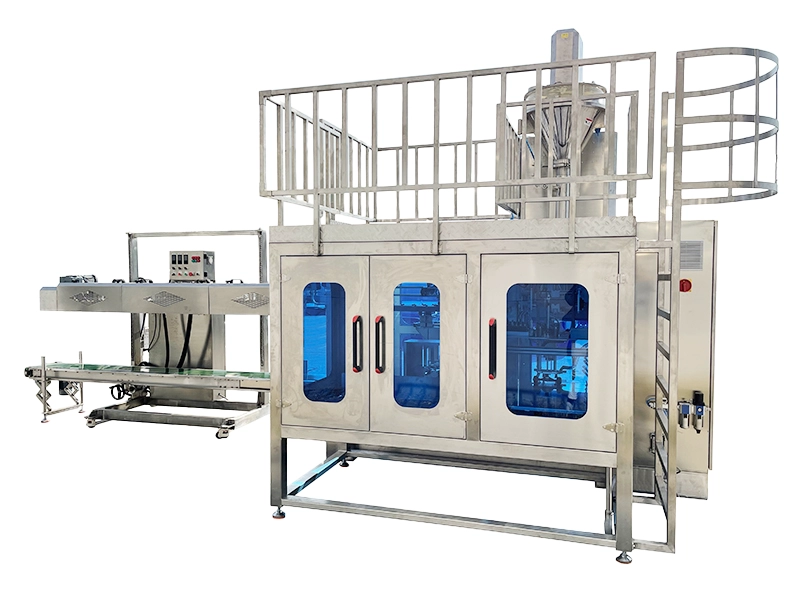
    Enclosed stainless steel powder packaging line with safety doors and conveyor interface for cleaner flour and milk powder bagging flow
    Why older layouts struggle

    In many powder filling and bag sewing line layouts, the bag is technically filled but not fully controlled during the handoff to the next station. The result is a skewed bag mouth, unstable bag transfer before sewing, and repeated manual touch-up by operators.

    Why Mipline matched the application

    Mipline fit this case because its visible line architecture is built around guided transfer, not isolated filling alone. The enclosed stainless steel automatic bagging station gives the line a cleaner outer structure for food-powder production, while the connected conveyor path supports steadier bag movement between bagging and sewing. In practical terms, this is the right direction for a milk powder packaging machine, a flour bagging line, or a starch powder packaging line where bag shape matters after discharge.

    The selected machine sections show why. The line uses controlled bag-feeding and clamping elements, conveyor interfaces, and transfer sections that help the filled 25 kg bag remain supported instead of being dropped into a loose handoff. That is exactly what buyers mean when they ask for stable bag transfer before sewing, cleaner bag alignment before sewing, and reduced manual bag straightening.

    Engineering note: For dry powder packaging equipment, bag posture control is often decided by the transfer path between stations. A cleaner conveyor handoff and a more stable bag clamp alignment can improve the sewing entry condition even before any change is made to the sewing head itself.

    What the machine structure shows in this line

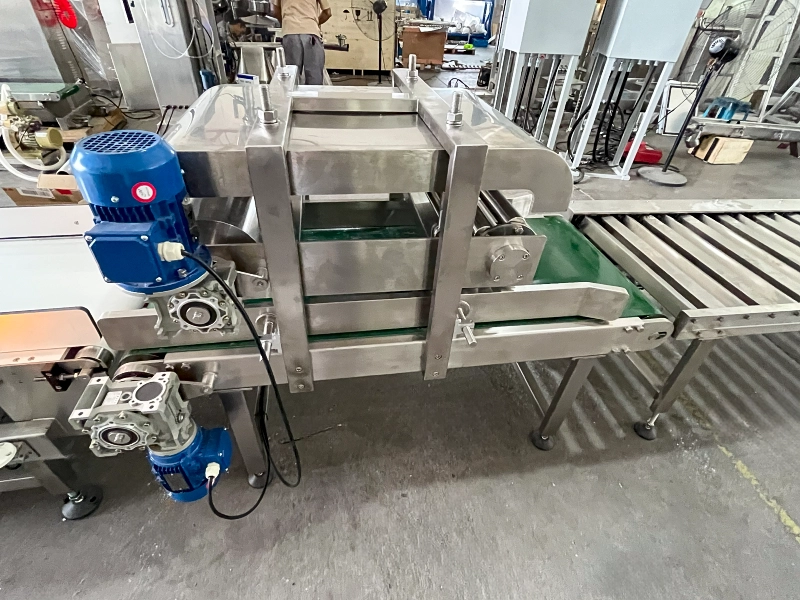
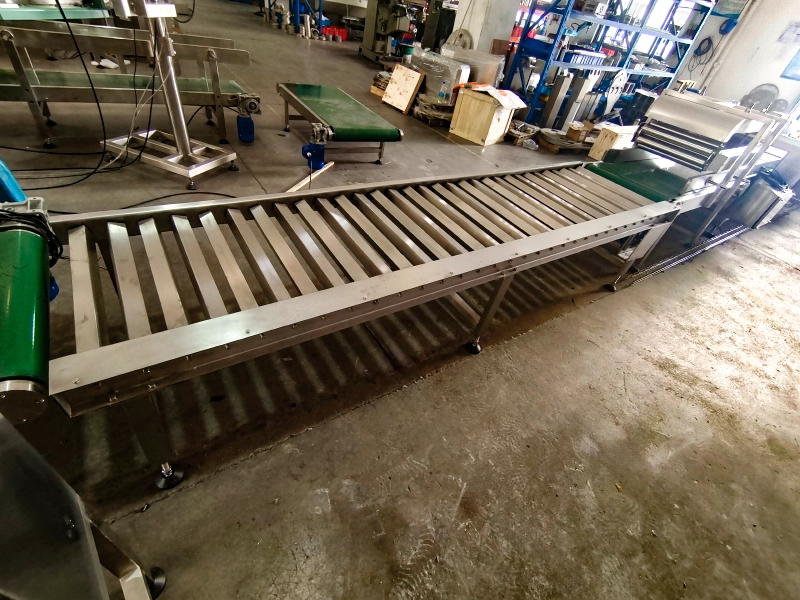
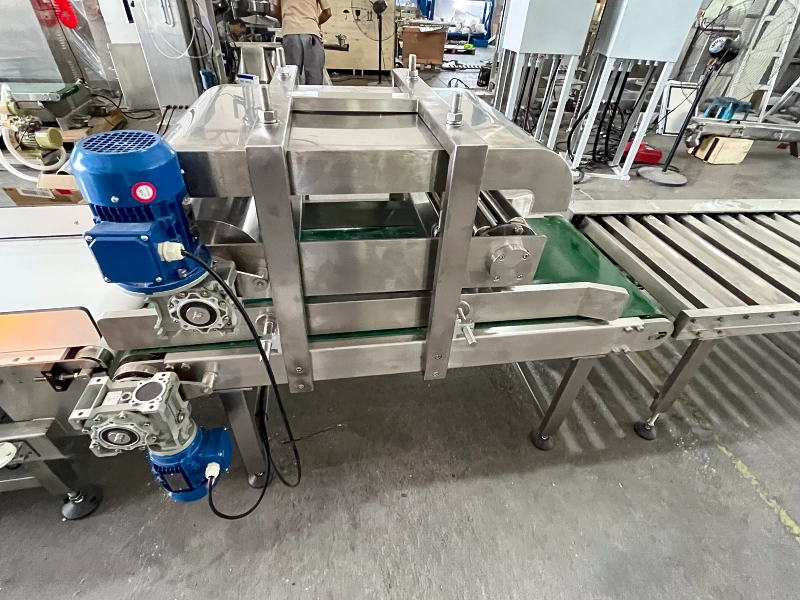
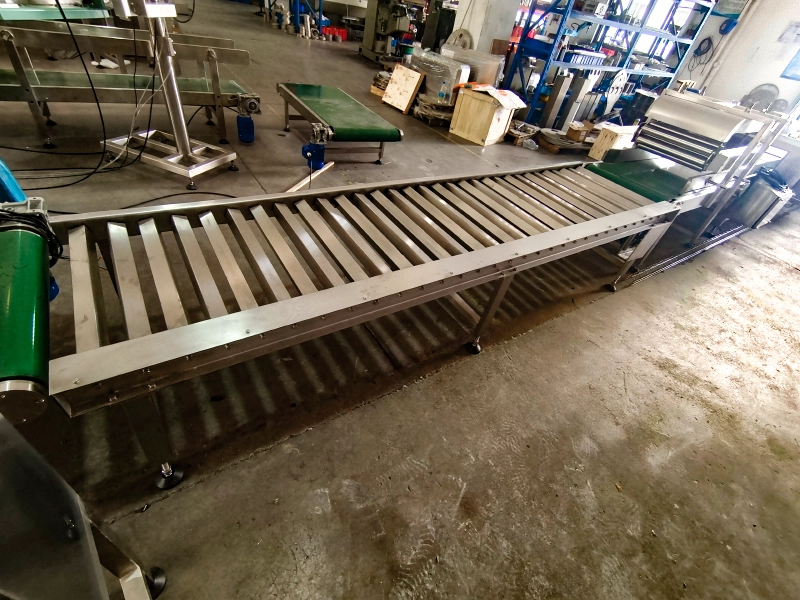
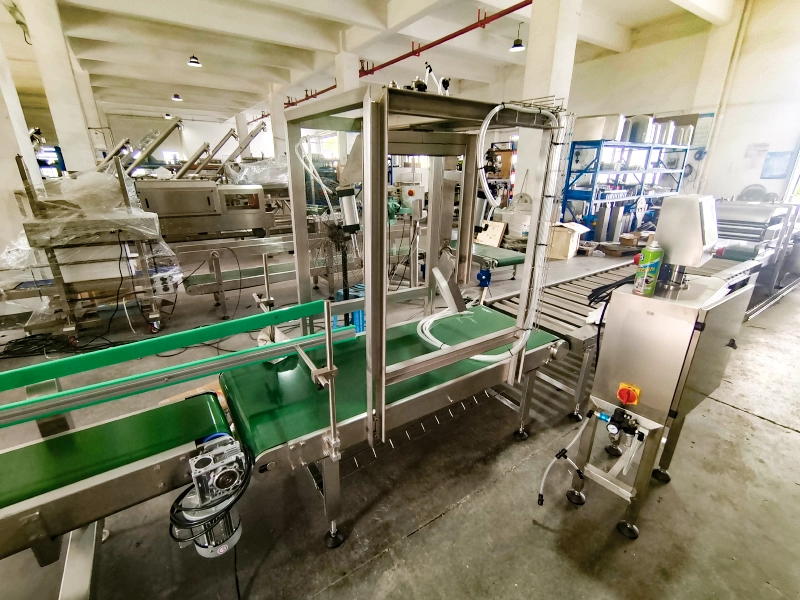
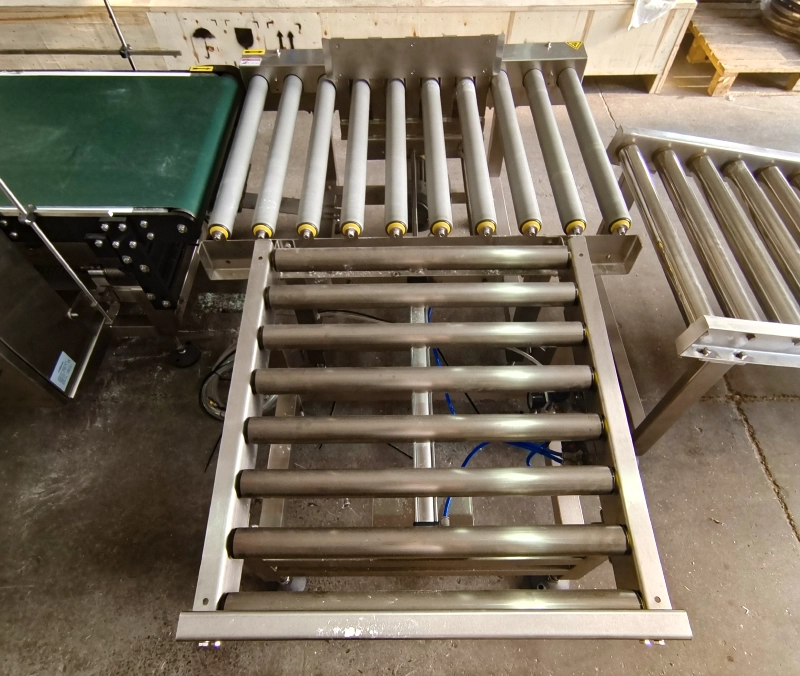
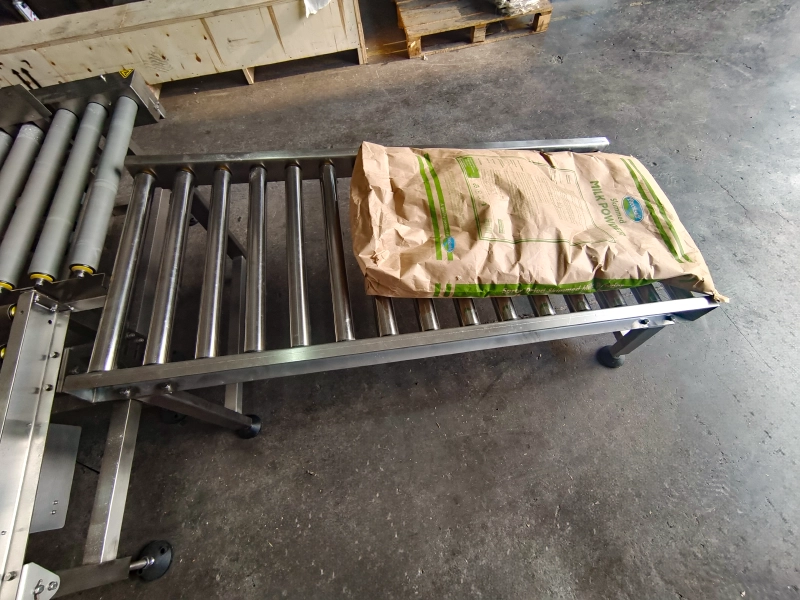
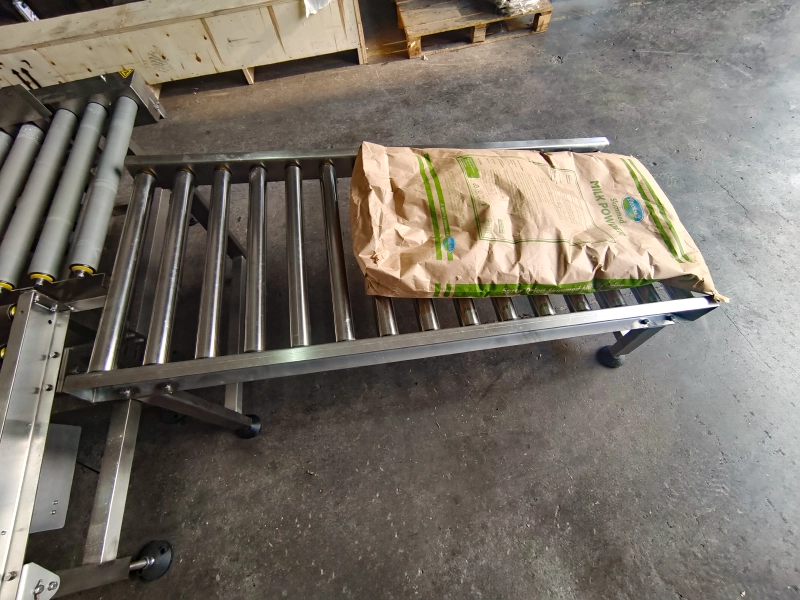
    The machine evidence in this project is direct. One section shows an enclosed automatic bagging station with stainless steel guarding and a green conveyor belt, supporting cleaner operation and easier visual inspection. Another section shows a bag-feeding conveyor with dual gear motors and a clamping frame, which is relevant when the goal is to keep 25 kg dairy powder bags square before sewing. A third section shows a longer roller conveyor transfer path used to maintain guided bag movement instead of allowing the filled sack to yaw or drift during handoff.

    Together, these sections explain why this automatic powder packing machine was suitable for the customer scenario. It is not only a bagging point. It is a coordinated powder packaging line with an enclosed station, guided bag support, and a roller conveyor bag transfer section that helps the sewing stage receive a more consistent bag mouth position. For powder plants packing milk powder, flour, starch, or similar dry products, that combination supports cleaner operation and more predictable downstream closure.

    Visible line elementObserved functionBuyer problem addressed
    Enclosed stainless steel bagging stationProtected bagging zone with inspection accessCleaner transfer between filling, conveying, and sewing in food powder plants
    Bag-feeding and clamping conveyor sectionGuided bag pickup and supported handoffReduce bag collapse and manual bag straightening
    Roller conveyor transfer pathStable bag movement toward the next stationKeep 25 kg bags aligned before sewing
    Integrated conveyor interfacesSmoother station-to-station connectionLower risk of skewed bag mouth arrival at the sewing head
    Automatic bagging machine for powder with bag clamp transfer frame and dual gear motors to keep 25 kg dairy powder bags square before sewing
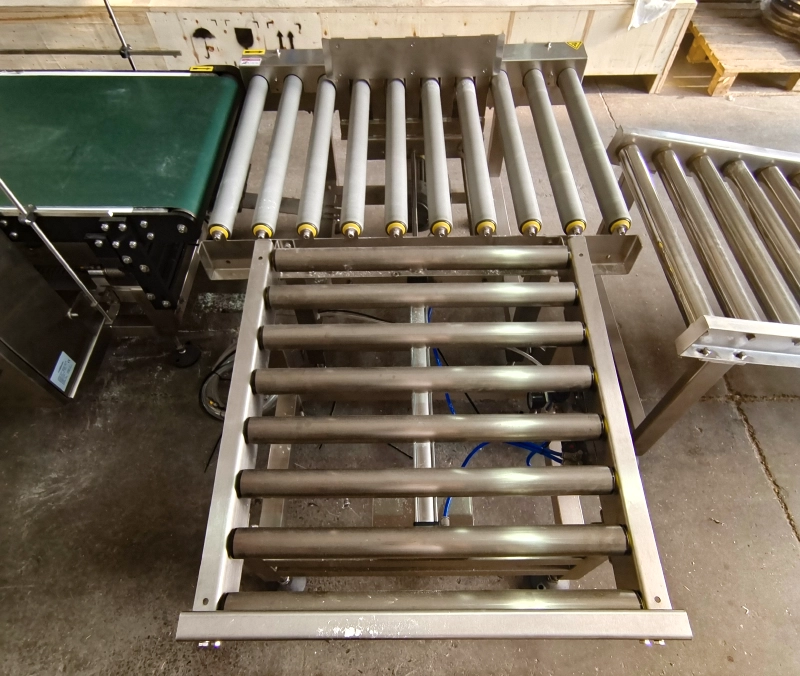
    Roller conveyor bag transfer section on a Mipline powder bagging line for stable guided handoff before sewing

    The result was a better sewing approach condition, not just a new machine

    For this Belarus dairy powder application, the value of Mipline was the way it matched the actual bottleneck: bag handoff before sewing. By using an enclosed stainless steel powder packaging line with guided transfer sections, the plant moved toward a cleaner process, steadier bag presentation, and less dependence on operators to square bags by hand. If your project also needs an automatic bagging machine for powder that connects filling, conveying, and sewing more smoothly, BPM can help configure a Mipline solution around your bag type, product flow, and closure method.

    Talk to BPM about your powder packaging line
  • How a Belarus Dairy Powder Producer Reduced Manual Bag Straightening Before Sewing with Mipline

    How a Belarus Dairy Powder Producer Reduced Manual Bag Straightening Before Sewing with Mipline

    Powder packaging line application

    How a Belarus dairy powder producer reduced manual bag straightening before sewing

    For a Belarus dairy powder producer running 25 kg kraft bags, the main bottleneck was not filling accuracy. It was what happened in the last meters before sewing. Bags arrived skewed, operators had to correct the mouth by hand, and the sewing step lost rhythm. This Mipline powder packaging line solved that transition with a stainless steel enclosed bagging station, guided conveyor handoff, bag clamp alignment, and transfer sections designed to keep bags square before sewing.

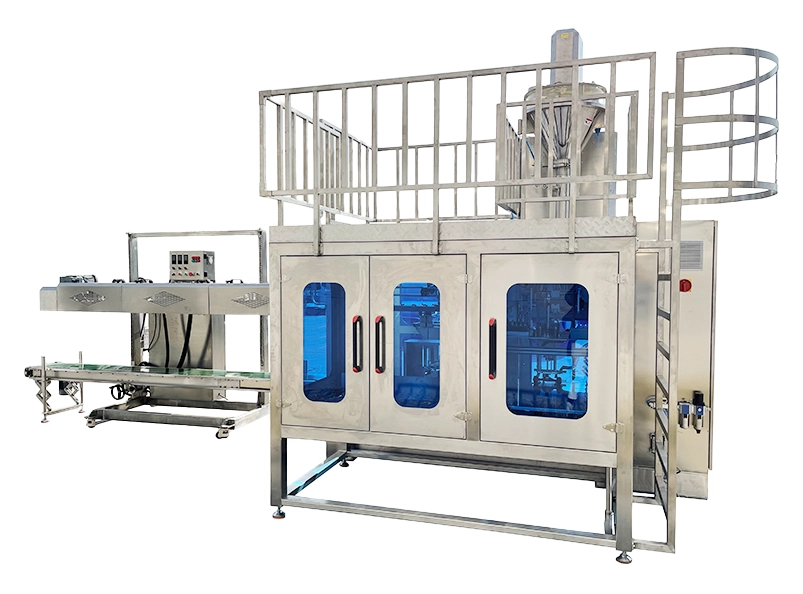
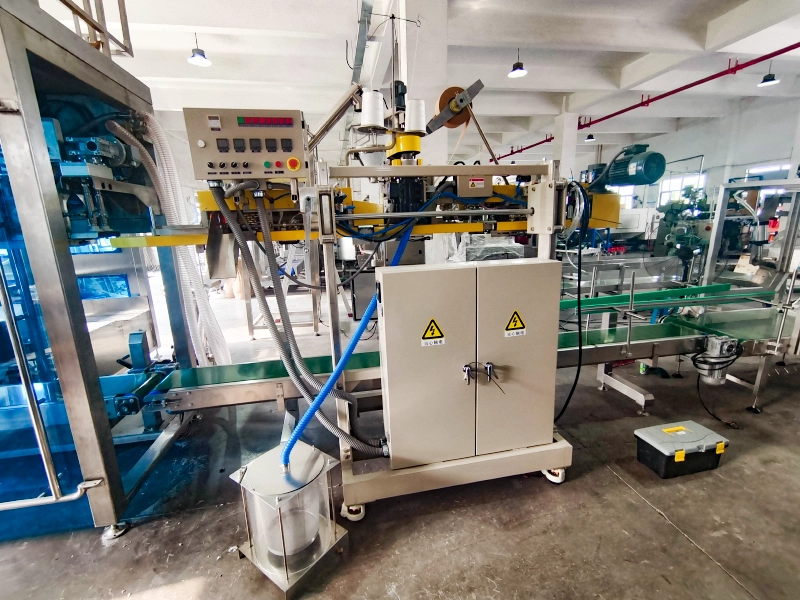
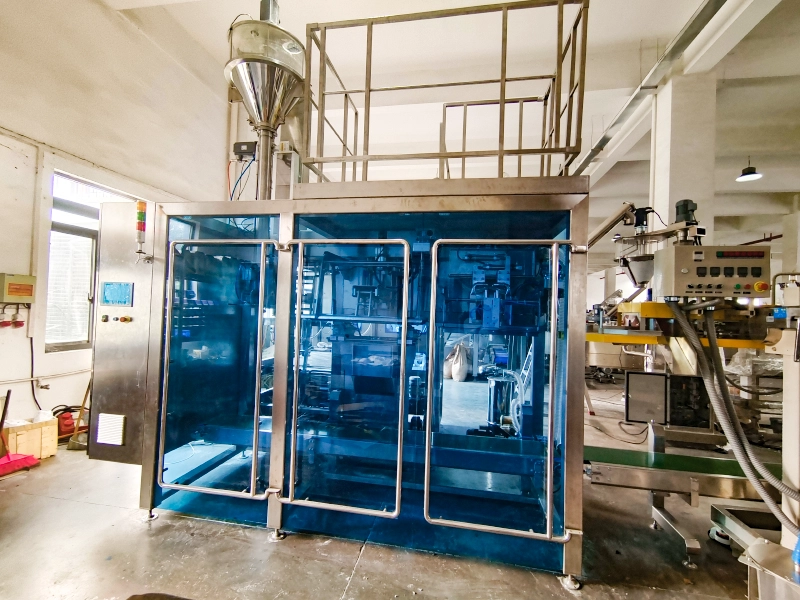
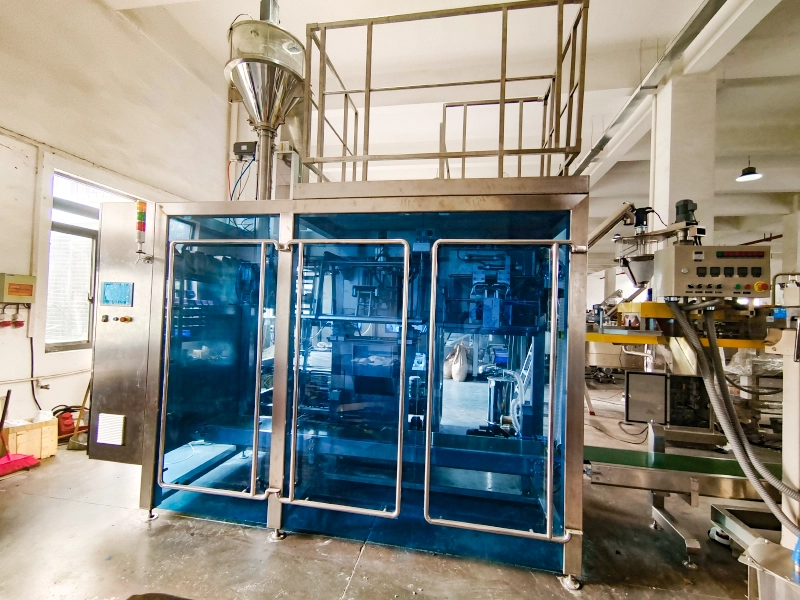
    Stainless steel automatic bagging station with blue safety enclosure, top hopper, and control cabinet for automatic powder packing machine operation

    The production scene: dairy powder filling that needed a cleaner bag handoff before sewing

    The plant was packing dry dairy powder into industrial 25 kg kraft paper bags. In this type of powder bagging line, the filled bag has to leave the bagging point, stay upright, keep the mouth shape stable, and arrive at sewing without collapse or twist. If that transfer is not controlled, the bag mouth reaches the sewing head at an angle, operators intervene, and line consistency falls quickly.

    The target was straightforward: reduce manual bag straightening, improve bag alignment before sewing, and maintain a cleaner transfer path between filling, conveying, and final closing. That is exactly where an automatic powder bagging machine needs more than a filler. It needs a coordinated handoff path.

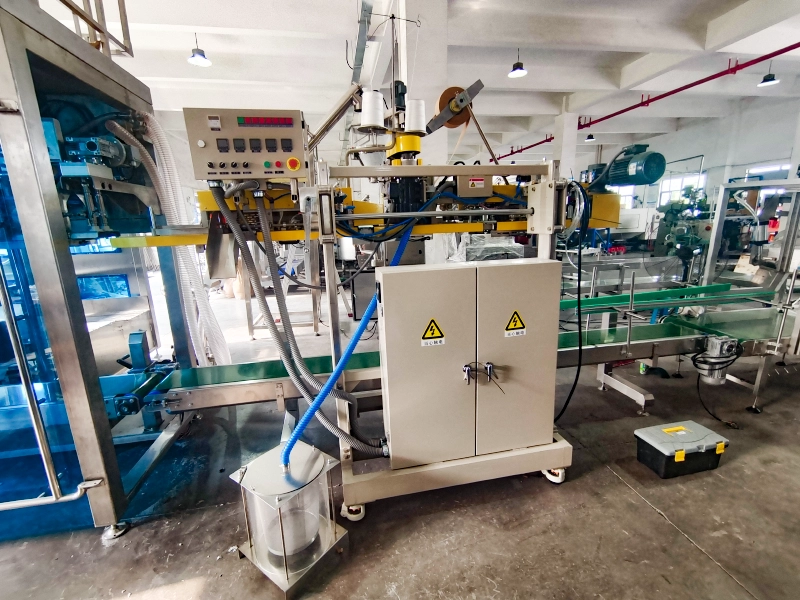
    Real factory shot of a Mipline automatic bagging station with conveyor, control cabinet, and vacuum hose for cleaner 25 kg powder bagging line transfer
    Old line problem

    On the previous setup, the filled bag could rotate or soften during transfer. Operators often had to catch and re-square the bag at the last meter, which made the sewing head less stable and increased labor around the discharge section.

    Why this automatic powder packing machine fit the job

    Mipline matched the application because its visible machine layout is built around stable bag transfer before sewing. The enclosed stainless steel bagging station supports food-powder production requirements, while the guarded access with blue inspection windows gives a cleaner operating zone and easier maintenance visibility. More importantly, the bag does not leave the filling point into an uncontrolled gap. It moves into guided transfer hardware designed for alignment.

    The line combines bag clamping, conveyor guidance, and controlled handoff between modules. For a dairy powder bagging line, that matters more than headline speed alone. The line has to keep 25 kg bags square before sewing, not just move them forward. The result is a more repeatable bag mouth position and less dependence on manual correction.

    Engineering note: In powder filling and bag sewing line projects, the most common instability appears between discharge and sewing. Guided conveyor handoff and bag clamp alignment reduce bag twist before it becomes a sewing problem.

    Structure and image evidence from the line

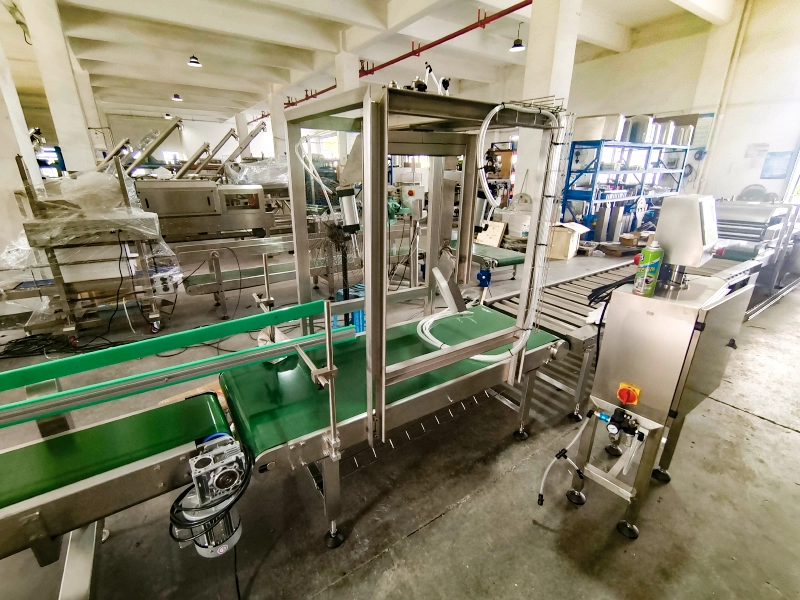
    The machine evidence is clear in the selected images. The enclosed stainless steel automatic bagging station shows a food-oriented structure with safety enclosure, top hopper, and control cabinet integration. The second transfer image shows a roller conveyor carrying a kraft paper bag in a controlled position, which is the physical basis for steadier bag handoff before sewing. The third image adds a stainless steel bagging conveyor line with green belts and vertical guide frame, showing how the bag is supported and guided instead of drifting freely.

    For this type of flour bagging line, starch powder packaging line, or milk powder packaging machine project, those structural details are not cosmetic. They answer specific buyer problems: cleaner bag alignment before sewing, reduced manual bag straightening, and a more stable arrival to the closing step. The combination of stainless steel enclosed bagging station, roller conveyor bag transfer, and guided belt sections creates a more disciplined movement path for filled bags.

    Observed line elementVisible evidenceOperational value
    Enclosed bagging stationStainless steel body, blue safety enclosure, control cabinetCleaner powder packaging environment and guarded operation
    Bag transfer sectionRoller conveyor carrying 25 kg kraft bagStable bag transfer before sewing with less collapse and twist
    Guided conveyor handoffGreen belts, vertical guide frame, controlled passageKeep 25 kg bags square before sewing and reduce manual straightening
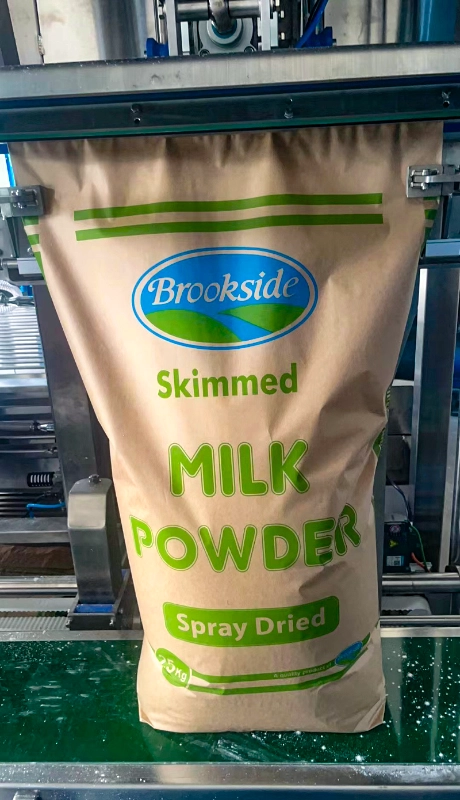
    Stainless steel roller conveyor with kraft paper bag used for stable bag handoff before sewing on a 25 kg powder bagging line
    Stainless steel bagging conveyor line with green belts and vertical guide frame for cleaner bag alignment before sewing

    The result: steadier sewing input and less operator correction

    For this Belarus dairy powder application, the value of the Mipline powder bagging line was practical and measurable at floor level: a cleaner bag handoff before sewing, a straighter bag mouth, and less operator involvement at the end of the line. If your product is milk powder, flour, starch, or another dry powder packed in 25 kg industrial bags, BPM can configure an automatic bagging machine for powder that links filling, transfer, and sewing into one more stable packaging workflow.

    Talk to BPM about your powder packaging line
  • Mipline Powder Packaging Line for Stable 25 kg Bag Transfer Before Sewing in a Belarus Dairy Plant

    Mipline Powder Packaging Line for Stable 25 kg Bag Transfer Before Sewing in a Belarus Dairy Plant

    Powder Packaging Line for Dairy and Food Plants

    Mipline Powder Packaging Line for Stable 25 kg Bag Transfer Before Sewing in a Belarus Dairy Plant

    A Belarusian dairy powder producer needed a cleaner powder bagging line after the last meter before sewing kept forcing manual bag straightening. This Mipline powder packaging line uses a stainless steel enclosed bagging station, bag clamp alignment, roller conveyor bag transfer, and twin-belt guided handoff to keep 25 kg milk powder bags square before sewing and reduce unstable bag mouth arrival at the sewing head.

    Stainless steel automatic bagging machine with blue inspection windows and bag magazine conveyor for a 25 kg powder packaging line

    From dairy plant pressure to a tighter handoff before sewing

    The project came from a milk powder operation that was already filling 25 kg kraft paper bags, but the old layout lost control at the handoff point between filling and sewing. Once a bag left the filling area, the body could lean, the mouth could skew, and operators had to step in to square the bag again. That manual intervention slowed rhythm, increased dust exposure around the line, and made the sewing head work harder because the bag mouth did not always arrive in a repeatable position.

    For powder plants, that final transfer is where line stability is often won or lost. A powder bagging line may fill accurately, but if the transfer before sewing is weak, the bag can twist or collapse and the plant pays for it with rework. The selected Mipline configuration targets exactly that problem: cleaner bag alignment before sewing, stable bag transfer before sewing, and less dependence on operators at the last meter of the line.

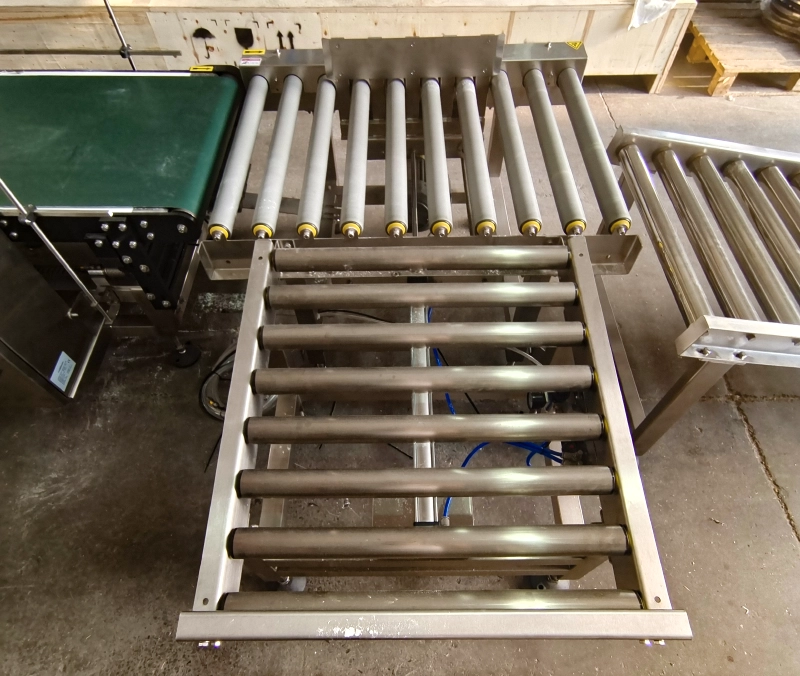
    Stainless steel roller conveyor transfer section for keeping 25 kg powder bags aligned before sewing
    Why the old layout created instability

    When filled powder bags enter sewing with poor support and weak guidance, operators end up straightening bags by hand, the bag mouth reaches the sewing head at an angle, and line cleanliness suffers because handling increases around the open transfer zone.

    Why Mipline matched the application better

    The Mipline automatic powder packing machine fits this scenario because the visible machine structure is built around controlled bag travel rather than simple discharge. The stainless steel enclosed bagging station with blue inspection windows provides a cleaner and more maintainable bagging zone for dairy powder packaging. The bag magazine conveyor and clamp area support reliable bag presentation, while the downstream guided conveyor handoff keeps the bag body supported as it moves toward sewing or sealing.

    Just as important, the line uses multiple transfer stages instead of one abrupt drop to the sewing point. That matters for milk powder, flour, starch, and similar dry powder packaging equipment because the bag must stay square after filling, not only during filling. In this layout, bag clamp alignment and transfer control work together, so the sewing head receives a more consistent bag mouth and the plant can reduce manual bag straightening without sacrificing throughput.

    Engineering note: For a 25 kg powder bagging line, the most valuable stability upgrade is often not the filler itself but the guided path between clamp release and sewing. Supported roller transfer plus side-guided belt handoff helps the bag mouth stay presentable and easier for the sewing unit to track.

    Machine evidence: structure, transfer path, and the final result

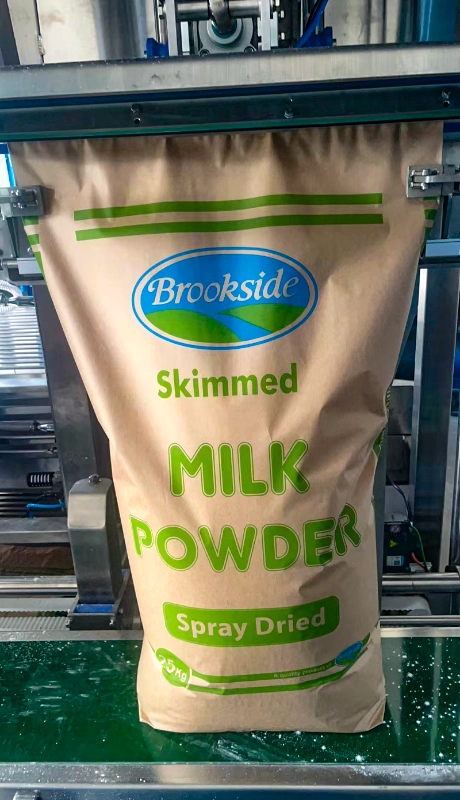
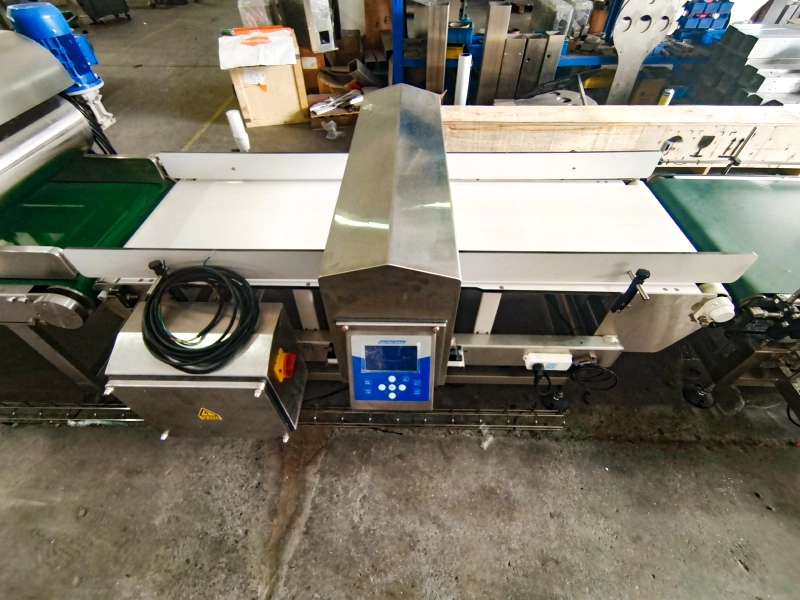
    The machine evidence in this installation is straightforward. The enclosed stainless steel bagging station shows guarded access, inspection windows, and a dedicated bag entry path suited to food powder production. The roller conveyor transfer section supports the filled bag across the transition, reducing sag and random rotation. The twin-belt transfer conveyor adds side guidance and a more controlled forward handoff. At the clamp point, the kraft paper milk powder bag is presented in a square, supported posture instead of being left to drift into the sewing stage.

    That combination is why this powder filling and bag sewing line was the right fit for the customer scenario. The plant needed cleaner transfer between filling, conveying, and sewing; easier maintenance access through a stainless steel enclosed bagging station; and a practical way to keep 25 kg bags straight before sewing. The result is a more stable bag arrival, less operator correction, and a bagging line that better suits continuous dairy powder production rather than stop-and-fix handling.

    Visible machine evidenceWhat it solves on the line
    Stainless steel enclosed bagging station with blue inspection windowsSupports cleaner powder packaging conditions, guarded operation, and easier observation during bagging
    Bag magazine conveyor and clamp presentation areaImproves bag pickup and keeps bag mouths better prepared before filling and sewing handoff
    Roller conveyor bag transfer sectionHelps maintain bag support and reduce twisting or collapse before the sewing head
    Twin-belt transfer conveyor with adjustable side guidesCreates stable bag transfer before sewing and reduces manual bag straightening at the last meter
    Stainless-steel twin-belt transfer conveyor with adjustable side guides for stable powder bag handling before sewing
    Kraft paper milk powder bag held at an automatic bag clamp station for cleaner bag alignment before sewing

    Need a powder packaging line matched to your bag type and sewing process?

    If your plant is fighting unstable bag handoff before sewing, tell us your powder type, bag material, target bag weight, and downstream sewing or sealing setup. BPM can propose a Mipline powder bagging line layout that improves bag alignment, reduces manual handling, and fits your production environment.

    Talk to BPM about your powder bagging line
  • Mipline Powder Packaging Line for Cleaner 25 kg Bag Handoff Before Sewing

    Mipline Powder Packaging Line for Cleaner 25 kg Bag Handoff Before Sewing

    Automatic powder packaging line for cleaner bag handoff

    Why a Belarus Dairy Powder Plant Moved to a Mipline Powder Packaging Line

    A Belarusian dairy powder processor needed a powder packaging line that could keep 25 kg kraft bags square, reduce manual bag straightening, and deliver a cleaner bag handoff before sewing. The Mipline automatic powder bagging line matched that need with an enclosed stainless steel bagging station, guided conveyor handoff, and stable roller transfer layout built for dry powder packaging equipment.

    Stainless steel automatic bagging machine with blue inspection windows and bag magazine conveyor for cleaner 25 kg powder bag handoff before sewing

    Customer scene: 25 kg milk powder bags moving from filling to sewing

    The project came from a food powder application where stable transfer matters as much as weighing accuracy. The plant was packing dry dairy powder into industrial 25 kg bags and needed the last part of the line to stay orderly under continuous production. In this kind of milk powder packaging machine layout, trouble usually starts after filling: the bag mouth drifts, the bag body softens, or the package reaches the sewing point slightly skewed. Even when upstream filling is accurate, unstable transfer before sewing can slow the entire shift.

    For that reason, the target was not just an automatic bagging machine for powder. The target was a powder bagging line that could protect the transfer path between bag pickup, filling, guided conveying, and sewing preparation. The enclosed stainless steel bagging station shown here gives clear evidence of that approach: guarded access, blue inspection windows, a bag magazine conveyor, and a top service platform that support cleaner operation and easier maintenance in a food-oriented powder line.

    Stainless steel automatic bagging machine with blue inspection windows and bag magazine conveyor for cleaner 25 kg powder bag handoff before sewing
    Old line problem

    The filled bag twists or collapses before sewing, operators step in to manually straighten the last meter, and the sewing head receives an uneven bag mouth. That creates slower rhythm, less consistent bag appearance, and more operator intervention than a modern automatic powder packing machine should require.

    Why Mipline fit the application better

    Mipline is designed around stable bag transfer before sewing, which is exactly the pressure point in dairy powder, flour, and starch powder packaging lines. Instead of treating the conveyor path as a simple connection between machines, the line uses visible guidance and controlled handoff points to keep 25 kg bags square. The result is cleaner bag alignment before sewing and less need for operators to pull, rotate, or re-center the bag by hand.

    The fit also comes from construction logic. The equipment evidence in the selected images shows a stainless steel enclosed bagging station, a guided conveyor interface, and dedicated transfer sections rather than an open, improvised link between processes. For a buyer comparing dry powder packaging equipment, that matters because powder plants need cleaner surfaces, better guarding, and more predictable access for washdown-oriented maintenance and daily inspection. This is why the line is suitable not only as a 25 kg powder bagging line, but also as a milk powder packaging machine where process cleanliness and stable bag posture must work together.

    Engineering note: The most important improvement is not a single component, but the guided conveyor handoff before sewing. When the bag clamp alignment, conveyor direction, and roller transfer are coordinated, the sewing section receives a calmer, squarer bag.

    Structure, transfer evidence, and the result on the line

    The transfer section provides the best visual proof. The angled roller conveyor section is built to support industrial bag handling and line integration rather than loose bag movement. On a powder packaging line, this kind of roller conveyor bag transfer helps maintain orientation through the handoff zone, especially when the package has just been filled and needs to stay stable before sewing. Together with guided conveyor routing upstream, it reduces side drift and supports a more consistent mouth presentation at the next station.

    The broader layout also supports the labor result the buyer wanted. The automated conveyor modules and guarded machine stations indicate a line designed to reduce manual bag straightening, not just speed up isolated machine cycles. In practical terms, that means better rhythm from filling to sewing, cleaner operator positions around the line, and fewer interruptions caused by bags arriving skewed. For a plant looking for an automatic powder packing machine that improves transfer quality instead of only headline output, this is the operational difference that matters.

    Stainless steel roller conveyor transfer section with angled rollers for keeping 25 kg powder bags aligned before sewing
    Observed line featureWhat it solves
    Stainless steel enclosed bagging station with blue inspection windowsCleaner powder packaging environment, guarded access, easier inspection in food powder production
    Bag magazine conveyor and guided handoff pathSupports stable bag pickup and smoother transfer into the next handling stage
    Roller conveyor transfer section with angled rollersHelps keep 25 kg bags aligned before sewing and reduces bag twisting
    Automated conveyor modules across the lineReduces manual bag straightening and improves process continuity
    Factory-floor photo of automated powder packaging conveyors and machine modules for reduced manual bag straightening

    Need a powder bagging line with steadier transfer before sewing?

    If your plant handles milk powder, flour, starch, or other dry powders in 25 kg industrial bags, BPM can help you evaluate a Mipline powder packaging line around your real handoff, alignment, and sewing conditions. Share your bag type, target output, and sewing method to discuss a cleaner automatic bagging machine for powder.

    Talk to BPM
  • Mipline Powder Packaging Line for Cleaner 25 kg Bag Handoff Before Sewing

    Mipline Powder Packaging Line for Cleaner 25 kg Bag Handoff Before Sewing

    Powder Packaging Line Case

    Mipline Powder Packaging Line for Cleaner 25 kg Bag Handoff Before Sewing

    A Belarus dairy powder producer needed a powder packaging line that could keep 25 kg kraft bags square, reduce manual bag straightening, and deliver a cleaner bag handoff before sewing. This Mipline automatic powder packing machine matched the job with an enclosed stainless steel bagging station, guided bag pickup, clamping transfer, and stable conveyor handoff between filling and sewing.

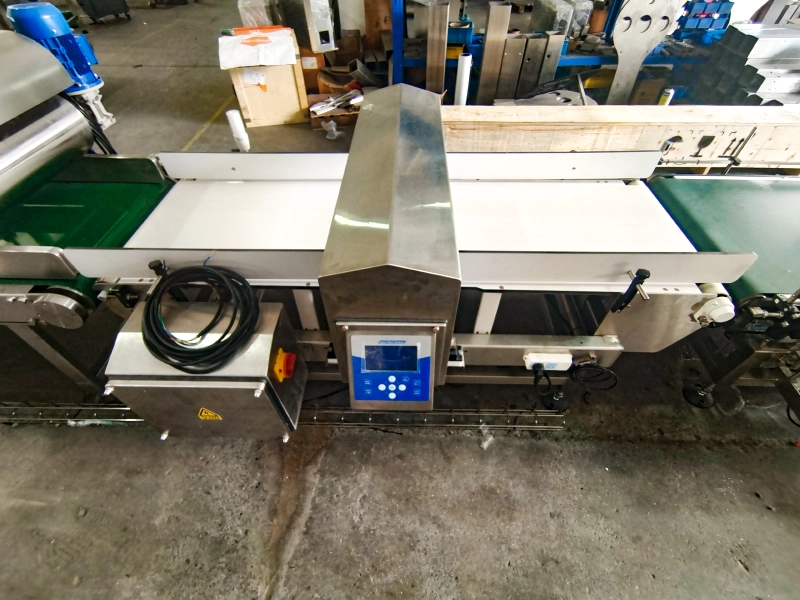
    Mipline automatic powder packing machine with stainless steel bagging station, control cabinet, and vacuum bag pickup conveyor for 25 kg powder bags

    Customer scenario: food powder bags had to move cleanly from filling to sewing

    The project came from a Belarus-based dairy manufacturer processing dry powder into industrial 25 kg bags. In this kind of line, the challenge is not only filling accuracy. The last meters before sewing often decide whether the bag mouth reaches the sewing head in a stable condition. If the bag twists, leans, or sags after filling, operators end up pulling the bag straight by hand and the sewing station loses rhythm.

    For a plant handling milk powder and similar dry products, the customer also needed a cleaner machine layout. That meant a stainless steel enclosed bagging station, clear inspection windows, and a conveyor path that could guide filled bags without rough transitions. Mipline fit this requirement because the line is built around controlled bag pickup, bag clamping, and guided transfer rather than leaving the filled bag unsupported between stations.

    Mipline bag-feeding conveyor with clamping frame for cleaner bag alignment and stable bag handoff before sewing
    Old solution problem

    Before upgrade, the weak point was the handoff area before sewing. Bags could arrive skewed, operators had to manually straighten them, and line stability depended too much on manual correction instead of mechanical guidance.

    Why Mipline matched the application

    Mipline is designed as an automatic bagging machine for powder where bag posture is managed step by step. The visible structure shows a dedicated bag-feeding conveyor, a clamping frame, and a guided transfer path. That matters because a 25 kg powder bag is not easy to recover once it starts to rotate or collapse. By keeping the bag supported and aligned from pickup through transfer, the line helps the bag mouth arrive straighter before sewing.

    The enclosed stainless steel bagging station also matched the hygiene and maintenance expectations of a food powder plant. Blue inspection windows give operators a direct view of the mechanism without opening the guarding, while the control cabinet and vacuum-assisted pickup layout support continuous automatic operation. In practical terms, the line is not only an automatic powder packing machine; it is a powder bagging line built to reduce handling disturbance between filling, conveying, and sewing.

    Engineering note: In dry powder packaging, stable bag transfer before sewing is usually the difference between a line that runs predictably and one that needs constant operator intervention at the last meter.

    Structure and image evidence: how the line keeps bags straight

    The machine evidence is clear. The main bagging station uses a stainless steel enclosed body with safety doors and inspection windows, which helps create a cleaner working envelope for food powder handling. Upstream, the bag pickup and conveyor section organize the empty bag before transfer. Downstream, the clamping and conveyor path keep the filled bag supported instead of letting it drift freely before sewing. This is the exact kind of guided conveyor handoff buyers look for when they want cleaner bag alignment before sewing.

    The second transfer image shows a long roller conveyor with green infeed and outfeed sections. This layout is useful when the goal is stable 25 kg powder bag transfer across connected stations. Roller support, belt transitions, and framed guidance reduce sudden posture change, so the bag can stay squarer on its way to sewing or sealing. For dairy powder, flour, starch powder, and similar dry products, that means less manual bag straightening and a steadier sewing feed.

    Visible line elementWhat it does in the process
    Enclosed stainless steel bagging station with blue inspection windowsSupports cleaner dry powder packaging and easier visual inspection during operation
    Vacuum bag pickup and bag magazine conveyor areaFeeds and positions empty bags consistently before the filling cycle starts
    Bag clamping and guided conveyor transferHelps keep 25 kg bags square and reduces skew before sewing
    Roller conveyor with green belt infeed and outfeedProvides stable bag handoff before sewing across connected machine sections
    Mipline roller conveyor with green belt infeed and outfeed for stable 25 kg powder bag transfer before sewing
    Enclosed stainless steel powder packaging line with safety doors and conveyor interface for cleaner dry powder bagging

    Result: steadier sewing input and less manual correction

    For this application, the result was a powder packaging line better suited to food-grade 25 kg bagging: cleaner guarding, more controlled bag movement, and a more stable bag handoff before sewing. If your plant needs an automatic powder bagging machine for milk powder, flour, starch, or other dry powder products, BPM can configure a Mipline layout around your bag type, target capacity, and downstream sewing or sealing process.

    Talk to BPM about your powder bagging line
  • Mipline Powder Packaging Line for Stable 25 kg Bag Handoff Before Sewing

    Mipline Powder Packaging Line for Stable 25 kg Bag Handoff Before Sewing

    Powder Packaging Line Project

    Mipline Powder Packaging Line for Stable 25 kg Bag Handoff Before Sewing

    A dairy powder producer in Eastern Europe needed a cleaner powder bagging line that could keep filled 25 kg kraft bags square, reduce manual bag straightening, and deliver a more stable bag mouth to the sewing station. This Mipline powder packaging line answered that need with a stainless steel enclosed bagging station, guided conveyor handoff, bag clamp alignment, and roller conveyor transfer built for dry powder packaging equipment.

    stainless steel automatic bagging machine with blue inspection windows and bag magazine conveyor for a 25 kg powder packaging line

    Why the original line created trouble at the last meter before sewing

    The customer was not looking for a generic automatic powder packing machine. The real issue appeared after filling, when the bag had to travel toward sewing. On many older layouts, the filled powder bag leaves the clamp area with too little guidance, so the bag body can twist, the top can lean, and operators end up straightening each bag by hand before the sewing head. That slows throughput and creates inconsistency from shift to shift.

    For milk powder and other dry food powders, the problem is even more visible. Buyers want a powder filling and bag sewing line that does more than fill accurately. They also need stable bag transfer before sewing, cleaner bag alignment, and a guarded machine layout that is easier to inspect and maintain. Mipline matched this scene because the bagging station, bag magazine conveyor, and guarded transfer path were designed as one integrated handoff system rather than isolated modules.

    stainless steel bagging conveyor line with green belts and guide frame for cleaner bag handoff before sewing
    Common buyer problem

    Filled bags collapse or arrive skewed at the sewing head, so operators must manually straighten them and the sewing process becomes less stable.

    Why Mipline fit this powder bagging line application

    The first reason was structural. The enclosed stainless steel automatic bagging machine uses a bag magazine conveyor and guarded working zone, visible through blue inspection windows, so the plant gets a cleaner and more controlled bag presentation area. For a dairy powder bagging line, that matters because line operators can check movement and access key points for maintenance without turning the whole line into an open transfer path.

    The second reason was transfer logic. Instead of pushing the bag directly into sewing with minimal support, this Mipline setup uses guided green-belt transfer and a defined handoff path that helps keep 25 kg bags square before sewing. That is exactly the engineering answer behind terms buyers search for, such as guided conveyor handoff, bag clamp alignment, and reduce manual bag straightening. The line was therefore suitable not only for milk powder packaging machines, but also for flour bagging line and starch powder packaging line projects where bag shape stability affects downstream sealing quality.

    Engineering note: On powder packaging lines, stable bag mouth arrival is usually decided by the transfer section between filling and sewing, not by the sewing head alone. The guarded bagging station and guided conveyor geometry are what reduce skew before the bag reaches the final closing point.

    What the machine structure shows in real production evidence

    The visual evidence supports the application fit. One transfer image shows a roller conveyor bag transfer section carrying a kraft paper bag on a stainless steel frame. That is the kind of intermediate handling point used to buffer and guide filled bags without letting them drag or lose shape. Another image shows the enclosed bagging station with blue safety enclosure and top hopper, confirming that the automatic bagging machine for powder is not a loose standalone filler but part of a coordinated dry powder packaging equipment layout.

    In practical terms, this means the line gives the customer a cleaner connection between filling, conveying, and sewing. Bags leave the clamp area with more support, move across a controlled conveyor path, and reach the next station with less need for human correction. For food powder factories, that translates into steadier output, less operator intervention, and easier line supervision.

    Visible line elementWhat it solves
    Stainless steel enclosed bagging station with blue inspection windowsCleaner powder packaging line layout with guarded access and easier visual inspection
    Bag magazine conveyor and guided green-belt transferMore consistent bag presentation and smoother handoff before sewing
    Roller conveyor bag transfer sectionKeeps 25 kg powder bags supported and better aligned during movement
    Bag clamp handling areaHelps maintain bag mouth position and reduces manual straightening at the last meter
    roller conveyor bag transfer section with kraft paper bag for keeping 25 kg powder bags square before sewing
    stainless steel automatic bagging station with blue safety enclosure and control cabinet for dry powder packaging equipment

    Result: a cleaner powder filling and bag sewing line with less manual correction

    For this application, the result was not just automated filling. The customer got a Mipline powder packaging line that improved bag handoff before sewing, reduced the need to manually square each filled bag, and created a more controlled transfer path for 25 kg dry powder bags. If your plant is comparing powder bagging line layouts for dairy powder, flour, starch, or similar materials, BPM can help map the right bagging station, transfer conveyor, and sewing connection around your bag type and output target.

    Talk to BPM about your powder packaging line
  • 25 kg Powder Bagging Line for Stable Bag Transfer Before Sewing

    25 kg Powder Bagging Line for Stable Bag Transfer Before Sewing

    Automatic Powder Packing Machine Project Review

    25 kg Powder Bagging Line for Stable Bag Transfer Before Sewing

    For an Eastern European dairy powder producer, the main bottleneck was not filling speed alone. The real issue was the last transfer before sewing, where filled kraft bags could lean, twist, or arrive slightly skewed. This Mipline powder packaging line uses an enclosed stainless steel bagging station, guided conveyors, bag clamp alignment, and a controlled handoff path to keep 25 kg bags square before sewing while reducing manual bag straightening.

    stainless steel automatic bagging machine with blue inspection windows and bag magazine conveyor for a 25 kg powder packaging line

    Why the old powder bagging setup created problems at the sewing point

    In many dairy powder, flour, and starch powder plants, operators accept an avoidable weakness in the line: the bag is filled correctly, but the transfer to sewing is too loose. Once a 25 kg bag leaves the filling position, even a small loss of guidance can make the bag mouth arrive unevenly. The result is unstable sewing head behavior, repeated operator intervention, and slower line rhythm at the exact point where consistency matters most.

    That was the practical scenario in this project. The plant needed a cleaner powder bagging line that could move bags from bagging to sewing with less distortion and less human correction. Instead of treating the sewing station as an isolated machine, the Mipline configuration focuses on the full handoff path: bag presentation, clamping, guided transfer, and conveyor geometry that helps the bag stay aligned before sewing.

    roller conveyor transfer section for keeping 25 kg powder bags aligned before sewing
    Typical buyer problem

    A powder filling and bag sewing line often loses stability in the last meter. The bag twists or collapses before sewing, operators manually straighten the mouth, and the whole line becomes less predictable even when the filler itself performs well.

    Why Mipline matched this application better

    Mipline is designed as an automatic bagging machine for powder with visible machine evidence that directly answers those transfer problems. The enclosed stainless steel bagging station supports a cleaner process environment. Blue inspection windows make the handling area observable without opening the guarding. The bag magazine conveyor and bag clamp area help establish repeatable bag pickup and presentation. From there, the line continues through guided conveyor handoff rather than leaving the bag unsupported between stations.

    For a milk powder packaging machine or flour bagging line, this matters because good sewing results depend on how the filled bag reaches the sewing head. The selected layout keeps the bag shape under control, reduces random drift, and improves bag mouth arrival angle. That is the reason this automatic powder packing machine is a strong fit for factories that need stable bag transfer before sewing rather than only nominal throughput on paper.

    Engineering note: In powder bagging, transfer stability is a machine function, not an operator skill. When bag clamp alignment, roller conveyor bag transfer, and twin-belt guidance are designed as one path, the sewing point becomes steadier and easier to maintain.

    Machine structure and image evidence from the line

    The line structure shown in the project images explains why the process became more stable. The stainless steel automatic bagging station with blue inspection windows forms a controlled upstream zone for bag handling. The kraft paper milk powder bag held at the automatic bag clamp station shows that the bag mouth can be positioned and supported before downstream transfer. This is a critical detail for keeping 25 kg bags square before sewing.

    Further along the path, the roller conveyor transfer section and the twin-belt transfer conveyor with adjustable guides provide a more disciplined transition between bagging and sewing. Instead of allowing the bag to sag or rotate freely, the line uses mechanical guidance to support cleaner bag alignment before sewing. For powder packaging equipment used in food plants, the stainless steel construction and guarded layout also help answer buyer concerns about cleanliness, inspection access, and maintainable daily operation.

    Visible line elementWhat it doesProcess result
    Enclosed stainless steel bagging stationControls the bagging area with guarding and inspection windowsCleaner powder packaging line with easier observation and safer access
    Bag magazine conveyor and clamp zoneFeeds and positions bags consistentlyMore repeatable bag pickup and bag mouth presentation
    Roller conveyor transfer sectionSupports the filled bag during handoffStable bag transfer before sewing with less collapse or drag
    Twin-belt transfer conveyor with guidesKeeps the bag path controlled between stationsCleaner bag alignment before sewing and reduced manual straightening
    kraft paper milk powder bag held at an automatic bag clamp station for stable bag handoff before sewing
    twin-belt transfer conveyor with adjustable guides for stable bag handling on an automatic powder bagging line

    Result: steadier powder bagging with less operator correction

    For producers comparing a powder packaging line, powder bagging line, or milk powder packaging machine, the lesson from this project is straightforward: if your filled bags lose shape before sewing, the answer is not only at the sewing head. A Mipline automatic bagging machine for powder improves the whole handoff path with enclosed bagging, guided conveyor transfer, and alignment-focused bag handling. If your plant needs cleaner transfer between filling, conveying, and sewing, BPM can propose a line layout matched to your bag type, powder behavior, and downstream sewing method.

    Discuss Your Powder Bagging Line
  • A Bagging Line Layout That Keeps Woven-Sack Handoffs Calm in a Southern Grain Warehouse

    A Bagging Line Layout That Keeps Woven-Sack Handoffs Calm in a Southern Grain Warehouse

    Dry-Bulk Bagging

    A Bagging Line Layout That Keeps Woven-Sack Handoffs Calm in a Southern Grain Warehouse

    When a warehouse needs to move filled woven sacks to sewing and palletizing without swing, snagging, or manual re-alignment, the line layout matters as much as the filling unit. This ppline setup shows how an elevated frame, direct transfer path, and clean conveyor alignment help keep the sack flow predictable from filling to dispatch.

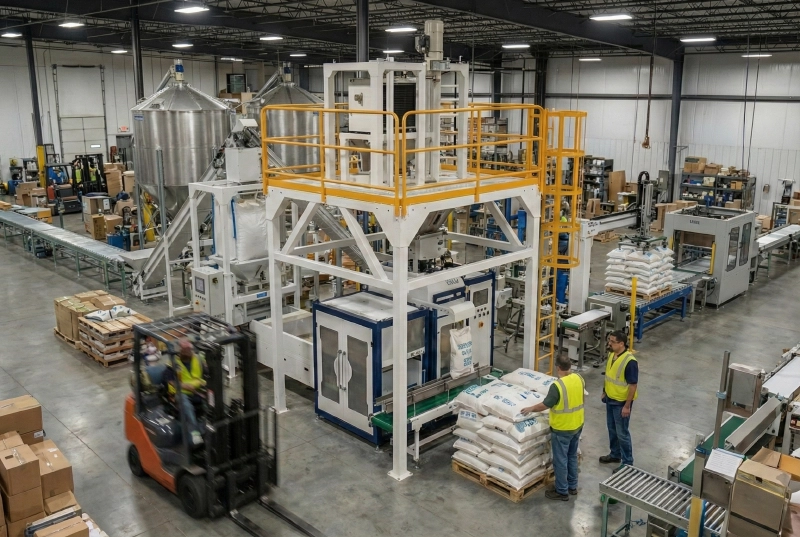
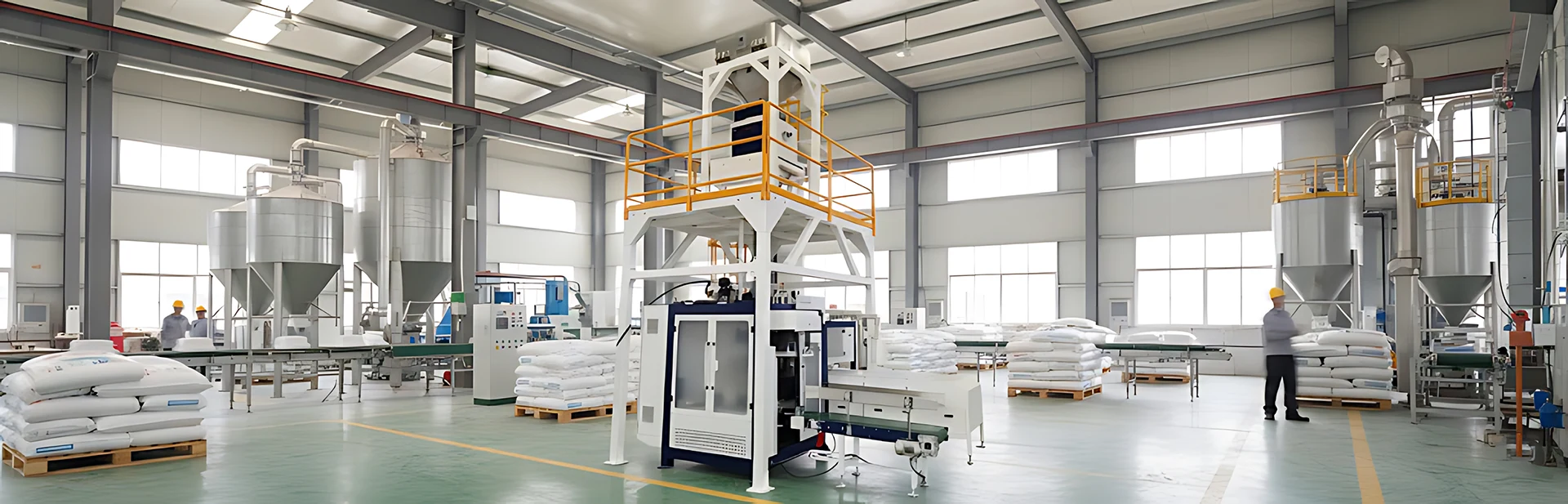
    High-angle perspective photo of running QZK-1200 packaging line with active forklift logistics and high-visibility operators

    What was going wrong at the handoff point

    In a grain warehouse, the trouble is usually not the fill itself. The trouble starts when a filled woven sack leaves the bagging head and has to travel across the next few meters of floor, platform, or conveyor. If the discharge height, operator working zone, and pallet staging lane are not aligned, the bag starts to twist, drag, or lean. Every correction adds labor, slows the rhythm, and makes the final stack less uniform.

    The factory photo supports that problem clearly: once the line is running, the work is not only about the machine. It is also about how forklifts, operators, and outbound sacks share the same production space. That is why a stable bagging layout has to solve both machine flow and plant flow at the same time.

    Industrial powder packaging line with stainless steel silos, elevated platform, conveyors, and bagged product stacks
    Pain point: bag swing and manual re-squaring

    When a woven sack lands off-center or changes direction too often, the crew has to square it by hand before sewing or palletizing. That means extra touches, more cover wear, and more chance of a crooked pallet edge. On a busy grain line, those small corrections accumulate into real throughput loss.

    Why ppline fits the job better than a loose transfer setup

    The ppline layout shown in the product images is built around an elevated steel structure, direct conveyor routing, and a controlled work zone under the platform. The machine body is enclosed, the platform is lifted above floor traffic, and the discharge path is kept visually and physically straight. That matters because sack stability depends on geometry first, not speed first.

    The same visual evidence also shows why the line is practical for a warehouse environment: the upper platform keeps the process equipment out of the forklift lane, while the lower zone stays open for bag handling, pallet staging, and outbound movement. In other words, the line does not just bag product; it helps the whole room move more cleanly.

    bpmpack Engineering Insight: A steady sack handoff is usually a layout problem disguised as a machinery problem. If the bag exit point, conveyor centerline, and pallet position are too far apart, the woven sack must be corrected by hand. When those points are aligned, the same crew can keep a cleaner rhythm with less rework and less fatigue.

    What the photos confirm about the structure and result

    The images confirm three important things. First, the bagging line is not a bare machine on the floor; it is a platform-based system with a defined working elevation. Second, the downstream material flow is organized around conveyors and pallet handling rather than random hand carrying. Third, the plant can keep people, forklift traffic, and stacked sacks in the same area without turning the transfer point into a bottleneck.

    That is the result a grain warehouse usually wants: not just higher output on paper, but a steadier handoff from filling to sewing and palletizing in real production. With the ppline layout, the line is easier to supervise, the sack path is easier to predict, and the finishing area is easier to keep consistent from shift to shift.

    Layout signalWhat the image showsWhy it matters to the customer
    Elevated frameSteel platform with the bagging equipment lifted above floor trafficSeparates process flow from forklift movement and keeps the handoff zone calmer
    Direct transfer pathConveyors and outbound handling arranged in a straight visual lineReduces bag swing, re-squaring, and crooked pallet edges
    Enclosed main bodyCompact machine housing and controlled working zoneImproves operator focus and makes the line easier to supervise
    Plant-ready spacingOpen space for sacks, pallets, and forklift logisticsSupports a cleaner warehouse rhythm without crowding the transfer point

    Need a cleaner sack handoff plan?

    If your warehouse needs to move from filling to sewing and palletizing with less manual correction, send us your sack size, target output, and workshop layout. We will match the ppline arrangement to your transfer height, conveyor direction, and packing rhythm.

    Request a layout check
  • ppline for Dust-Safe Sack Handoff in a Southern Grain Warehouse

    ppline for Dust-Safe Sack Handoff in a Southern Grain Warehouse

    Bulk bagging line

    ppline for Dust-Safe Sack Handoff in a Southern Grain Warehouse

    In a grain warehouse, the hard part is not only filling woven sacks. The real bottleneck is keeping the bag mouth stable, moving the sack cleanly into the next station, and doing it without dust spill, rework, or wasted handling time. This ppline layout uses a hopper-fed bagging machine, operator-facing HMI control, and a rigid steel structure to keep the handoff predictable.

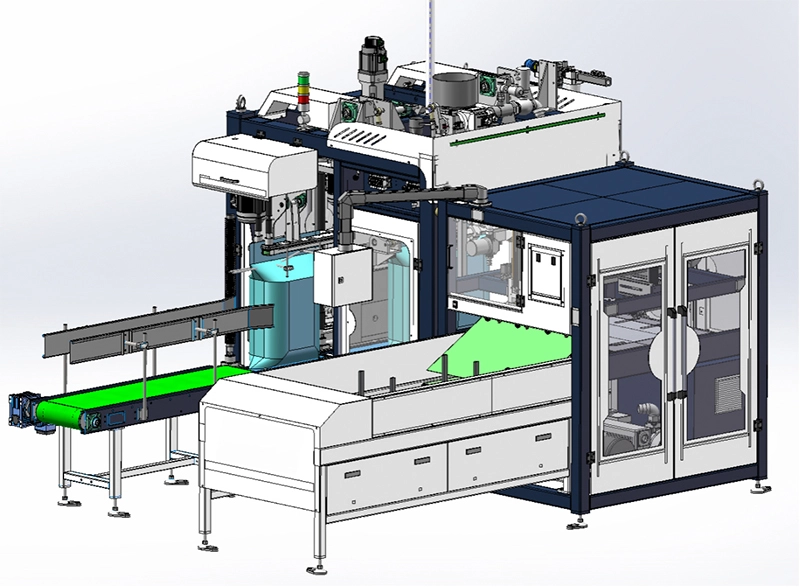
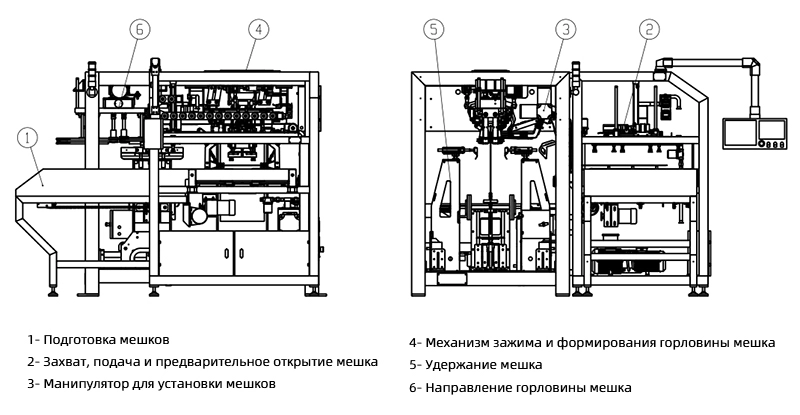
    Dual-view technical CAD blueprint of automatic bagging machine showing bag magazine, robot arm, and component layout

    Why the old handoff created bottlenecks

    In many warehouse lines, the previous setup depended on operators to catch each filled sack, reorient the mouth, and push it toward the stitching or palletizing point. That sounds simple until the sacks start arriving at different angles, the bag mouth shifts under its own weight, and the next station has to wait for correction. Every pause breaks the rhythm of the line.

    For a southern grain warehouse handling dry bulk product, the problem is even sharper. Woven sacks flex, settle, and rub against each other as they move. If the transfer point is weak, the floor gets dustier, the stitch line gets less consistent, and the pallet face becomes harder to keep square.

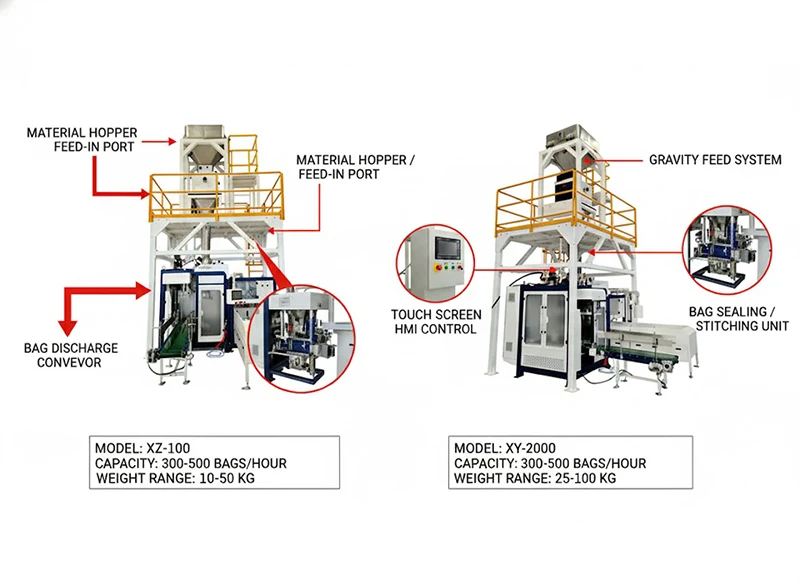
    Automatic bulk bagging machine with hopper feed, gravity dosing, HMI touchscreen, and bag sealing and stitching unit
    Unstable sack transfer

    When a filled bag is lifted, turned, or guided by hand too often, the mouth shifts, the stitch line skews, and the next station spends more time correcting than packing.

    Why ppline fits this job

    The ppline concept works here because it treats the handoff as part of the machine, not as an afterthought. The hopper feed keeps material entry organized, gravity dosing keeps the fill rhythm steady, and the HMI gives the operator a clear view of machine status without walking around the line. The sealing and stitching unit sits directly in the workflow instead of forcing bags into a loose transfer zone.

    The CAD blueprint supports that logic: it shows the bag magazine, pickup arm, and positioning hardware as one controlled set of actions. The machine photo reinforces the same idea in physical form, with the hopper, dosing path, control screen, and stitching unit built into a single structure that is easy to place on a warehouse floor and easier to keep aligned during daily operation.

    bpmpack Engineering Insight: In dry-bulk bagging, the real gain is not just faster filling. The gain comes from controlling the bag mouth from the moment it leaves the clamp to the moment it reaches the next station. A rigid frame, a visible HMI, and a direct discharge path reduce rework, reduce lost seconds, and make the whole line easier to operate with fewer interventions.

    What the warehouse gets after the line is tuned

    Once the transfer point is stable, the warehouse team usually sees the improvement in three places at once: the line runs with fewer stoppages, the floor stays cleaner, and the pallet stacks become easier to square up. Operators spend less time regripping sacks and more time keeping the flow moving. That matters more than a simple speed number on paper.

    For grain handling, the best result is a line that can be repeated every shift without creating extra correction work. That is where ppline adds value: it brings filling, transfer, stitching, and downstream handoff into one practical layout that can be trained, serviced, and scaled without turning the warehouse into a manual catch-point.

    Line pointWhat the equipment doesOperational result
    FillingHopper feed and gravity dosing keep the bag fill cycle steady.Less fluctuation at the outlet and fewer corrections by operators.
    TransferControlled discharge path keeps the filled sack moving in a predictable way.Cleaner handoff and less bag-mouth skew before stitching.
    ControlHMI gives a clear operating point for the line crew.Faster changeover and easier daily monitoring.

    Need a bagging layout that matches your warehouse flow?

    Send us the material type, bag weight, and target throughput, and bpmpack can map the filling, transfer, stitching, and palletizing points into one workable ppline layout.

    Contact bpmpack
  • How a Grain Warehouse Stabilized Woven-Sack Transfer Before Sewing and Palletizing

    How a Grain Warehouse Stabilized Woven-Sack Transfer Before Sewing and Palletizing

    Secondary packaging line
    How a Grain Warehouse Stabilized Woven-Sack Transfer Before Sewing and Palletizing

    A southern grain warehouse operator was losing time at the exact point where filled woven sacks moved from the bagging head to sewing and palletizing. The fix was not more labor; it was a bagging line that holds the sack, guides the handoff, and keeps the flow repeatable from one cycle to the next.

    3D CAD rendering of modular secondary bagging line QZK-1200 with accumulation belt, large bag gripper, and discharge conveyor.

    Why the handoff point kept failing

    In this warehouse, the old scheme relied on operators to re-square each filled sack by hand before it could move to sewing. That created the usual problems: twisted bags, inconsistent presentation to the sewing head, and short stoppages every time the line had to wait for someone to reset the sack.

    The ppline approach addresses that exact failure point. The line uses a guided conveyor path, a large bag gripper, and a machine frame that keeps the sack in a controlled position instead of letting it swing, curl, or drift across the transfer zone.

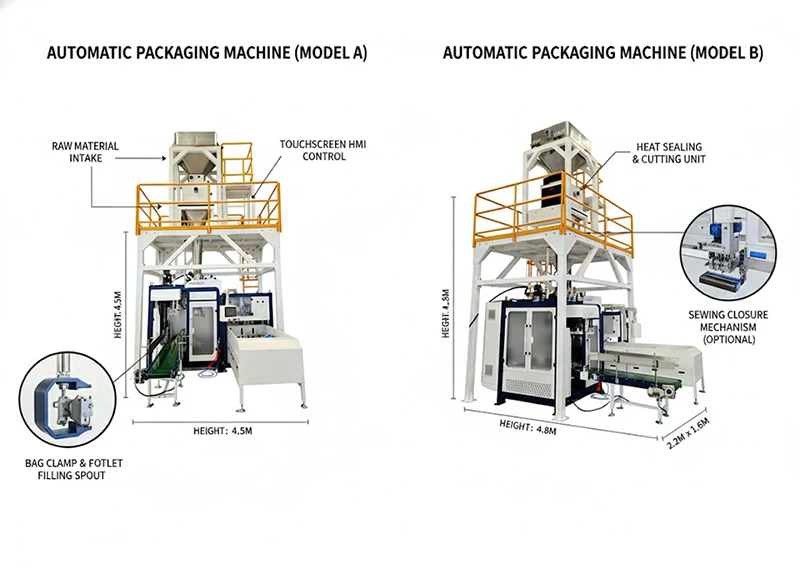
    3D render of automatic packaging machine models A and B with HMI, heat sealing, and optional sewing closure
    Pain point: unstable sack handoff

    When a woven sack arrives at the stitching station without clean alignment, the real cost is not only a bad seam. It is the ripple effect: rework, slower pallet buildup, and more operator intervention at the one point in the line where flow should be smooth.

    Why ppline fit this job

    The product images show the right mix of structure and control for this application: an elevated steel frame, enclosed machine cabinet, HMI-based operation, and a transfer layout that can sit between the bagging head and downstream sewing or palletizing steps. That combination matters because grain warehouses do not need a flashy concept; they need the sack to leave the filling point in a predictable orientation.

    The internal close-up also shows the mechanism-level reason the line works better: vacuum suction cups, a green conveyor, and a height-adjustment handwheel. Those details are what make the transfer stable enough for routine production, especially when bag weight, sack stiffness, or operator speed changes during a shift.

    bpmpack Engineering Insight: At woven-sack transfer points, the biggest improvement usually comes from controlling the bag’s position before the seam, not after the seam. If the product stays upright, centered, and easy to reach, sewing becomes a repeatable downstream step instead of a rescue operation.

    Structure, parameters, and the result

    The engineering images support the setup clearly. The external render highlights the HMI, heat-sealing option, and optional sewing closure, which shows the machine family is built for different bag-end finishes. The interior detail adds the practical elements that matter on the floor: a guided transfer path, adjustable bag presentation, and a compact working zone that keeps operators close to the action without forcing them to manually chase the sack.

    That is why the result is more than cleaner appearance. The warehouse gets steadier sack transfer, fewer misaligned bags at the stitching point, easier pallet buildup, and less dependence on last-second manual correction. In a high-throughput grain operation, that usually means a line that feels calmer even when the shift is busy.

    Legacy issueppline responseOperational effect
    Bag twist before sewingVacuum suction cups and guided transfer keep the sack uprightCleaner stitch alignment
    Frequent line pausesHMI control and enclosed cabinet simplify repeat operationLess operator intervention
    Unstable pallet buildupModular conveyor integration supports downstream handoffSteadier palletizing flow

    Need a layout review for your grain bagging line?

    If your woven sacks are still slowing down at the sewing point, bpmpack can help map the transfer, control, and downstream handoff so the line runs with fewer stops and cleaner bag presentation.

    Request a bagging line review